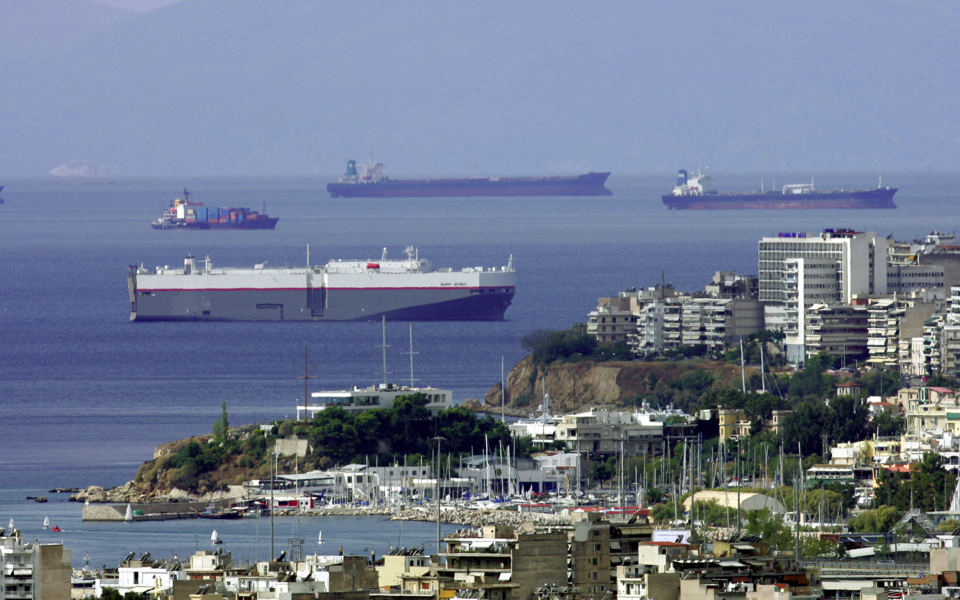
The Union of Greek Shipowners has published its annual report for 2025–2026, presenting up-to-date statistical data on the Greek-owned fleet and its decisive contribution to the global, European, and national economy.The report highlights the irreplaceable and strategic role of shipping as a fundamental pillar of international trade, energy and food security, as well as the stability of global supply chains. It also sets out the positions of the Union regarding current developments and challenges facing the sector, with emphasis on decarbonisation, European maritime policy, maritime safety, and the critical role of seafarers.Greece remains the world’s leading maritime power, with a fleet of nearly 5,800 vessels representing more than 19% of global carrying capacity.Greek shipping accounts for 61% of the European Union’s merchant fleet, constituting a strong strategic advantage for the continent’s autonomy and resilience. It is at the forefront of the sector’s energy transition, with steadily increasing investment in new vessels incorporating the most advanced energy-efficiency technologies.Greek shipping remains a national asset for Greece, directly and indirectly accounting for 7%–8% of GDP and providing approximately 200,000 jobs.The 2025–2026 annual report also highlights the strong social footprint of Greek shipping.The President of the Union, Melina Travlou, stressed: “In an era of increasing uncertainty, shipping confirms its timeless role as a force of continuity, stability, and global cohesion. In this demanding environment, Greek shipping has maintained its leading international position, reaffirming its strategic importance, reliability, and resilience.Our strength remains our unity. With a common strategy, institutional consistency, and collective responsibility, Greek shipping will continue to lead the world’s seas and contribute substantially to shaping the future of global shipping.”
Union of Greek Shipowners: Greek shipping remains a global leader
The report highlights the irreplaceable and strategic role of shipping as a fundamental pillar of international trade, energy and food security, as well as
299 words~1 min read