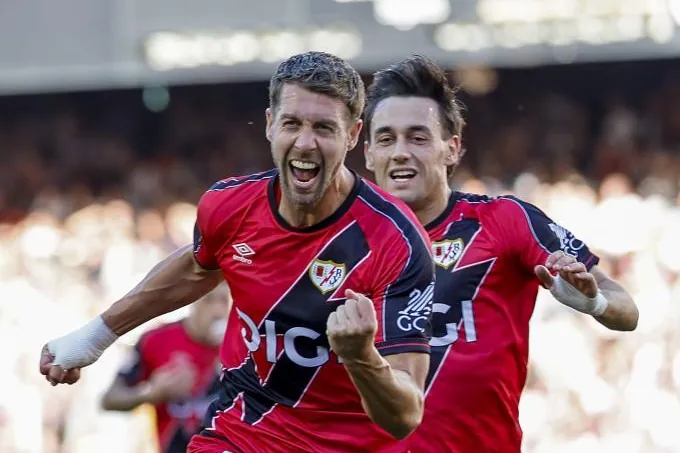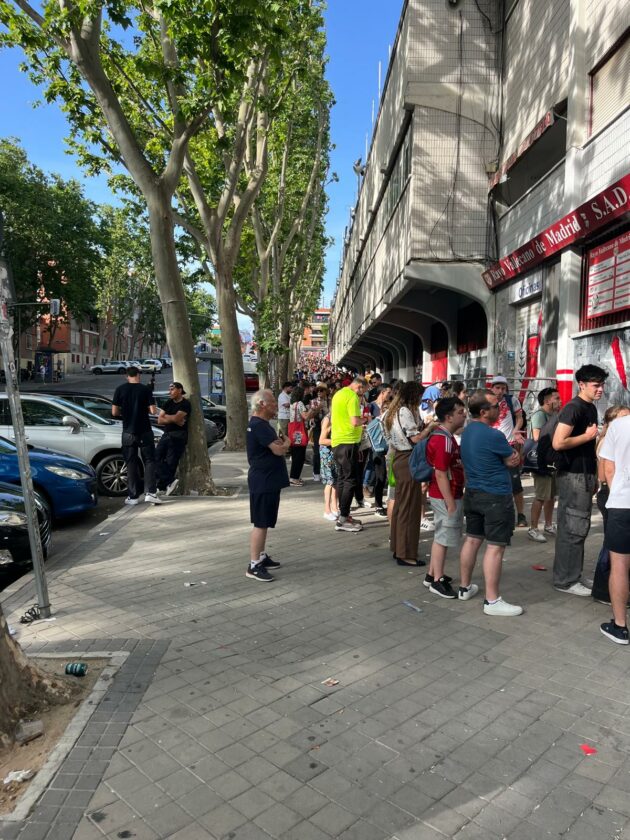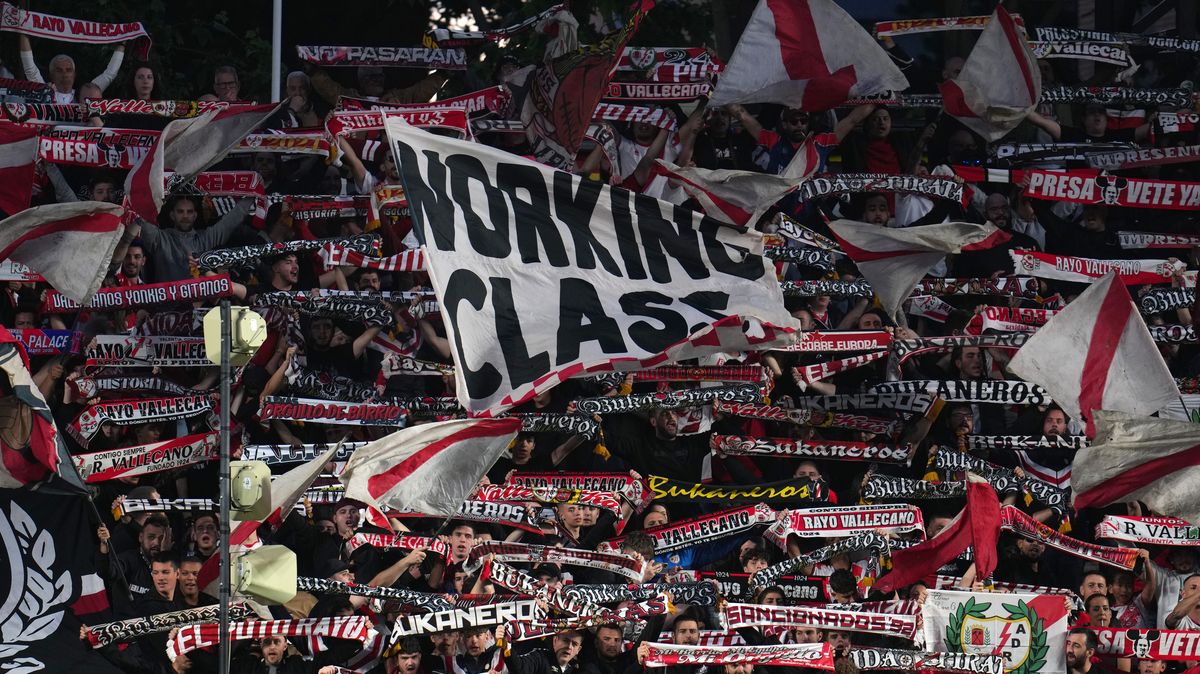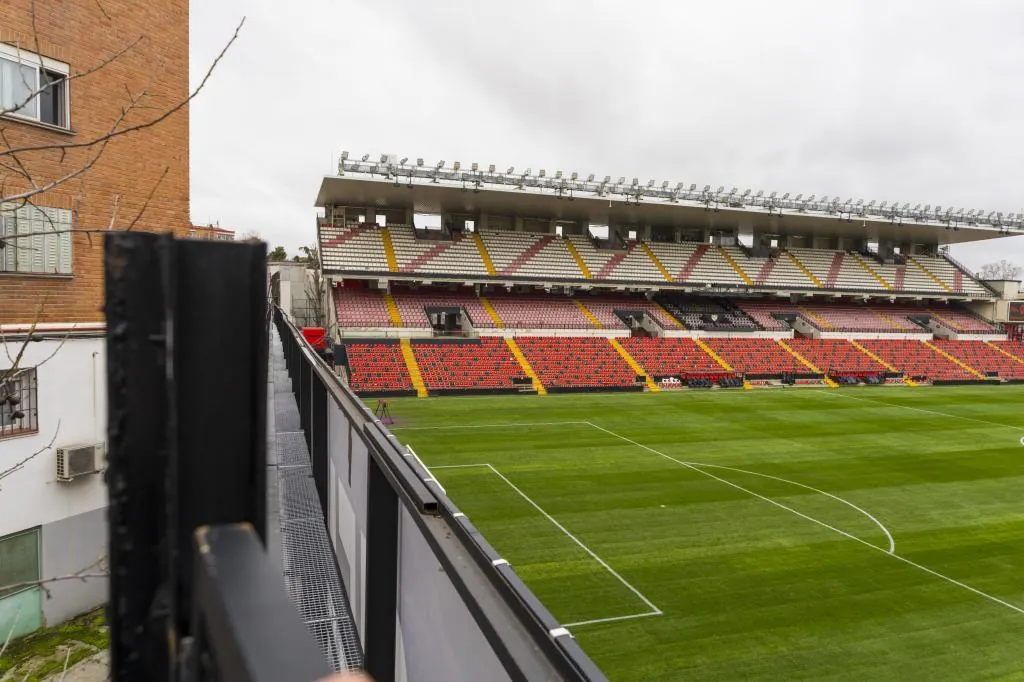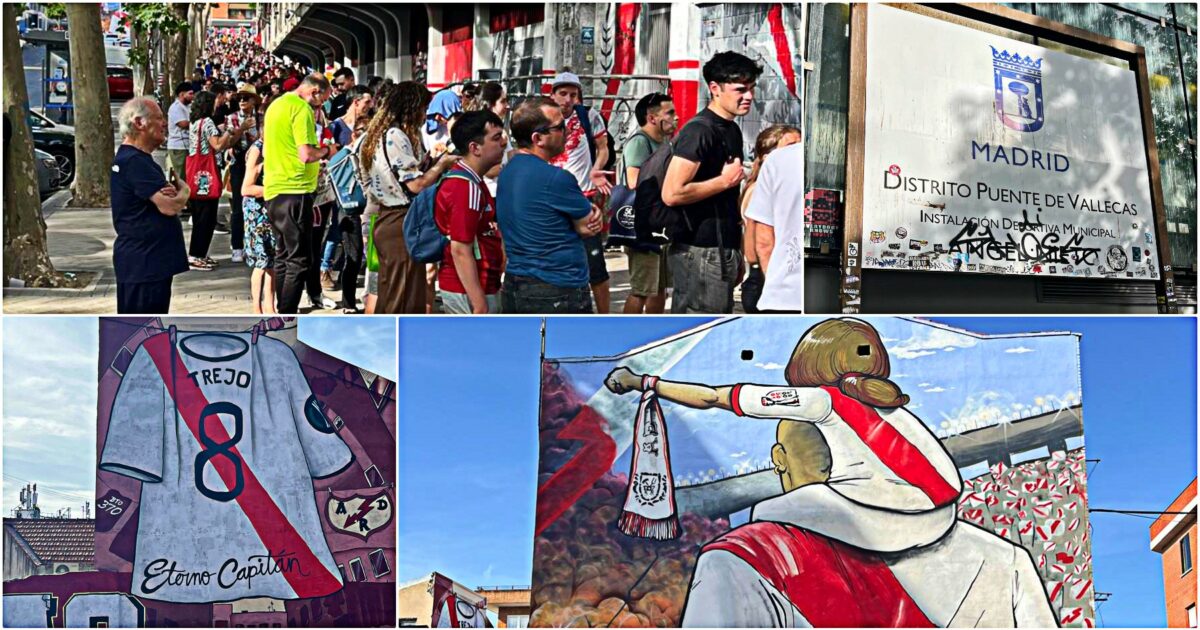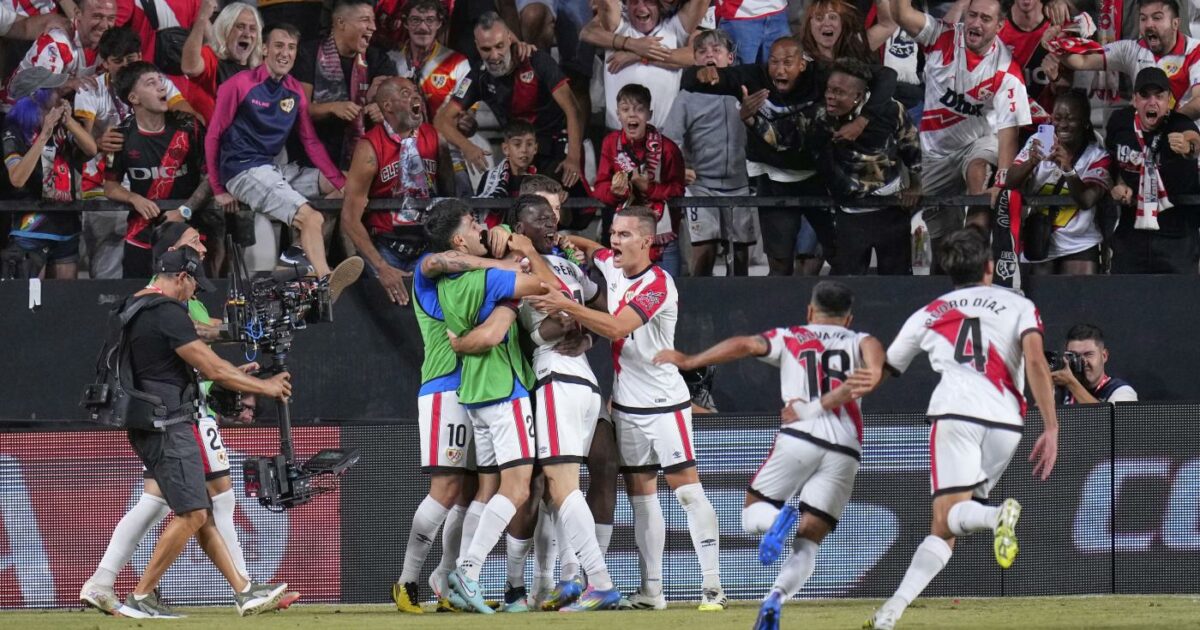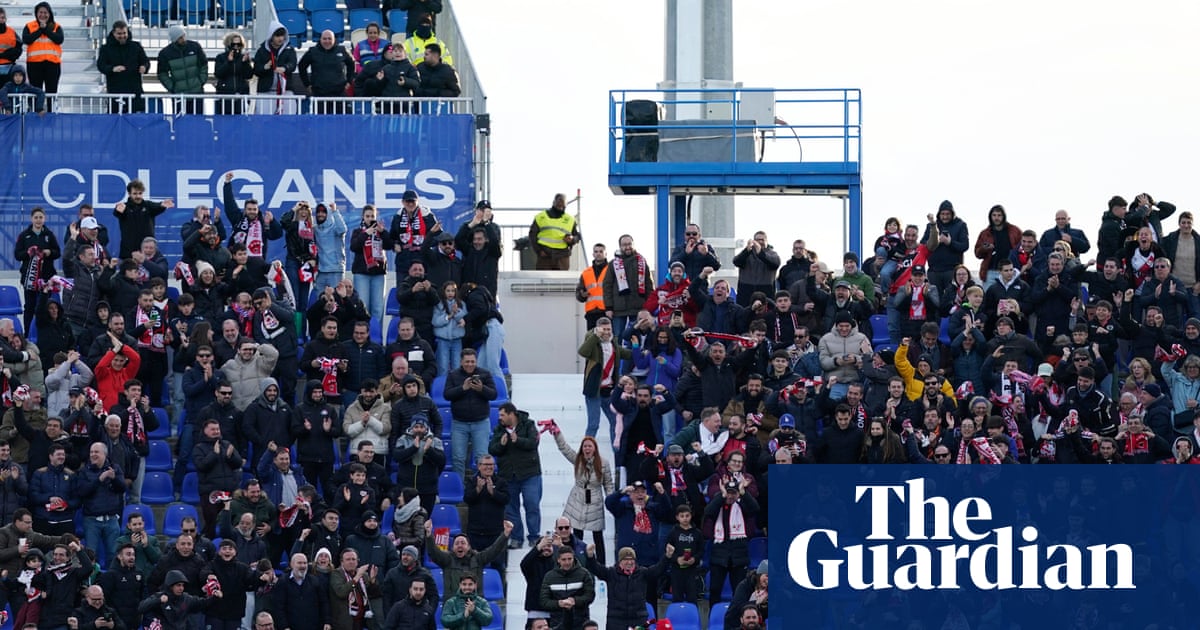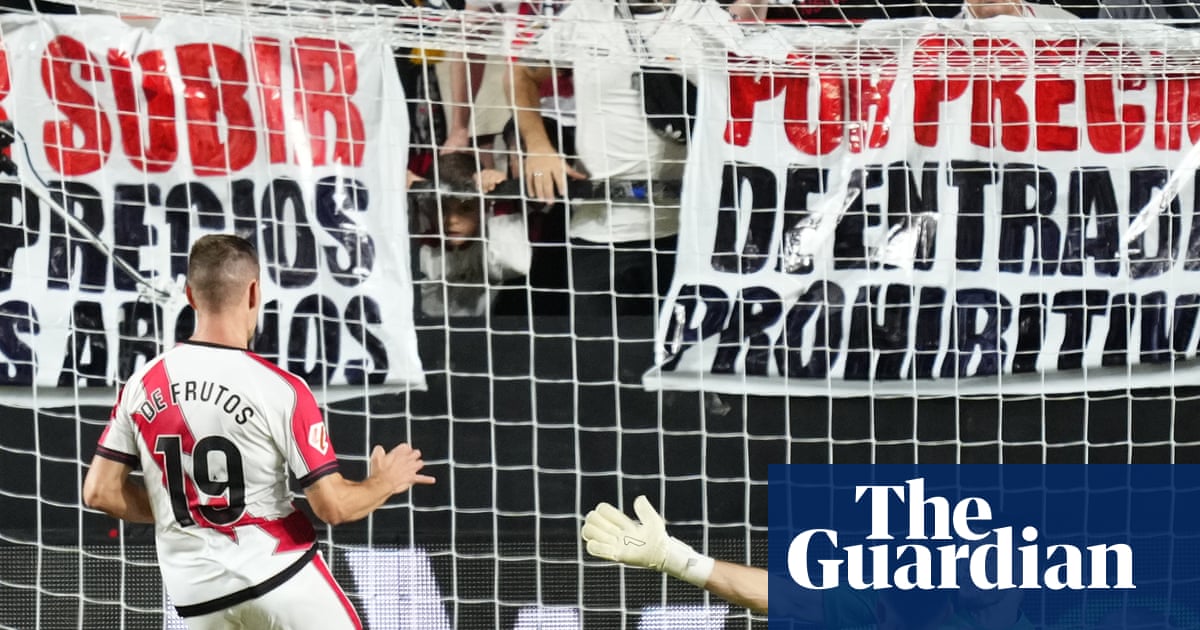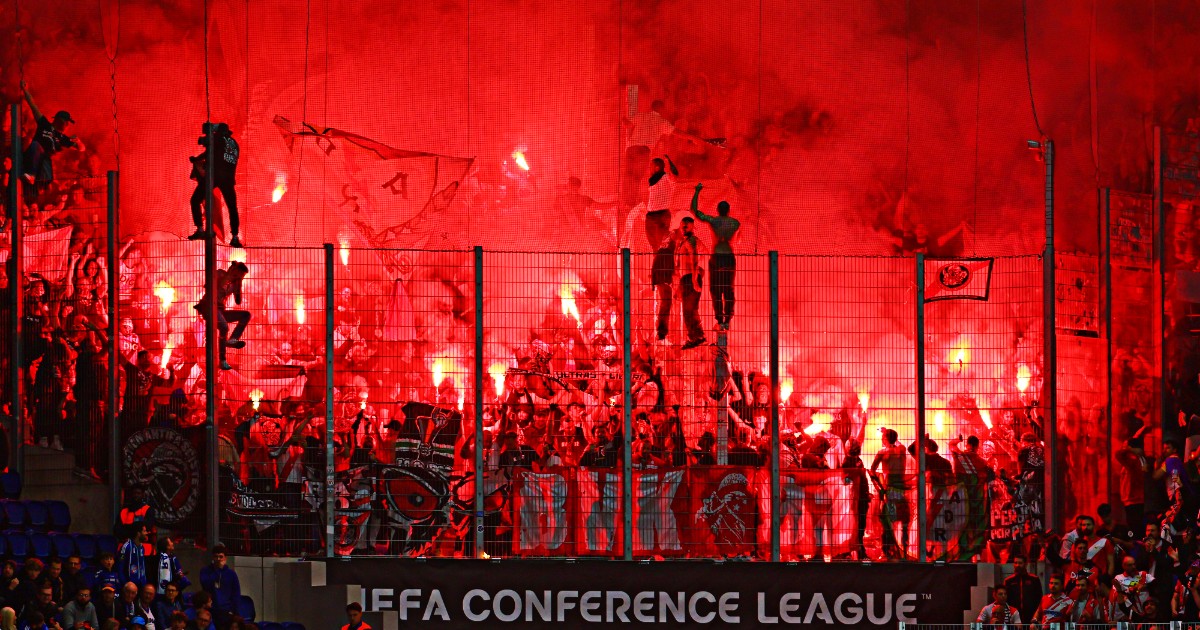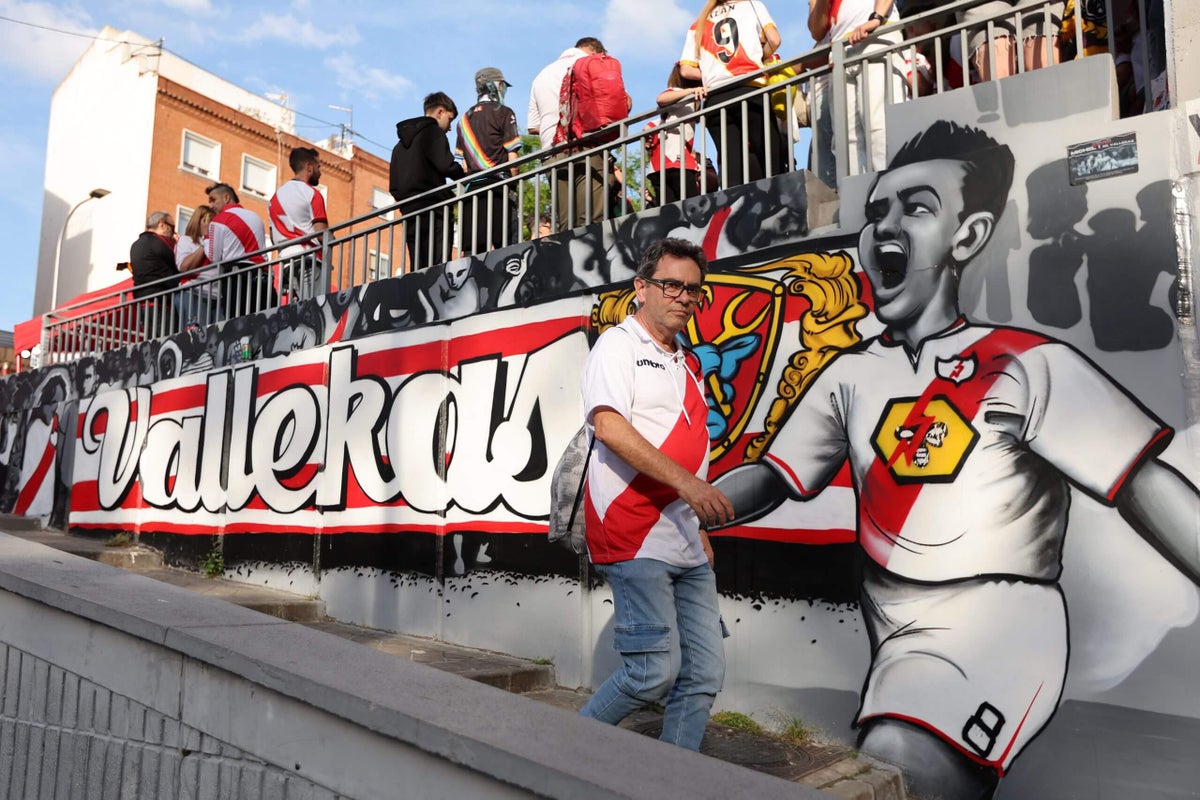
The first time I went to see Rayo Vallecano play, in March 2011, there was a burnt-out police car right by the Estadio Vallecas.Conflict and protests were common at Rayo, whose left-wing Bukaneros ultras had long battled against then-owner Jose Maria Ruiz Mateos, an influential businessman during General Francisco Franco’s dictatorship who was later jailed for corruption.Half an hour earlier, masked ultra fans had been throwing bottles at police, with officers responding by wielding their batons. The trouble quickly cleared, though, and soon supporters of both Rayo and Real Betis — the visitors for that day’s Spanish second division game — were happily posing for photos outside the 14,000-capacity ground.After kick-off, ultras chanted regularly against the club’s owners, also displaying a long banner proclaiming: “No to the Imperialist War in Libya”. Rayo forward Piti’s winning goal sparked jumping and screaming in the stands. It was a unique, unfiltered football experience, just 20 minutes on the metro from the centre of Spain’s capital city. It seems scarcely believable that the same club are now so close to European silverware.Rayo are taking on Crystal Palace in the Conference League final in Leipzig later on Wednesday. They have only competed once in European competition before, when their fair play record qualified them for the 2000-01 UEFA Cup, when they lost to fellow La Liga side Alaves in the quarter-finals.They have never played in a major final of any kind. The most prestigious trophy in their 101-year history is the 2017-18 second division title. They have the seventh-lowest spending power in La Liga, and their squad value according to Transfermarkt is €107million (£92.2m; $124.5m), compared to Palace’s €541m. On qualifying for Europe last summer their total transfer spend, on nine new players, was €7.1m.Rayo are just different in every way. If you want to watch a game, your only option is to buy a paper ticket, in person, at the stadium — simply because the club will not invest in an online system. On this season’s European adventure, some fans have slept in the streets outside the ground to make sure they got theirs.In September 2012, I was back for a La Liga game as Rayo hosted Real Madrid, their giant neighbours to the north, only for the floodlights to fail. The match had to be postponed.Rayo’s new owner then, Raul Martin Presa (he took over in May 2011 and remains in charge to this day), was also unpopular with the ultras. He claimed somebody had expertly cut the cables to take out the floodlights, in an act of “football terrorism”.Thirteen Rayo fans were questioned by police over the alleged sabotage, but no charges were brought. The floodlights were fixed for the following evening, when Jose Mourinho’s Madrid won 2-0 with goals from Karim Benzema and Cristiano Ronaldo.Rayo had a tremendously entertaining side over that 2012-13 campaign. Coached by West Ham assistant manager Paco Jemez, they finished eighth to qualify for the Europa League. But UEFA denied them a licence due to unpaid debts, and Sevilla took their place, going on to win the first of three consecutive Europa League trophies under Unai Emery.Back in Vallecas, a working-class neighbourhood about three miles south-east of Madrid’s city centre, fans were focusing on other issues.Rayo fans displaying a message in the stands reading: “As long as Rayo has its people, it will live on.” (Denis Doyle/Getty Images)In November 2014, Rayo players, staff and supporters mobilised to raise money so 85-year-old Carmen Martinez Ayudo could avoid eviction from her apartment by the stadium. “We’re not going to just stand around and do nothing,” Jemez said at the time.Vallecas suffers from some of the worst examples of social exclusion in Madrid, and Rayo’s stadium serves as a focal point for various political and social campaigns. On a recent visit, The Athletic noted posters for a solidarity second-hand market, a “mothers against fascism” rally, a debate on “the current situation of the workers’ movement”, an anarchist book fair, a march against “Trump and Netanyahu’s war” in Iran, and another march for better public housing.The stadium also features a homage, painted by fans, to former Rayo goalkeeper Wilfred Agbonavbare, a Nigeria international who suffered horrific racist abuse during his time playing in La Liga in the 1990s.The mural celebrating Agbonavbare outside Rayo’s stadium (The Athletic)There is an incredibly close relationship between players and supporters, despite the owner’s enduring unpopularity. Rayo’s squad went on strike after club staff were placed on furlough during the Covid-19 pandemic. “Legally they have the right to do this, but morally no,” Jemez told Spanish TV show Estudio Estadio. “This is Rayo.”After the final La Liga game of 2025-26 at Vallecas, on May 17, Rayo right-back Andrei Ratiu and back-up goalkeeper Dani Cardenas popped into nearby takeaway spot Kebab Big Chicken to get some food for their team-mates. While waiting for their order, the players paid for a round of beers for everyone in the place, and posed for selfies with staff and customers.It all adds up to a sense of community very seldom seen in the modern game. This team and their fans are now enjoying something completely unexpected and uniquely special together.“To be playing a final is the opportunity of a lifetime for the people of Vallecas,” lifelong Rayo fan and journalist Carlos Sanchez Blas told The Athletic last month.Rayo fans supporting their team before the Conference League semi-final against Strasbourg (Florencia Tan Jun/Getty Images)Last season, Inigo Perez’s team reached the final game of the season at home to Mallorca with a chance of qualifying for Europe for the first time in 25 years. During a tremendously nervy match, chants of “Si, se puede (Yes we can)” regularly rang out, with the steel stands shaking as fans banged their feet in unison.After a 0-0 draw secured their Conference League spot, supporters invaded the pitch to hug and dance with the team. “It’d be amazing to work at a club like this,” a Mallorca staff member whispered while watching the celebrations.Day-to-day life at Vallecas is not always so exciting, and club staff have to make do with fewer resources and worse facilities than any other La Liga side. At Rayo’s Conference League qualification play-off against Belarussian side Neman Grodno in August, a supporter in front of the press box used wet-wipes to remove debris from her seat, before generously offering The Athletic a means of cleaning our desk. More importantly, toilet facilities for disabled supporters were a disgrace.Rayo progressed past opponents from North Macedonia, Sweden, Slovakia, Kosovo and Poland in the league phase. In December, Lech Poznan’s social media team filmed a video showing the cramped and decrepit away dressing rooms.
Rayo Vallecano in a European final? It’s an extraordinary story
The Spanish side have long lived in the shadow of their wealthy neighbours Real Madrid. But now they have a chance for glory
1,329 words~6 min read