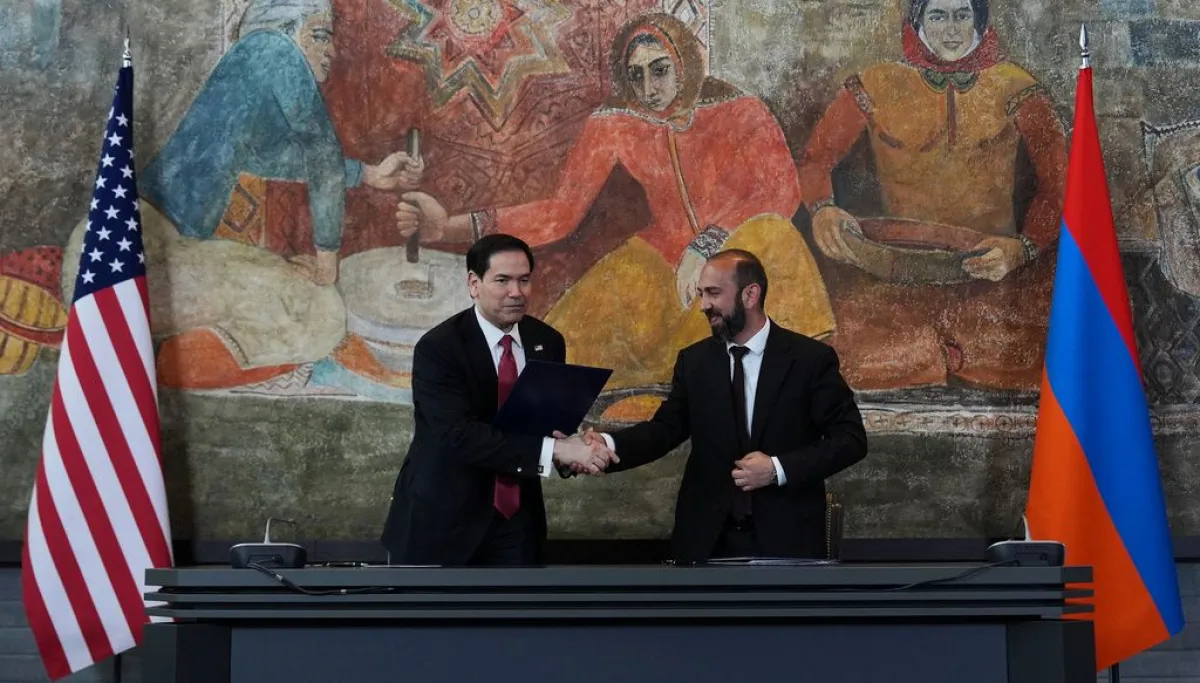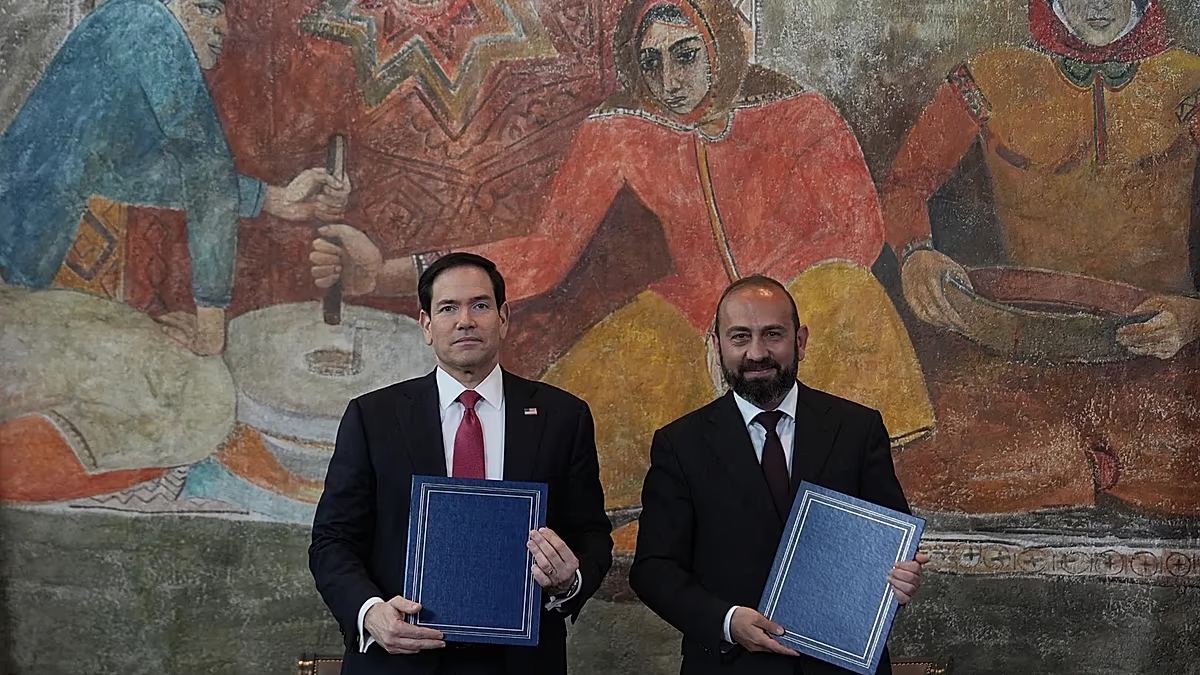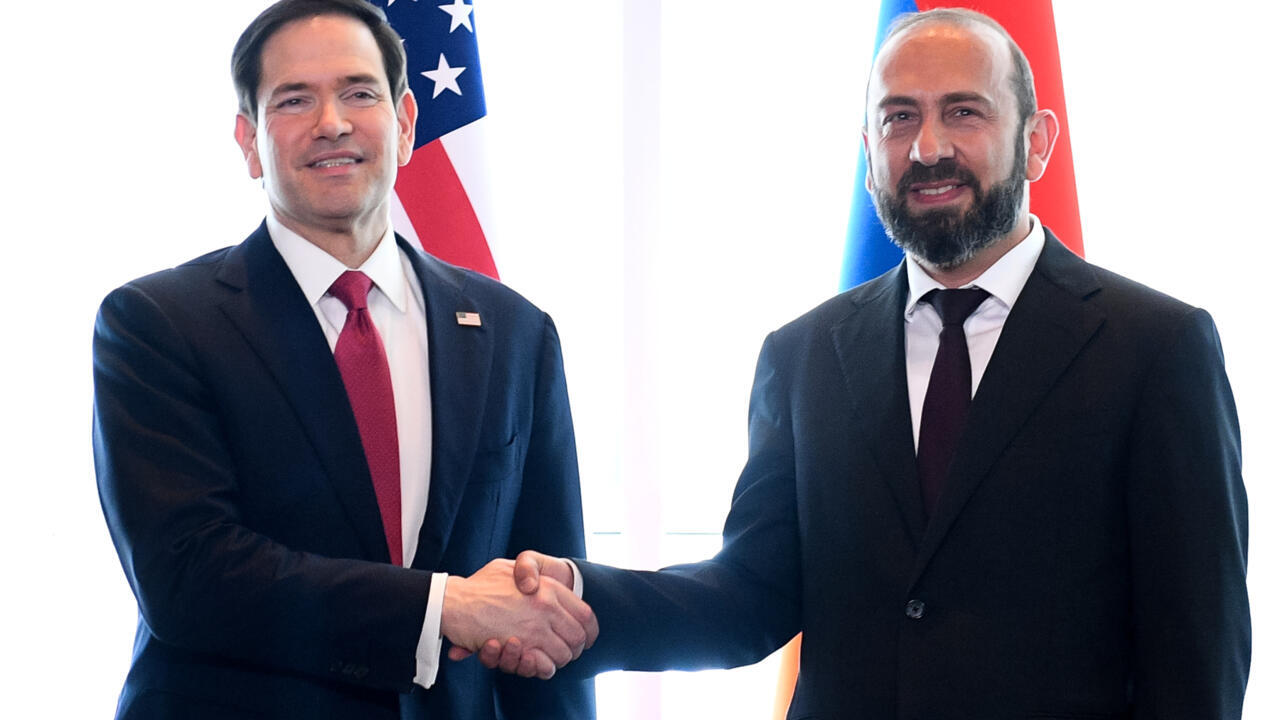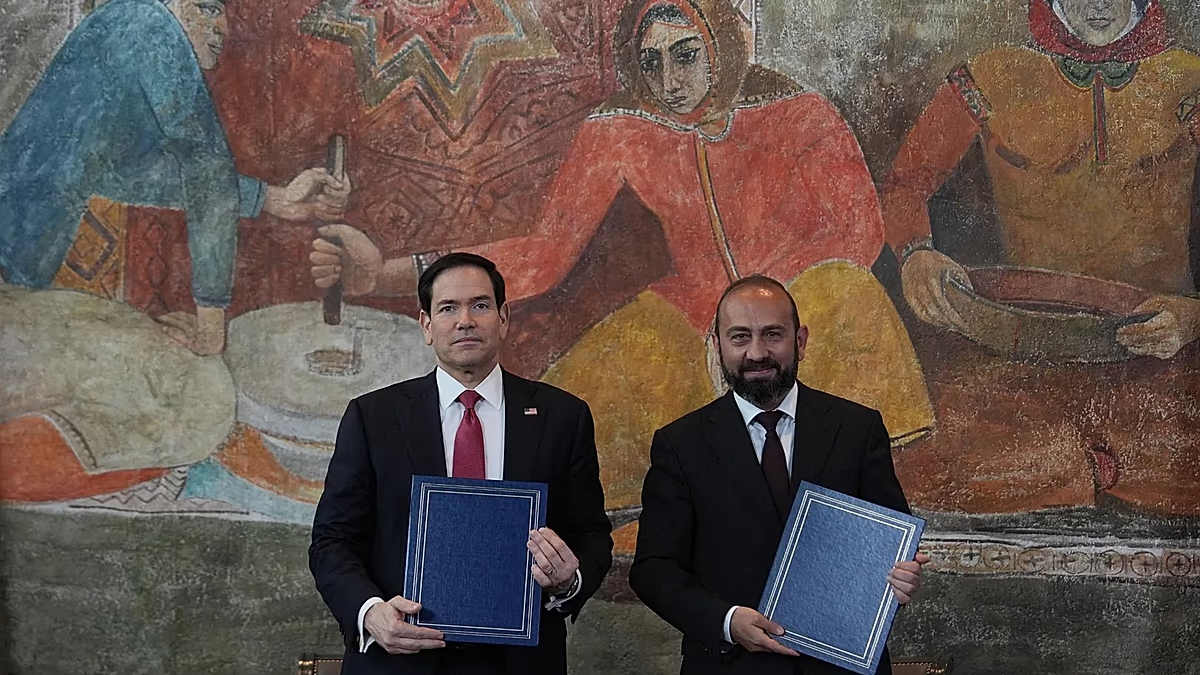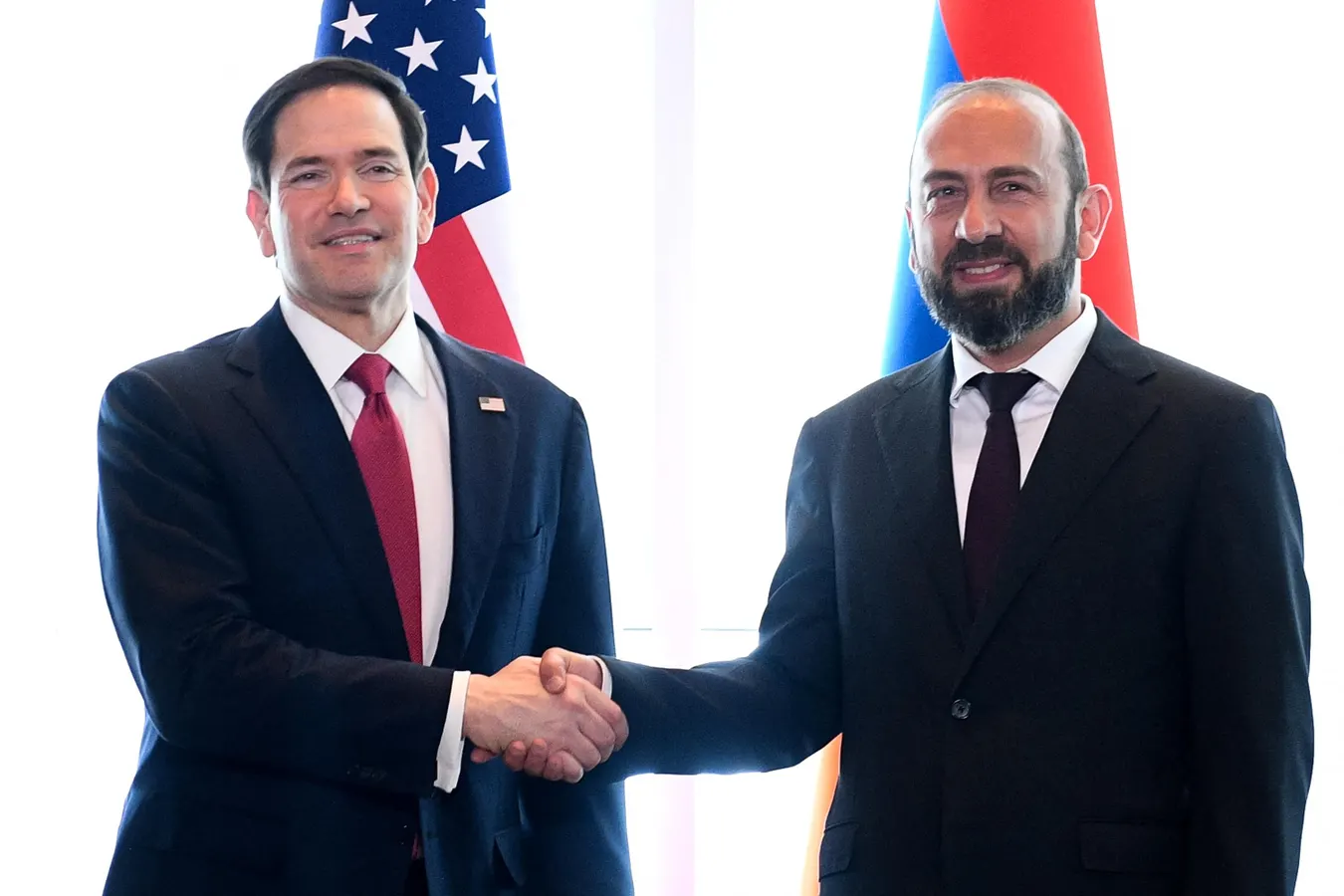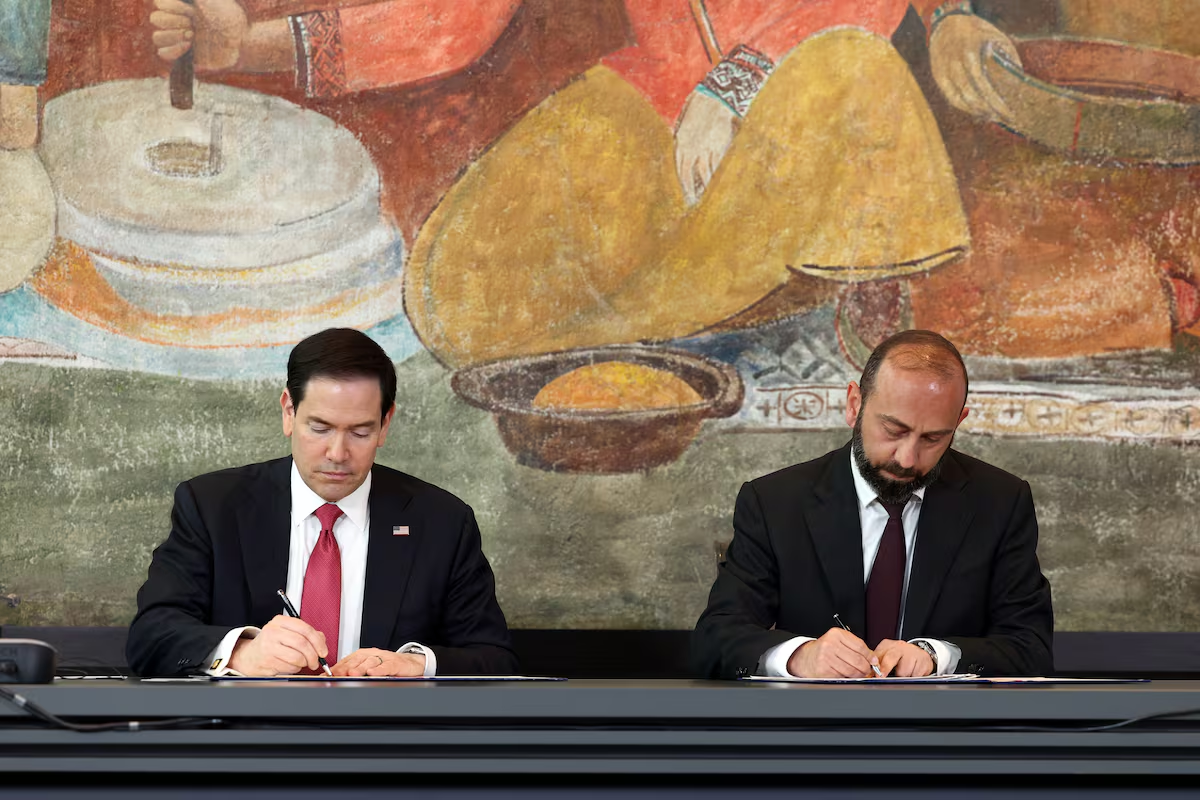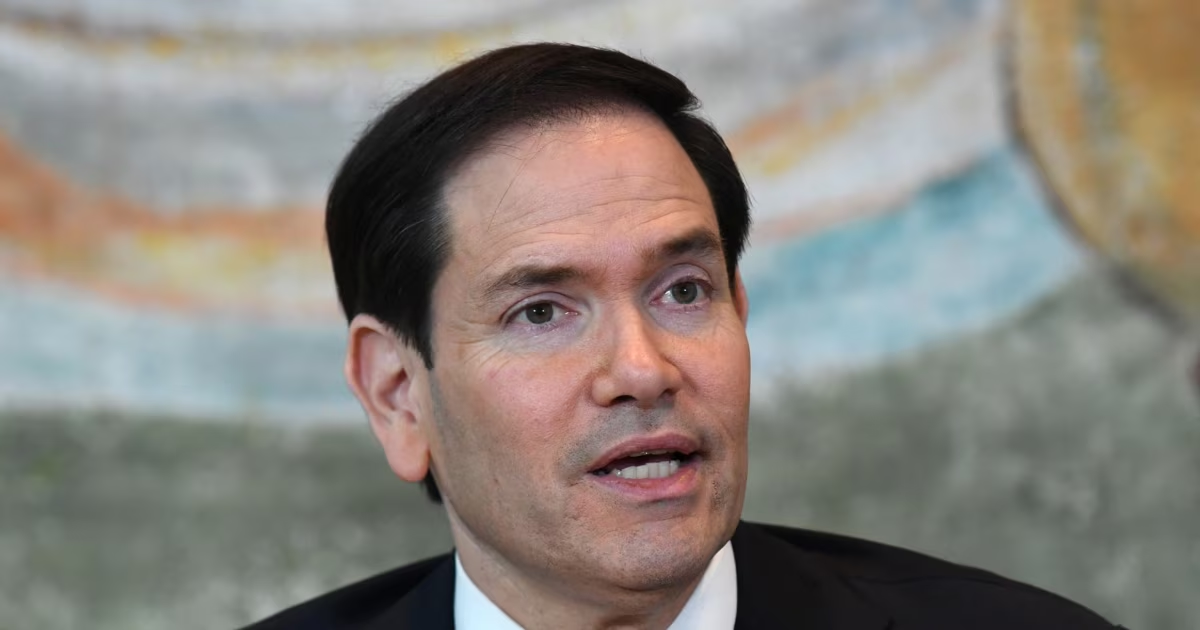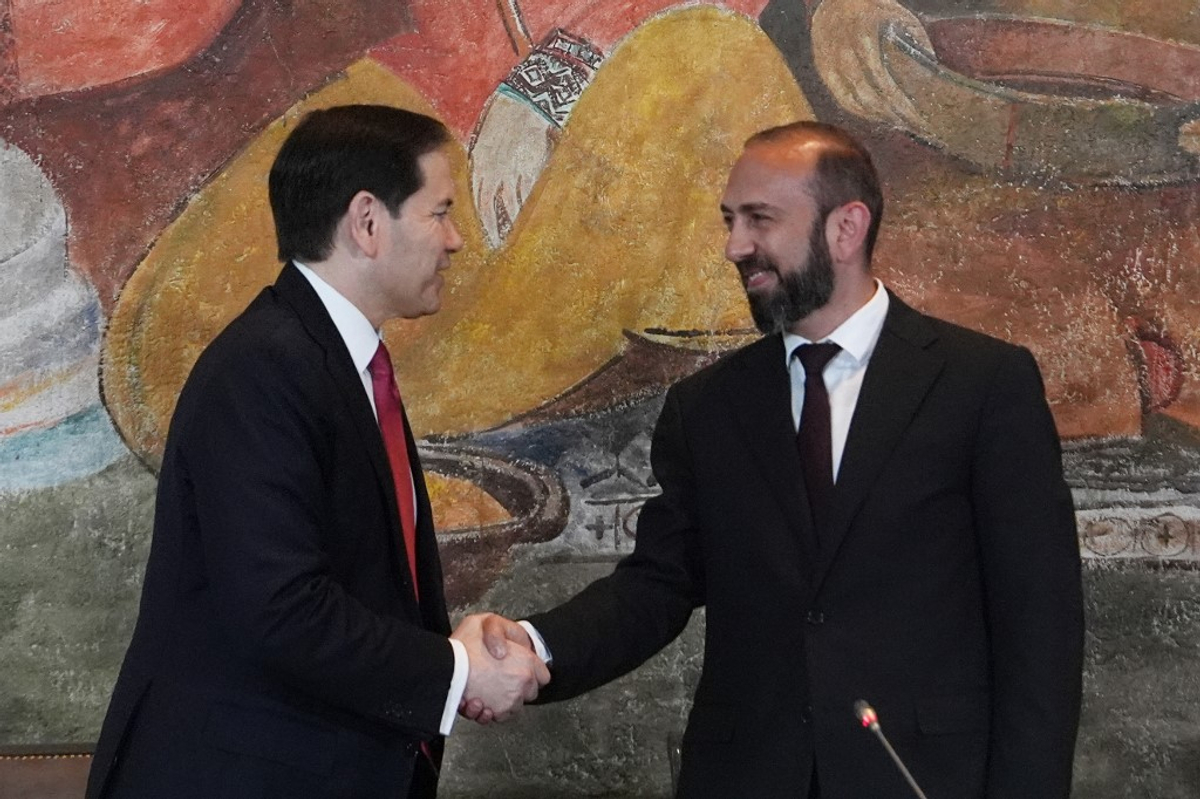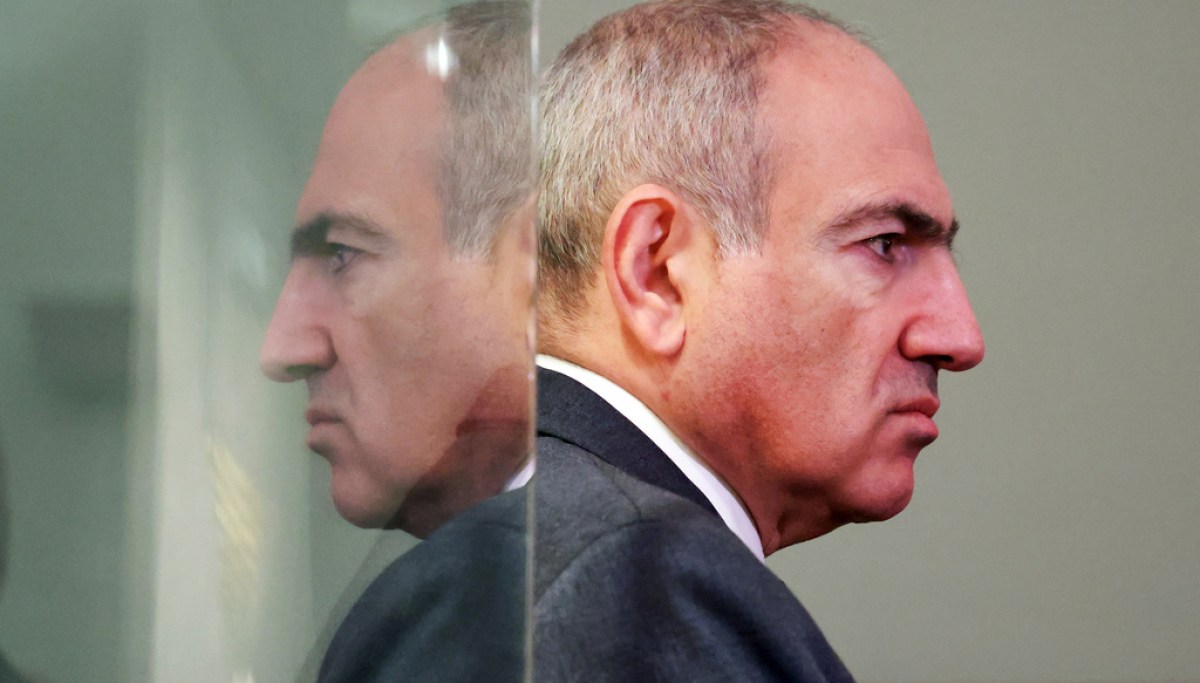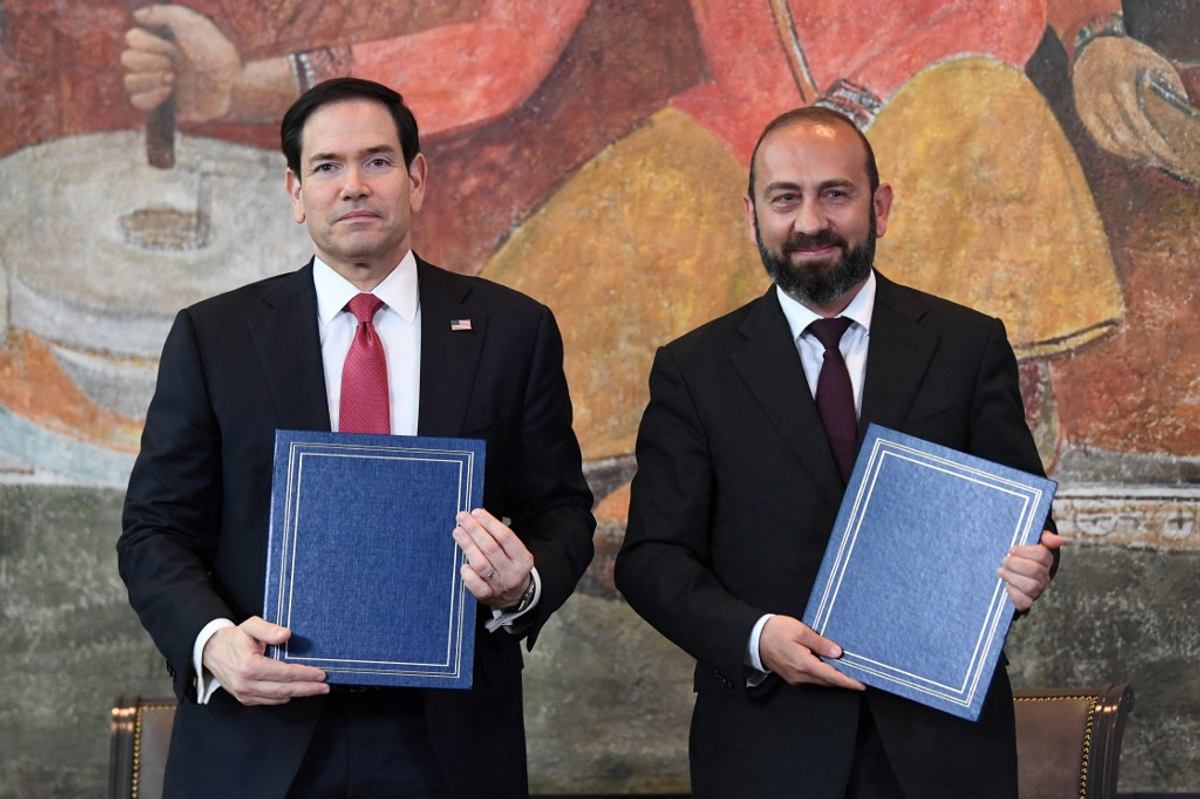
The South Caucasus has long been treated by the Kremlin as its exclusive geopolitical backyard – a region where even modest dissent can bring swift retaliation. US Secretary of State Marco Rubio’s landmark arrival in Armenia – the first visit by America’s top diplomat to the country since 2012 – represents a direct challenge to Russian intimidation.JOIN US ON TELEGRAMFollow our coverage of the war on the @Kyivpost_official. Rubio’s meeting with Armenian Foreign Minister Ararat Mirzoyan produced a Comprehensive Strategic Partnership Charter, alongside a framework agreement for the “Trump Route for International Peace and Prosperity” (TRIPP), a key transit corridor connecting Azerbaijan to its Nakhchivan exclave through southern Armenia. By anchoring Washington directly to the economic and logistical future of the South Caucasus, the US is undercutting Moscow’s regional security monopoly. Moscow claims TRIPP runs counter to Armenia’s interests and instead promotes its own Meghri corridor concept, which envisages stationing Russian FSB personnel along the route. The timing says it all Rubio’s plane touched down in Yerevan less than two weeks before Armenia’s high-stakes June 7 parliamentary elections. In the vote, Prime Minister Nikol Pashinyan’s reformist government faces a well-funded push from pro-Russian opposition factions seeking to drag Yerevan back into Moscow’s orbit. For months, Russia has engaged in an overt campaign of intimidation to force Armenia into submission. Since Pashinyan began freezing Armenia’s participation in the Russia-led Collective Security Treaty Organization (CSTO) and pivoting toward Western partnerships, Moscow has actively intensified its political and economic pressure over the Pashinyan administration.
Washington Backs Armenia Without Saying Too Much
The Secretary of State’s brief airport stop signaled support for Armenia’s sovereignty while avoiding rhetoric Moscow could weaponize before the vote.
880 words~4 min read