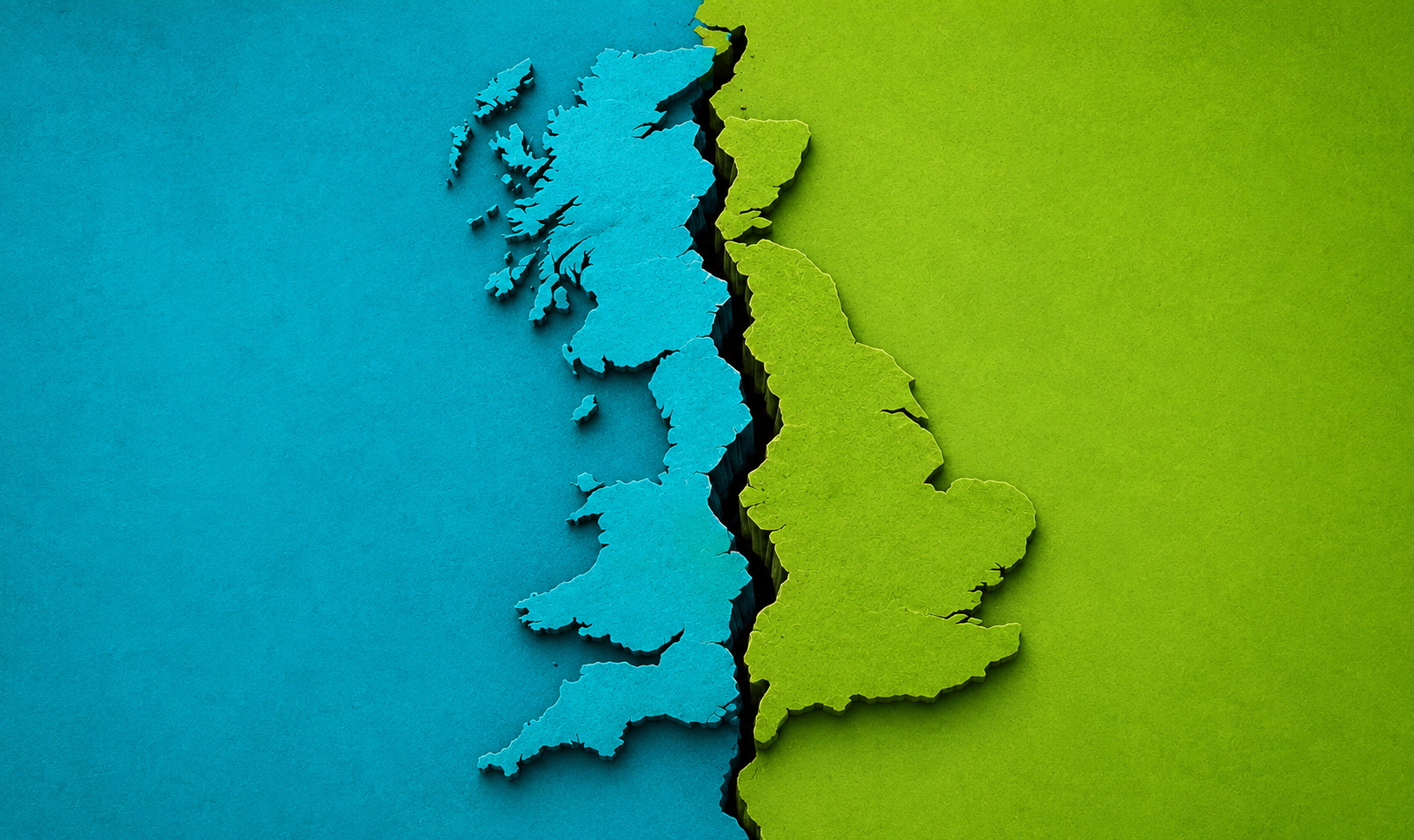
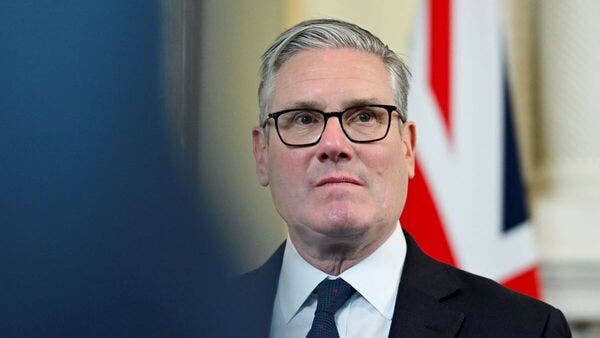
British voters have delivered a massive jolt to their political establishment. The latest local council elections saw the demolition of the two old parties that have governed Britain for over a century, with voters migrating in significant numbers toward insurgent alternatives. The crisis is still unfolding.
It is messy and deeply humbling, particularly for the Labour Party leaders. But it is also democracy doing precisely what it is designed to do by forcing a tired political elite to reckon with its own obsolescence. Britain’s political turbulence, for all its drama, is a system renewing itself. The institutions are absorbing the shock. And somewhere in that churn, an emerging governing class is being tested and shaped.
In contrast, the urgent question Nigeria has avoided for too long is this: does the country have any mechanism, any at all, for the peaceful and organic replacement of a governing elite whose time has passed? The honest answer is no, and the consequences of that absence now define the country’s unsightly political condition.
Nigeria has repeatedly tried to clean its stables before, but the efforts often ended badly. In 1976, Generals Murtala Mohammed and Olusegun Obasanjo arrived with brooms, declaring war on the entrenched bureaucratic class. The “super permanent secretaries” (men who had quietly become the real power behind government), were swept out in a flurry of dismissals. The system shuddered, but did not transform. New occupants settled in and invented worse arrangements.