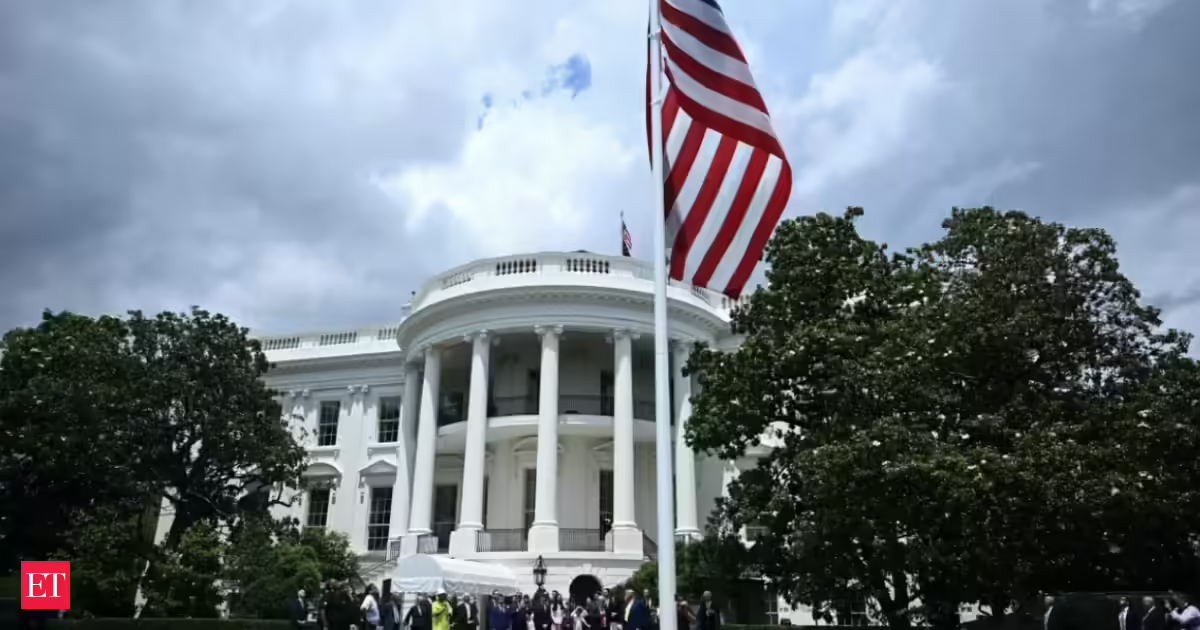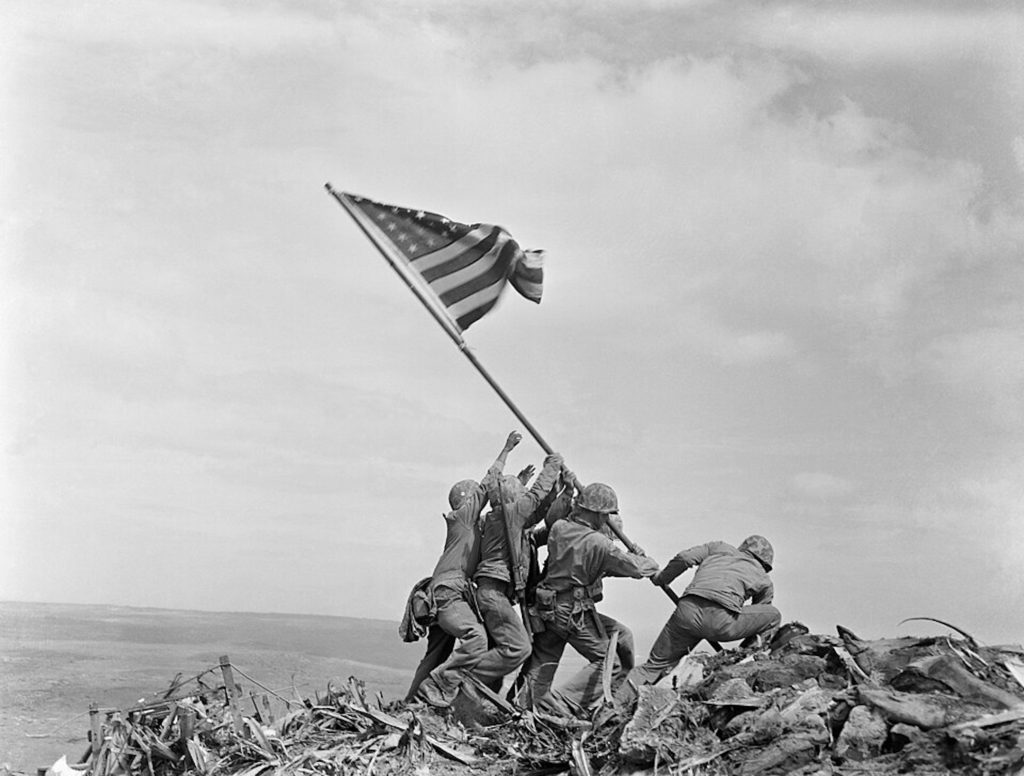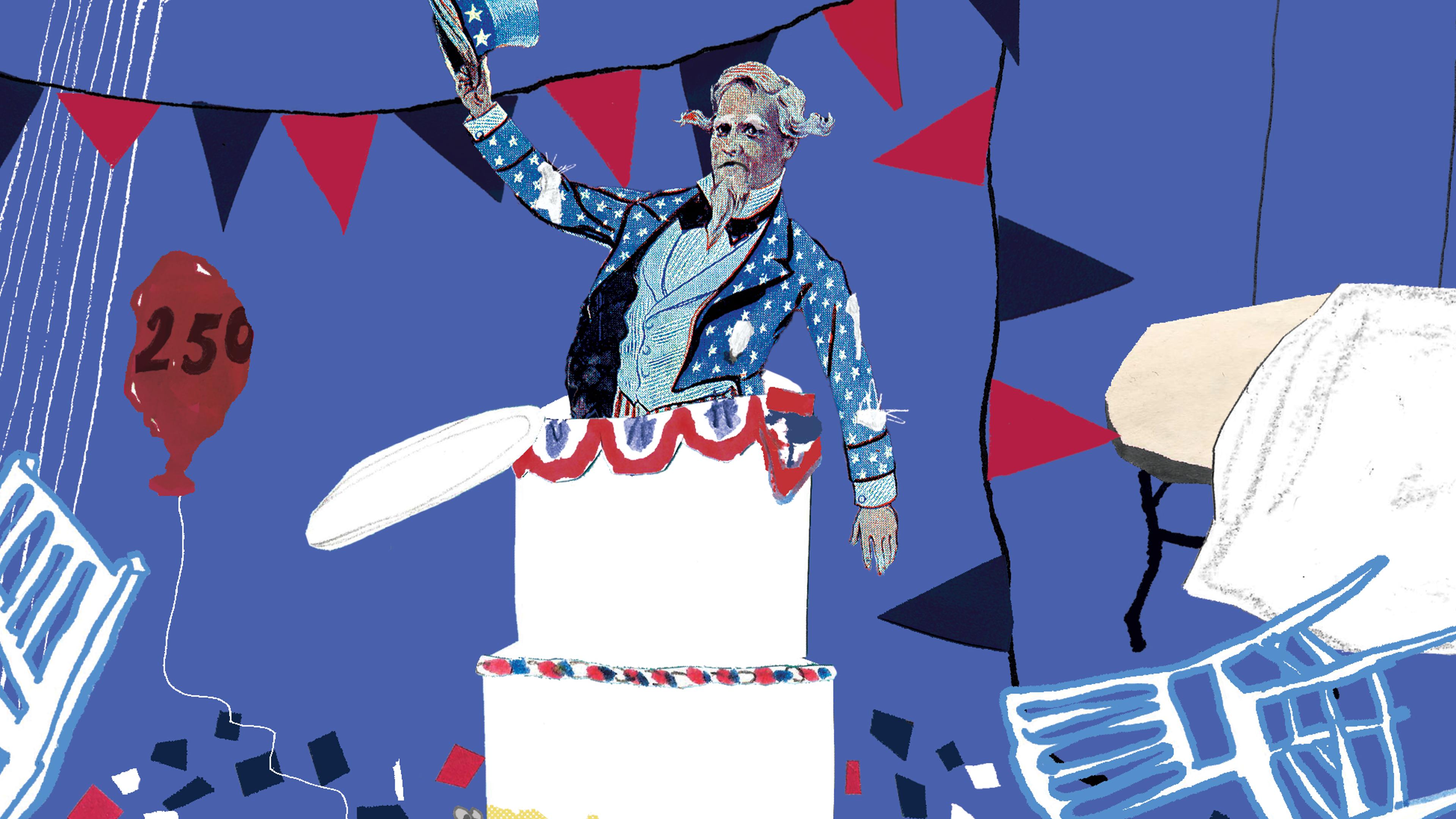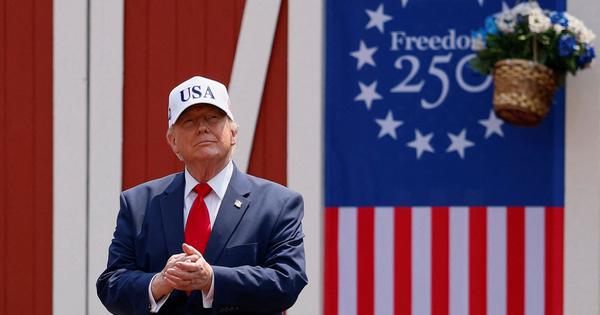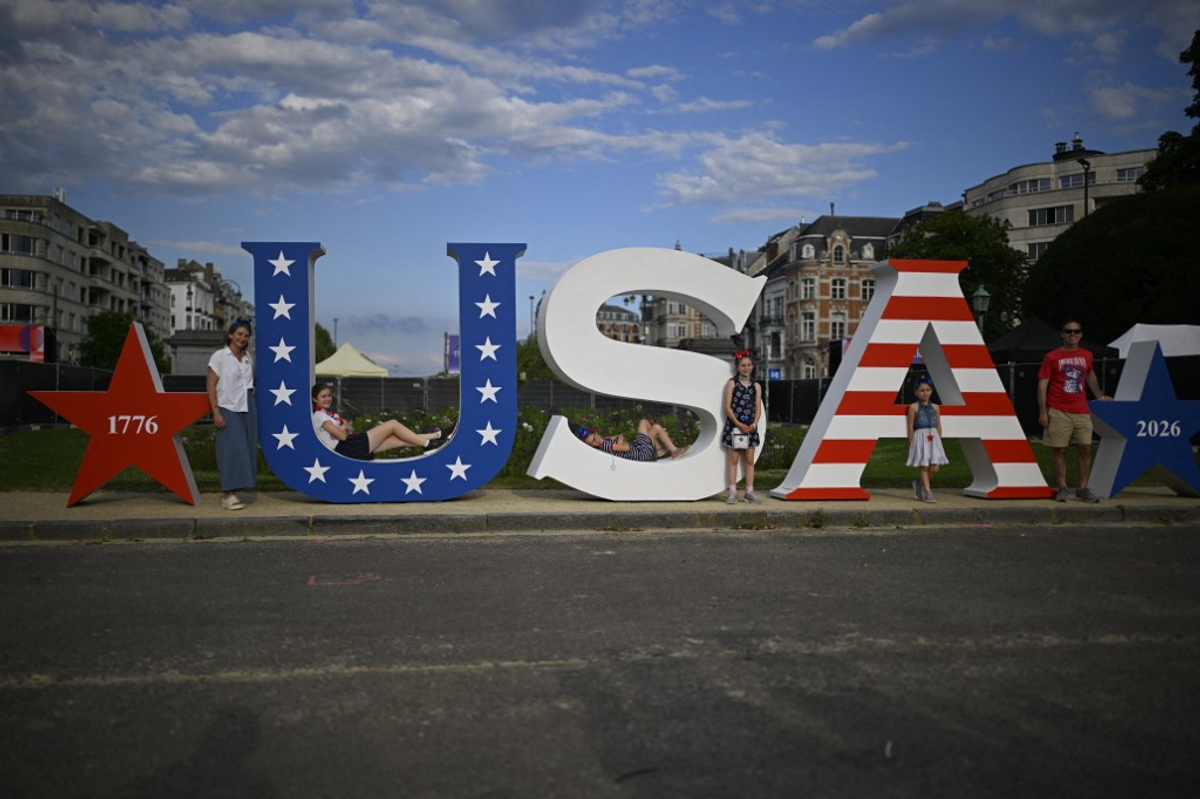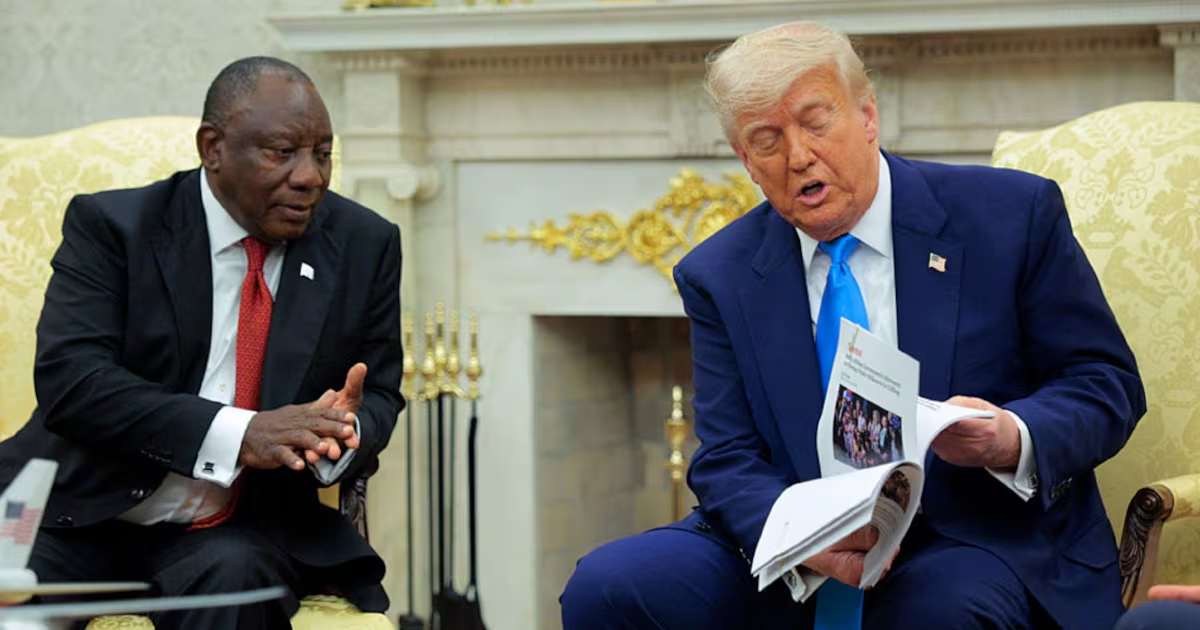
In a month Americans will celebrate 250 years of the establishment of the US. This is a moment of deep reflection for them, their friends, allies and enemies worldwide. For much of the past century the US has enjoyed the status of the world’s unrivalled superpower. This has come with mostly admiration and, at times, jealousy and resentment. One of the union’s biggest achievements was the export of its culture around the world, including American English, which since the late 20th century has become the most influential form of the language worldwide. Another admired trait of the US is its checks and balances system of democracy. As well as its hard power, deployed in far-flung areas to supposedly protect its national interest, its use of soft power became one of its strengths. Whether Democrats or Republicans were in charge of the White House, Americans were among the first to arrive at the scene of a humanitarian crisis, be it man-made disasters or acts of God. During global crises such as the Aids pandemic in Africa, US administrations directed billions of dollars to contain the disease in the developing world. American taxpayers gave generously through the now-defunct US Agency for International Development (USAid). Having co-founded international institutions such as the World Bank, IMF, the UN, World Health Organisation and the World Trade Organisation, successive American administrations contributed generously to support them. Americans generally cared about the struggles of other peoples of the world. Alongside the multipronged anti-apartheid struggle in and outside the country, the US Comprehensive Anti-Apartheid Sanctions Act helped make apartheid unviable and contributed to the 1994 breakthrough. Today, hundreds of US companies sustain thousands of jobs in this country. In the 1990s the US introduced the Africa Growth & Opportunity Act (Agoa) ― a unilateral law that grants thousands of African exports duty-free and quota-free access to the US market. On occasion it has withdrawn Agoa’s benefits to whip beneficiaries into line. South Africa lives in constant threat of being removed from the scheme, which has been a significant benefit to mineral, car parts and agricultural exporters. People-to-people relations have flourished, bolstered by a well-regarded international visitors’ programme to the US. After South Africa’s first all-race elections in 1994 many Americans made South Africa their home and the US remains home to many South Africans. Trump turbulenceHowever, as the 250th anniversary of America’s founding approaches, US friends, allies, enemies and Americans are understandably anxious about the future of the country, its role in world affairs and relations with the world. Since returning to the White House last year as the 47th US president, Donald Trump has caused turbulence in geopolitics. In effect, he has turned his and America’s backs to the world and started wars he is battling to end. Last year he bombed Iran and claimed to have obliterated its nuclear ambition. This year he joined Israel in launching months-long air strikes before stop-start negotiations with Tehran. Inexplicably, this week he resumed the strikes on Iran while the talks were ongoing. The war has caused havoc in global oil markets. Hardship has spread across the world, including in the US. Trump has also turned on his Western allies, whom he derides as spongers. Consequently, the war against Iran is supported only by two countries: the US and Israel. Critically, last year he imposed tariffs on most of the US’s trading partners and sought to replace multilateral trade arrangements with “the deal”, his brand of bilateral trade agreements. The tariffs, including 30% on South Africa’s exports, are disrupting global supply chains. Small businesses are being driven to the wall. More concerning has been Trump’s regime change agenda, including interference in the domestic affairs of other countries. Apart from Iran, he kidnapped Nicolás Maduro, Venezuela’s president, and is now threatening neighbouring Cuba. South Africans have been bemused by his bizarre plan to resettle Afrikaner “refugees”, who he believes have “lost their land” and are victims of a “white genocide”. This is a great pity, for Americans are generally a caring people. Trump’s wars have hardly made America safer. Instead, they have fuelled resentment against this great nation. It will be up to American citizens to decide what they want their country to look like in another 250 years: a vanishing dot on the globe or the engaged moral giant it could be at home and abroad. For the world, still staggered by the uncertainty, it is worth remembering that this moment will not last forever. Nothing ever does. • Dludlu, a former Sowetan editor, is CEO of the Small Business Institute.
JOHN DLUDLU | Can the US find its way back at 250?
The nation faces rising isolationism, global unrest and shifting foreign policy under Trump
761 words~3 min read