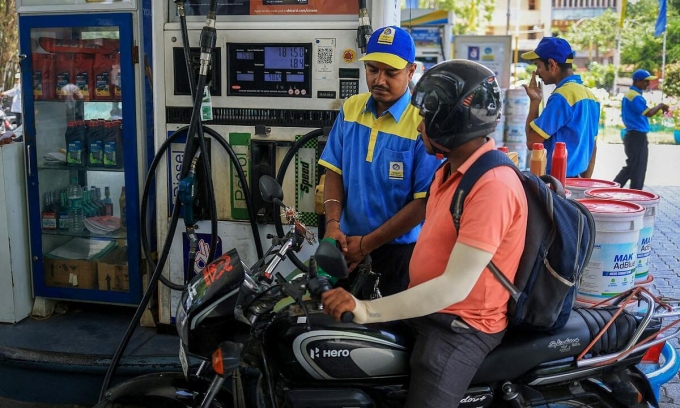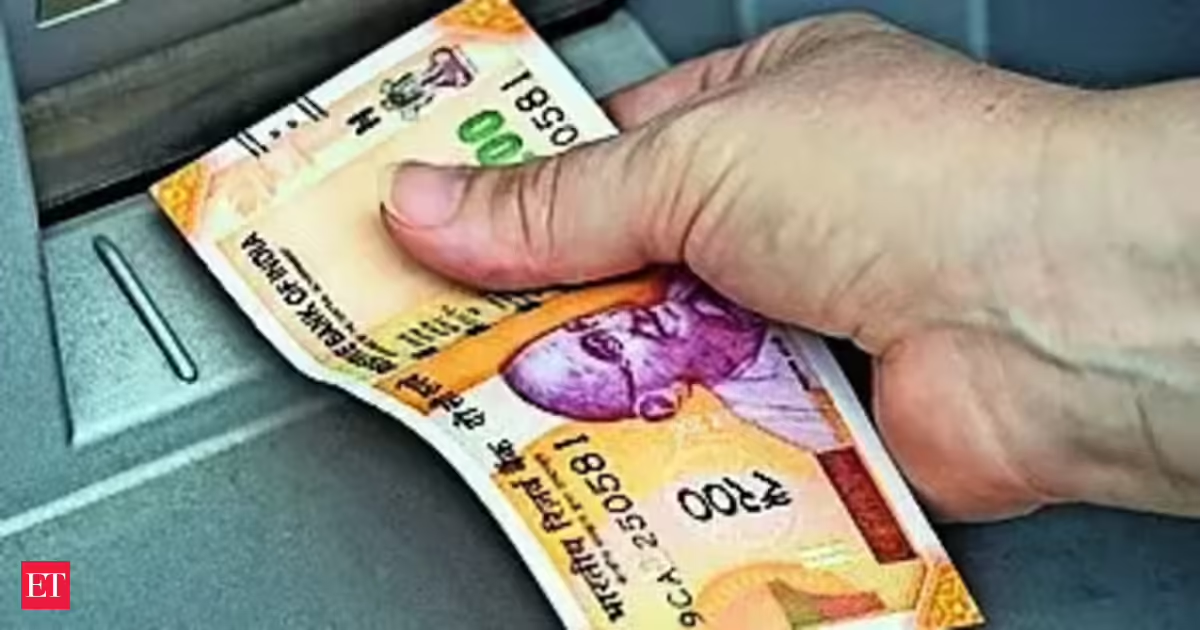
Mumbai: Cash logistics companies including CMS Info Systems, Brink's India and SIS Prosegur have approached the Indian Banks’ Association (IBA) seeking higher ATM replenishment charges, warning that soaring fuel prices and rising minimum wages are sharply increasing the cost of cash operations.In a letter to IBA chief executive V G Kannan, Currency Cycle Association (CCA), the industry’s self-regulatory body, said operating costs could rise 15–20% in the near term and called for an urgent pricing realignment to ensure uninterrupted ATM cash services. CCA secretary general U S Paliwal said fuel is expensive.“Fuel prices have increased and continue to rise due to prevailing geopolitical developments and volatility in global crude markets, directly impacting cash van movement and route operating expenses,” US Paliwal, secretary general of Currency Cycle Association, wrote. “Upward revisions in minimum wages across several key states have materially increased the overall operational cost. The cumulative impact of these developments is estimated to result in an overall near-term industry cost escalation of approximately 15–20%.”Cost pressures are being compounded by a demand-supply gap in cash fulfilment, which has led to an increase in replenishment trips. Between November 2025 and March 2026, the industry saw an 11-12% increase in ATM replenishment trips, pushing up fuel costs by an estimated 8–10%, industry insiders said.Paliwal told ET the industry is also exploring rationalisation of replenishment trips to manage costs, potentially reducing visits to two or three times a week at ATMs where daily replenishment is not warranted. “Suppose we go to the ATM on a daily basis, but there is still 50–60% cash left in the cassette. Instead of that, wherever daily replenishment is required, we will do it, and wherever it is not, we can do it twice or thrice a week,” he said.
ATM cash loaders demand more money to cover increasing expenses
Cash logistics firms are urging banks for higher ATM replenishment fees due to escalating operational costs. Soaring fuel prices and increased minimum wages are pushing expenses up by an estimated 15-20%. A surge in replenishment trips, driven by demand-supply gaps, further inflates fuel expenses. The industry is exploring ways to optimize trips to manage these rising costs.
291 words~1 min read