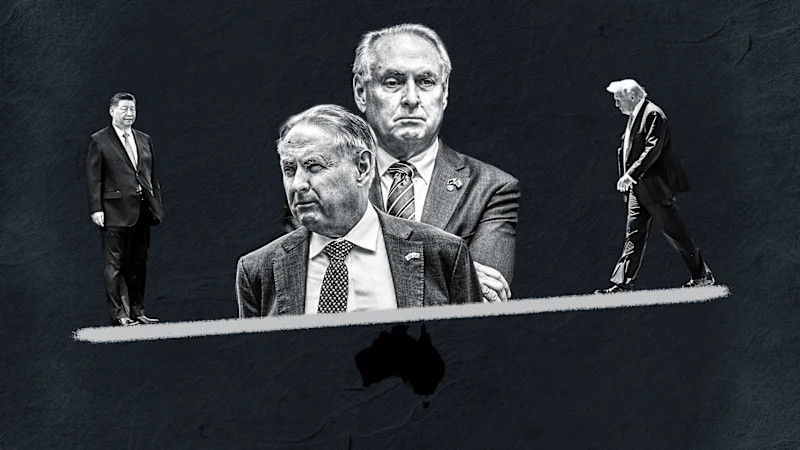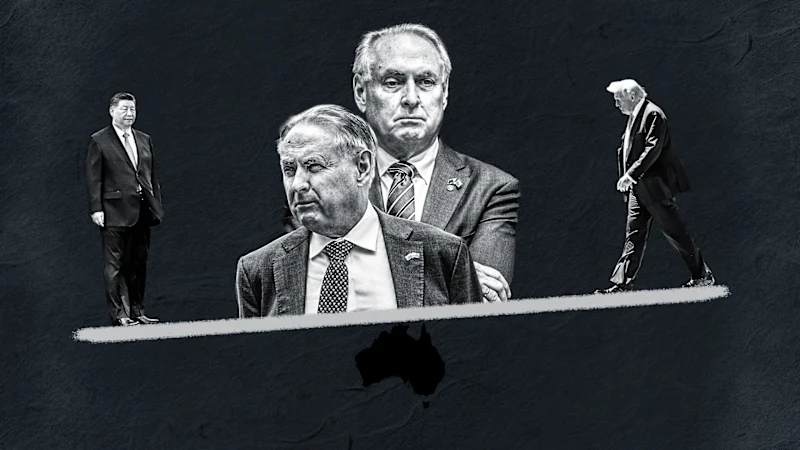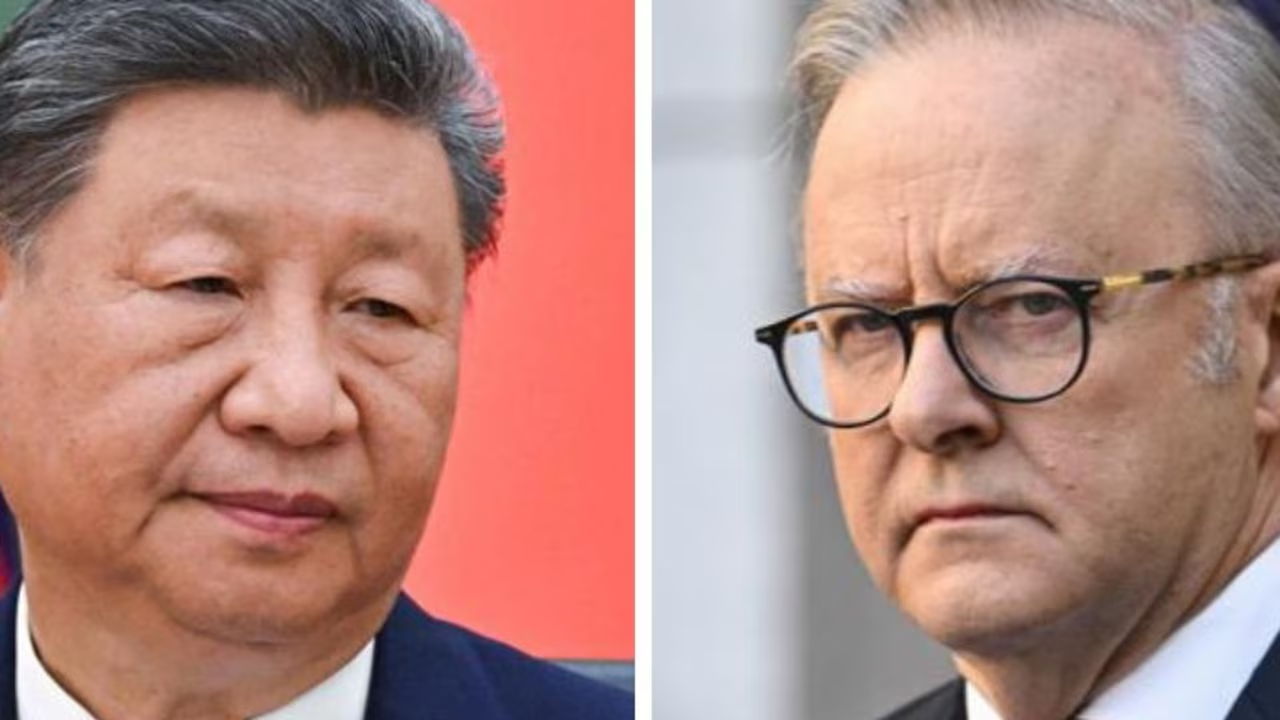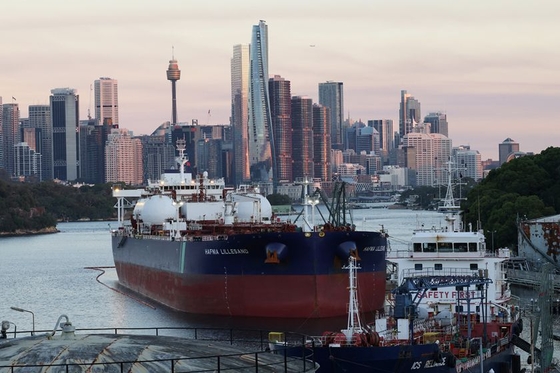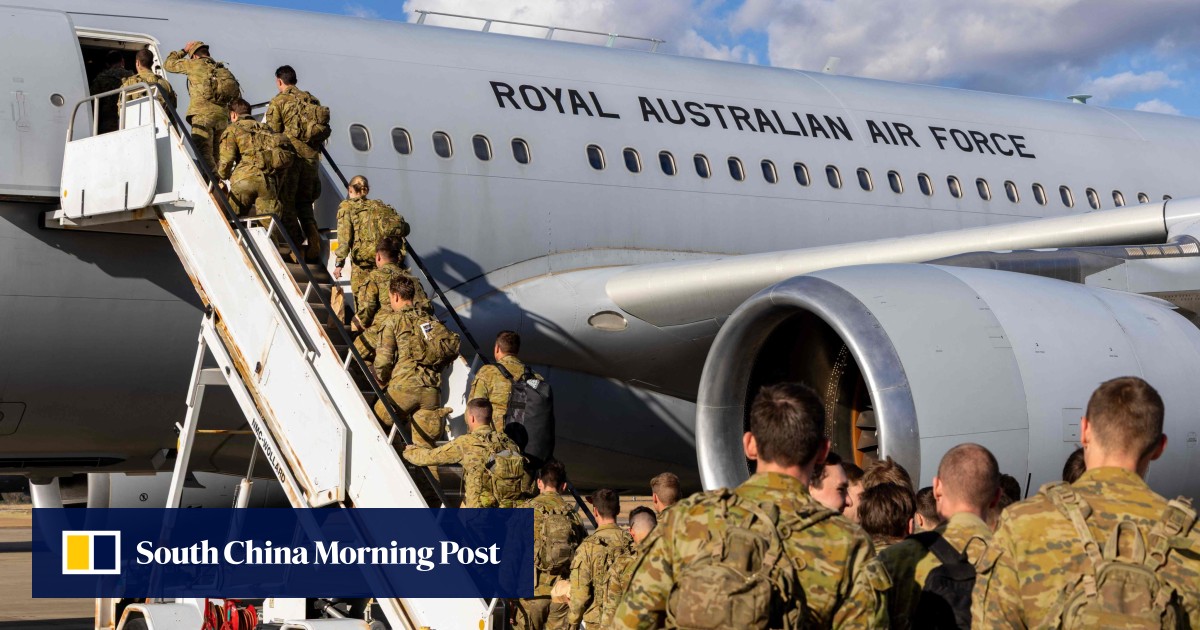
We don’t have to choose. For nearly two decades, this statement defined Australian political and policy elites’ approach to the country’s principal strategic dilemma. Canberra’s security and defence policy was bound to the United States through its alliance, while its economy was propelled by China’s appetite for Australian exports. Australian leaders believed they could, with some judicious diplomacy, maintain beneficial ties with both sides indefinitely.
This approach was informed by optimism about the geopolitical circumstances of the early 21st century and rested on core assumptions about Chinese and US behaviour that have proven badly misplaced.
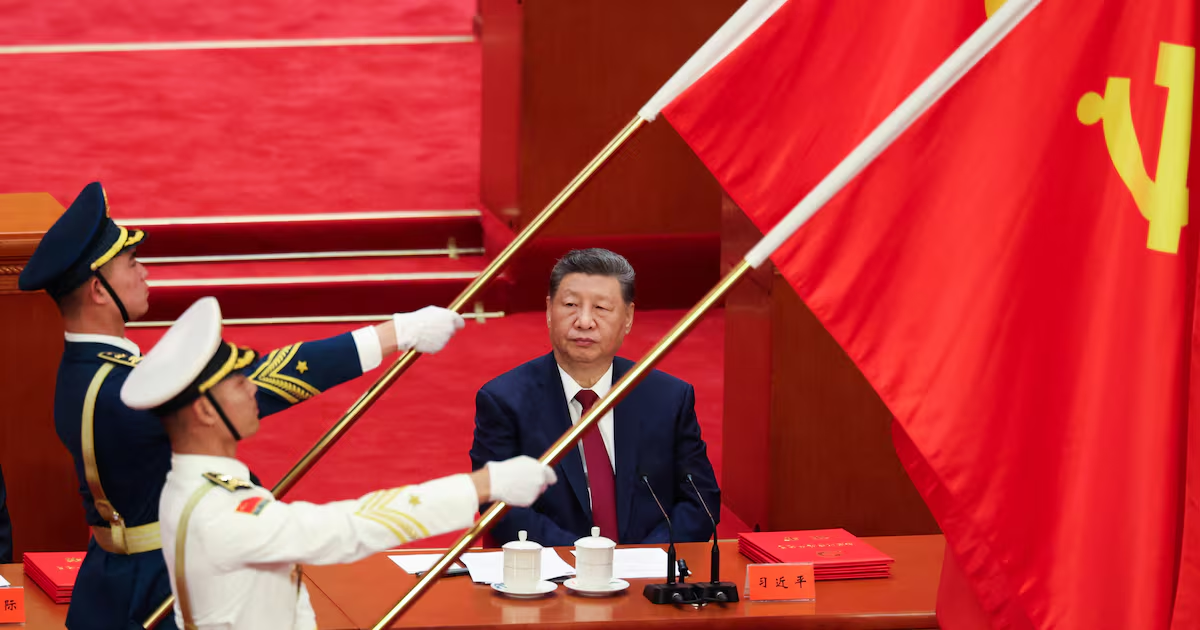
Like others, policy leaders in Australia assumed that China’s post-Mao political settlement would endure. The Chinese Communist Party had tied itself to economic growth, requiring a technocratic approach to domestic governance as well as a moderate and risk-averse foreign policy. Canberra presumed that China would always have leaders like former Chinese president Jiang Zemin.
Australian decision-makers also assumed that the United States would always approach its interests in Asia as it had for decades. US primacy would underpin the region’s strategic stability, while Washington would support its allies and pursue a broadly liberal approach to international relations.