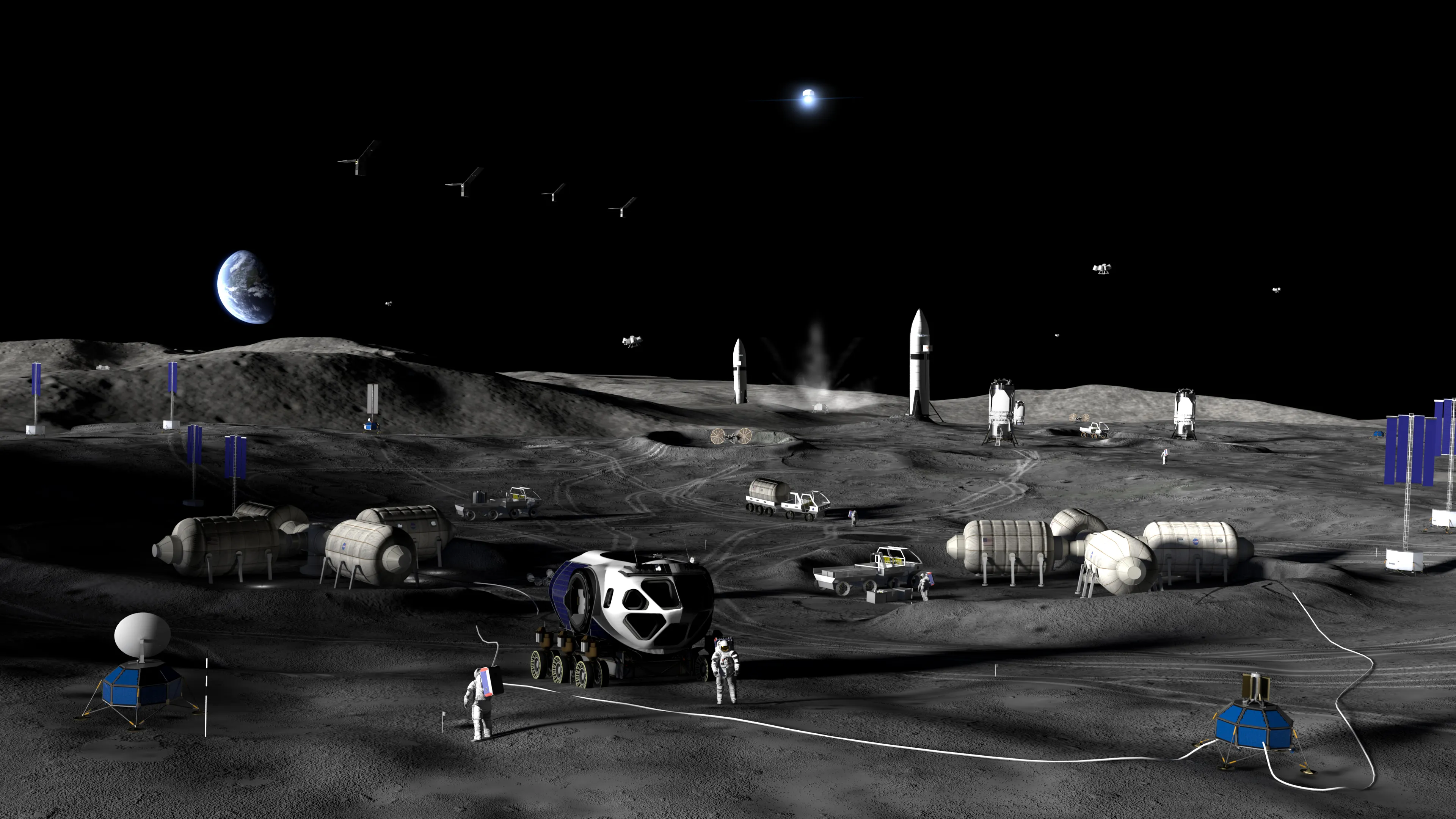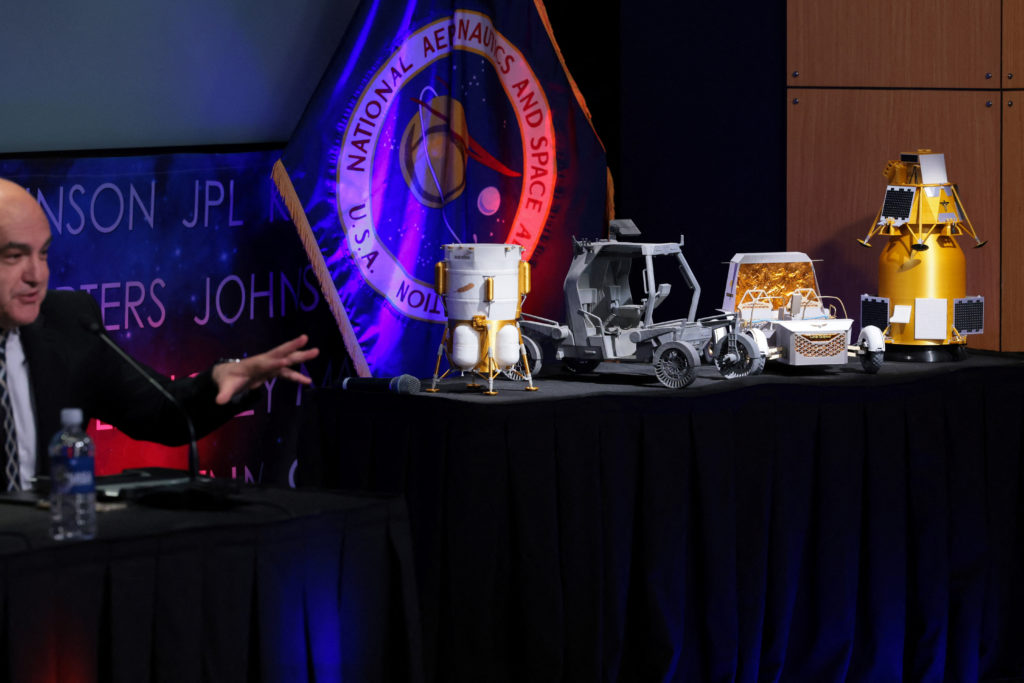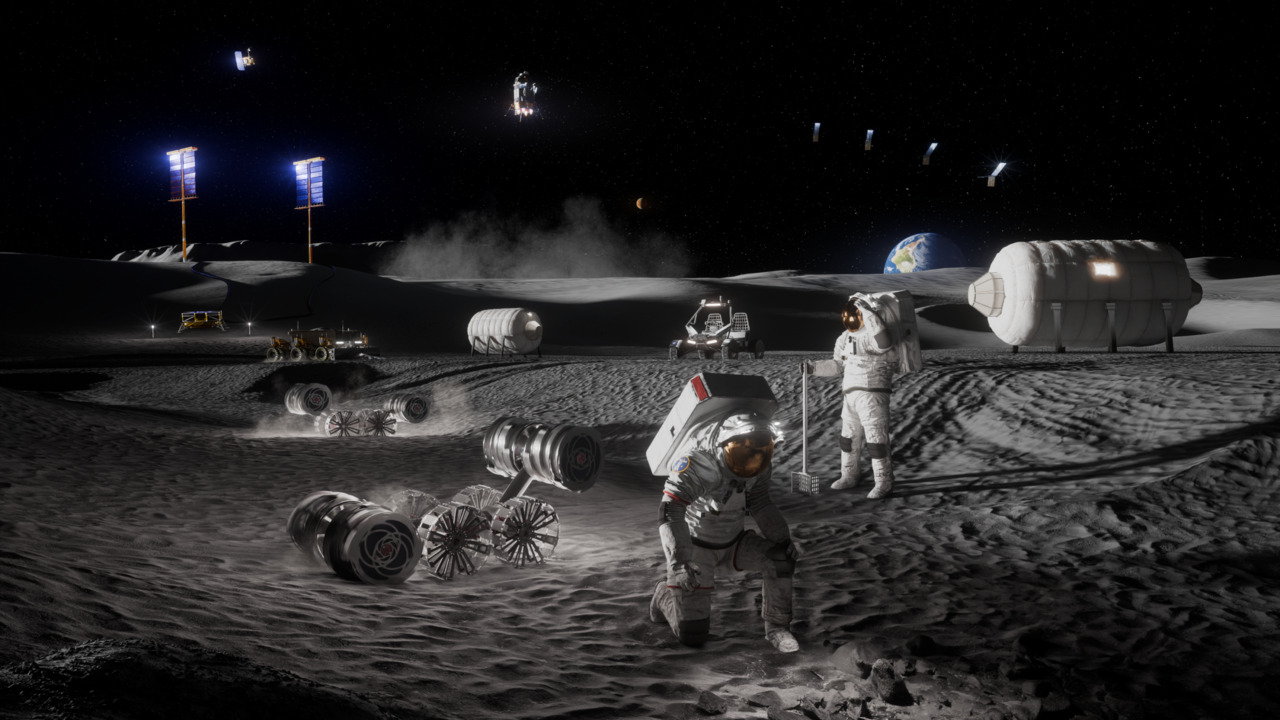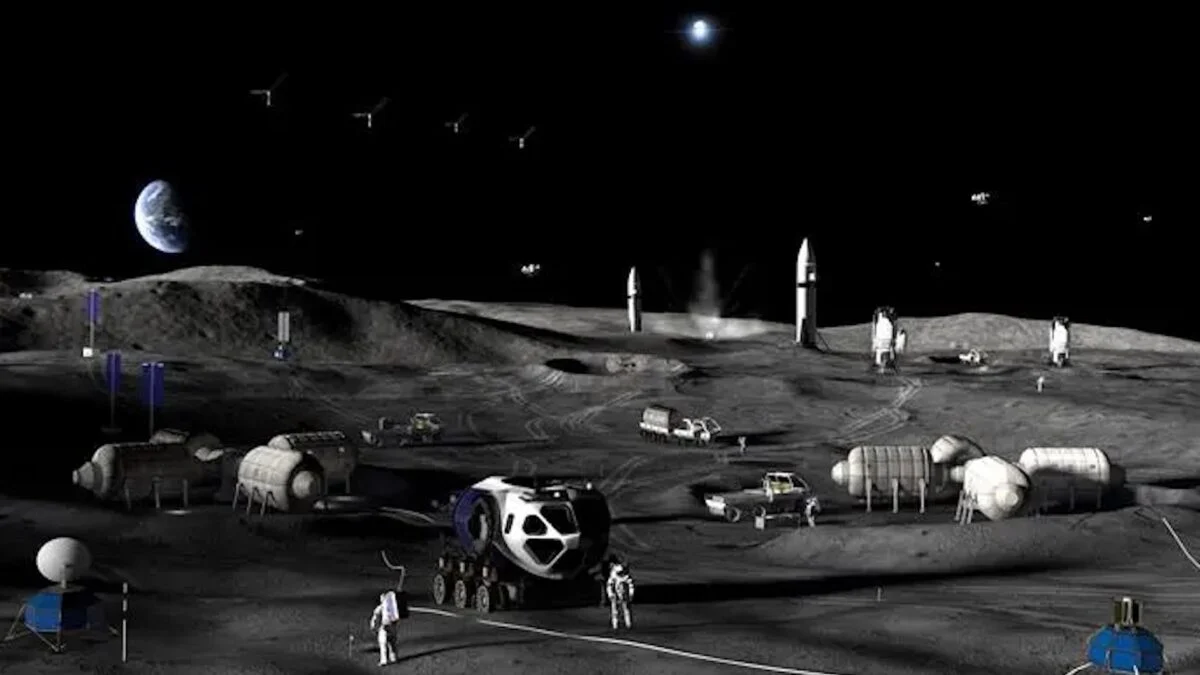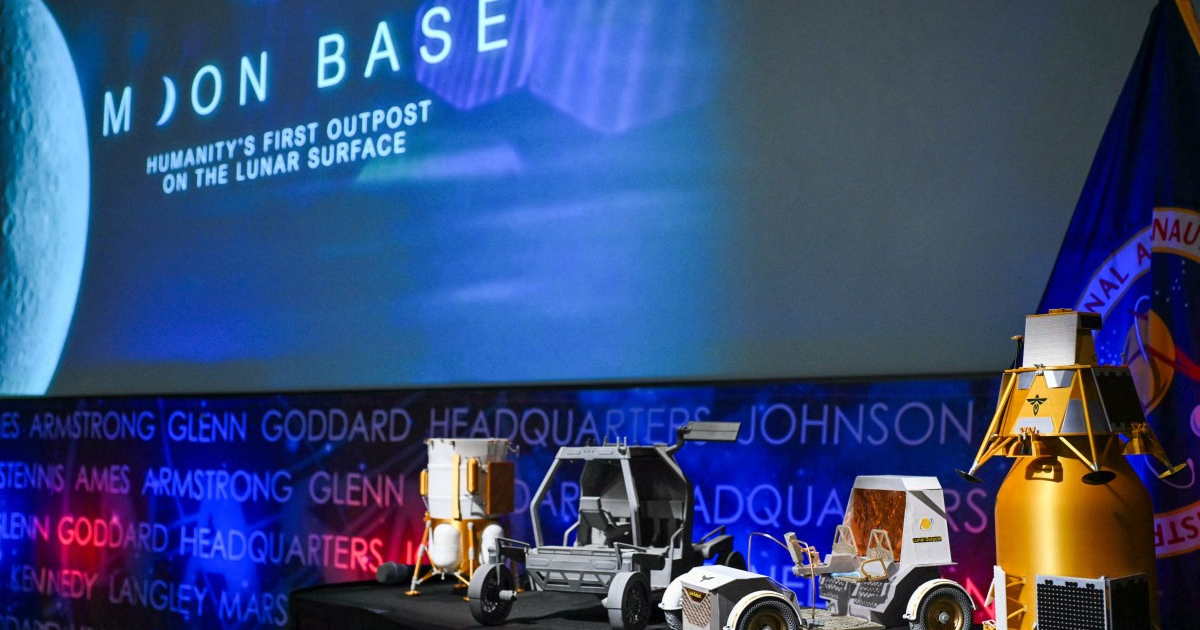
Phase 1 funds rovers, landers and drones to unlock Moon’s South Pole resourcesLast updated: May 27, 2026 | 05:192 MIN READModels of lunar rovers and landers are displayed during a news conference at NASA headquarters in Washington, DC, on May 26, 2026, to outline plans for NASA's "Moon Base" lunar base and progress toward a sustained human presence on the Moon.AFPNasa has officially laid out the first phase of an ambitious Moon Base program that aims to establish a sustained human presence near the lunar South Pole by the early 2030s, awarding nearly $1 billion in contracts to commercial partners for rovers, cargo landers and robotic drones.The plan, announced Tuesday at NASA headquarters, confirms that companies including Blue Origin, Lunar Outpost, Astrolab, Astrobotic and Firefly Aerospace will play central roles in the agency’s phased effort to build semi-permanent infrastructure on the Moon while preparing for future crewed missions to Mars.Get updated faster and for FREE: Download the Gulf News app now - simply click here.
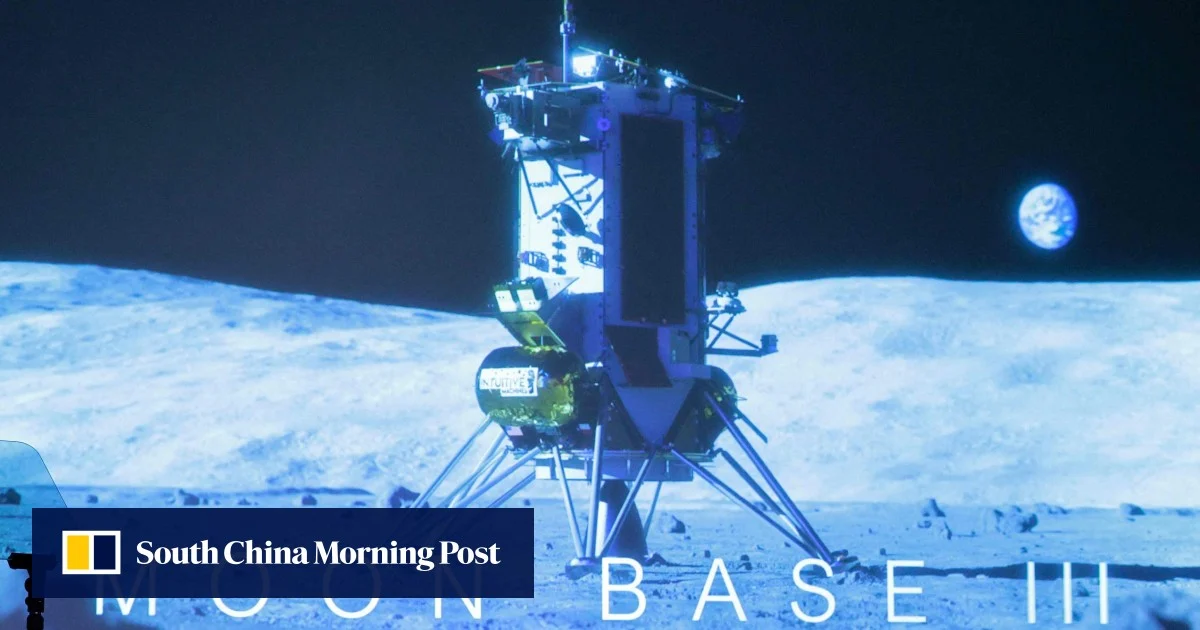
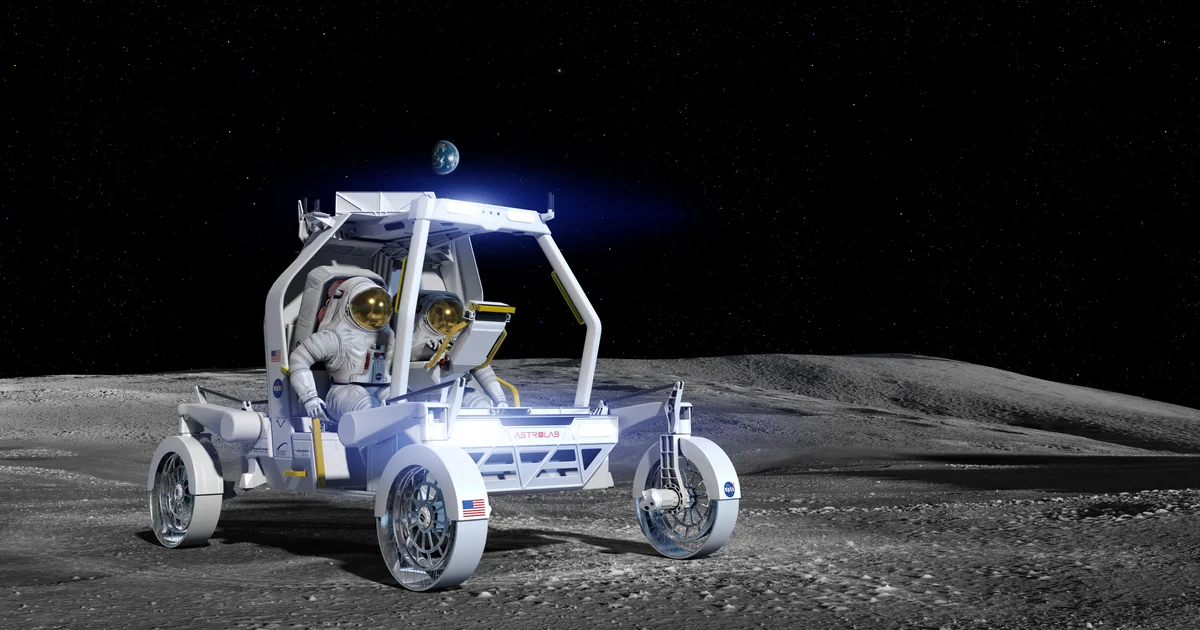
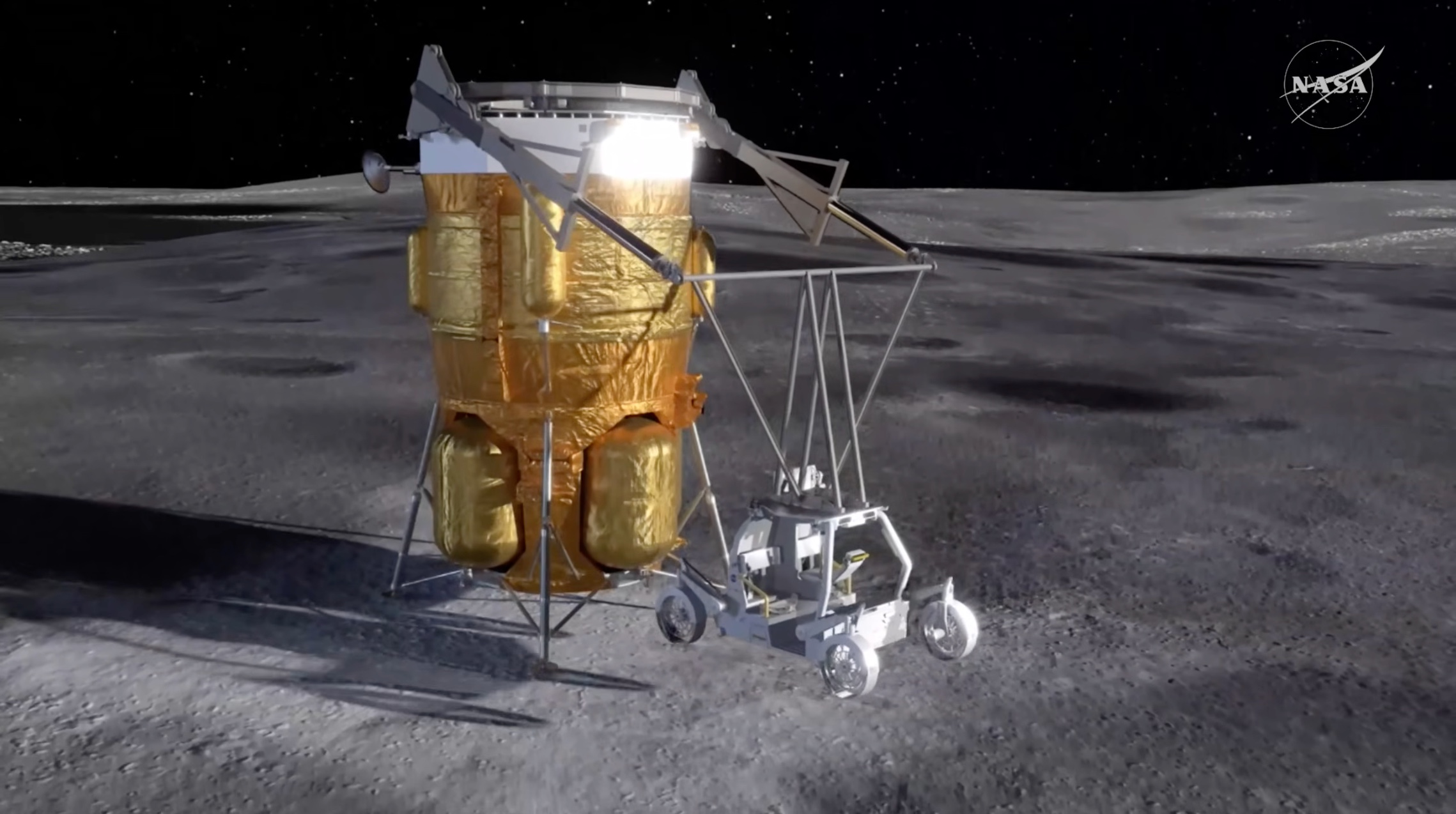
'Repeatable operations'Nasa Administrator Jared Isaacman said the agency is shifting from isolated demonstration missions toward “repeatable operations” built around commercial logistics and surface mobility systems.“The Moon Base will be America’s and humanity’s first outpost on another celestial world,” Isaacman said during the briefing.The first operational mission, known as Moon Base I, is scheduled for no earlier than fall 2026.It will use Blue Origin’s Blue Moon Mark 1 cargo lander — also called “Endurance” — to deliver science experiments and technology payloads to the Shackleton Connecting Ridge region near the Moon’s South Pole.Why Moon's South Pole was selectedNasa said the South Pole was selected because permanently shadowed craters there are believed to contain significant deposits of water ice, a resource viewed as critical for producing drinking water, breathable oxygen and rocket fuel for deeper-space missions.The agency also confirmed additional Phase 1 missions involving Astrobotic’s Griffin-1 lunar lander and Intuitive Machines’ Nova-C spacecraft. Griffin-1 is expected to carry Astrolab’s FLEX Lunar Innovation Platform rover and other international payloads to the lunar surface near Nobile Crater.Under newly announced contracts, Astrolab received roughly $219 million and Lunar Outpost about $220 million to develop crewed and autonomous lunar terrain vehicles, while Blue Origin secured a separate contract worth approximately $188 million to transport the rovers to the Moon.Get Updates on Topics You ChooseUp Next