You have a fundamental problem in software: your code works on your machine, but breaks on someone else's. Different operating systems. Different versions of dependencies. Different configurations. "It works on my machine" is the oldest excuse in development.
There's another problem too: packages. You install npm packages to build things faster. But what if a package has malicious code? What if it goes rogue and tries to access your system files? Without isolation, one bad package can compromise everything.
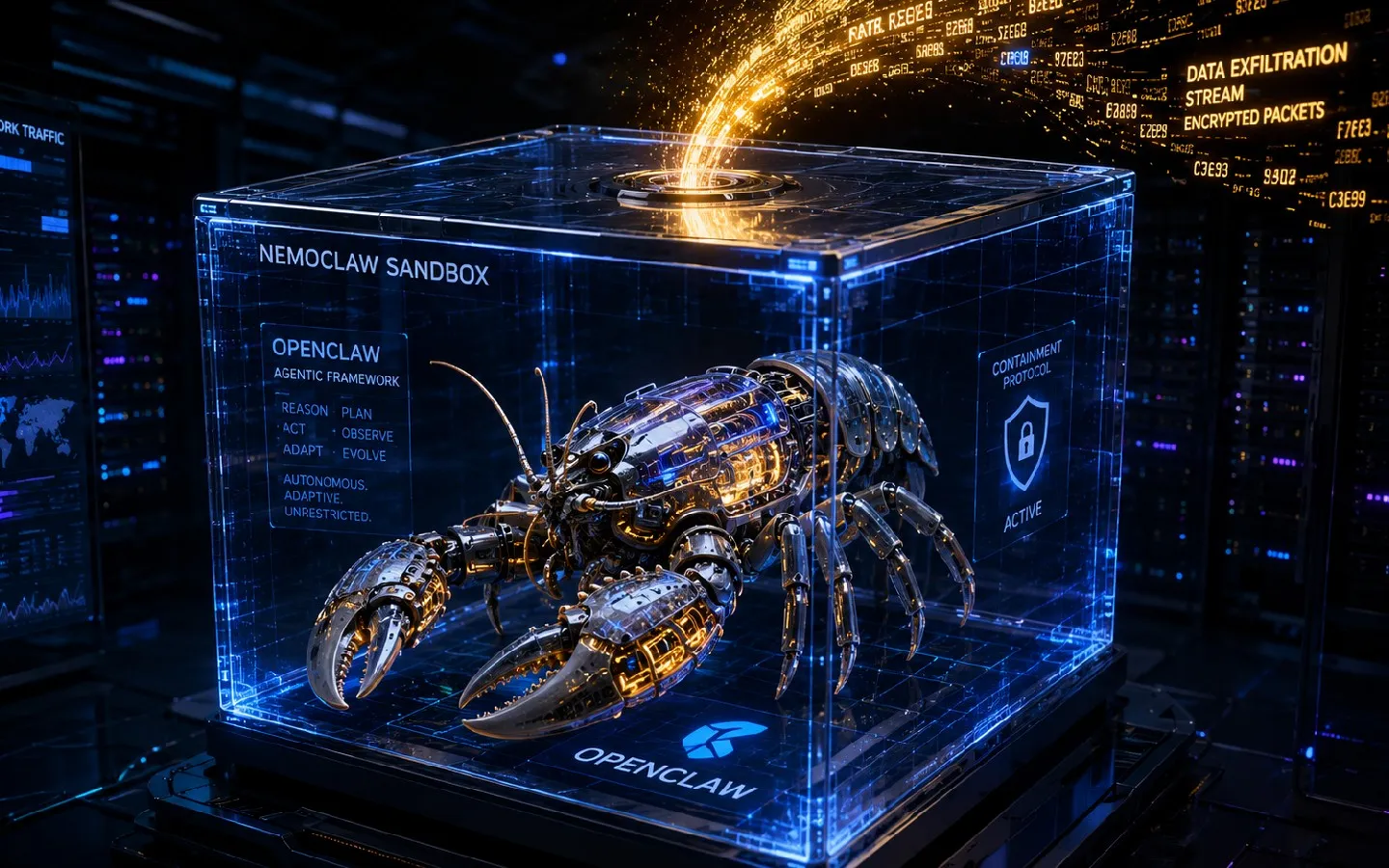
Containers solve both problems. A container packages your application plus everything it needs to run—the exact runtime, the exact dependencies, the exact configuration—into a single, portable unit. It also isolates your application in a sandbox: if a package misbehaves, it's confined to that container. It can't touch your other projects or your system files. The same container runs on your laptop, a colleague's Mac, and a production server. No surprises. No risk spillover.
Docker is the standard tool for building and running containers. This guide teaches you what Docker does, how it works, and why it matters.
Once you understand Docker, we can apply it as a solution for a specific problem: containing an agent—OpenClaw—so it can run without accessing your entire system. We'll set that up, connect it to Discord, and you'll have deployed your first production system.