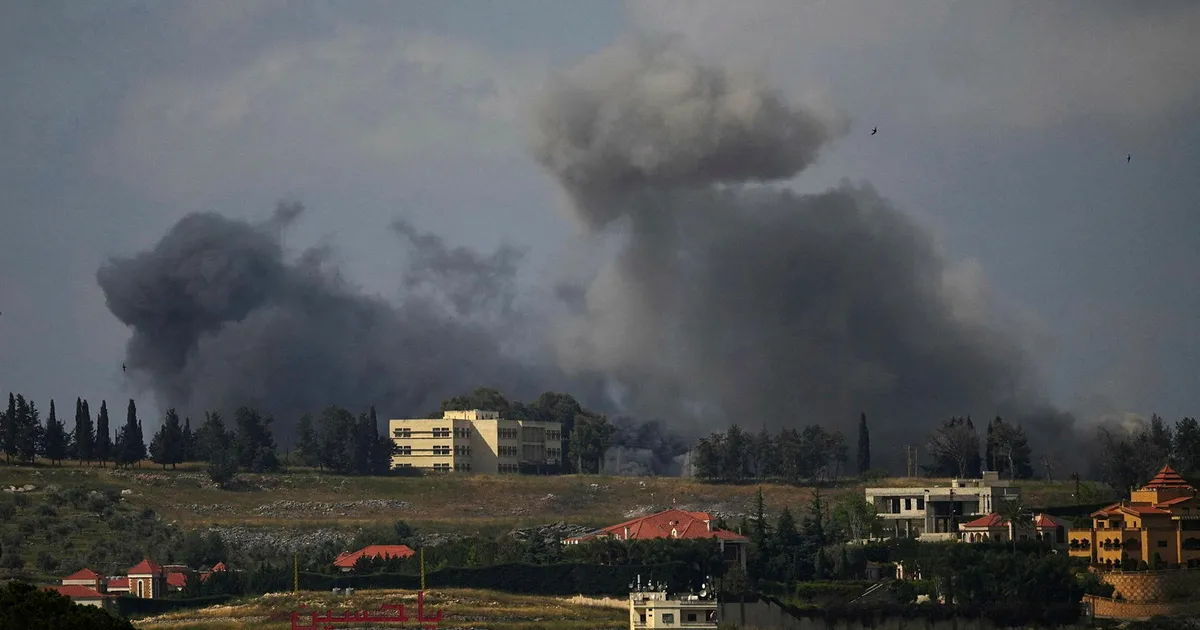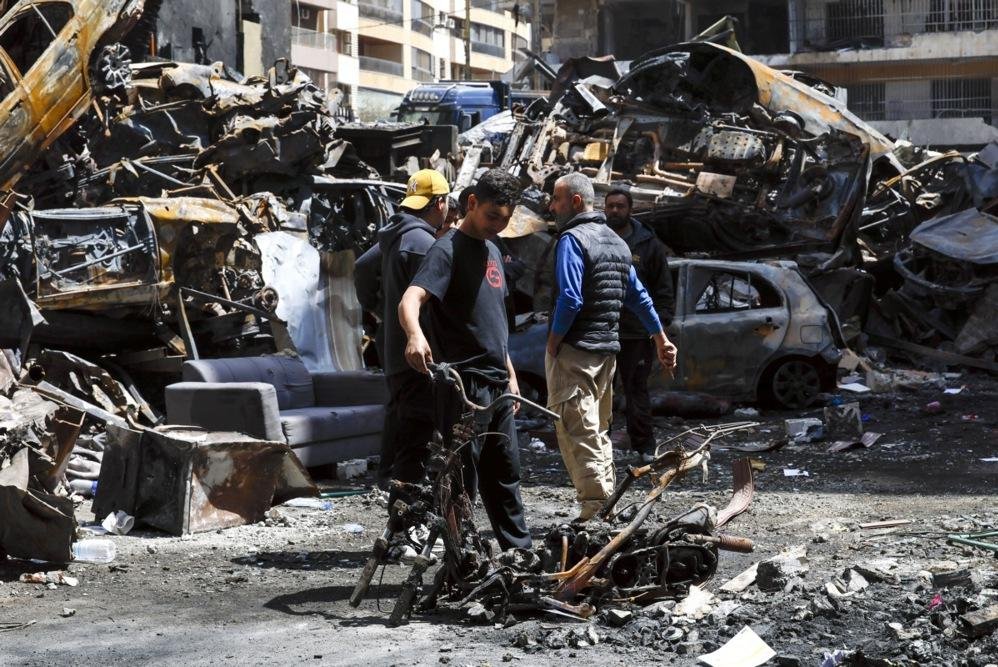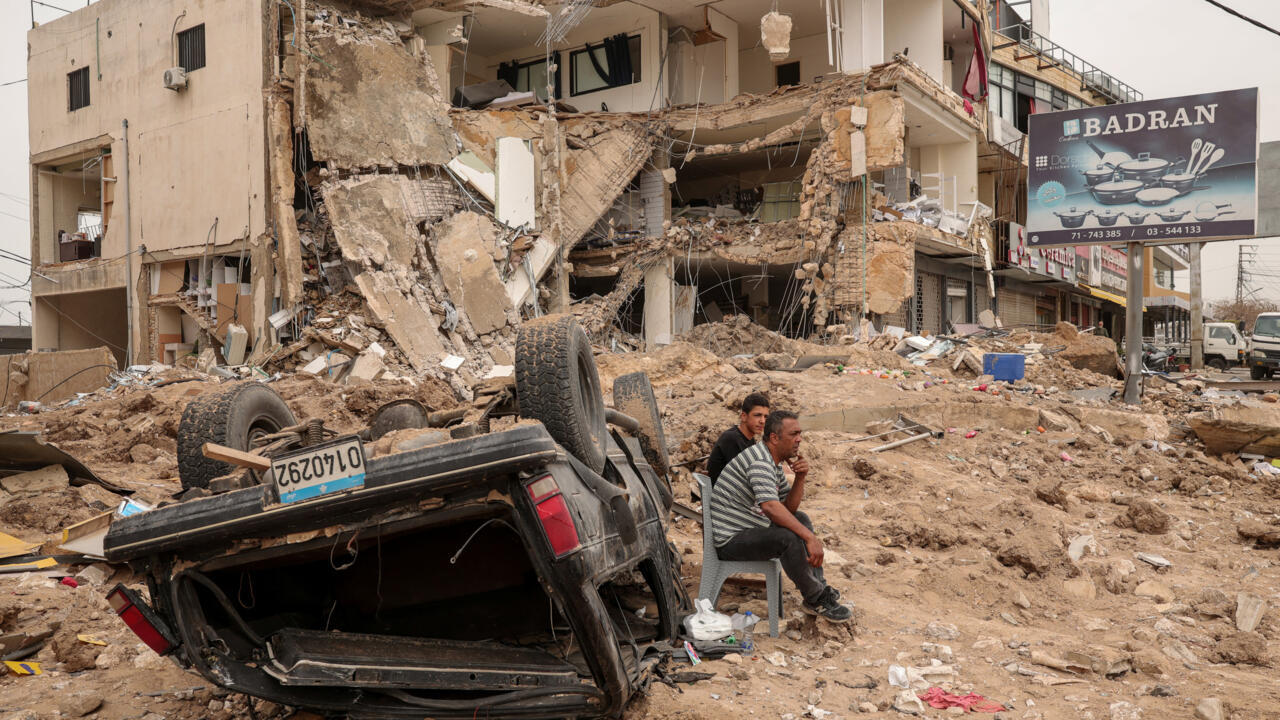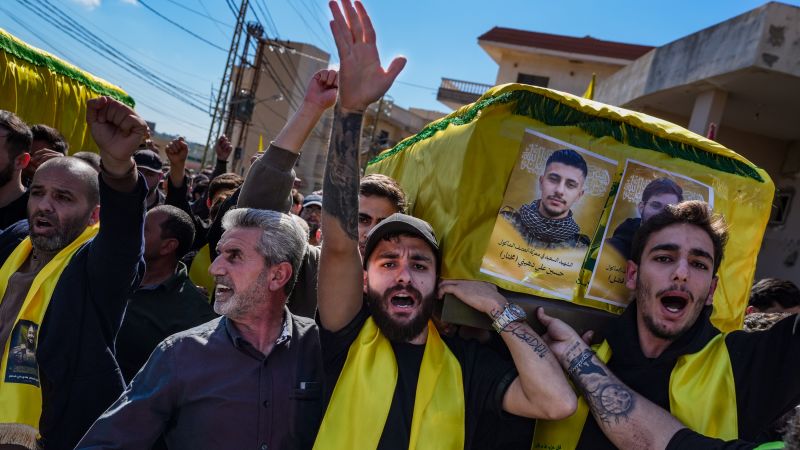
The war that resumed between Israel and Hezbollah on March 2 generated a certain degree of social solidarity in Lebanon against Israeli attacks. However, outside the Shiite community, criticism of Hezbollah became more pronounced as the perception grew that the organization had initiated the conflict.
This situation became more apparent during the direct negotiations that began between Tel Aviv and Beirut in April. This process contributed especially to the emergence of a distinct position among Lebanese Christians regarding anti-Israel sentiment compared to other sects in the country. In particular, considering the historical ties between segments of the Lebanese Christian political elite and Israel, questions were raised as to whether Lebanese Christians might adopt a more pro-Israeli stance again.
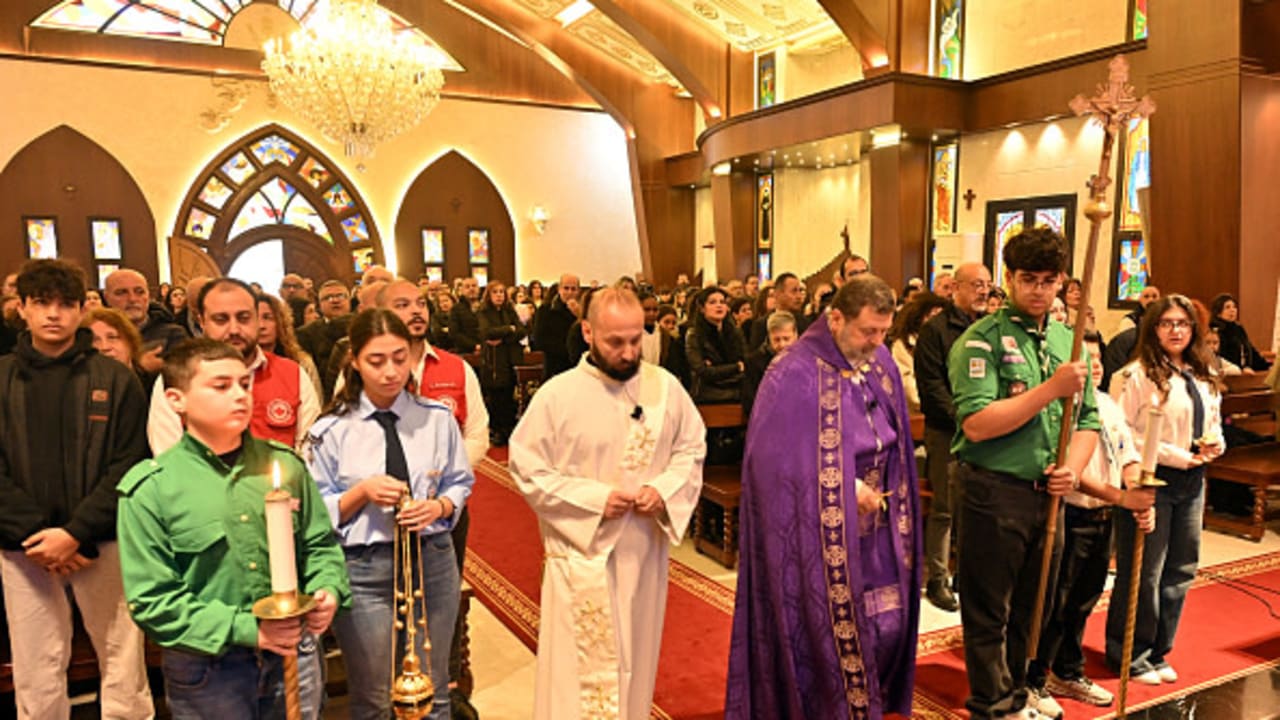
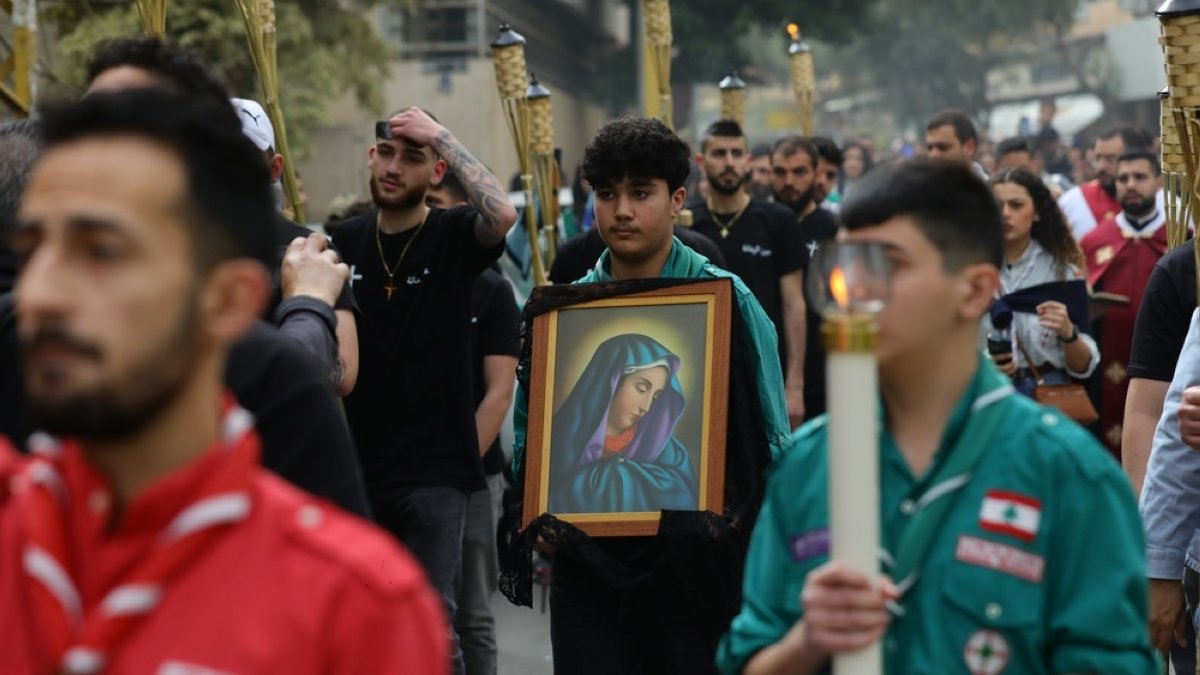
The current conjuncture between Israel and Lebanon has shaped Christian attitudes not around normalization with Israel, but rather around the belief that Hezbollah dragged Lebanon into war and that Israeli attacks could be halted through Hezbollah’s elimination.
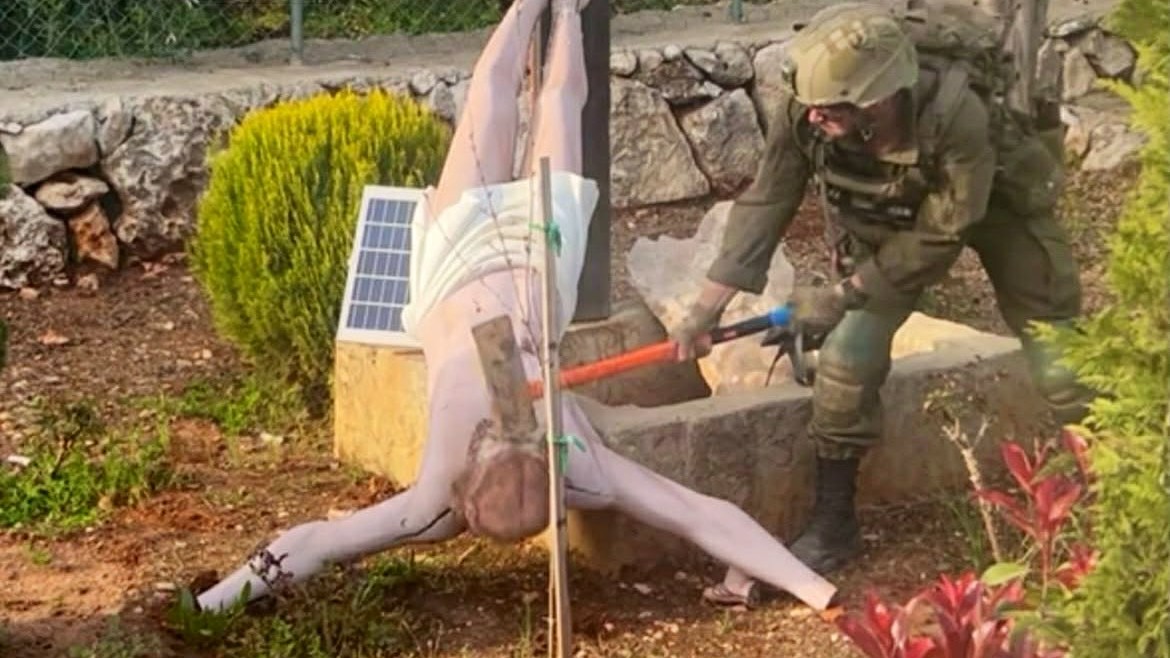
At the same time, among South Lebanese Christian communities directly affected by Israeli attacks, security concerns have deepened due to political dysfunctionality, while reactions against the occupation have intensified in response to Israel’s disproportionate violence. This situation has led Lebanese Christians to resist the occupation by refusing to abandon their homes and by appealing to the broader Christian world for support.