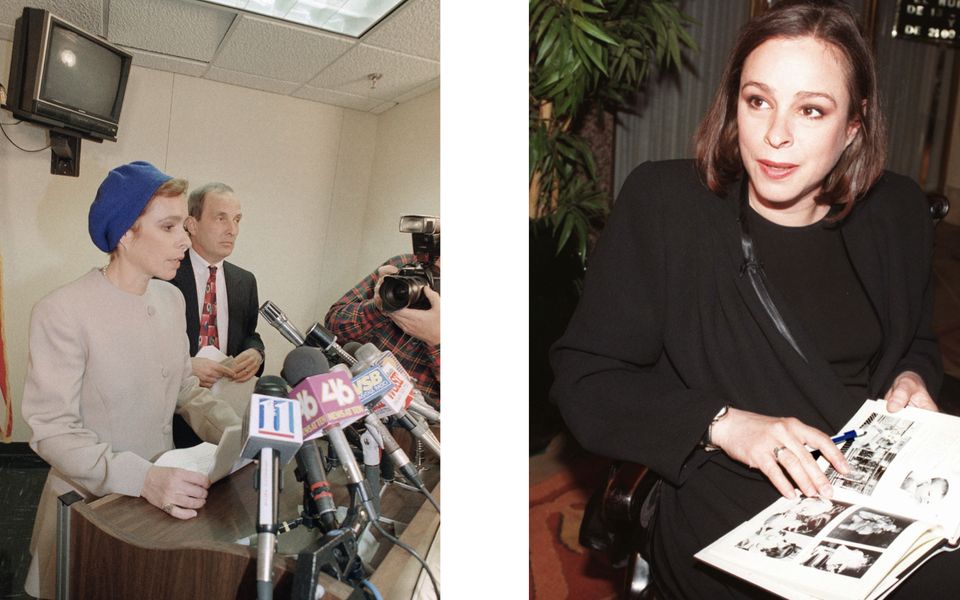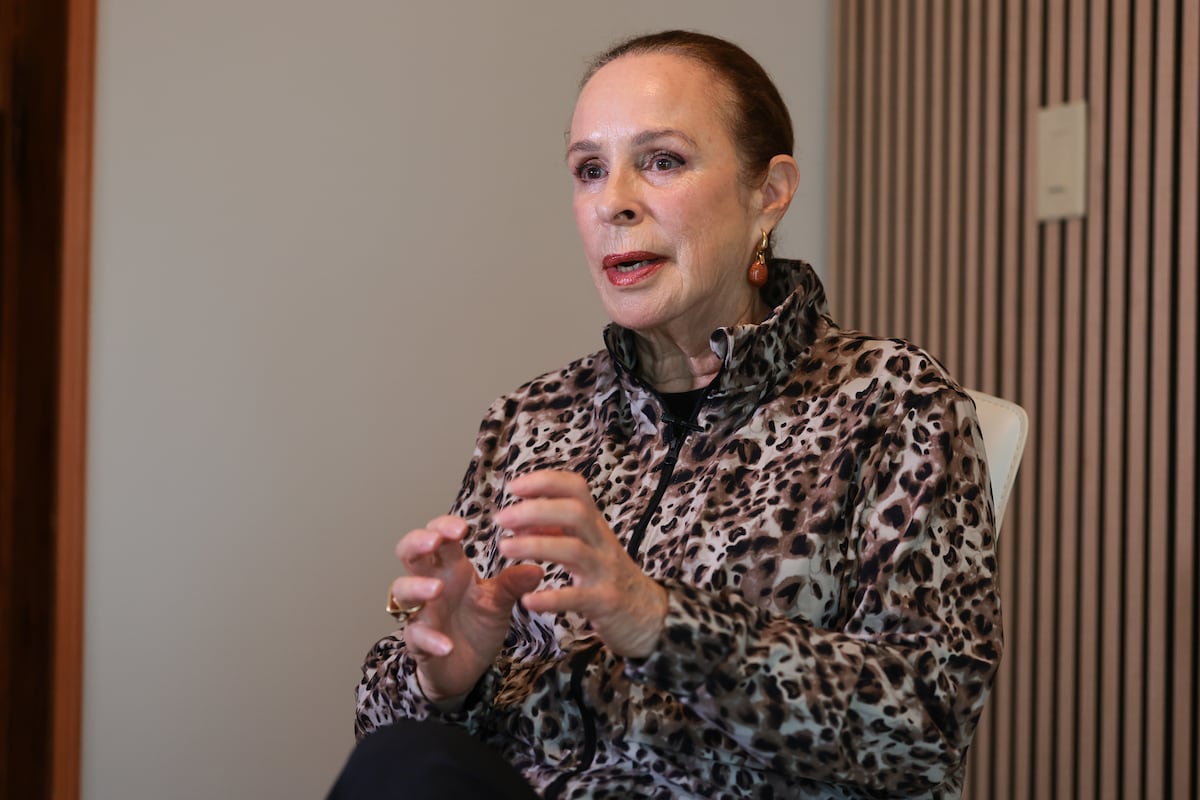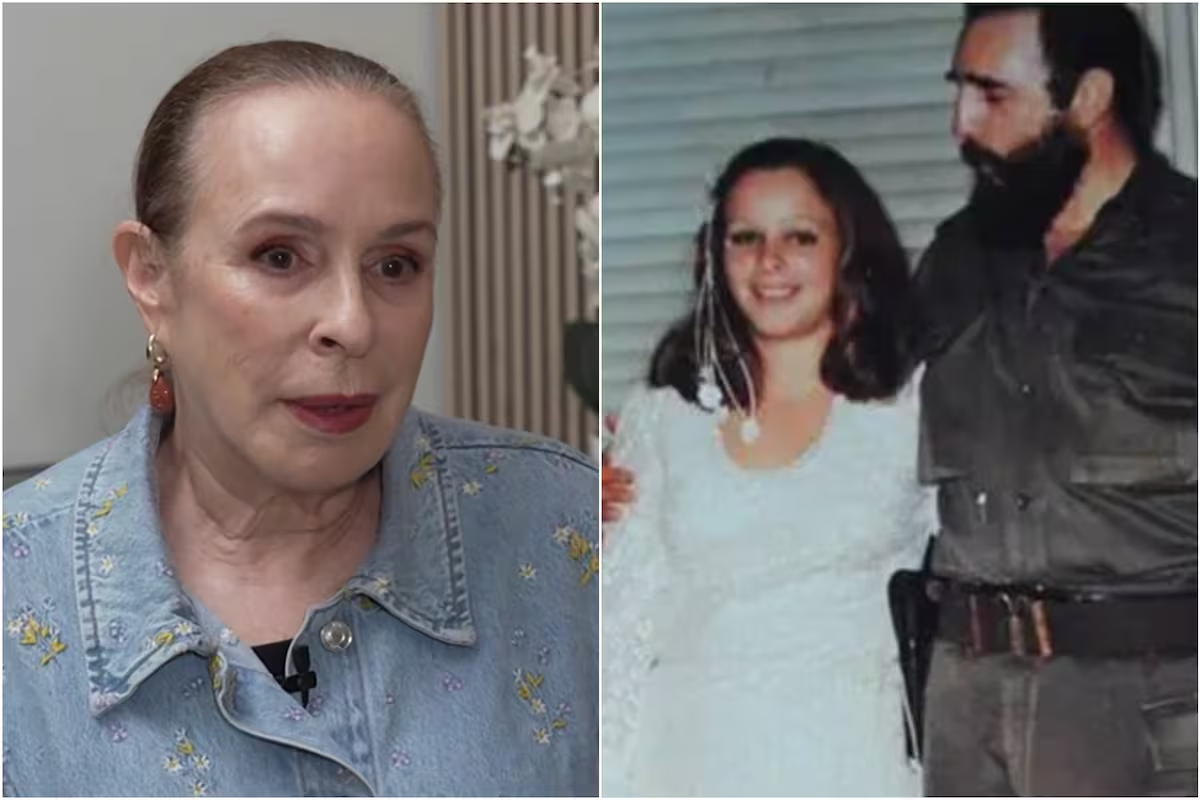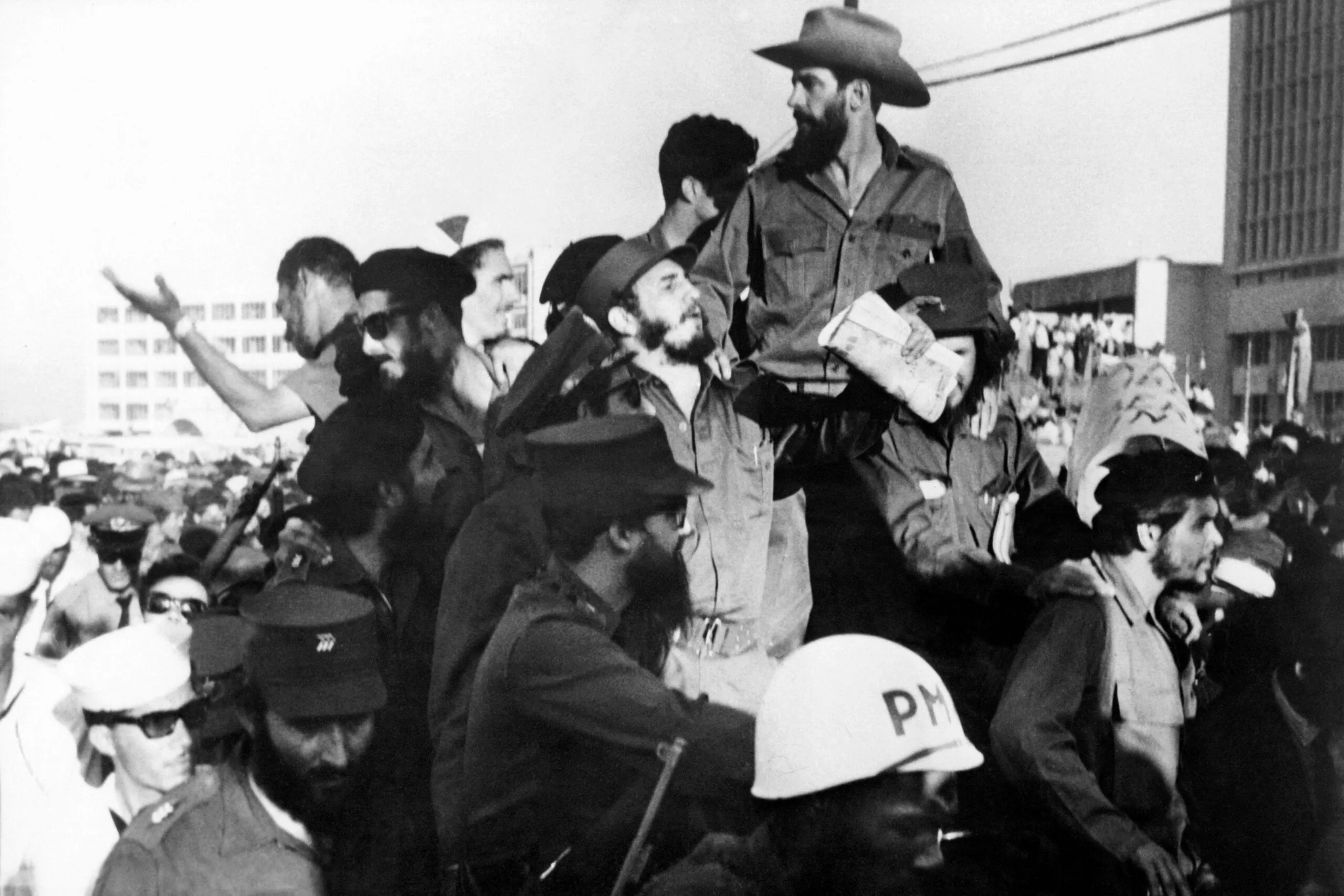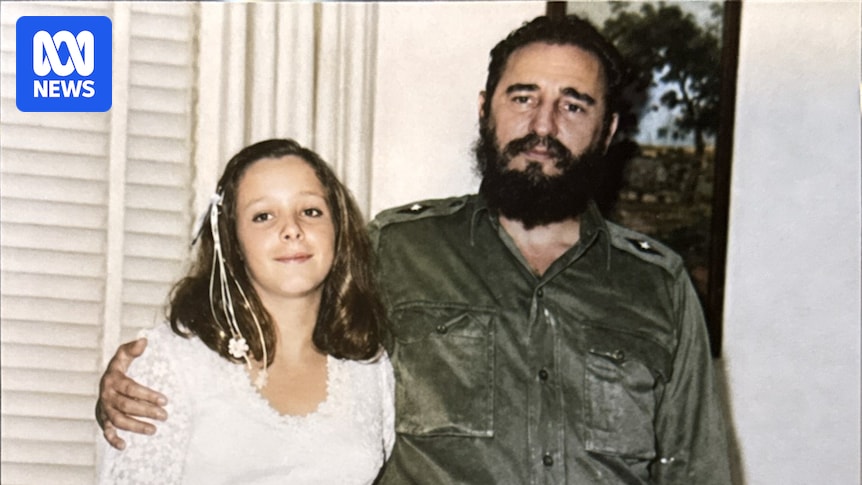
Growing up in the aftermath of the Cuban revolution, Alina Fernández's childhood home was frequently visited by a burly man in military fatigues.She knew him as the "night visitor".But his name was Fidel Castro.When Alina was 10 years old, she learned he was her father."Everyone knew except me," she told the ABC in an Australian-exclusive interview. "I felt betrayed."Alina Fernández with her father Fidel Castro on her wedding day. (Supplied: Alina Fernández)Her mother, Natalia Revuelta Clews, a middle-class political activist, developed a romantic relationship with Castro in the early 1950s.Alina was born in 1956. Three years later, Castro and his guerilla forces overthrew the Cuban government. The revolutionary Marxist went on to rule Cuba for five decades.Despite an upbringing surrounded by propaganda and powerful people, Alina says she always felt uncomfortable about her father's communist regime.She recalls being sent to do "voluntary works that were not voluntary" and quickly learned that even "language meant something else" in Cuba.Fidel Castro, pictured in 1972, led the movement that overthrew the Cuban government in 1959. (Reuters: Prensa Latina)"For my generation, the arrival of the revolution was a radical change, like day to night," she says."I never felt that it was a normal life."Food started to disappear immediately, only two years after the triumph of the revolution. Everything again was disrupted."So she began to speak up and became a vocal critic.But speaking out in Cuba, even if you are Castro's daughter, is fraught with danger.Alina participating in a protest against her father in New York, October 1995.
Fidel Castro's daughter hopes US can bring down father's regime
Fidel Castro's daughter says the US has failed to find a way to deal with Cuba for decades. But she tells the ABC that the Trump administration has a difference that could spell the end of the regime she fled.
1,583 words~7 min read