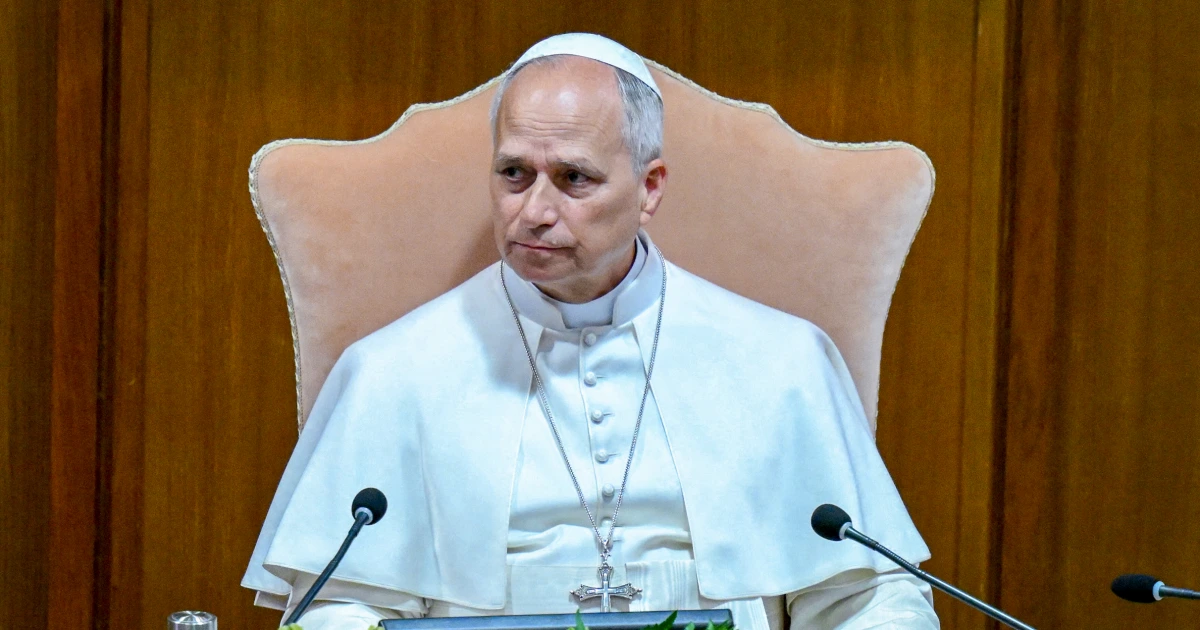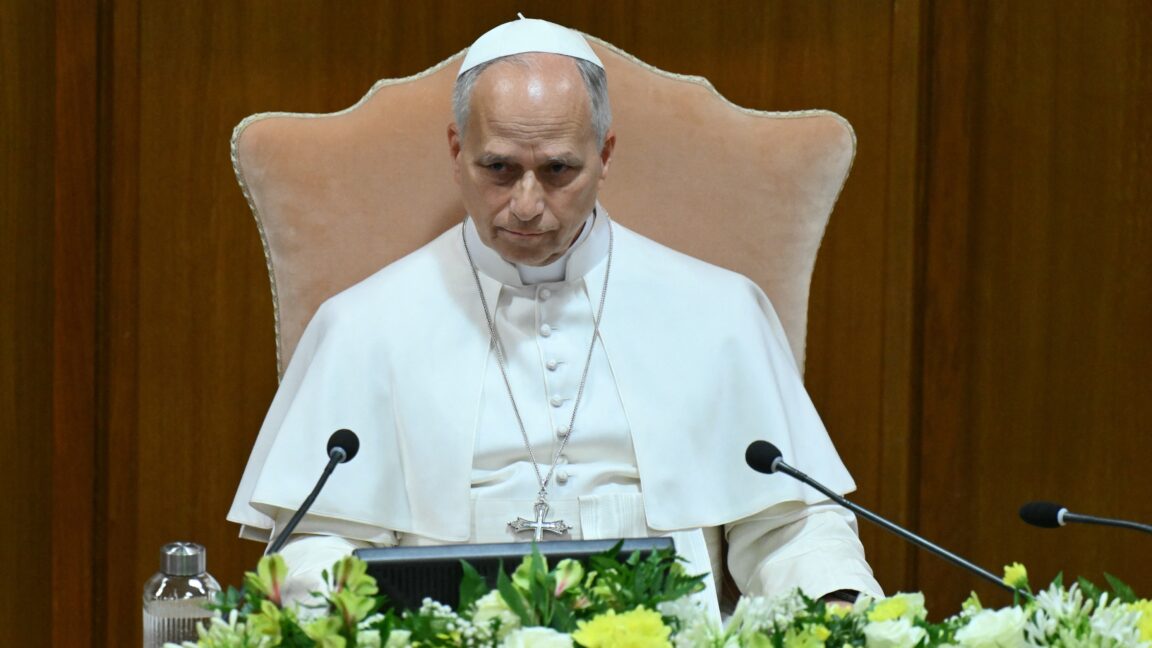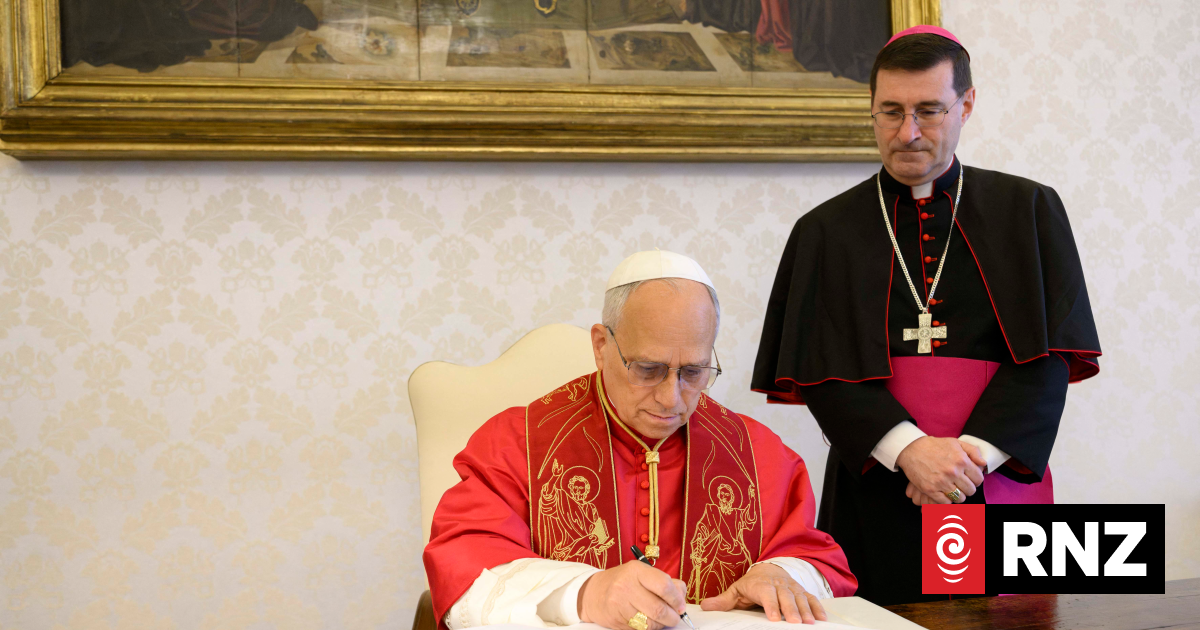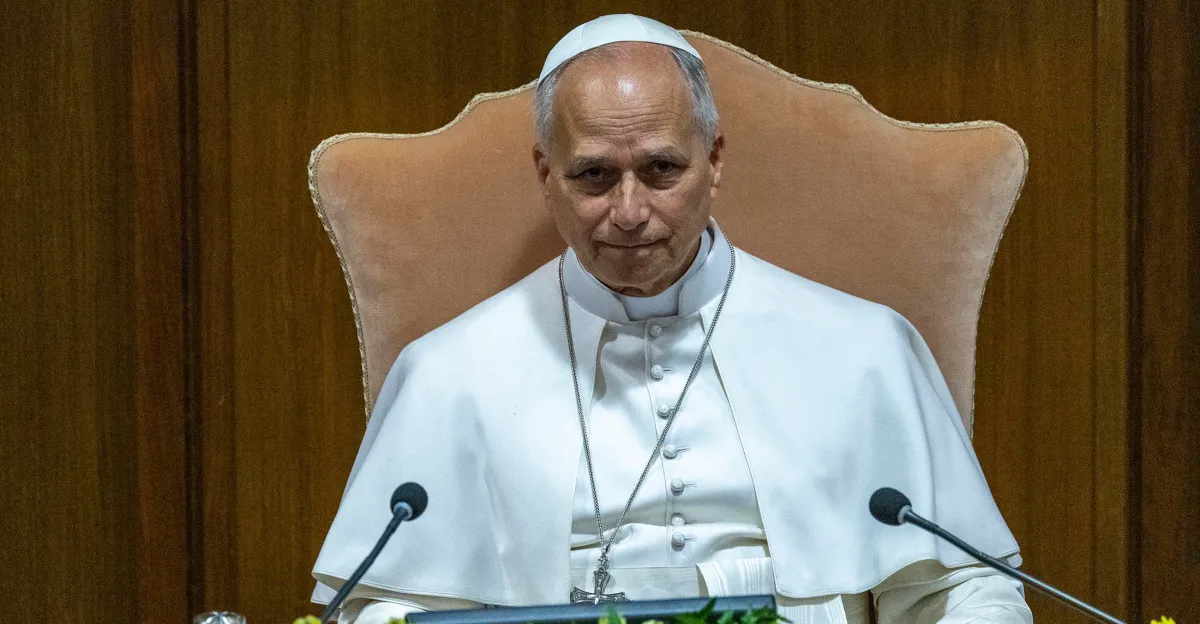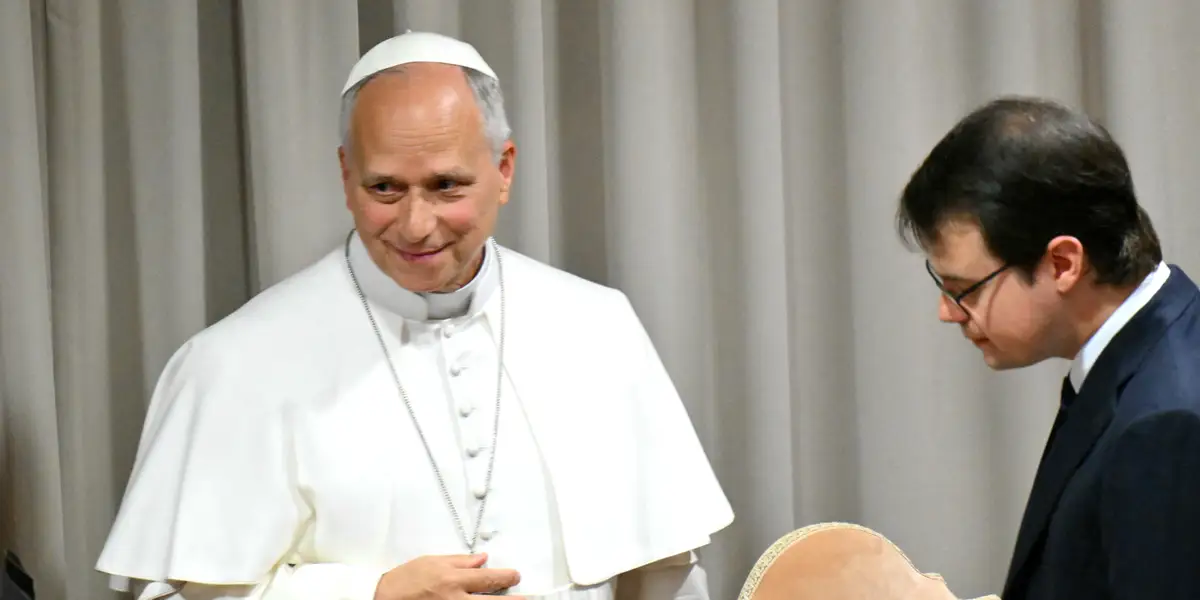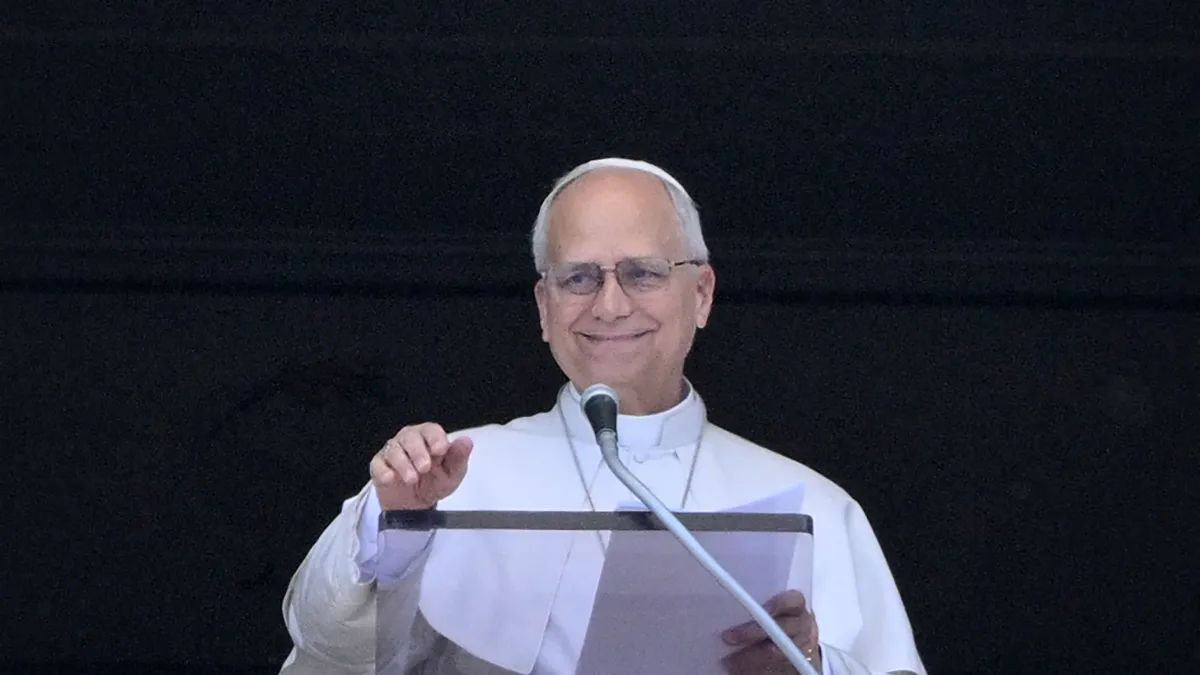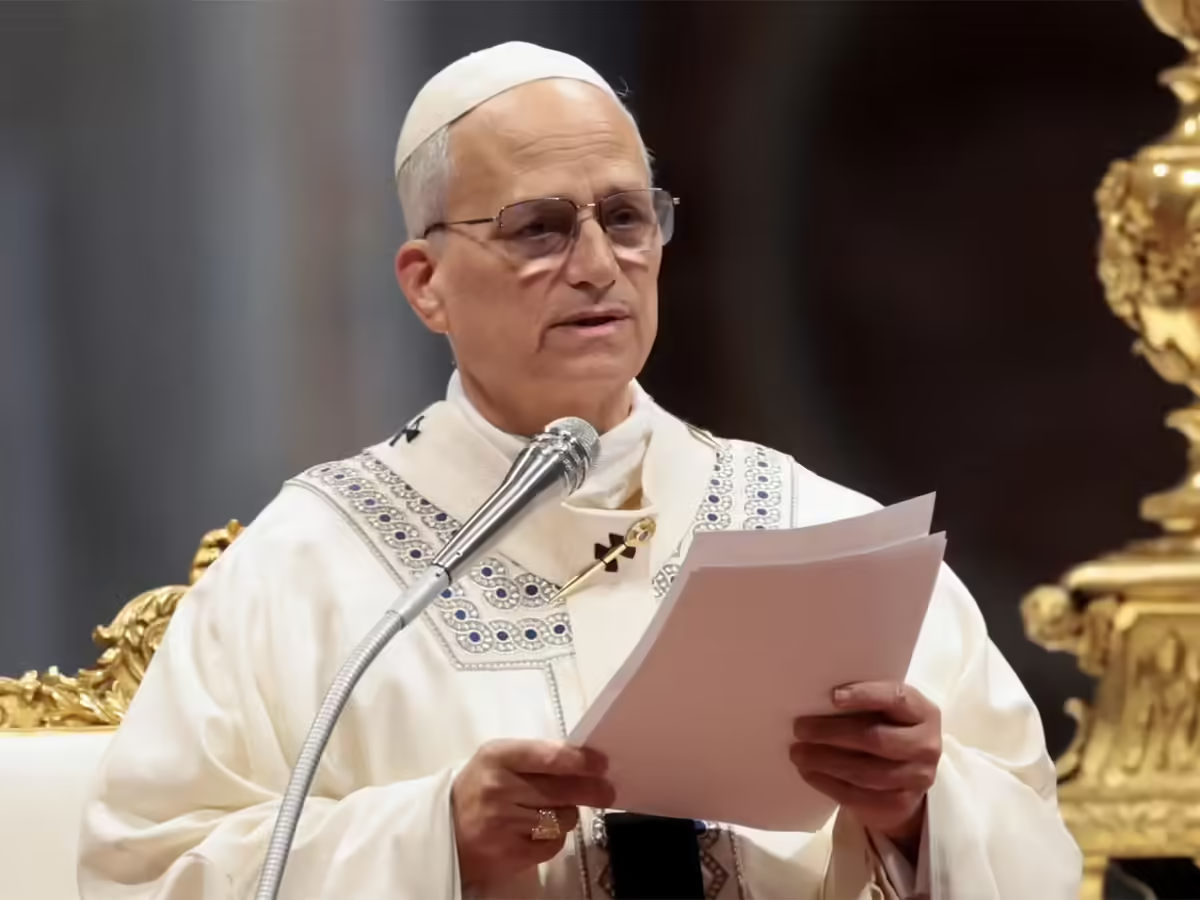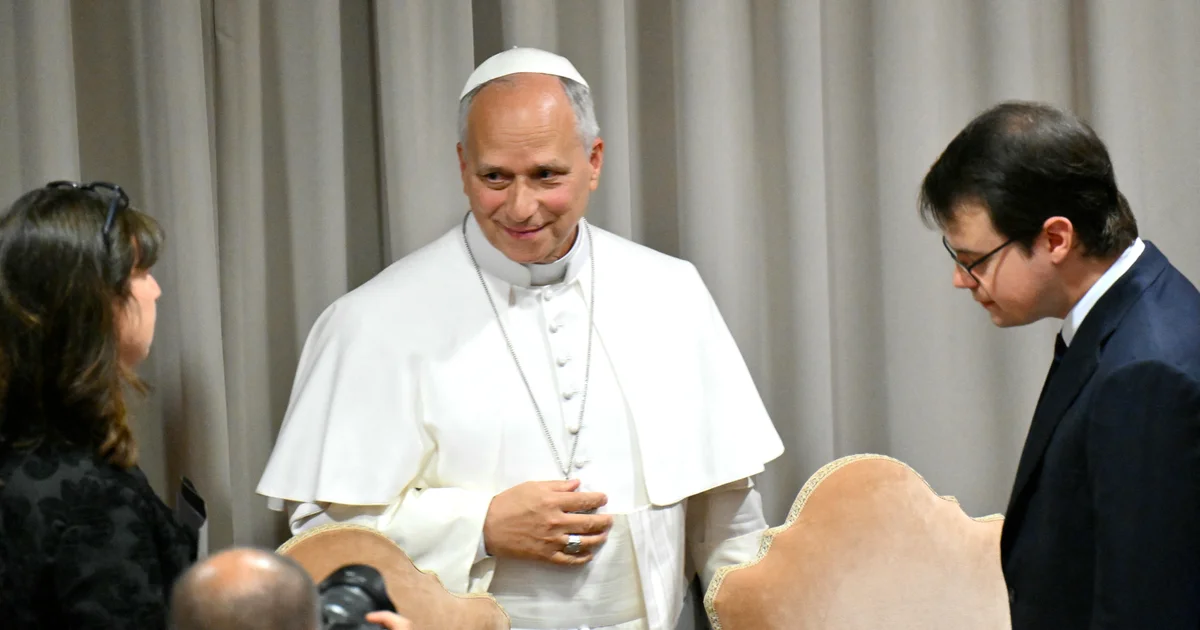
In a moving message this weekend, Pope Leo XIV spoke out against the rising tide of AI and urged his followers to recommit to a radical humanism.
The message—delivered in the form of an encyclical letter, periodic for popes—calls for “safeguarding the human person in the time of artificial intelligence.” Broken down into five lucid chapters, the letter argues against a robotic future, and for a socially just one.
Though I am one of the more fallen heathens you might come across, this document feels radical—in more ways than one. First, there’s the unflinching political courage. Contra to many prior popes, this See is not afraid to weigh in on the lopsided powers granted to the billionaire class, or an undemocratic state.
Take this tasty excerpt:
In the past, it was largely up to the State to guide and direct innovation. Today, however, the main drivers of development are private, often transnational, parties that are endowed with resources and the capacity to intervene that surpass those of many Governments. Technological power thus takes on an unprecedented, predominantly “private” aspect, which makes it even more challenging to discern, govern and direct such power toward the common good.