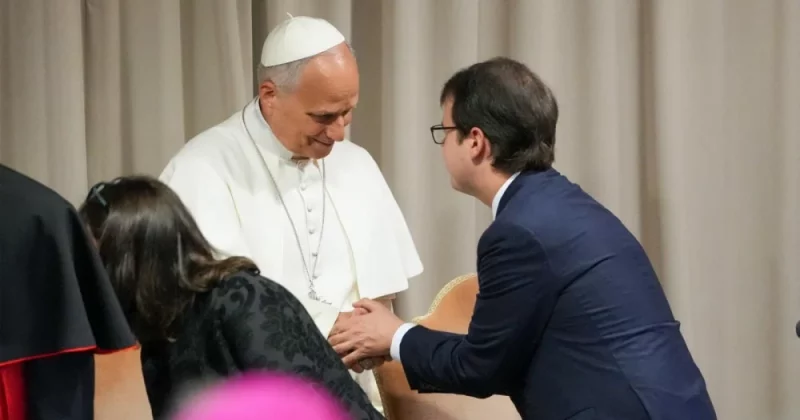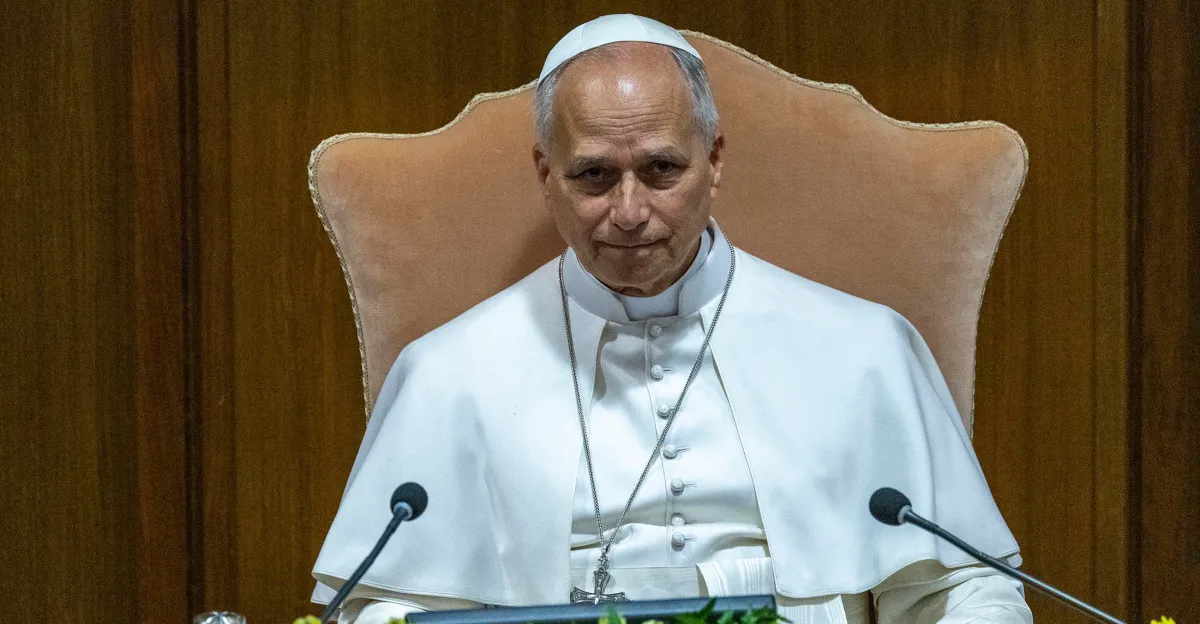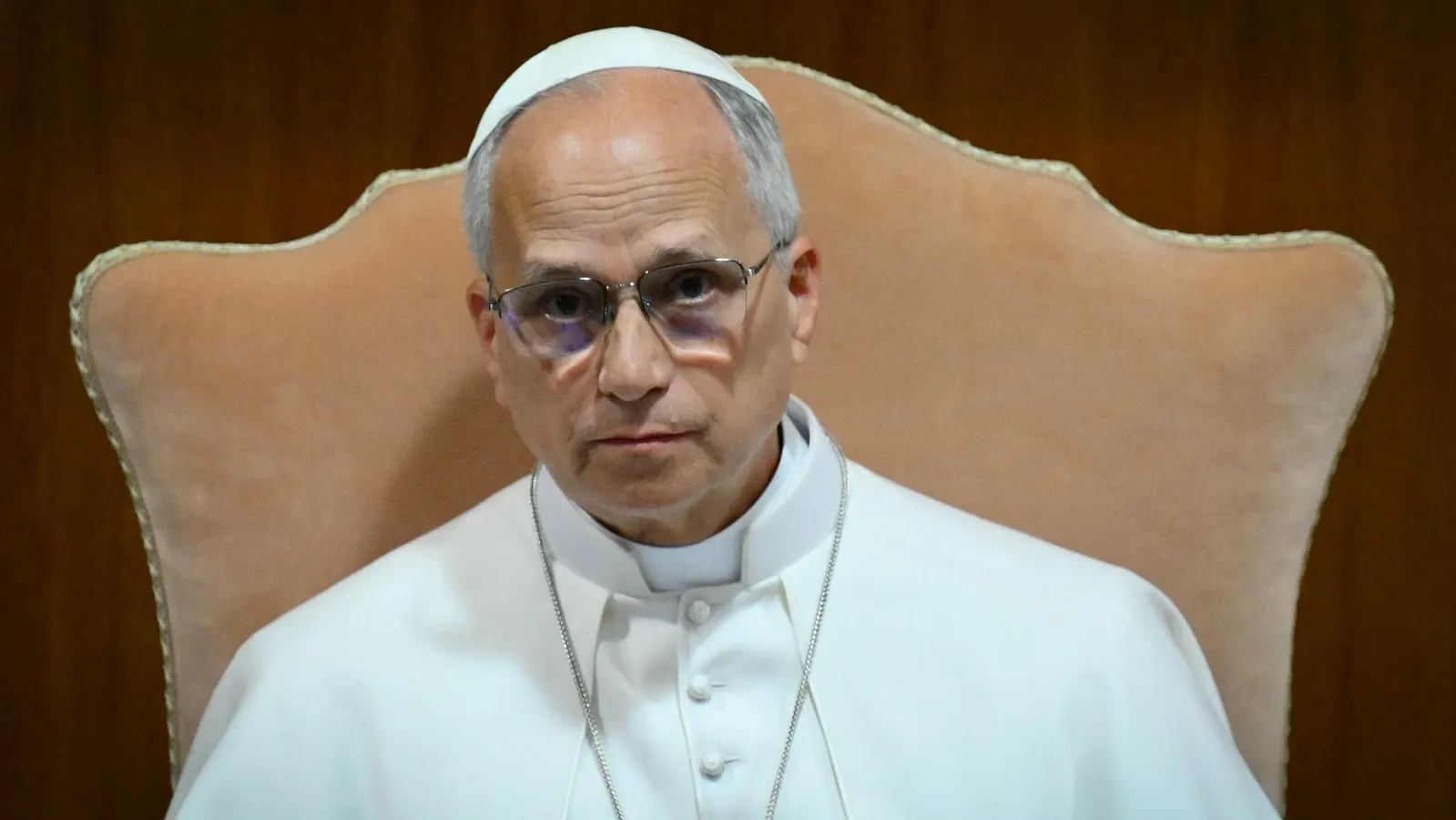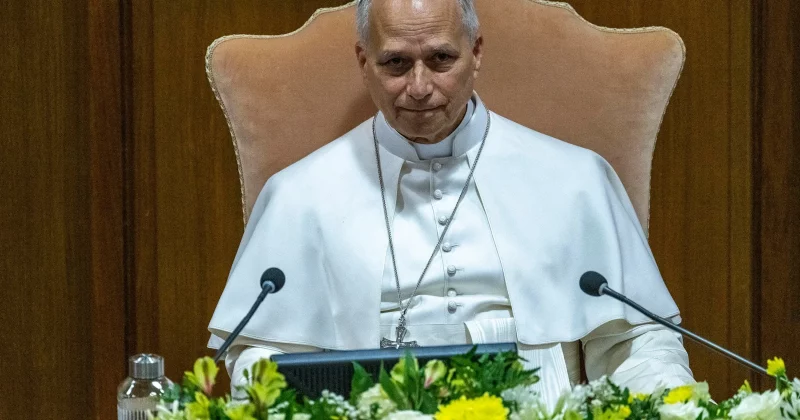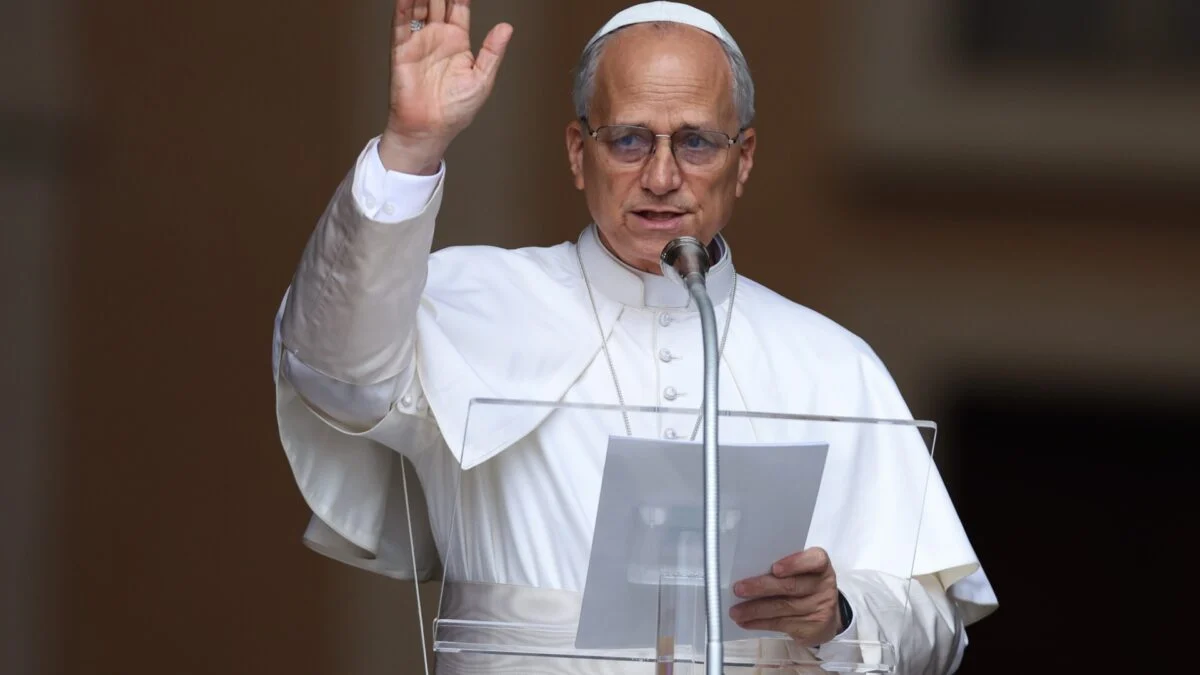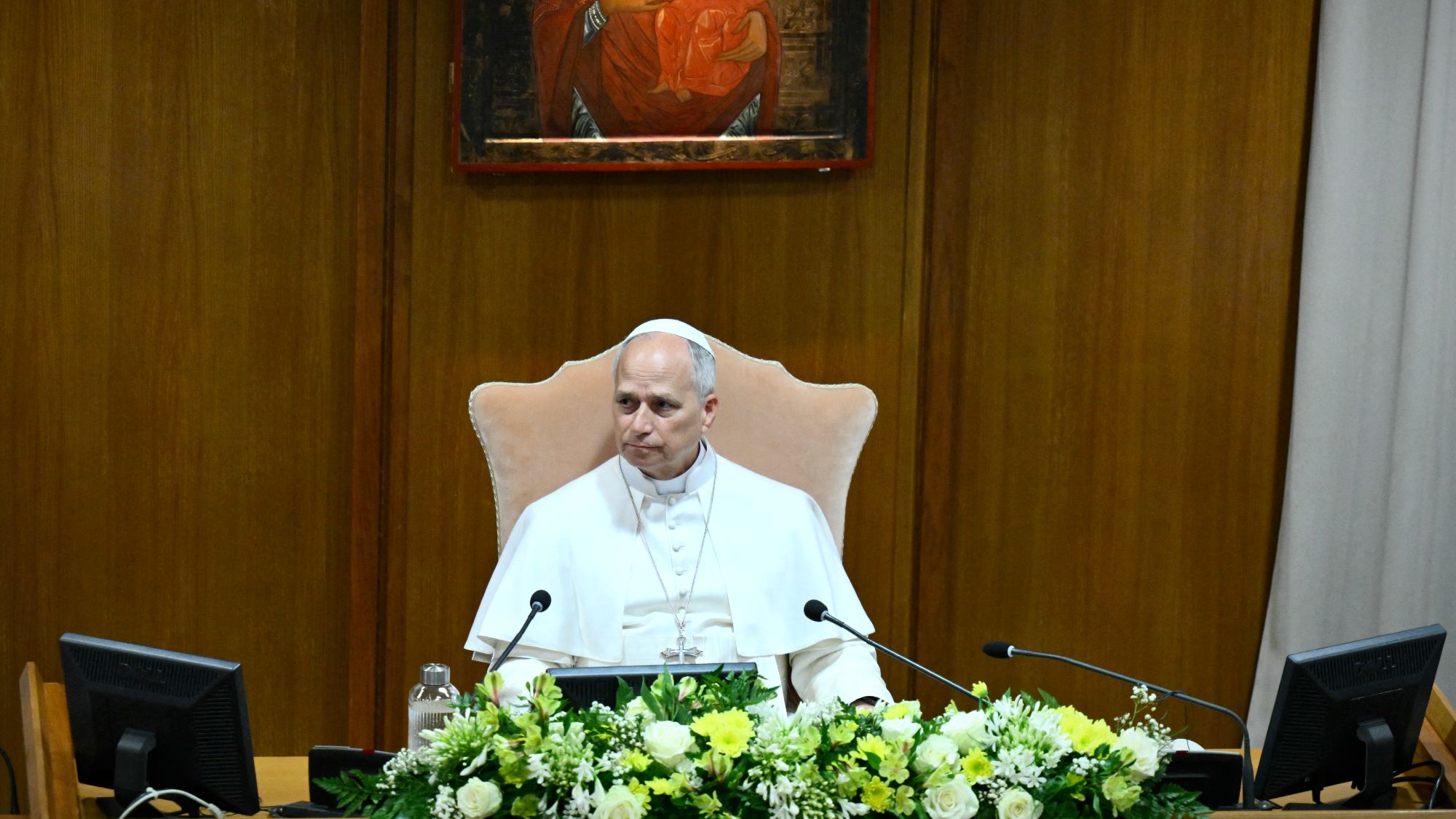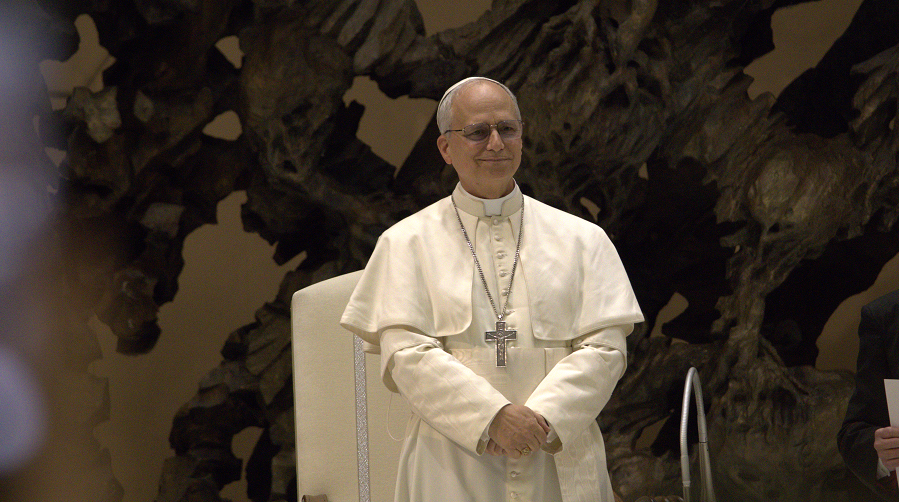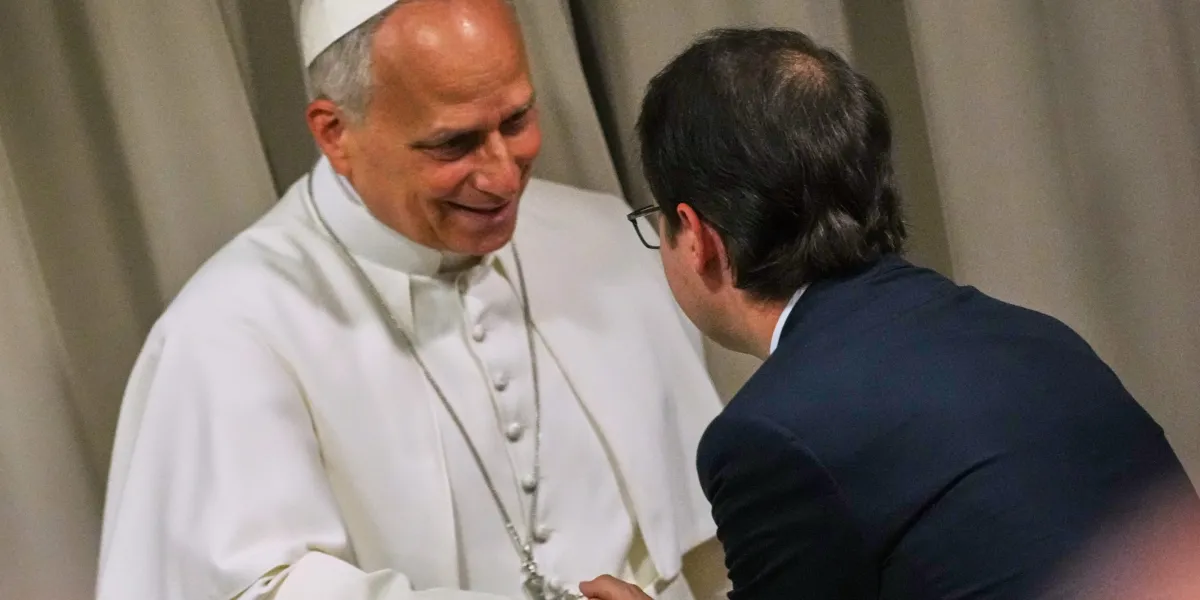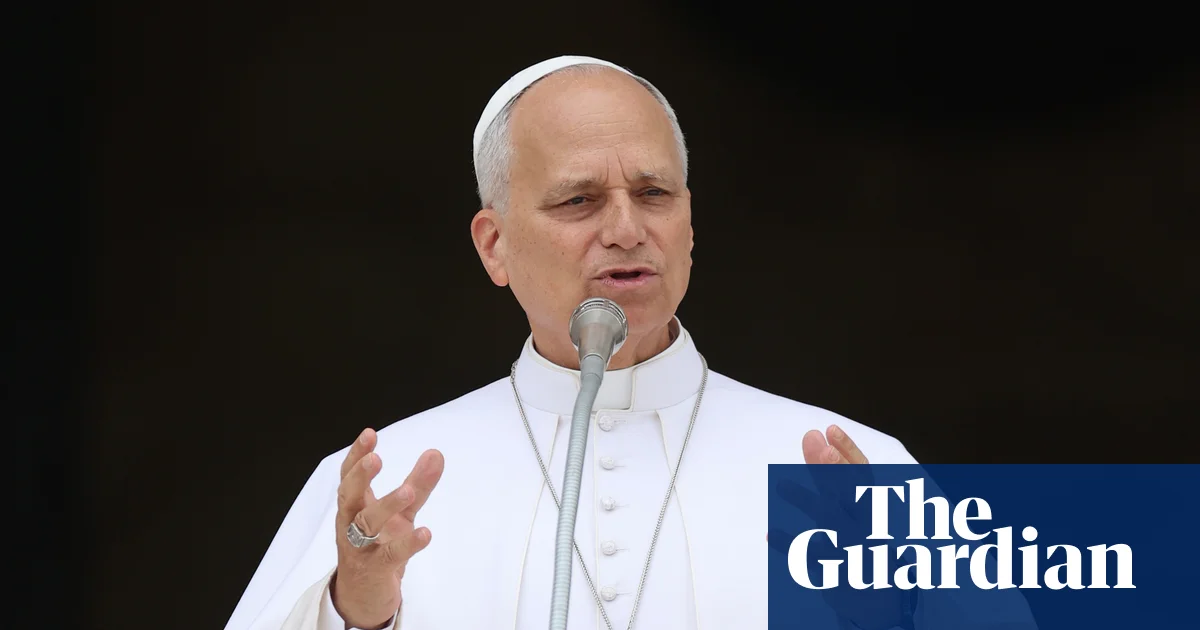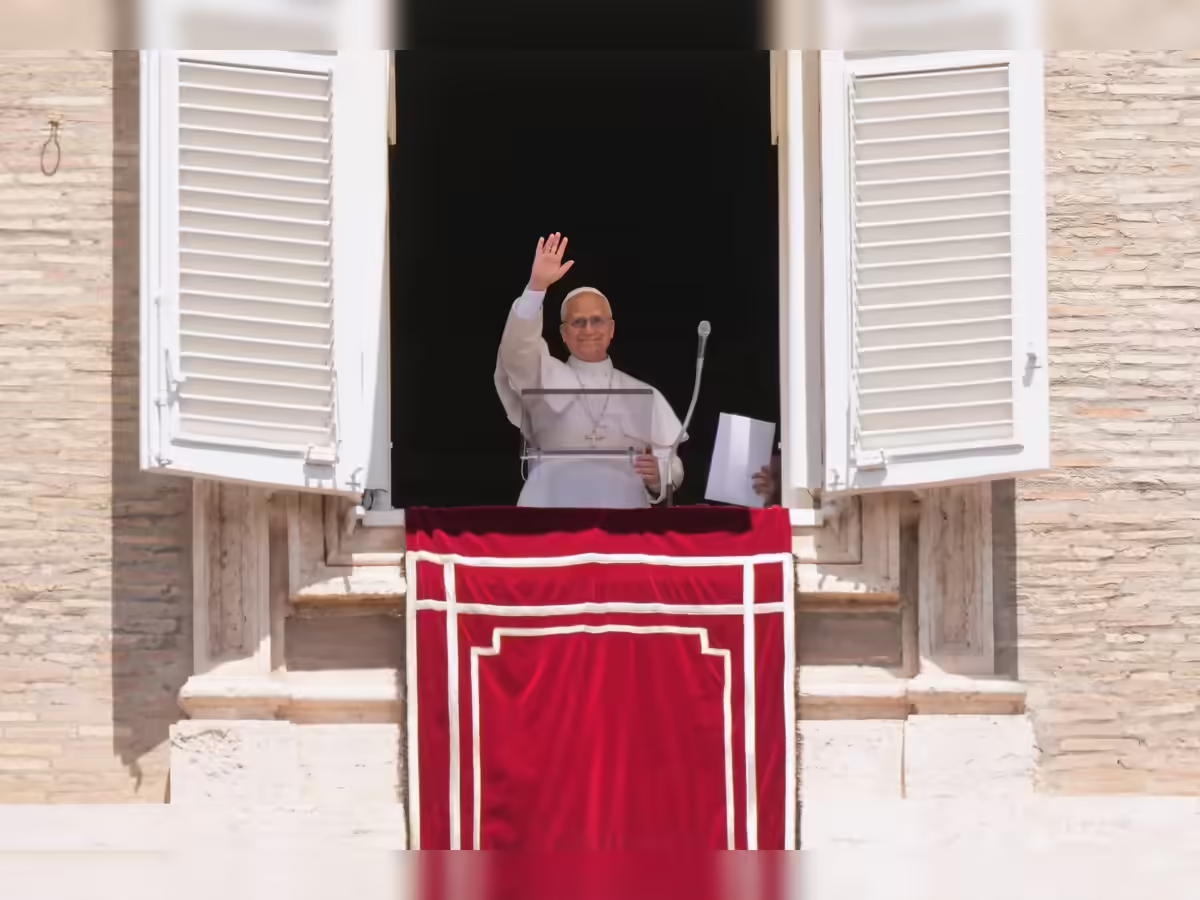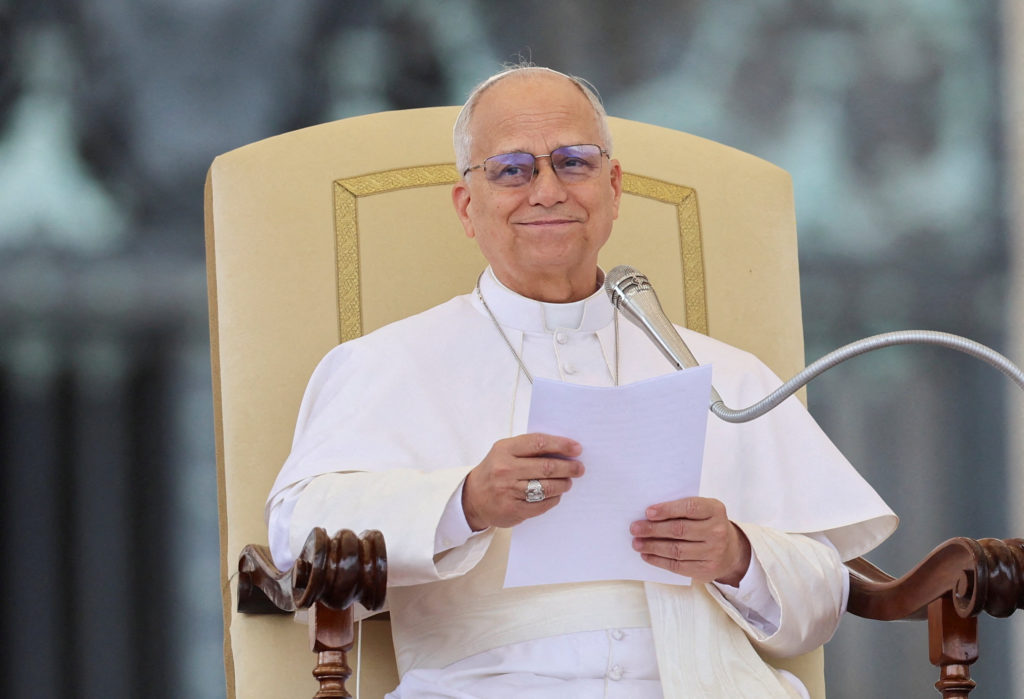
Pope Leo XIV is set to release a landmark encyclical Monday focused on preserving human dignity in the face of AI.The pope, who has been outspoken about AI’s potential to encroach on human values, will be joined in Vatican City by leading Catholic figures and Chris Olah, a co-founder of the AI company Anthropic.The document will be Leo’s first encyclical, a special papal letter that is sent to all bishops in the Roman Catholic Church. The encyclical, titled “Magnifica Humanitas,” comes amid growing backlash to AI’s environmental, social and educational impacts.“We are truly experiencing an eclipse of the sense of what it means to be human,” Leo said Friday at a Vatican conference on AI, highlighting “the unbridled promotion and implementation of technology at the expense of human dignity and the damage caused when chatbots and other technologies exploit our need for human relationships.”Leo has made AI a focus of his young tenure. Just days after his election in May 2025, the pope told the College of Cardinals that the church could offer unique advice on how to approach “developments in the field of artificial intelligence that pose new challenges for the defense of human dignity, justice and labor.”At the time, the pope said he chose his name partially in homage to Pope Leo XIII, whose 1891 encyclical “Rerum Novarum” shared teachings on how to navigate another transformative period, the industrial revolution.Last week, Leo XIV also approved the creation of a new interdepartmental Vatican commission to discuss and exchange information about AI’s “potential effects on human beings and on humanity as a whole.”Leo signed the new encyclical on May 15, the 135th anniversary of the signing of “Rerum Novarum,” and will release it Monday. In an unusual move, the pope will deliver an address to accompany the encyclical.“I think we should expect something that is of two minds,” said Charles Camosy, a professor of moral theology at the Catholic University of America. On one hand, Camosy said the encyclical will continue centuries’ old Catholic teaching and “apply the gospel and the church’s tradition to the signs of the times.”But the encyclical will likely also reference “new strategies and calls to action based specifically on artificial intelligence,” Camosy wrote in a note to NBC News. “Indeed, the very concept of the human seems up for grabs, and I strongly suspect the encyclical will push back firmly against that.”Popes often release encyclicals to share the Vatican’s perspective on pressing social issues. Pope Francis, Leo’s predecessor, released four encyclicals during his 12 years at the head of the church, including one on the importance of caring for the environment.Olah, the Anthropic co-founder who will join the pope at Monday’s unveiling, wrote in an X post last Monday that “the questions posed by AI are bigger than the AI community. We urgently need the world — religions, civil society, academics, governments — to participate in creating a positive outcome.”Anthropic has held a series of events targeting religious leaders across faiths in the past year. In two gatherings during March and April, Anthropic invited Christian leaders to its headquarters to discuss the spiritual development of its AI systems.Anthropic has said that it trains its AI system, Claude, to conform to a constitution — what became known as Claude’s “soul” document internally, according to Anthropic’s resident philosopher.This constitution “expresses and shapes who Claude is,” Anthropic said in a January blog post laying out the constitution’s contents, adding that it explains “the kind of entity we would like Claude to be.”Yet some religious experts are skeptical about AI companies’ fierce drive to build intelligent systems, the companies’ eager engagement with religious leaders, and the optics of hosting a leading AI co-founder at the announcement.“I think most religious people, and certainly people from most Abrahamic faiths, would object to the idea that a system like Anthropic’s Claude could ever have personhood,” said Will Jones, who leads faith outreach efforts at the Future of Life Institute, a nonprofit dedicated to avoiding extreme risks from transformative technologies.Regarding AI’s potential impact on society, Jones told NBC News that “human dignity can’t so much be lost, but it can be desecrated and undermined and exploited and abused. Instead, it should be affirmed and celebrated and protected.” Jones said he expects this focus on human virtue and identity to appear throughout the upcoming encyclical.Many theologians within the Vatican are strongly opposed to granting AI any notion of personhood or allowing that AI systems could have anything like a soul.Paolo Benanti, a Franciscan friar and one of the pope’s key AI advisers, argued in December that human intelligence and dignity are unlike any sort of intelligence that could arise from digital minds.“For the Christian believer, human intelligence is distinct and sacred, characterized by a capacity for wisdom, moral reasoning, and an orientation toward truth and beauty,” he wrote. “These are qualities of the soul — the ‘divine spark’ — not the output of probabilistic computation.”
Pope Leo to address human dignity in the age of AI
The pope will join leading Catholic theologians and an Anthropic co-founder on Monday to release a landmark encyclical on “safeguarding the human person in the time of artificial intelligence.”
821 words~4 min read