Software will absorb the contract review process within the next few years. Not the negotiation or the decision-making, but the mechanical work of reading through pages of legal text to identify problematic clauses. This shift will fundamentally change who can participate in complex business transactions.
I built Guard-Clause because the current contract review model breaks down at scale. Every professional services agreement, every software license, every partnership deal gets filtered through the same expensive legal bottleneck. The result is either delayed deals or unreviewed risk. Neither option works for businesses trying to move quickly.
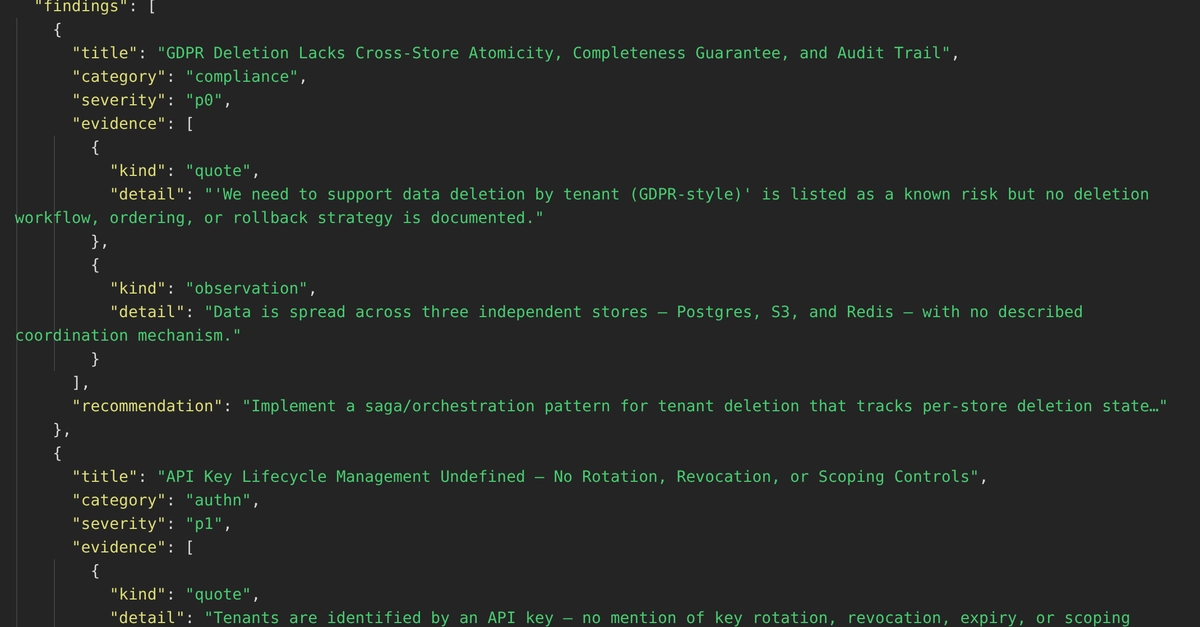
Guard-Clause reads contracts and returns structured analysis at the clause level. It identifies problematic language, scores severity from critical to low, and generates negotiation scripts with replacement text. This isn't document highlighting or keyword matching. It's systematic risk assessment applied to unstructured legal text.
The core insight is that contract analysis follows patterns. Indemnification clauses that shift excessive liability, termination provisions that favor one party, intellectual property assignments that overreach—these problems appear repeatedly across different document types. An AI system can learn these patterns and apply consistent methodology at machine speed.