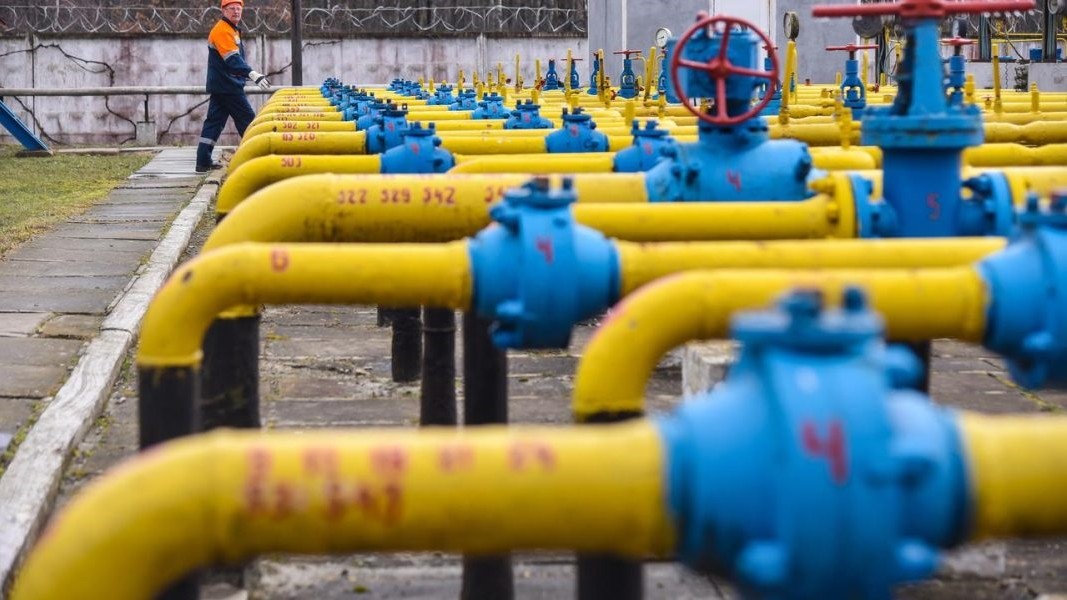
Ukraine's state energy regulator has cut storage fees for natural gas by 11% in a bid to accelerate domestic gas injection, with an option to further lower the rate if capacities are booked long-term for at least one year. The discount creates favorable tariff structures to leverage Ukraine's massive storage capabilities. Ukraine has set a target to store at least 14.6 billion cubic meters (bcm) of gas, good for 34% of total capacity, before the 2026–2027 heating season. Ukraine is home to Europe's largest underground gas storage capacity, capable of hosting over 30 bcm of gas.Foreign companies stored roughly 3 bcm of gas in Ukraine during 2023; however, persistent Russian missile and drone attacks targeting gas production fields and storage sites have largely discouraged foreign firms from storing their gas in Ukraine. By cutting storage fees during the spring and summer, Ukraine seeks to offer economic incentives that outweigh the geopolitical risks for Western energy companies.European gas storage facilities are currently hovering just over 35% full, significantly below the historical seasonal average of 50% as well as the 80%-90% target set by the EU by the end of the injection season. Energy executives at Norway's Oil & Gas giant, Equinor ASA (NYSE:EQNR), recently warned that another 1 to 3 months of blockades of the Strait of Hormuz will trigger a critical liquefied natural gas (LNG) shortfall heading into winter. The war in Iran has distorted gas pricing and inverted seasonal price curves (backwardation), resulting in a major bottleneck in Europe’s gas market. Dutch TTF summer contracts have traded above winter contracts by as much as €0.5 to €1.3 per megawatt-hour (MWh) thanks to the Middle East conflict, disrupting the traditional economic model of injecting gas into storage during cheaper summer months and withdrawing it during the winter.Storage operators lack the intrinsic economic incentive to purchase and inject gas during the summer if they expect to sell it at a lower price in the winter, destroying the merchant business case for storage facilities. Meanwhile, forward curves reflect expectations of abundant global LNG coming online, depressing late-year prices and locking in the inverted curve. Alex Kimani for Oilprice.comMore Top Reads From Oilprice.comOil Prices Plunge Below $100 on Iran Deal OptimismU.S.-Iran Deal Delayed as Trump Refuses to “Rush” AgreementTotalEnergies Eyes $100M+ Stake Sales in European Solar and Wind Portfolio
Ukraine Cuts Gas Storage Rates To Encourage Domestic Buildup Ahead Of Winter | OilPrice.com
Ukraine's state energy regulator has cut storage fees for natural gas by 11% in a bid to accelerate domestic gas injection, with an option to further lower the rate if capacities are booked long-term for at least one year.
386 words~2 min read