David Paul Morris/Bloomberg via Getty Images
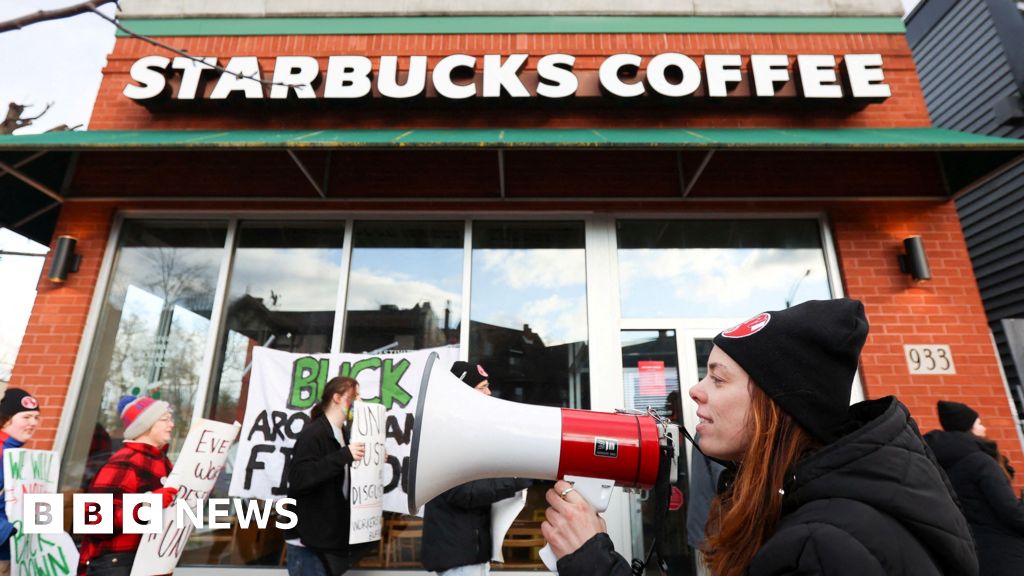
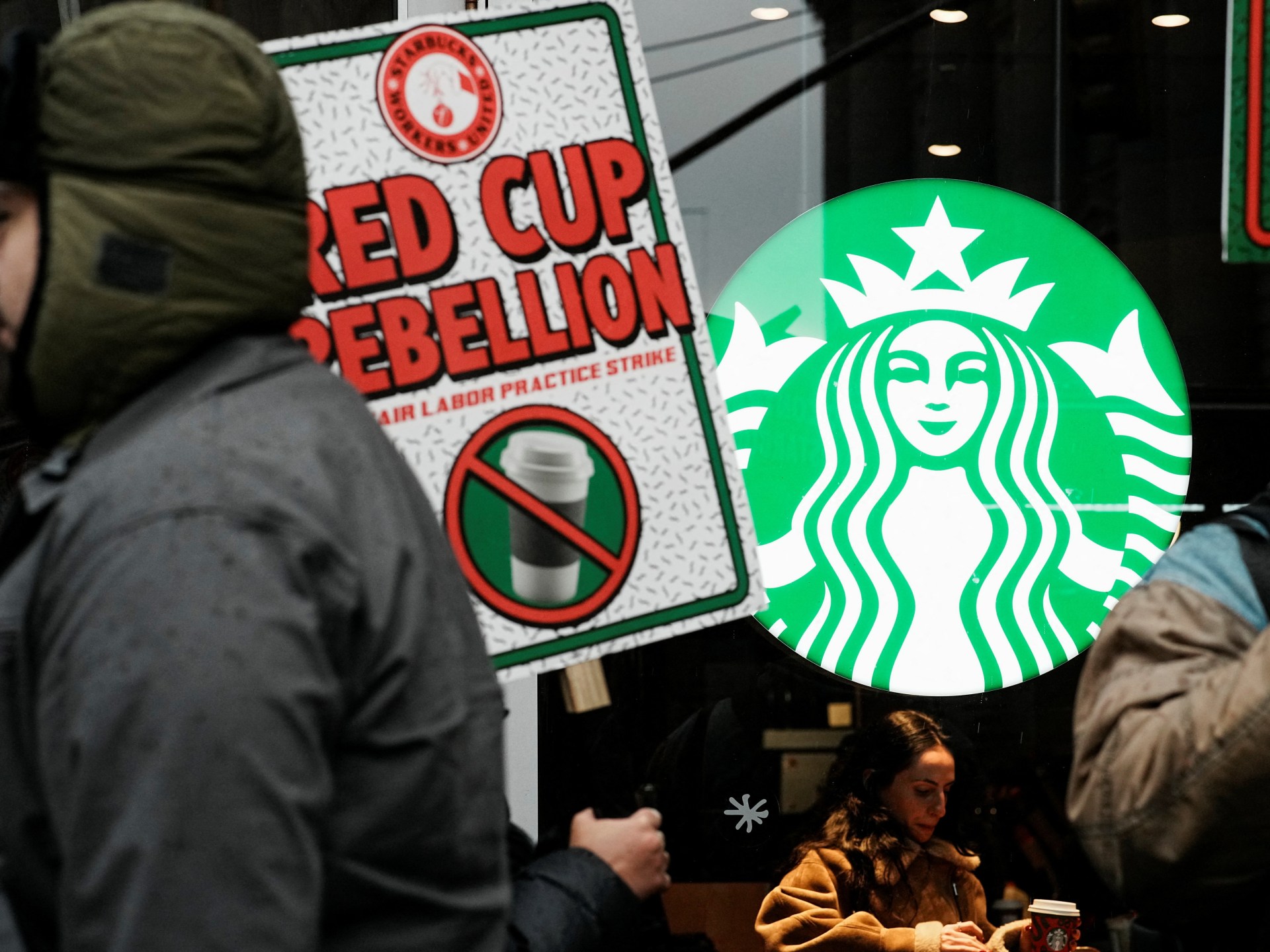
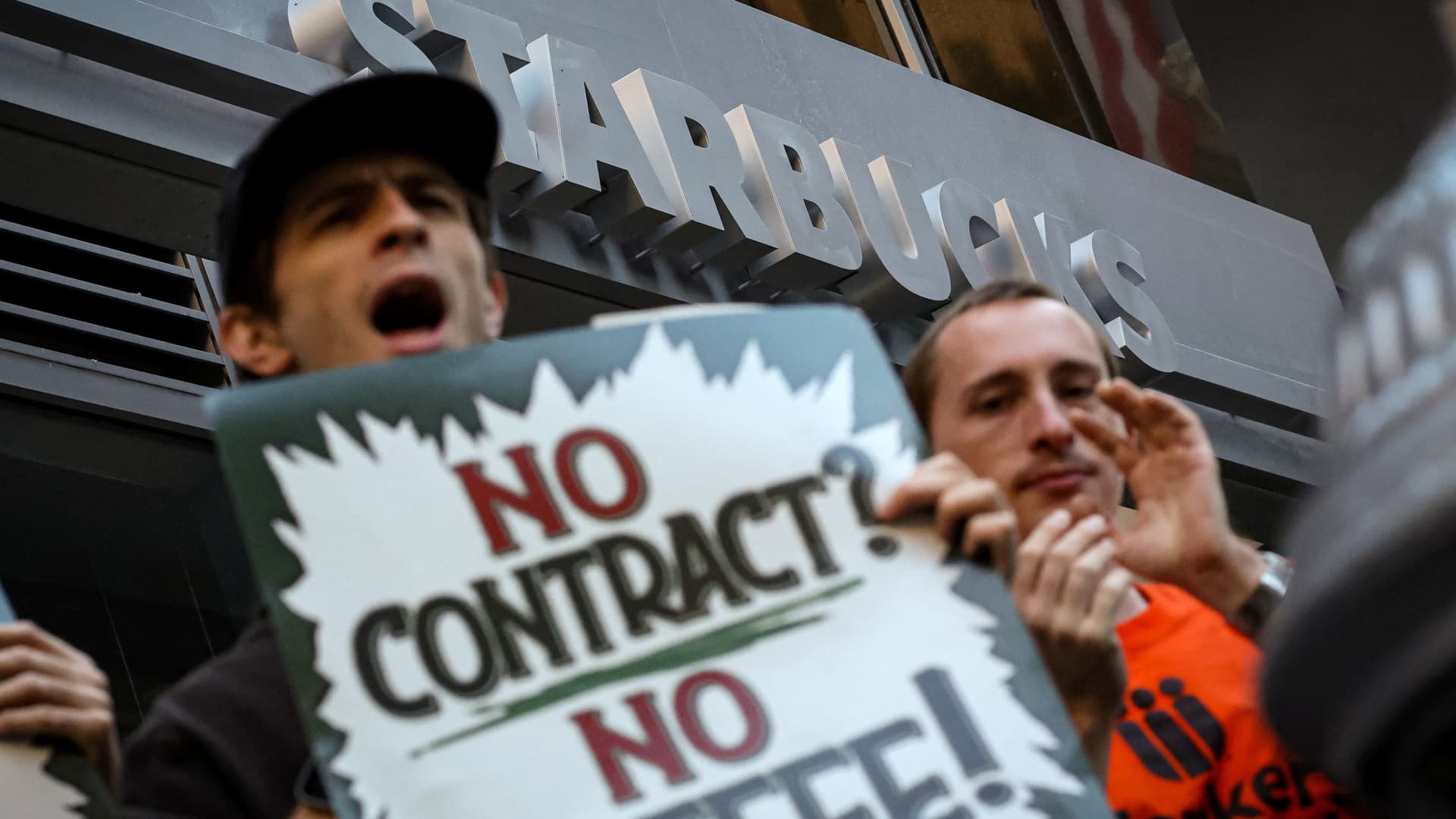
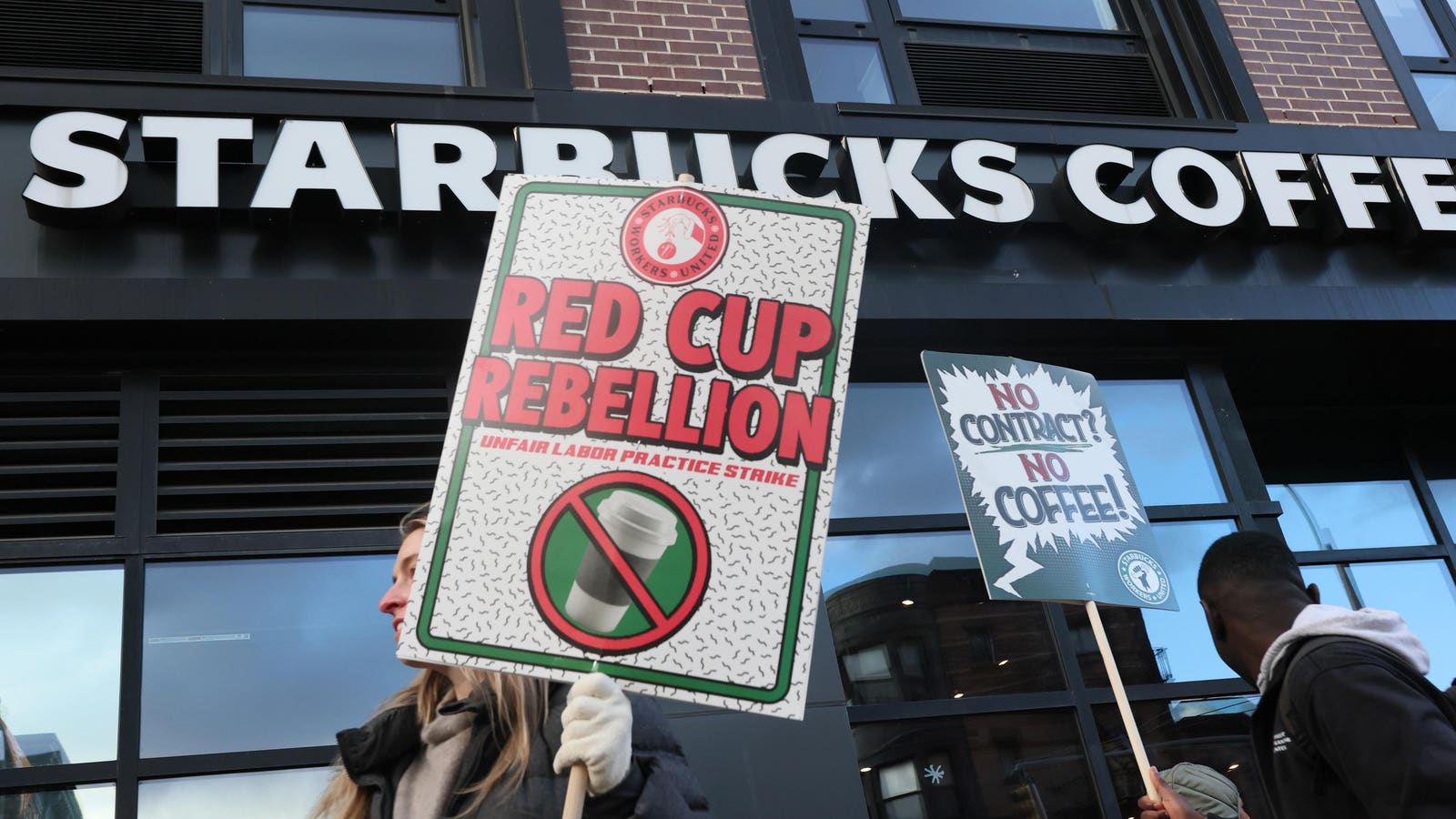
“You don't go out on strike for a job that you don't care about,” said Silvia Baldwin, a 29-year-old barista who works shifts at a Starbucks $SBUX -1.81% in West Philadelphia — or at least did until Starbucks Workers United went on strike last November. “We love our jobs. We love being in our communities and connecting with customers and being part of their daily routine.”
“I'm an opener,” she told Quartz in an interview this week. “So I get up bright and early to see all the people coming to the area for work, all the familiar faces.” Over time, the daily encounters have turned into years-long friendships, she said.
That sense of connection is precisely what Starbucks executives are now crediting with a return to growth after eight quarters of stagnation. On Wednesday, Starbucks reported that comparable store sales rose 4% in the U.S. in its fiscal first quarter, driven by modest ticket growth and, more to the point, increased visits and transactions. Consolidated revenue climbed 6% to just under $10 billion.
“Our Q1 results demonstrate our ‘Back to Starbucks’ strategy is working and we believe we’re ahead of schedule,” CEO Brian Niccol said in a statement, pointing to more customers choosing Starbucks more often. The strategy includes renewed emphasis on the customer experience — especially deliberate, personal interactions between baristas and customers — or what the company calls its “Green Apron Service” model.