Jeffrey Greenberg / Universal Images Group via Getty Images
When Starbucks $SBUX -1.98%' then-CEO Laxman Narasimhan told investors in April 2024 that a "mid-teens percent" of mobile orders went uncompleted the previous quarter, he framed it as a customer experience problem. It was also a labor problem.
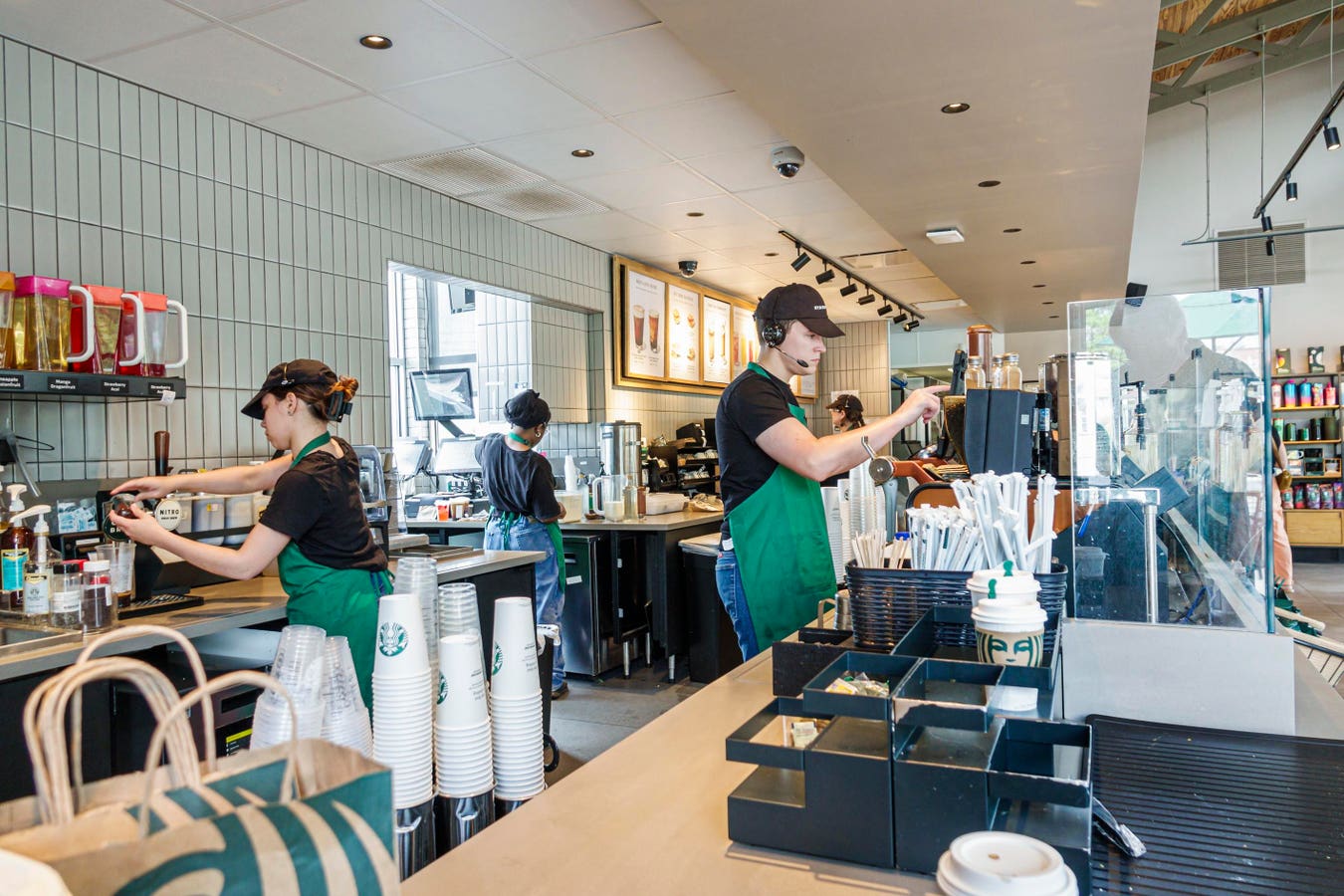
Mobile orders, in-store customers, drive-thru lines, and third-party delivery requests from DoorDash, Uber $UBER -2.04% Eats, and Grubhub all feed into the same store, made by the same workers, often on the same machines. More than three in 10 Starbucks orders come through the mobile app, and the popularity of those orders had inadvertently harmed customers' experience as baristas struggled to fill the volume, according to CX Dive.
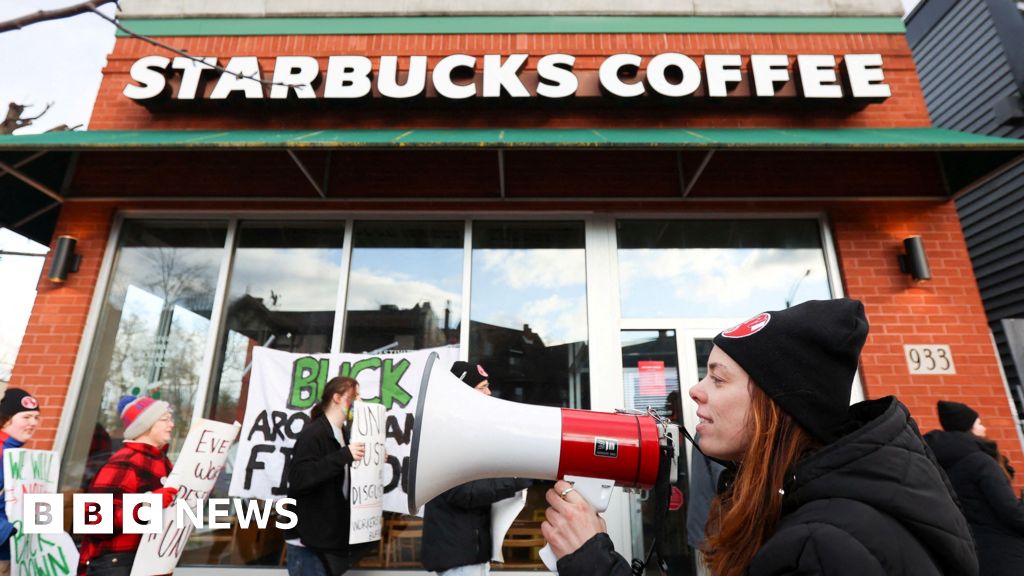
The tension reflects the broader conflict between Starbucks and its unionized baristas over understaffing, wages, and working conditions. "What would actually make it easier to connect with customers is having more workers on the floor," barista Silvia Baldwin recently told Quartz.
A Starbucks store in 2010 had one order channel: The customer standing at the counter. Today, a store can receive orders from in-store registers, the drive-thru window, the Starbucks mobile app, and at least two third-party delivery platforms. Starbucks has offered delivery through Uber Eats since 2018, and integrated DoorDash-powered delivery directly into the Starbucks app in November 2024.