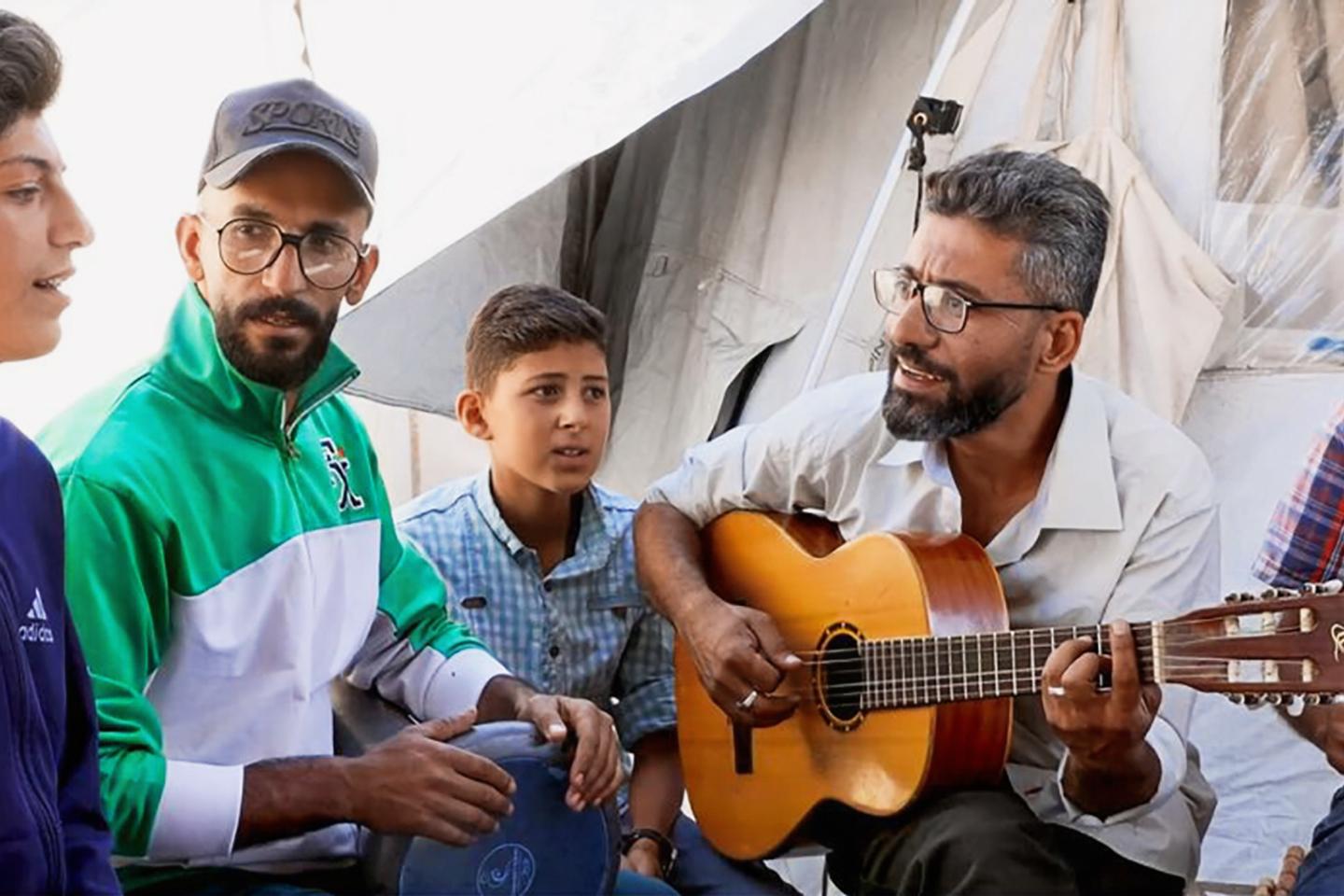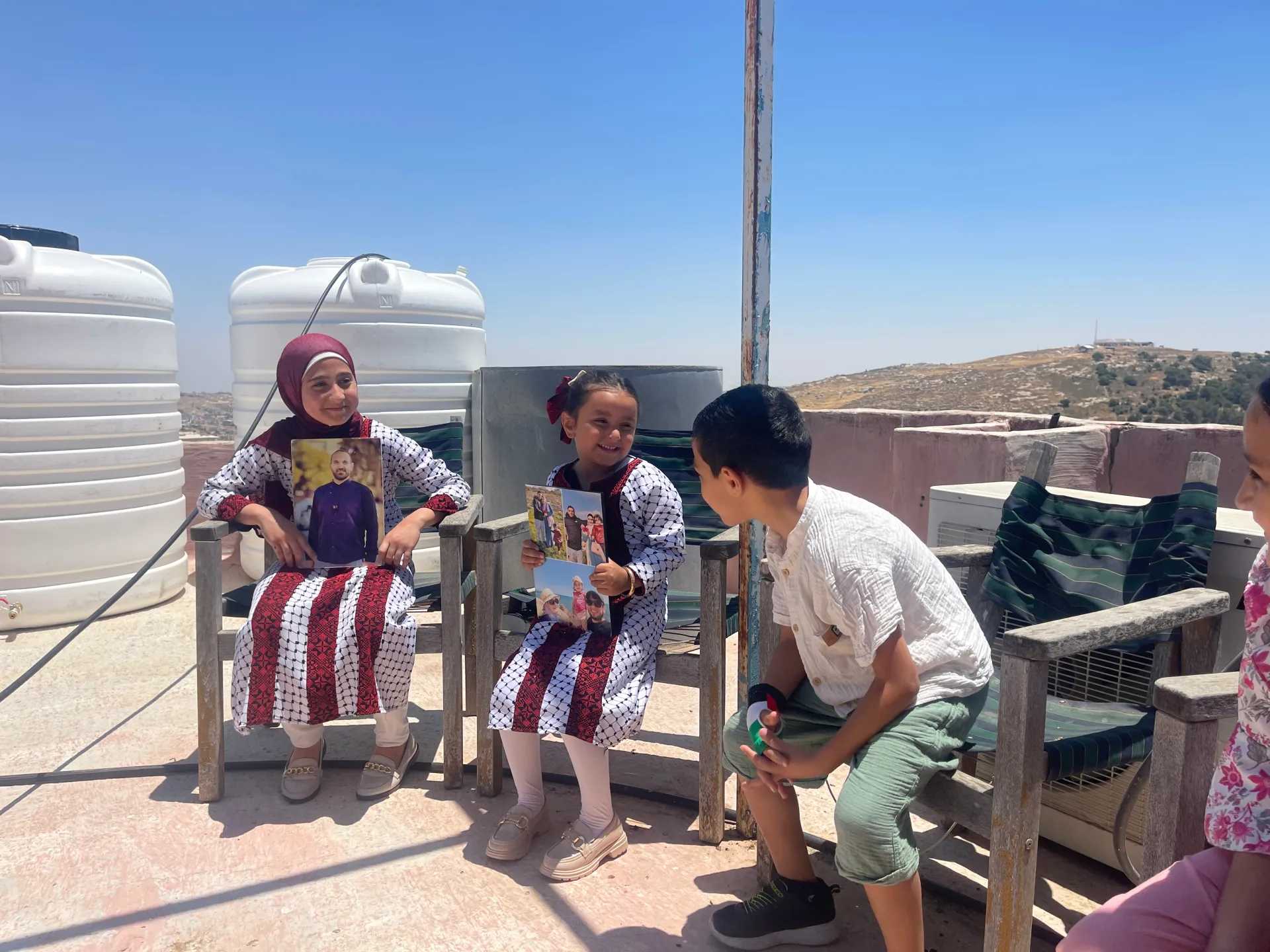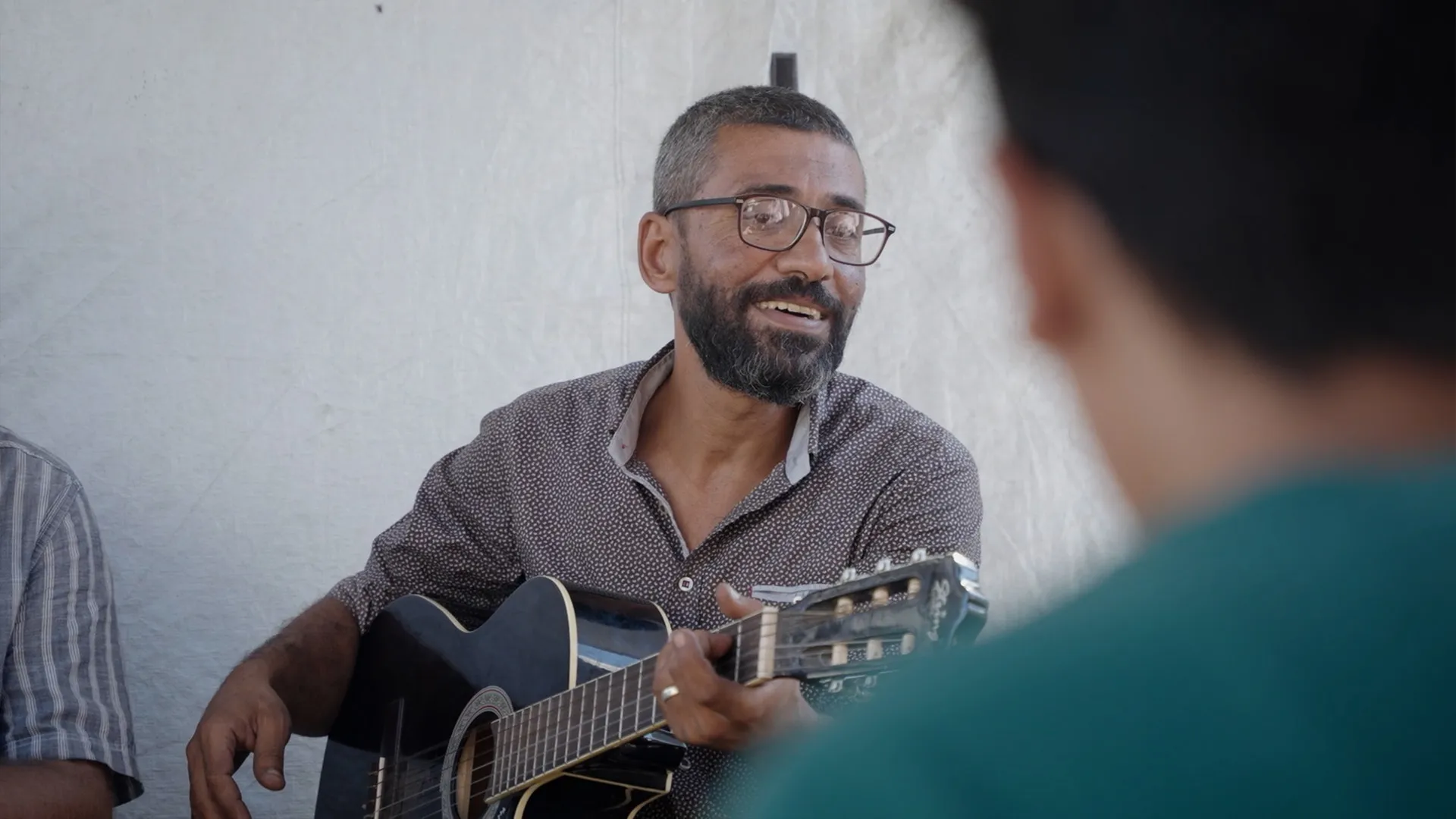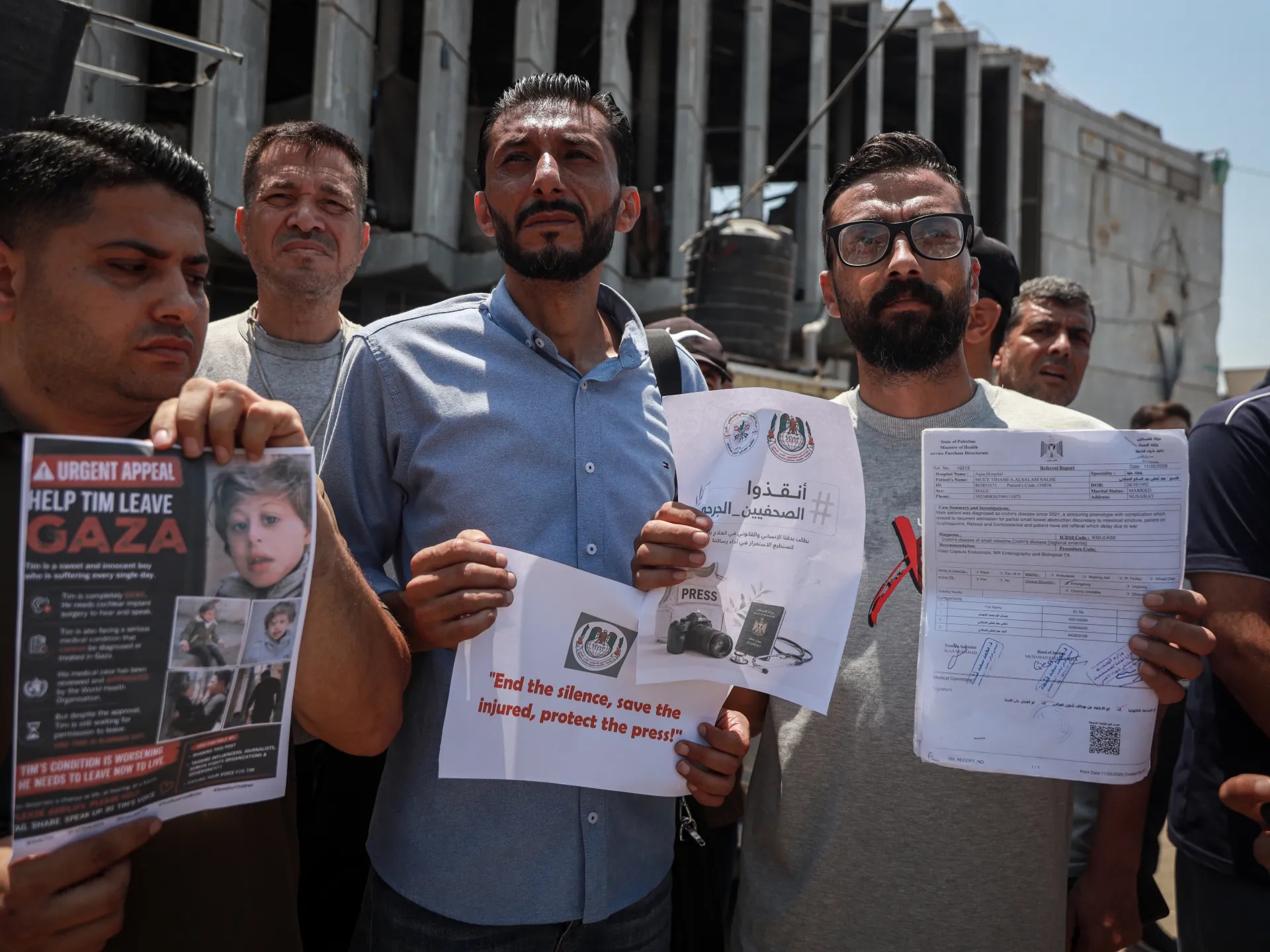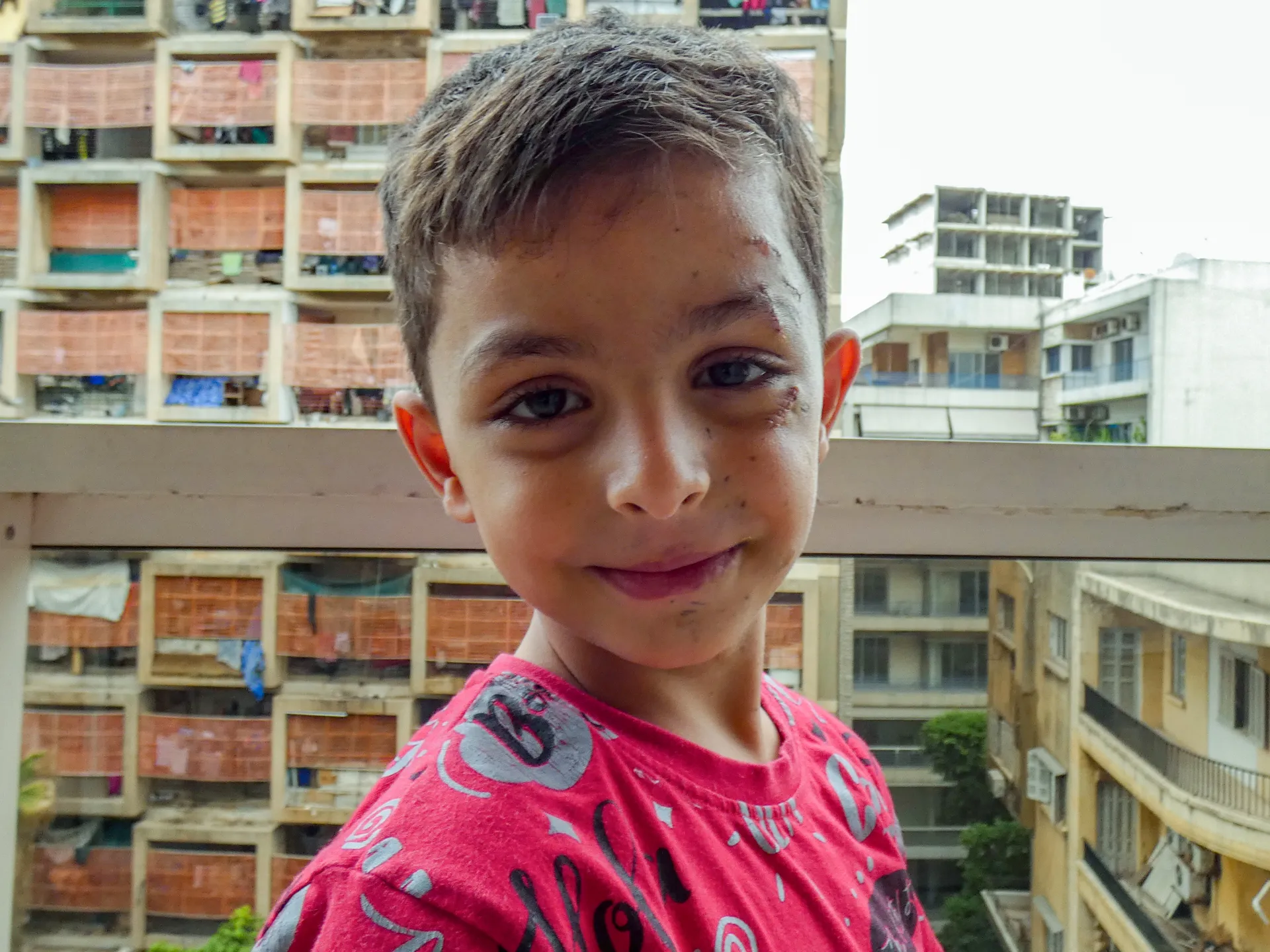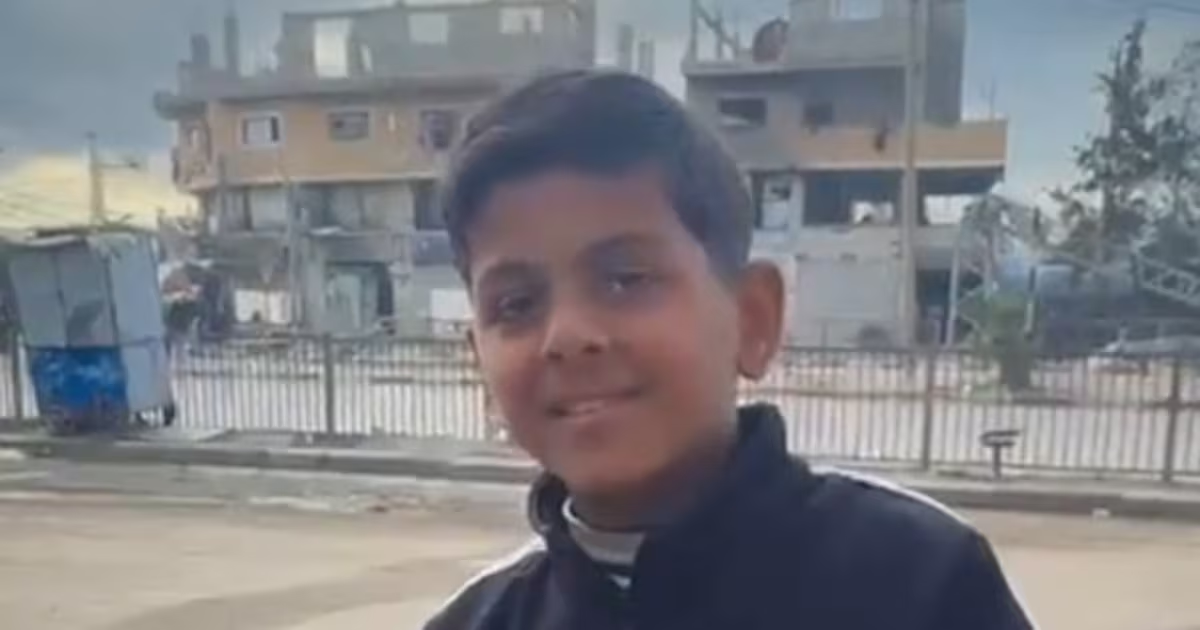
Last November, I was listening to the BBC World Service when I heard my one-time Irish Press colleague Fergal Keane reporting from Jordan on an 11-year-old boy named Abdulrahman who had a leg amputated.He is known affectionately as Aboud by his family. His father had died in an earlier Israeli air attack on Gaza. One day Aboud was at his tea stall, beside a school, trying to make some money for his widowed mother, Asma, when he was badly maimed in another such attack. After the amputation, Asma told Fergal: “He started pulling his hair and hitting himself hard. He became like someone who has depression; seeing his friends playing and running around ... and he’s sitting alone.” The next time Fergal met Aboud in Jordan, there was a smile on his face. He was getting used to his prosthetic leg and riding a bicycle. Someone had given him an oud, a short-necked Middle Eastern lyre, and he was learning to play it.The sorrowful punchline to the story was the Israel Defense Forces confiscated it on his return to Gaza, so I got in touch with Fergal and asked for the family’s contact details with a promise to try to rectify matters.My acquaintance with Palestine’s Edward Said National Conservatory of Music (ESNCM) goes back 10 years to when I brought Rafeef Ziadeh, the Palestinian spoken-word artist and activist to perform in Geneva at an event organised by the Geneva Literary Aid Society (GLAS).Rafeef suggested that we donate the proceeds to the Gaza School of Music, a branch of the Conservatory based in Gaza City but with a broad outreach to children and youth across the Strip. This was at a time when the population was still recovering from Israel’s Operation Protective Edge in 2014, which killed more than 2,000 people and left 500,000 homeless.Over the last ten years many Irish artists have performed here in Geneva and raised funds for the school. Theatre has included Pat Kinevane’s King, Mikel Murfi’s The Man in the Woman’s Shoes, Donal O’Kelly’s The Cambria, Gerry Farrell’s Blooming Ulysses and Margaret McAuliffe’s The Humours of Bandon. Musicians Luka Bloom, Lisa Lambe, Colm Mac Con Iomaire and Mark Geary have visited. Geneva-based musicians Eoghan O’Sullivan and The Emigrants have also done their bit.[ Israel sidelined as Trump pushes Iran agreementOpens in new window ]Displaced Palestinian children learn to play musical instruments at a tented learning centre run by the Edward Said National Conservatory of Music in a camp in Gaza City. Photograph: AFP via Getty Images It was a nice thing to do, supporting the purchase of instruments and teaching for the hundreds of children who benefited from instruction and participation in its various ensembles and choirs and even the occasional opportunity to perform abroad with the Palestine Youth Orchestra.All that came crashing down in the war unleashed after the Hamas attacks and hostage-taking on October 7th, 2023. The school’s main building in Gaza City was destroyed along with many musical instruments including Gaza’s only grand piano.The Israeli assault has resulted in the deaths of over 21,000 children, according to the UN. Among those children was the promising 14-year-old violinist Lubna Alyan, who died along with more than 40 members of her family early in the war.Another child, Muhammad Abu Aida, lost his right hand in an Israeli bombardment of the UN school in Nuseirat refugee camp. Psychological support sessions for injured and traumatised children often include music. He started to take violin lessons using a piece of cloth to secure the bow to his right arm.With the support of the Conservatory’s executive director, Sima Khoury Odeh, based in Ramallah, the school has somehow risen from the ruins to plant new roots in bombed-out buildings, tented camps, on the beaches, wherever they can safely gather children for improvised lessons and singing.This stubborn rebirth spearheaded by staff and volunteers was recognised late last year by the International Music Council when it bestowed the 2025 Music Rights Award on the Gaza Sings project.It was recognition the work with children goes beyond music ‘to foster healing, protect artistic livelihoods, preserve cultural memory, and affirm that Gaza’s story will not be defined by sorrow alone.’Displaced Palestinian girls practice and play the violin as part of a music education programme within the Edward Said National Conservatory of Music’s tented learning centre in Gaza City. Photograph: AFP via Getty Images So, getting back to Fergal and Aboud. With Fergal’s help, Sima put the word out in Gaza and eventually Aboud was traced to a tent in the Bureij refugee camp. A few weeks ago, a short video taken on a phone, showed him rocking up on his bicycle, beaming from ear to ear, to be presented with his new oud.He keeps telling his mother that it’s the best gift he has ever got. A new, more hopeful chapter is opening in his young life thanks to whatever healing power music can bring in such deprived circumstances.A new chapter is also opening in Fergal’s life as he prepares to leave the BBC where he has served with distinction for the last 37 years, often at great risk to his own safety and wellbeing.Fergal’s war reporting was always laced with empathy for the victims like Aboud and his family, and there was no doubting how moved he was when he saw Aboud’s smiling face in that short video. “Beyond words,” he responded.[ Why is Trump pressing Arab countries to normalise ties with Israel?Opens in new window ]
Beyond words: Denis McClean on how music is helping Palestinian children to heal
The next time Fergal Keane saw Aboud, in a phone video sent from Gaza, the boy was smiling
913 words~4 min read