Kevin Sullivan / Digital First Media / Orange County Register via Getty Images
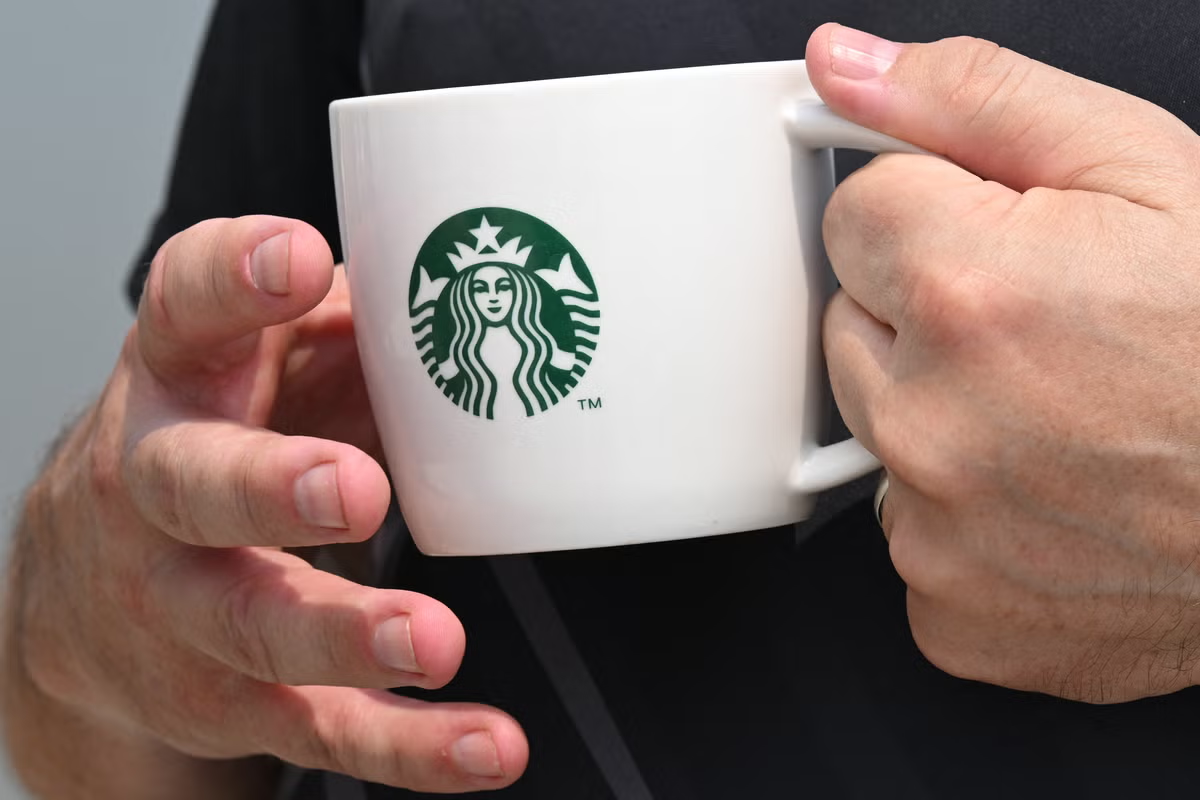
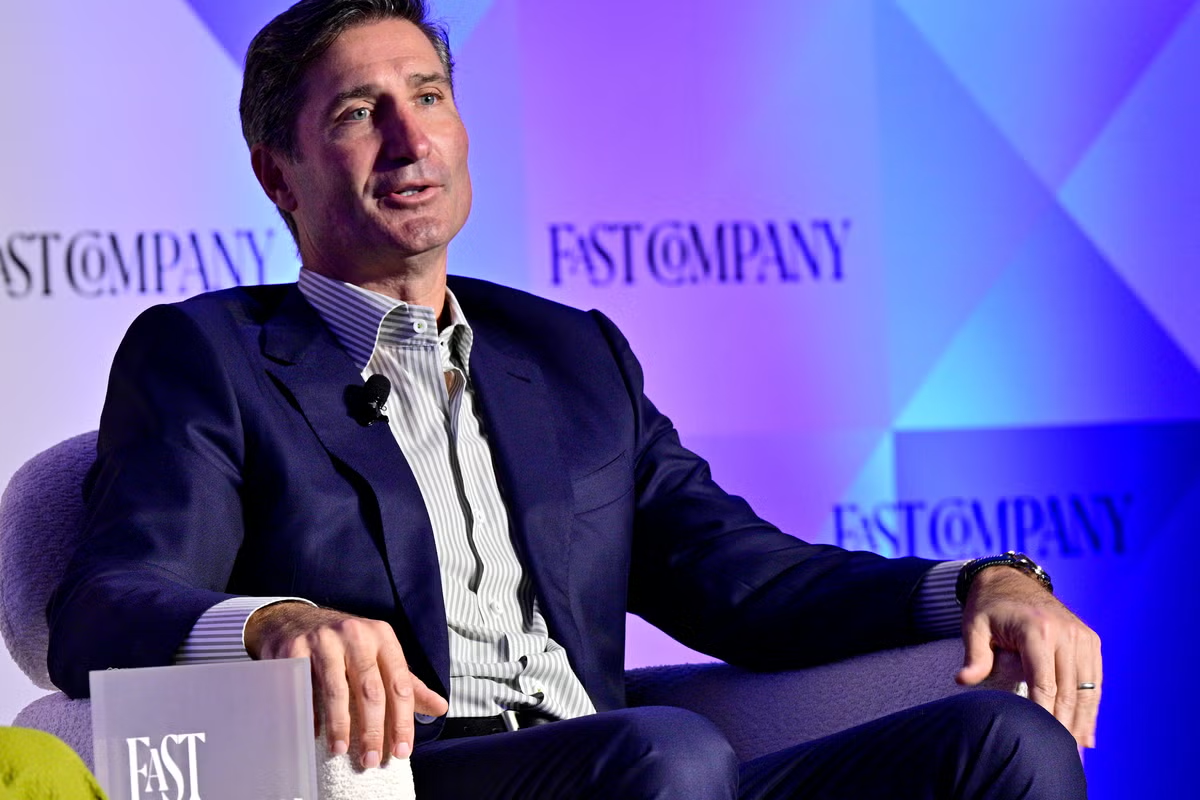
At 6,666 to 1, the ratio of CEO Brian Niccol's compensation to that of the median Starbucks $SBUX -1.98% employee was the widest at any company in the S&P 500, according to the AFL-CIO's 2025 Executive Paywatch report. The number is not a typo. Starbucks annualized Niccol's base salary and bonus for calculating his 2024 pay ratio total compensation of $96 million. The typical Starbucks worker's pay was $14,674.
That figure sits below the federal poverty line for an individual. Starbucks noted in its SEC filing that its typical worker is a part-time barista in the U.S. and that many of its employees work in part-time, flexible positions, which has the effect of lowering the compensation level of its median employee. The calculation also includes the company's global workforce of about 361,000 staffers, not just the roughly 210,000 U.S.-based workers.
Even accounting for those caveats, the gap places Starbucks in a category of its own. The question is how this compares with the rest of the food service industry, and what the comparison reveals.
Thanks to the Dodd-Frank Act, publicly traded corporations are required to disclose the ratio between the median worker pay and respective CEO pay in their proxy statements. That rule, adopted by the SEC in 2015, has created a public ledger of pay inequality across corporate America.