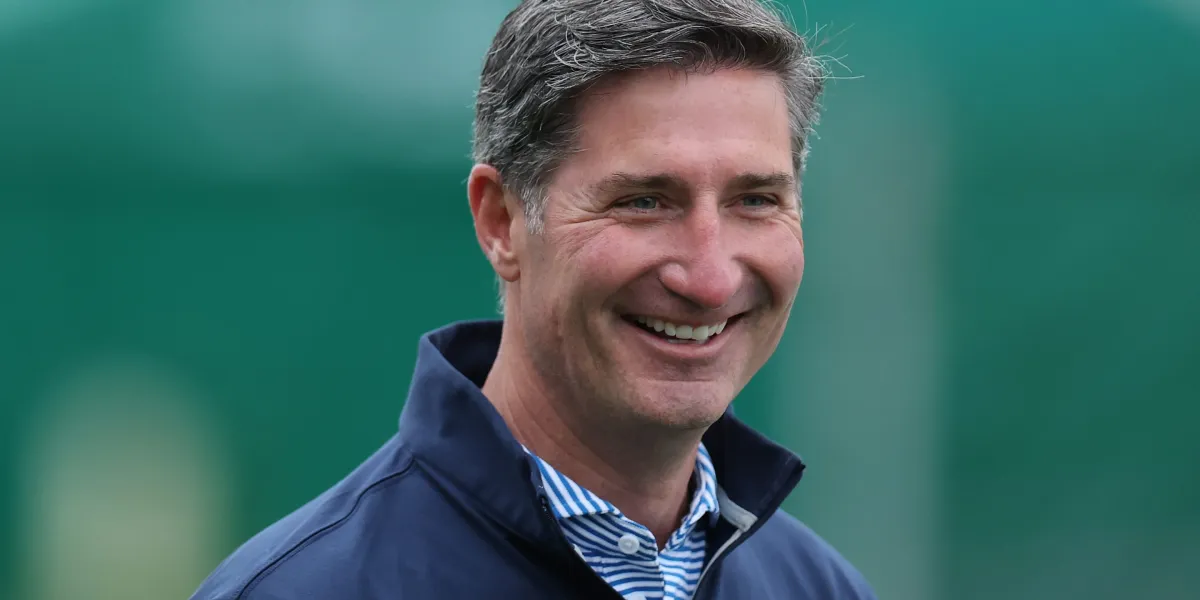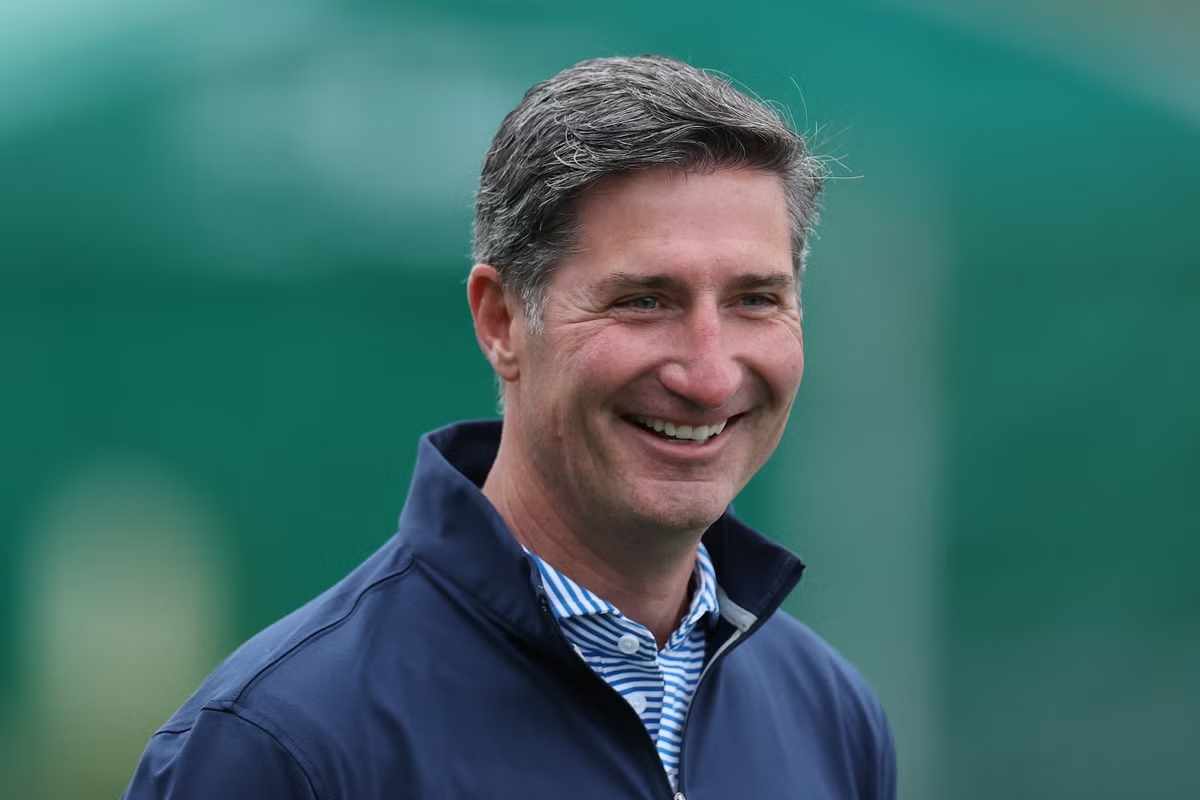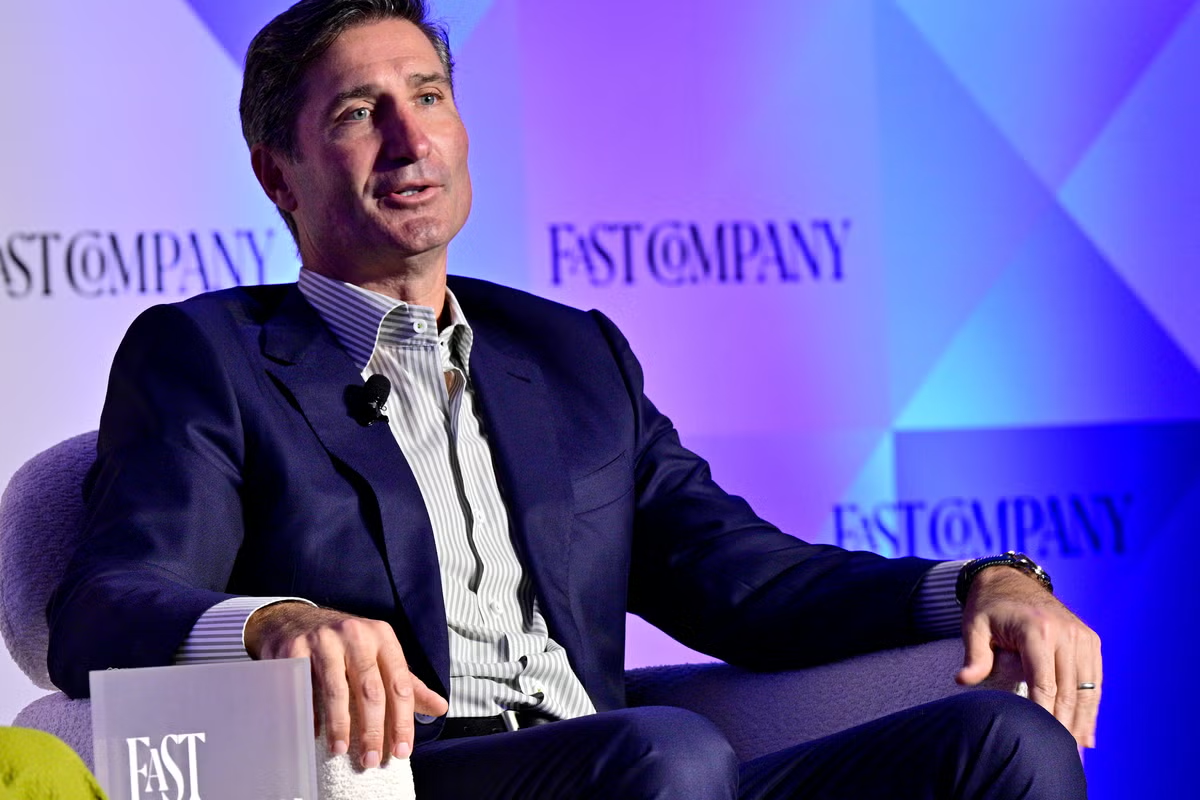
Starbucks CEO Brian Niccol did a lot better than the coffee chain’s typical barista last year. A few thousand times better, in fact.Niccol’s $96 million pay package for 2024 was 6,666 times larger than that of Starbucks’ median employee ― the most lopsided CEO-to-worker pay ratio in a new analysis of “low wage” employers by the Institute for Policy Studies, a progressive think tank. The Seattle-based company easily topped the list thanks to Niccol’s roughly $90 million in stock awards. Most of the unusually high stock grants were meant to cover money Niccol was forfeiting to leave the fast-casual burrito chain Chipotle last year. In a typical year, his target stock award would be around $23 million.By comparison, Starbucks’ median worker took home $14,674 for the year, a figure provided to the Securities and Exchange Commission that includes part-time employees and workers overseas. Boosting pay has been a central aim of the Starbucks Workers United campaign, which has unionized more than 600 stores around the country since 2021.Niccol’s compensation is now “directly tied to Starbucks’ future performance,” Andrew Trull, a Starbucks spokesperson, told HuffPost.“Starbucks believes Brian has established himself as one of the most effective leaders in our industry, with a proven track record of delivering long-term value to employees, customers and shareholders,” Trull said.“It’s the ‘great man’ theory of corporate value that says these guys are worth hundreds or thousands of times more than their typical worker.”- Sarah Anderson, Institute for Policy StudiesSarah Anderson, who authored the report, told HuffPost the Starbucks example may be extreme, but she views it as part of a “broader trend” in which executive pay soars compared to that of the rank-and-file employee.“It’s just an outrageous case,” Anderson said. “It’s the ‘great man’ theory of corporate value that says these guys are worth hundreds or thousands of times more than their typical worker.”The analysis, titled “Executive Excess,” looks at the 100 employers in the S&P 500 stock market index with the lowest median worker pay. Public companies are now required to report those pay figures in annual filings.CEO pay among those 100 companies shot up 34.7% over a five-year stretch, to an average of $17.2 million, compared with a 16.3% increase for the median worker over the same period, to an average of $35,570. The biggest drop in median worker pay occurred at Ulta Beauty, the cosmetics chain, falling 46% over five years, to $11,078. The report attributes that plunge to an expansion in the company’s part-time workforce, pulling down the typical worker’s annual pay.Starbucks CEO Brian Niccol looks on during the Golden Bear Pro-Am prior to the Memorial Tournament presented by Workday 2025 at Muirfield Village Golf Club on May 28, 2025, in Dublin, Ohio. Michael Reaves via Getty ImagesThe report notes that many companies have opted to plow money into stock buybacks as opposed to increasing wages. That’s when a firm purchases its own shares on the open market to juice the value of the remaining shares and reward investors, including the firm’s executives who hold high amounts of stock.The companies analyzed in the report collectively spent $644 billion on stock buybacks over a five-year period, “siphon[ing] resources out of worker wages and productive long-term investments.” Anderson argues federal policymakers could do a lot to discourage buybacks, including by restricting them as a condition of federal contracts, and by increasing an existing tax on them. Congress passed a 1% excise tax on stock buybacks under President Joe Biden.Top among the companies doing buybacks were the home-improvement retailers Lowe’s and Home Depot, according to the analysis. They spent $46.6 billion and $37.9 billion, respectively, over the five-year stretch. Anderson said such money would be better spent on employees, noting that it can be hard to find a worker to help you when you’re looking for something in a Lowe’s or Home Depot. The report estimates that Lowe’s could have added 88 workers at each of its stores with the money it devoted to buybacks.“The understaffing is a really big deal,” she said. “It makes it hard for employees to provide good customer service when they’re run so ragged.”
Starbucks CEO’s Pay Was Over 6,000 Times More Than Typical Barista’s Last Year
A new report finds the rise in executive compensation is outstripping pay gains for ordinary workers at major companies.
685 words~3 min read