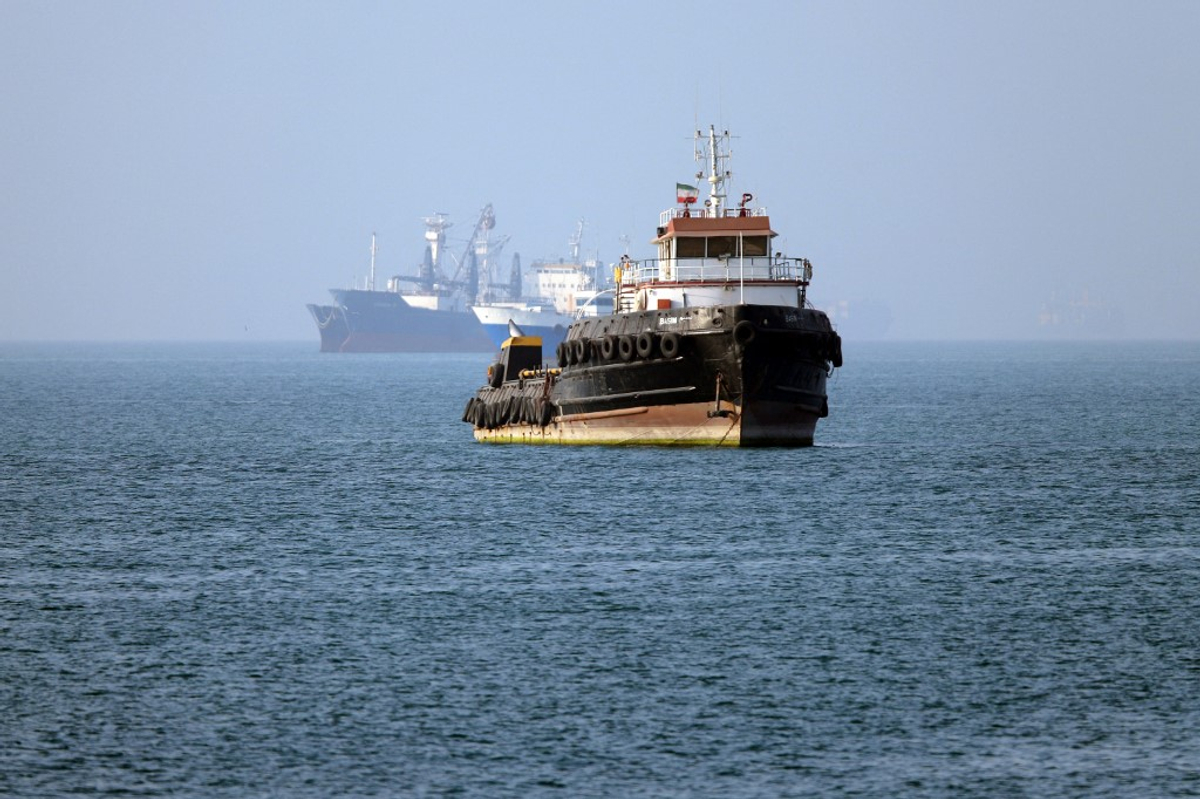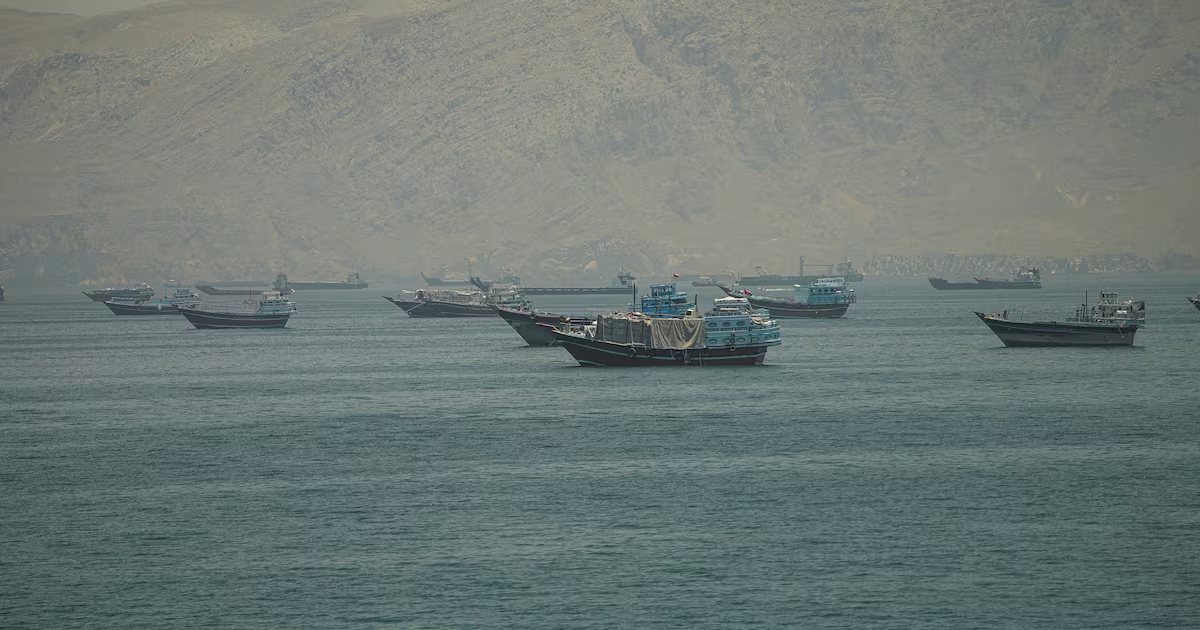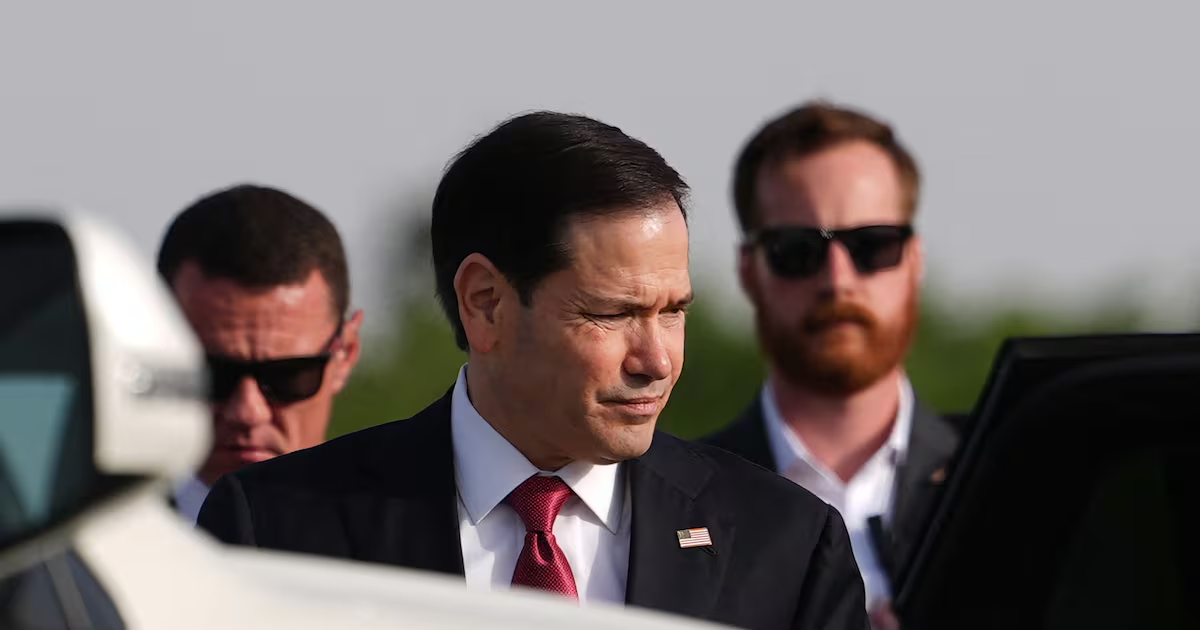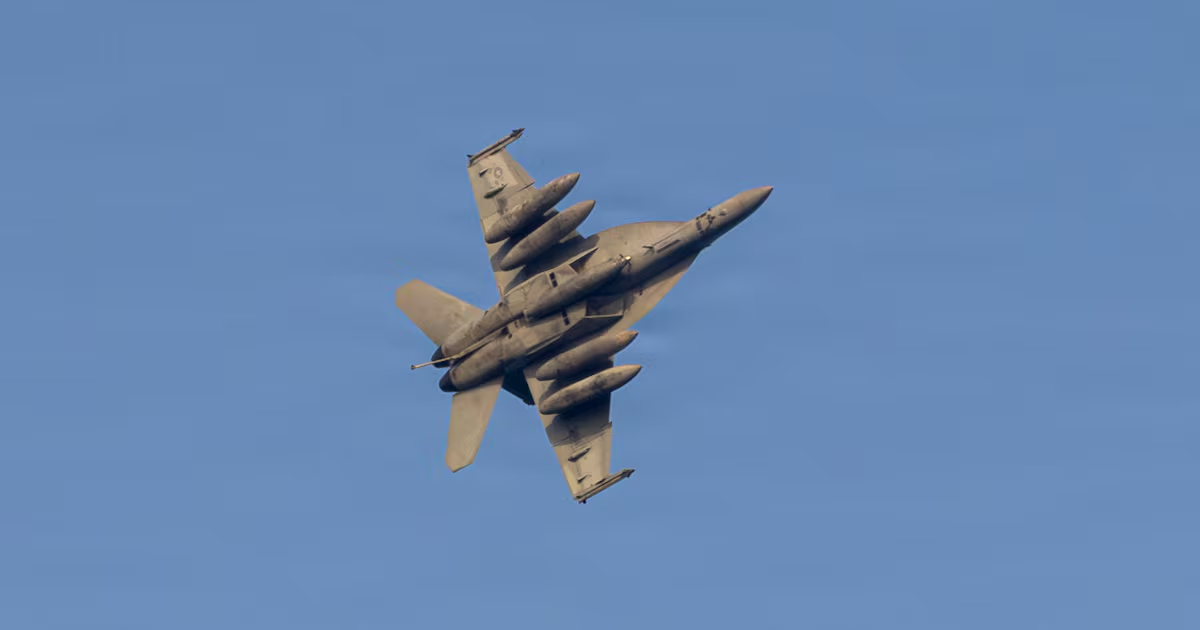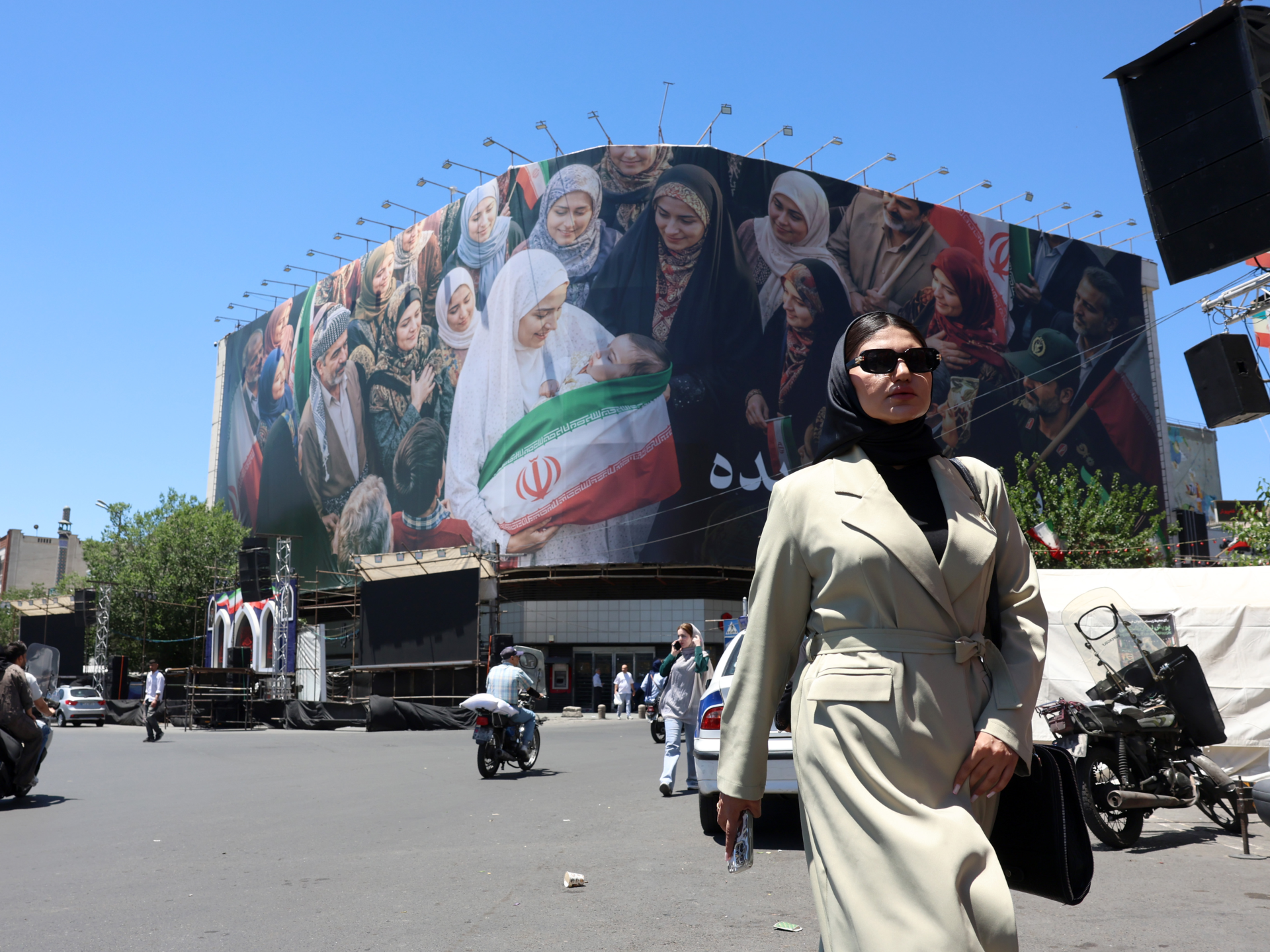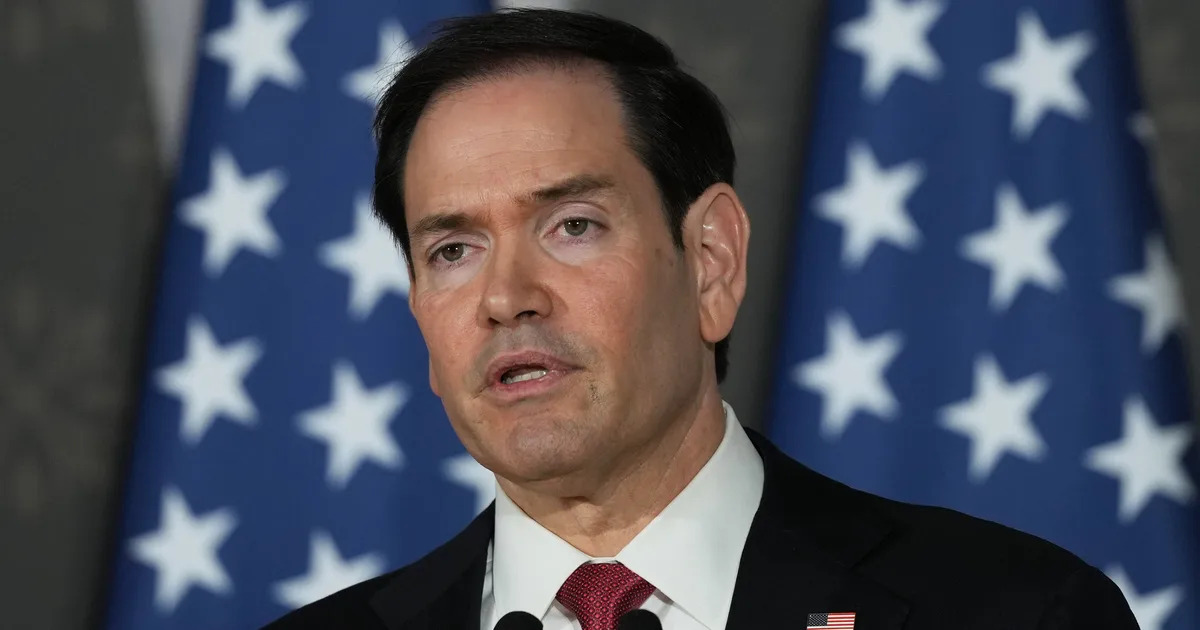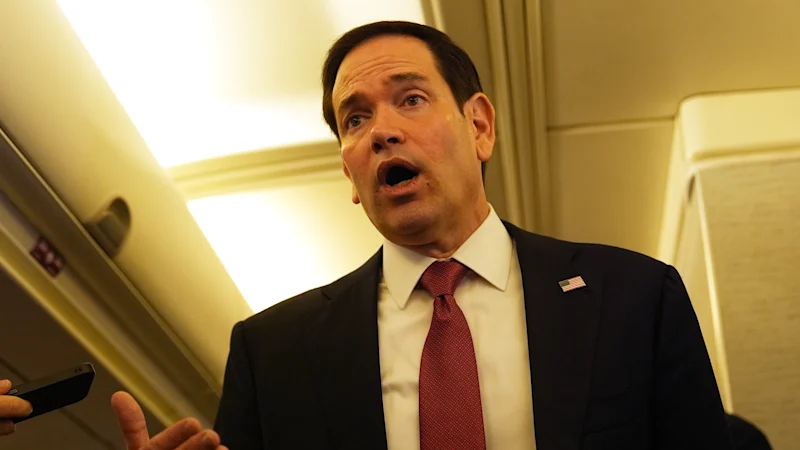
Updated May 27, 2026 — 2:34am,first published May 26, 2026 — 12:28amTampa/Washington: Iran said the US had violated a tenuous ceasefire after the military carried out what it called “self-defence” strikes in southern Iran, including on missile launch sites and boats placing mines, while US Secretary of State Marco Rubio said negotiating a deal to end the conflict could “take a few days”.Iran’s foreign ministry said US strikes in Iran’s southern Hormozgan province, where Iranian media reported sounds of explosions early on Tuesday, represented a “gross violation” of the ceasefire in place for nearly seven weeks.Donald Trump with Saudi Crown Prince Mohammed bin Salman at the White House last year. Saudi Arabia has resisted joining the Abraham Accords.BloombergThe strikes were designed “to protect our troops from threats posed by Iranian forces”, US Central Command said in a statement on Monday (Washington time), which added that the US would continue “to defend our forces while using restraint during the ongoing ceasefire”.Explosions were heard in Iran’s Bandar Abbas port city and coastal areas near the Strait of Hormuz, according to Iranian media.Further details were not immediately available, including more specifics on the threats from Iran and what this meant for negotiations to end the war.Iran had sent its parliament Speaker, Mohammad Bagher Ghalibaf, to Qatar for talks over the possible deal with the US.Regarding securing a deal, Rubio told reporters on his plane in India’s Jaipur there was “a lot of talking back and forth going on about specific language in the initial document”.US Secretary of State Marco Rubio speaks to reporters on board his plane at Jaipur International Airport.Julia Demaree Nikhinson/Pool AP via AP“It’ll take a few days,” Rubio said. “The president’s expressed his desire to make it – he’s either going to make a good deal or no deal. So on that, everyone should be assured. But that may take a little while, I mean, a few more days.”He said that the Strait of Hormuz had to be open “one way or the other”.Earlier, Trump dramatically expanded the scope of the negotiations by demanding Arab nations sign agreements with Israel and threatening to freeze key Gulf allies out of the discussions if they failed to do so.Trump confirmed that during a phone call on Saturday with the leaders of Arab countries, including Saudi Arabia, Qatar, Egypt and Jordan, he pressed them to join the Abraham Accords – a diplomatic agreement from his first term by which Arab nations normalise relations with Israel.“It may be possible that one or two have a reason for not doing so, and that will be accepted, but most should be ready, willing and able to make this Settlement with Iran a far more Historic Event than it would, otherwise, be,” Trump posted on social media.He said he was “mandatorily requesting” that all countries join the accords. “It should start with the immediate signing by Saudi Arabia and Qatar, and everybody else should follow suit. If they don’t, they should not be part of this Deal in that it shows bad intention.”Trump also claimed Arab leaders would be “honoured” to have Iran join the Abraham Accords once a deal to end the war was signed – as would he. “Wow, now that would be something special!” he said.“This will be the most important Deal that any of these Great, but always in Conflict Countries, will ever sign. Nothing in the past, or in the future, will surpass it.”The US president’s social media post came a day after news website Axios reported that Arab leaders were surprised when Trump asked them to sign up to the accords during a phone call about Iran over the weekend.“There was silence on the line, and Trump joked and asked if they are still there,” a US official told Axios on Sunday (US time).Middle East analysts were generally sceptical that Trump would succeed in rallying support for the Abraham Accords as part of the Iran negotiations, especially given prevailing Arab sentiment towards the government of Israeli Prime Minister Benjamin Netanyahu.Trump has tried to sign other Arab nations up to the Abraham Accords from his first term, but with little success.Getty Images‘Expand the pie’Dan Shapiro, a former US ambassador to Israel, now a fellow at the Atlantic Council think tank, said a charitable interpretation of Trump’s strategy was that he was trying to solve one problem by packaging it with others and bringing in more stakeholders.“There’s a concept in diplomacy; when the problem is too hard, expand the pie,” Shapiro said on X. “The realistic interpretation is that this pie is as delusional as a moon made of green cheese.”Trump addresses the crowd at Arlington National Cemetery on Monday for Memorial Day.AP Photo/Alex BrandonAaron David Miller, a former Middle East expert and negotiator at the US State Department, pointed to a recent joint statement by Arab nations strongly condemning Israeli National Security Minister Itamar Ben-Gvir for taunting activists on a Gaza-bound flotilla while they were in Israeli custody.The statement – signed by the foreign ministers of Qatar, Saudi Arabia, the United Arab Emirates, Pakistan and others – accused Ben-Gvir of a “disgraceful assault on human dignity” and a violation of Israel’s obligations under international law. They also condemned him for his provocative actions against Palestinians in the Occupied Palestinian Territories.“It’s laughable that after this statement, Trump is pressing Gulf states to join the Abraham Accords,” Miller said. “Trump’s track record for reading his adversaries right, namely Iran, is pretty bad – now he’s misreading America’s Gulf partners.”Some of Trump’s political allies backed the move to pressure Arab nations on the Abraham Accords.Israeli National Security Minister Itamar Ben-Gvir (right) alongside his Prime Minister Benjamin Netanyahu in Israel’s parliament in March 2023.APLindsey Graham, a Republican senator who was one of the main cheerleaders for the military campaign against Iran, called it a “brilliant move” and warned America’s Gulf allies that there would be consequences for saying no.Trump has long wanted Saudi Arabia in particular to join the accords and normalise its relations with Israel. Riyadh maintains that it will not do so without a meaningful and irreversible pathway towards Palestinian statehood. The only countries to have signed up so far are Israel, the UAE, Bahrain, Morocco and Sudan.Meanwhile, Trump said negotiations with Iran were “proceeding nicely”, but gave no indication that a breakthrough was within reach on key aspects of the deal, such as the fate of Iran’s uranium stockpiles, restrictions on its ability to enrich uranium in the future, or reopening the Strait of Hormuz.The war began on February 28 when the US and Israel launched joint strikes against Iran, but a fragile ceasefire has been in place since April 8.Most reports indicate mediators are pursuing a framework agreement that would gradually reopen the strait in return for the US easing its naval blockade of Iranian ports, and commence a 30- to 60-day period of talks on Iran’s nuclear program.“It will only be a Great Deal for all or, no Deal at all — Back to the Battlefront and shooting, but bigger and stronger than ever before — And nobody wants that!” Trump wrote on Truth Social on Monday (US time).Speaking at Arlington National Cemetery on Monday to mark Memorial Day, Trump briefly addressed the conflict, acknowledging the 13 Americans who had died during Operation Epic Fury.“These incredible men and women gave their lives to ensure that the world’s No.1 state sponsor of terror will never have a nuclear weapon. Oh, and they won’t, they will never have a nuclear weapon. I’m sure you know that,” he said to applause.In Tehran, Foreign Ministry spokesman Esmaeil Baqaei affirmed there was progress in the negotiations, but said Iranian officials would not react to every social media post or utterance from the American side, according to state-affiliated media.“It is fair to say that we have reached understandings on many issues. But whether this means an agreement is imminent is something no one can claim at this stage,” the Islamic Republic News Agency quoted him as saying.From our partners
US strikes a ‘gross violation’ of ceasefire: Iran
Iran’s foreign ministry said the US had violated a ceasefire in place for nearly seven weeks, while US Secretary of State Marco Rubio said he expected negotiations over a deal to “take a few days”.
1,332 words~6 min read