Next.js has grown into a global publishing framework where multilingual and real-time content are first-class citizens. In 2026, developers can combine Incremental Static Regeneration (ISR), React Server Components, and edge runtimes to deliver fast, localized experiences that update instantly without full rebuilds. This guide walks through how to design, configure, and optimize a multilingual architecture in Next.js with ISR: locale routing, CMS integration, live previews, continuous localization, and performance strategies for large-scale global apps.
Defining your multilingual architecture
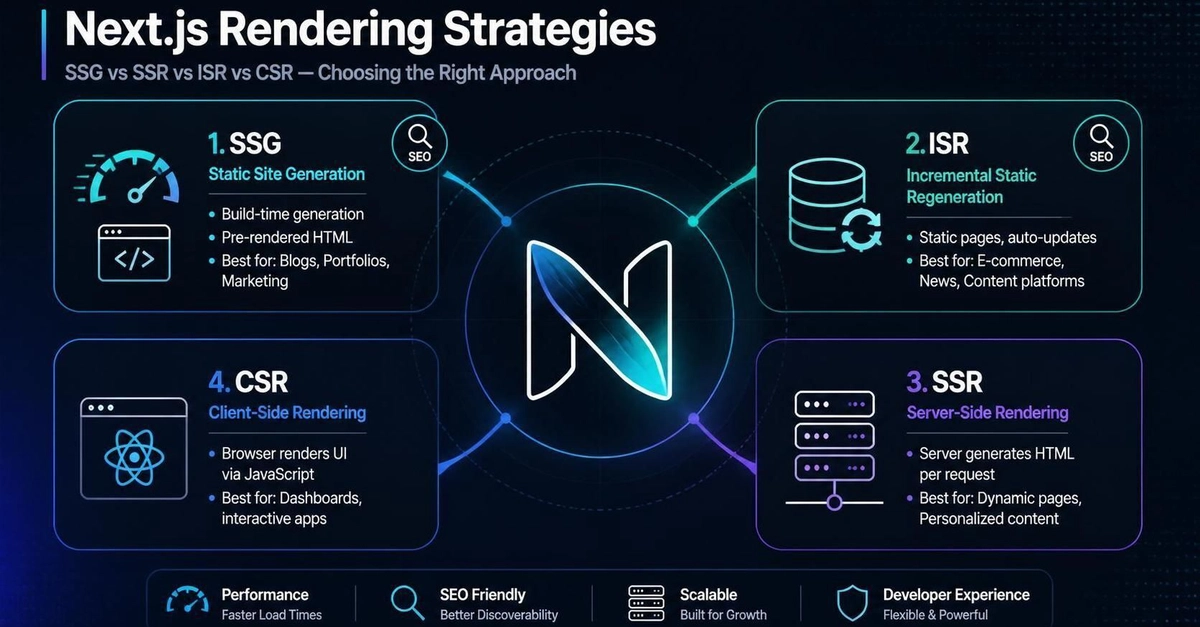
Building a robust multilingual architecture starts with understanding how Next.js renders content. The framework supports several rendering modes, each suited to different scenarios.
Static Site Generation (SSG) prebuilds pages at deploy time and works best for rarely changing multilingual pages like documentation.
Server-Side Rendering (SSR) generates pages on demand for user-specific or fast-changing content.