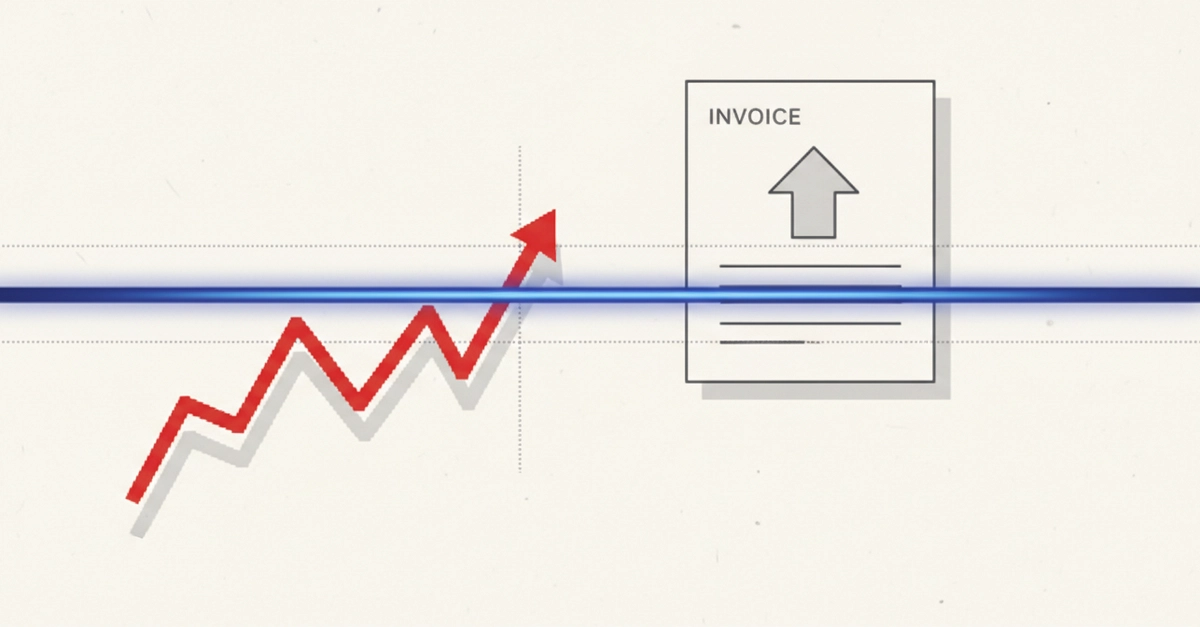
The bill that arrives after the incident
Picture the worst version of a Tuesday. You ship a deploy, a downstream API starts timing out, and your retry logic turns one failure into forty. A single broken code path is now throwing the same exception in a hot loop. By the time you have rolled back, your app has emitted two million error events in ninety minutes.
Your error monitoring tool ingested every single one of them. It was very good at its job.
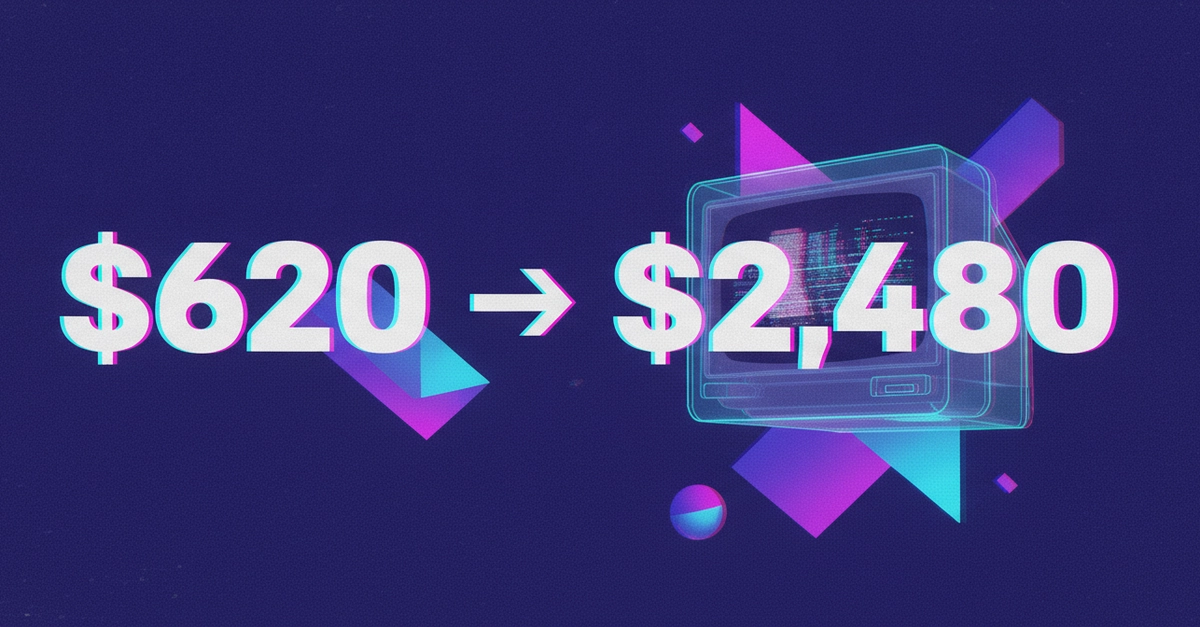
Then, a few days later, the second incident arrives: an invoice. The $26/month plan you signed up for has quietly become a $390 bill, because you blew through your included event volume and the meter kept running at some fraction of a cent per event. Nobody asked you. Nobody could ask you, because the events arrived faster than any human could approve them.
This is the part of usage-based monitoring that I find genuinely backwards. The pricing is anti-correlated with your wellbeing. The tool charges you the most at the exact moment you are already having your worst day. A traffic spike, a bad release, a noisy dependency, a retry storm: every one of these is both an operational emergency and a billing event. The product that is supposed to help you through the incident is, at the same time, metering you for the privilege.