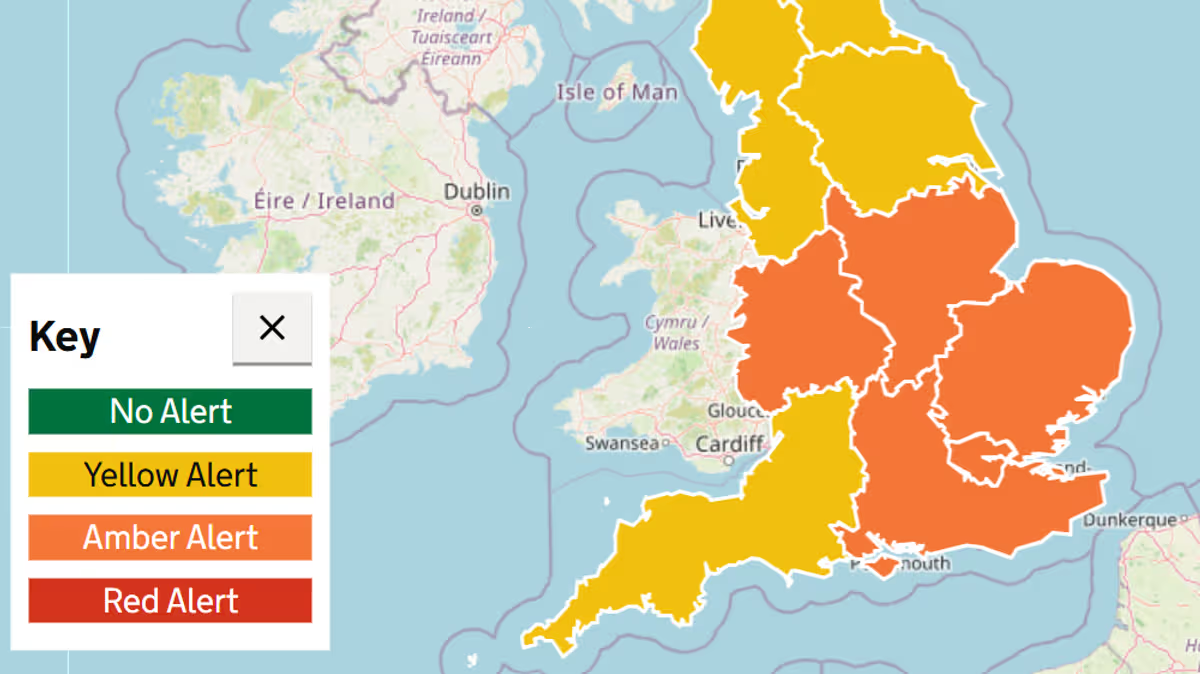
The UK Health Security Agency has extended its amber heat-health alertRory Poulter15:58, 26 May 2026Brits across large parts of England have been placed under an extended amber heat-health alert. Officials have warned that soaring temperatures could pose a serious danger to older people, young children and those with existing health conditions.The UK Health Security Agency said the warning will now remain in force until Thursday, May 28, and has been widened to include the South West alongside the South East and central parts of England. Health officials urged people to check on vulnerable relatives, neighbours and friends as hotter weather increases the risk of heat exhaustion, dehydration and potentially fatal heatstroke.In a post on social media, the agency warned: "Amber heat‑health alerts have been extended until Thursday 28 May and now include the South West, alongside the South East and central England. Check in on vulnerable people and know what to do if someone becomes unwell in the heat."Under the UK’s Heat-Health Alert system, an amber warning means weather impacts are likely to be felt across the wider health service, with possible rises in deaths and illness among vulnerable groups. The alerts are issued when high temperatures are expected to have a significant effect on hospitals, care homes and other services.Areas covered by the amber warning include London, the South East, East Midlands, West Midlands, East of England and the South West, according to the alert map released by health officials. Experts warned that while many people enjoy hot weather, extreme heat places extra strain on the body because the heart has to work harder to keep the body cool.Content cannot be displayed without consentThe agency explained that sweating and increased blood flow near the skin help regulate body temperature, but dehydration can quickly trigger problems including dizziness, fainting, muscle cramps and heat exhaustion. Symptoms of heat exhaustion can include headaches, nausea, heavy sweating and tiredness, with older people, pregnant women, children and those suffering from heart or lung conditions most at risk.Article continues belowThe NHS advises moving anyone suffering heat exhaustion to a cool place, encouraging them to drink water and cooling their skin with sprays, damp cloths or ice packs. Officials warned people should call 999 if someone remains unwell after 30 minutes, stops sweating despite feeling hot, develops confusion or has a temperature above 40C - all signs of heatstroke, which is considered a medical emergency.The agency also warned that hot weather can worsen existing conditions including heart disease, asthma, COPD, diabetes and kidney disease. Certain medications including diuretics, beta-blockers and some antidepressants can also make it harder for the body to cope in high temperatures.Officials advised people to stay hydrated, keep homes cool by shading windows and opening them at night, and avoid overheating indoors by switching off unnecessary electrical equipment. They also suggested spending time in cooler public spaces such as libraries, community centres and places of worship if homes become too hot.
UKHSA health warning after Amber alert extended
The UK Health Security Agency has extended its amber heat-health alert
488 words~2 min read