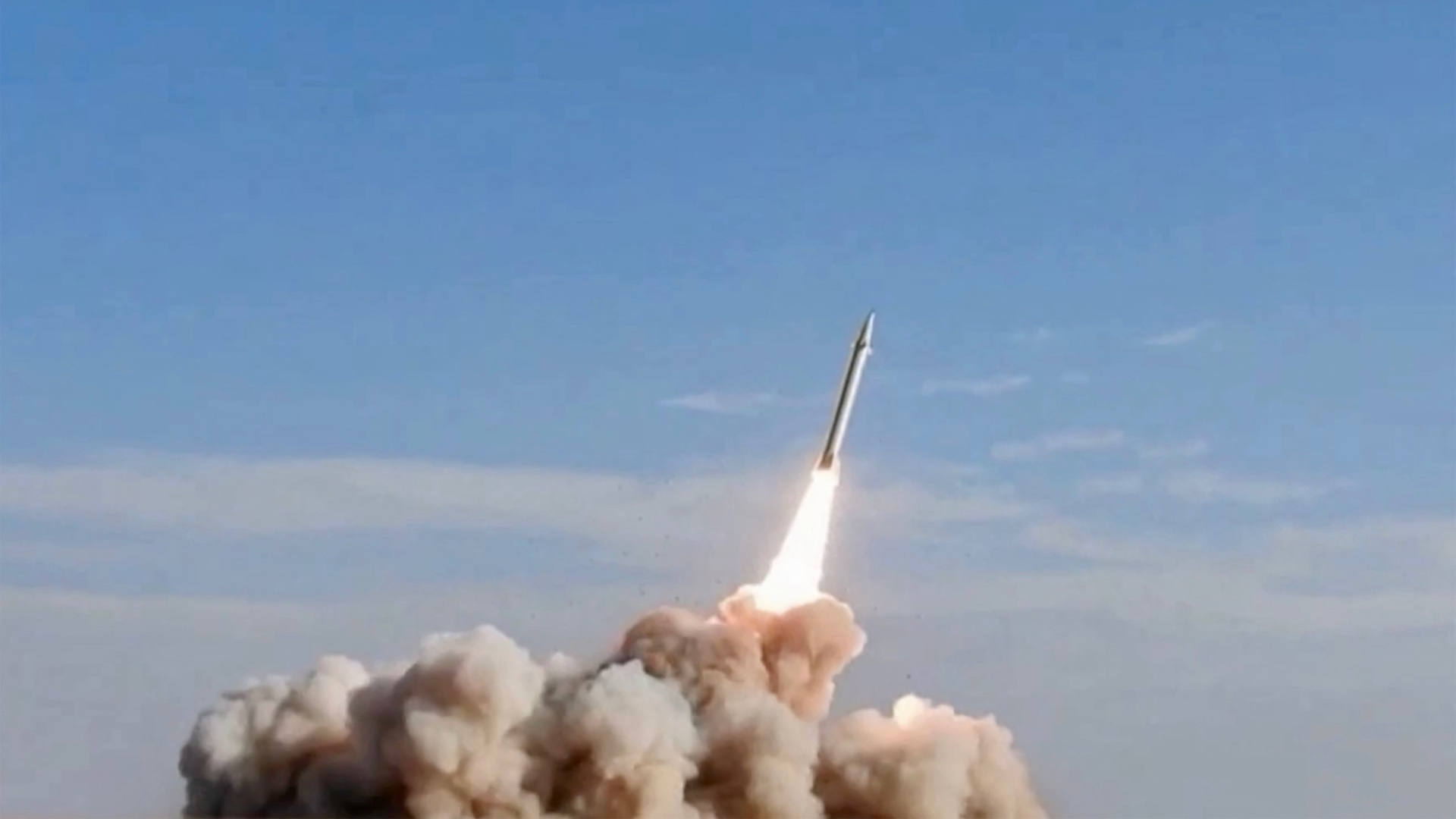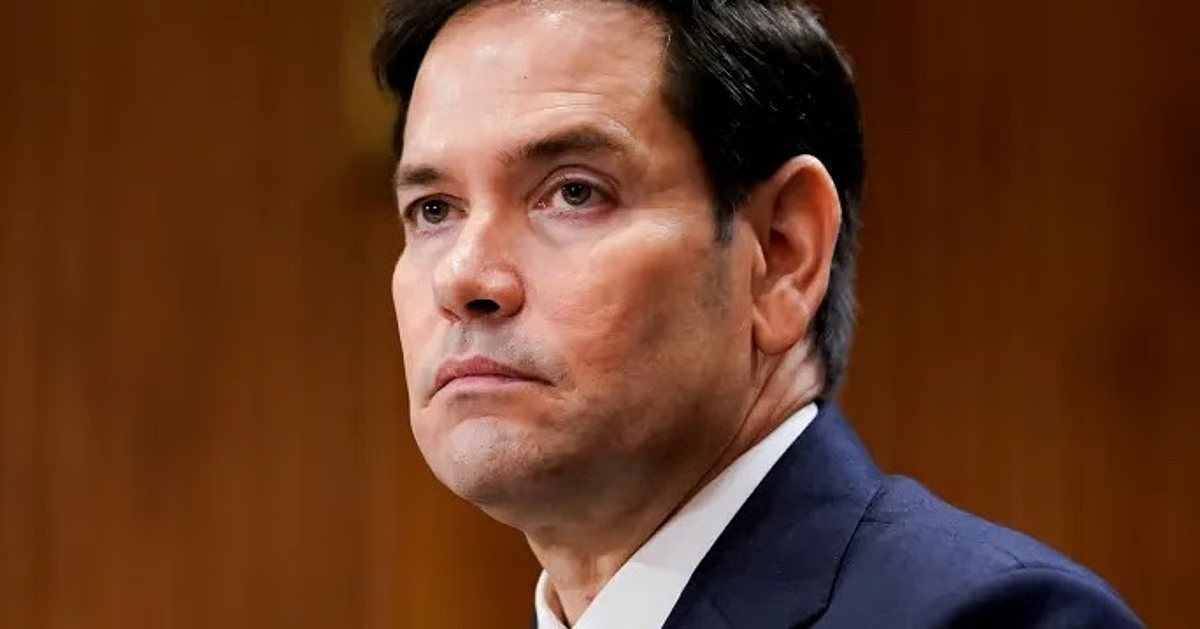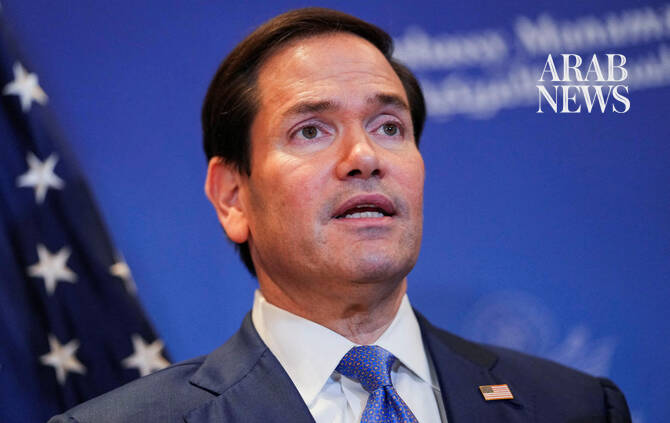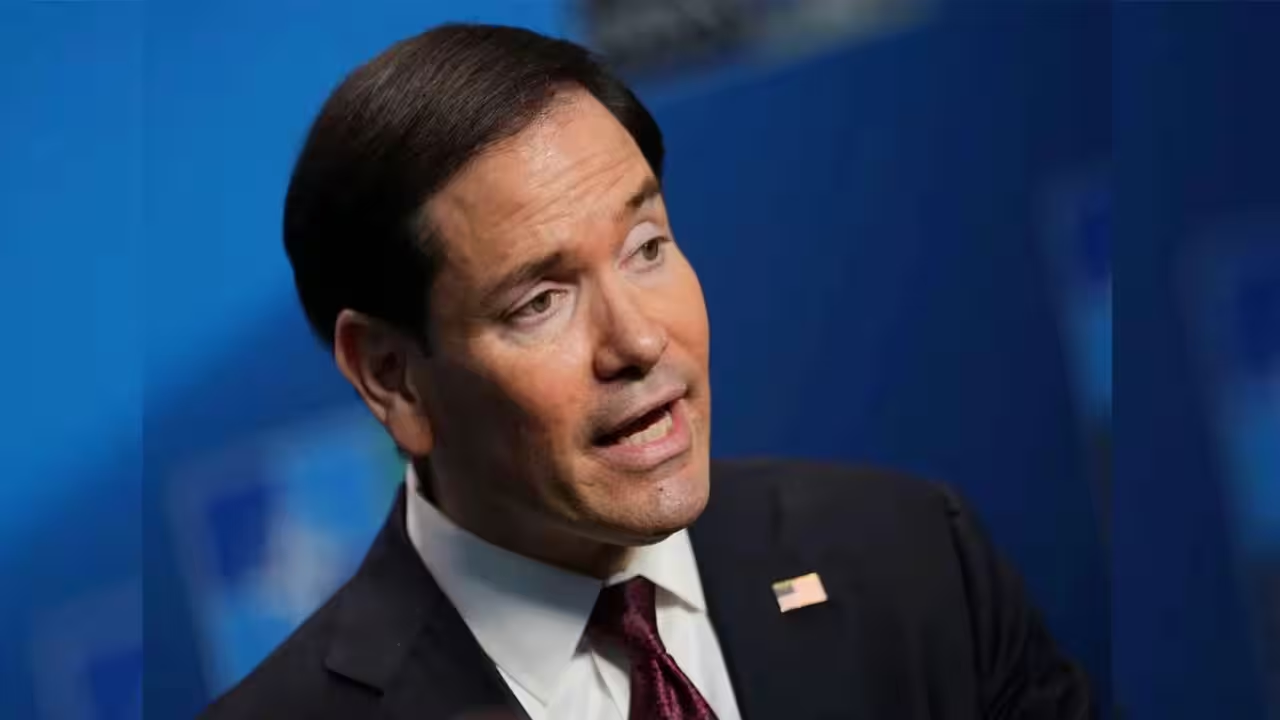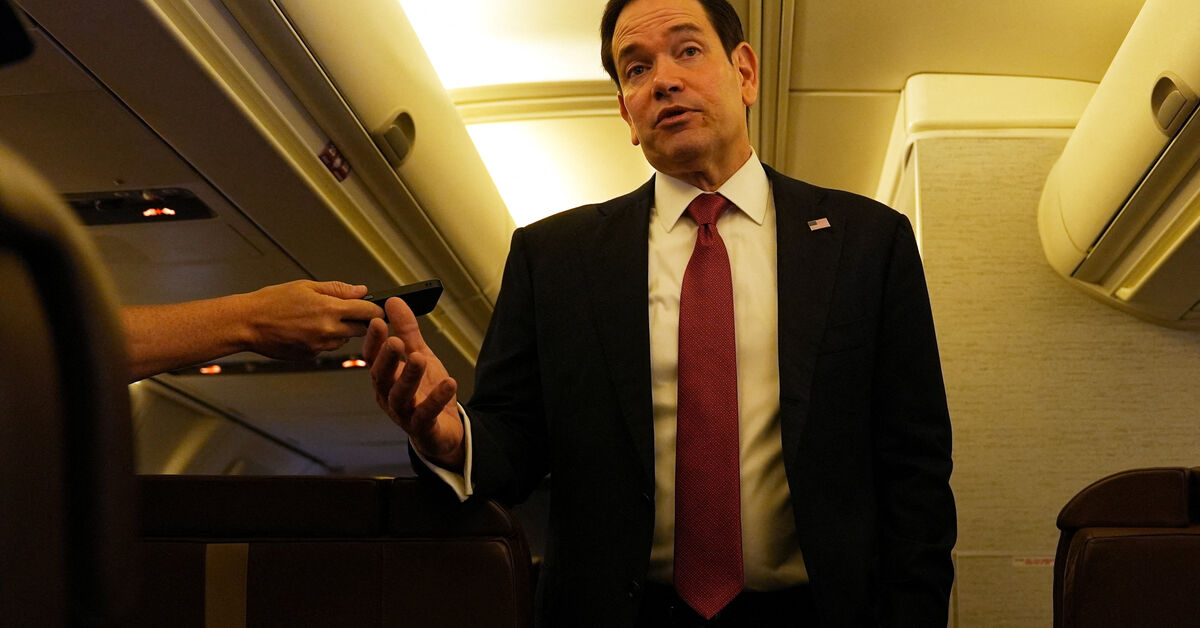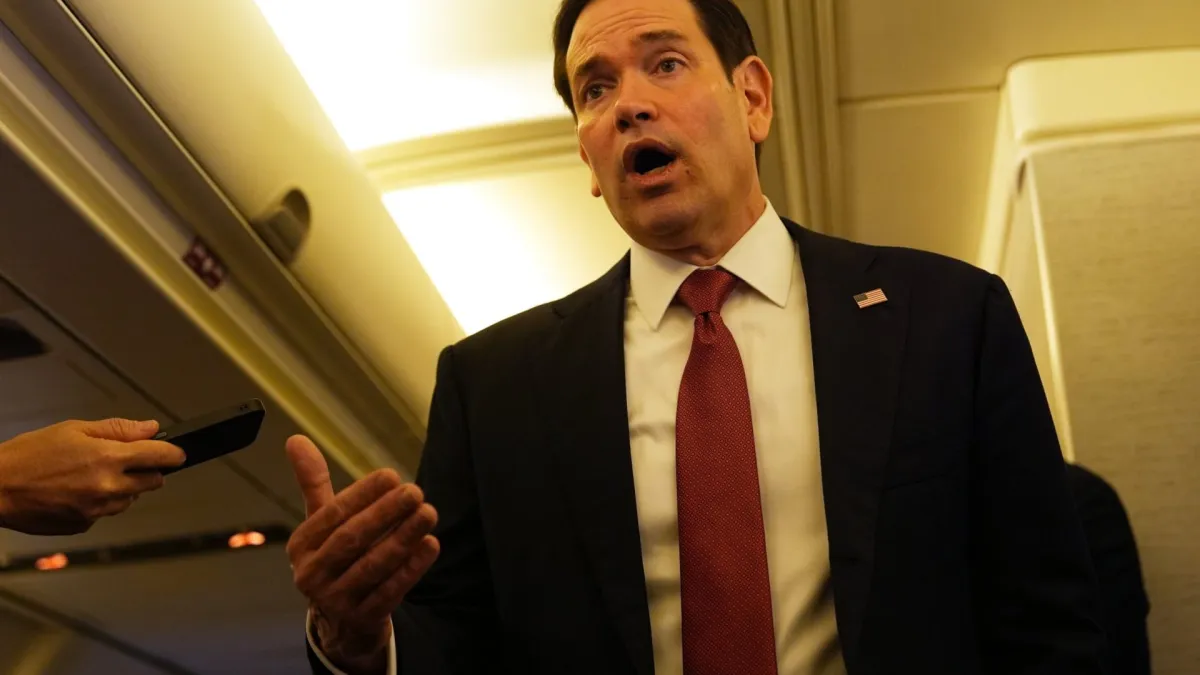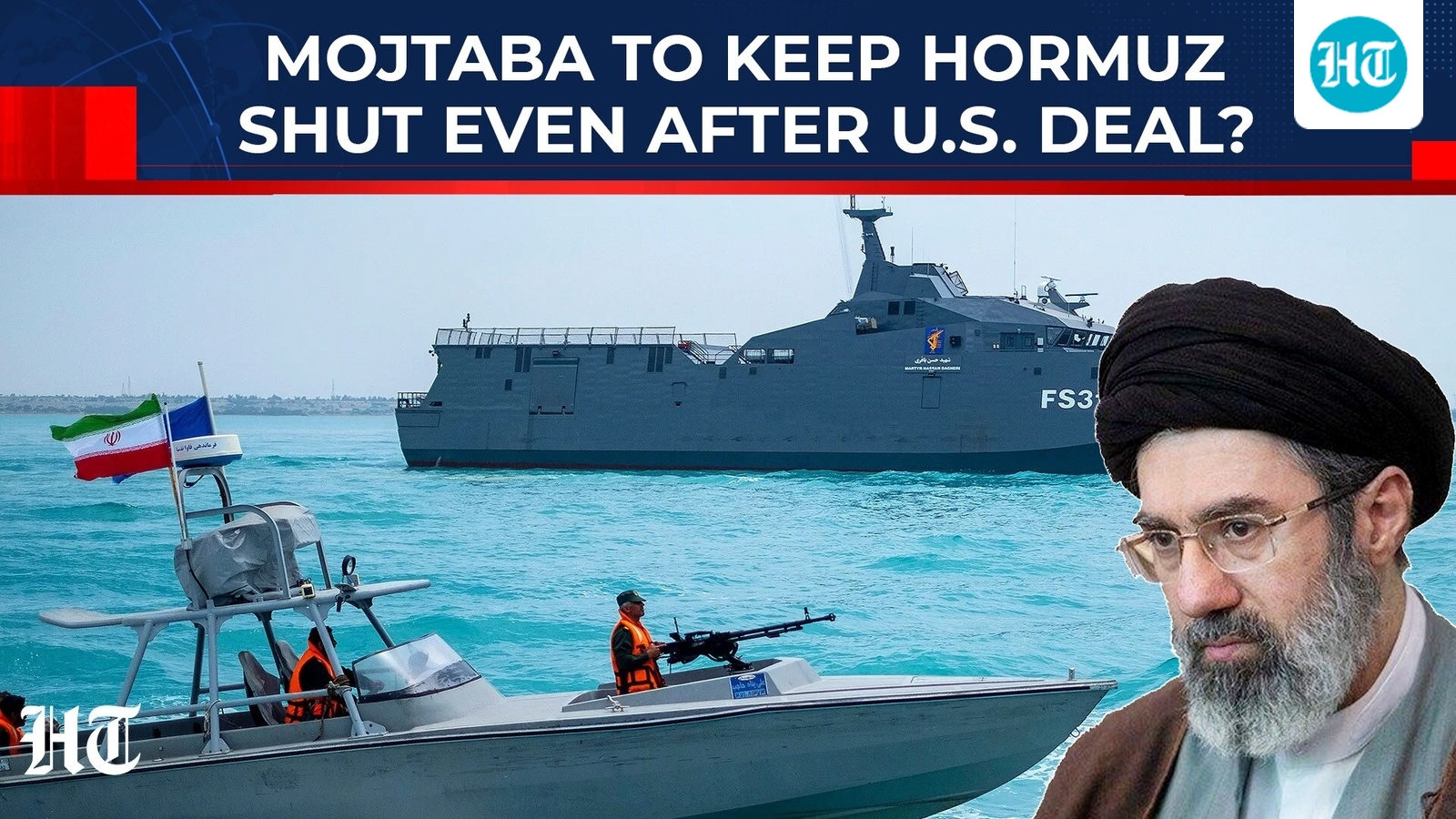
Marco Rubio is not asking nicely. The US Secretary of State has issued a blunt demand to Iran: reopen the Strait of Hormuz, or someone else will do it for you.
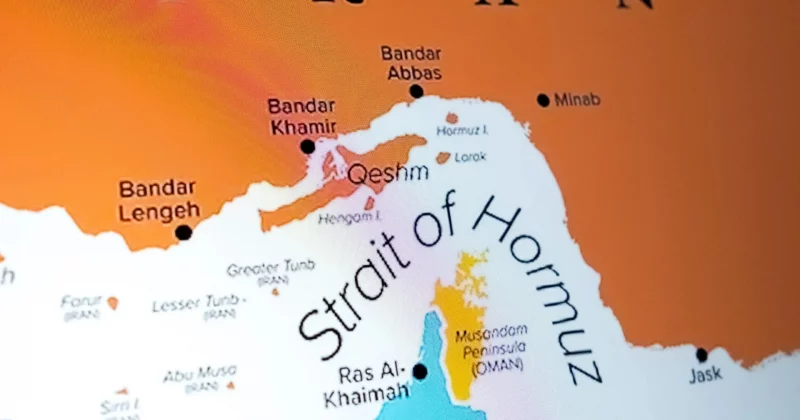
The strait, a narrow waterway between Iran and the Arabian Peninsula, handles roughly 25% of the world’s oil trade. Iran’s blockade of the passage, now stretching beyond two months, has choked a critical artery of the global economy. Rubio’s message, delivered in an Al Jazeera interview around March 30, was about as subtle as a foghorn: the strait “will be open one way or another.”
What Iran wants, and what it’s actually getting
Iran has attempted to use that leverage by reportedly imposing tolls on commercial vessels navigating the strait, with payments proposed to be made in cryptocurrency — a way to sidestep the traditional financial system that has largely frozen it out.
Analytics firms such as Chainalysis and TRM Labs have found limited on-chain evidence of large-scale Bitcoin transactions tied to these toll collections. The crypto toll booth, for now, appears more aspirational than operational.