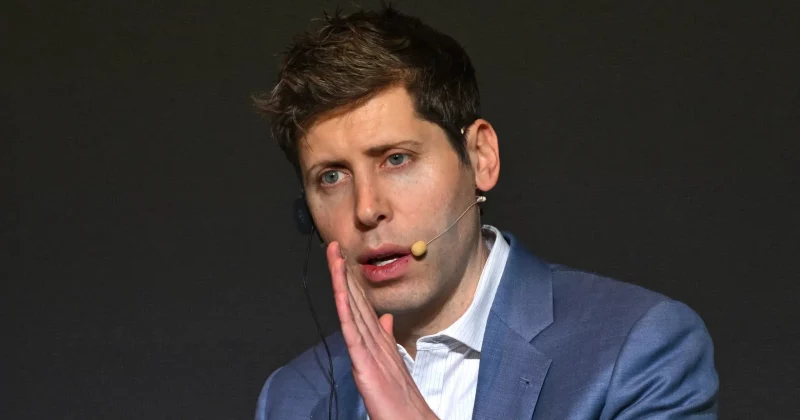
The man running the company most associated with AI-driven disruption just said the disruption isn’t as bad as he thought it would be.
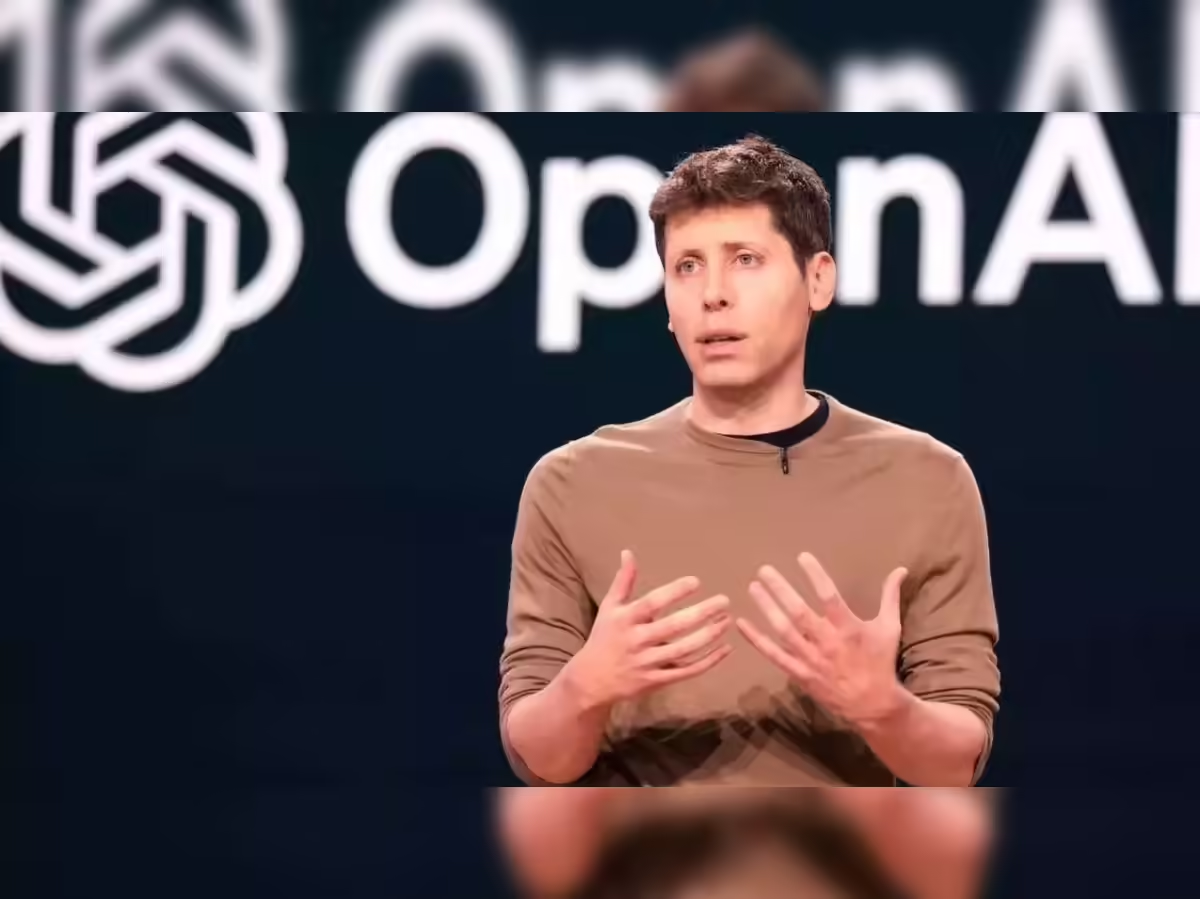
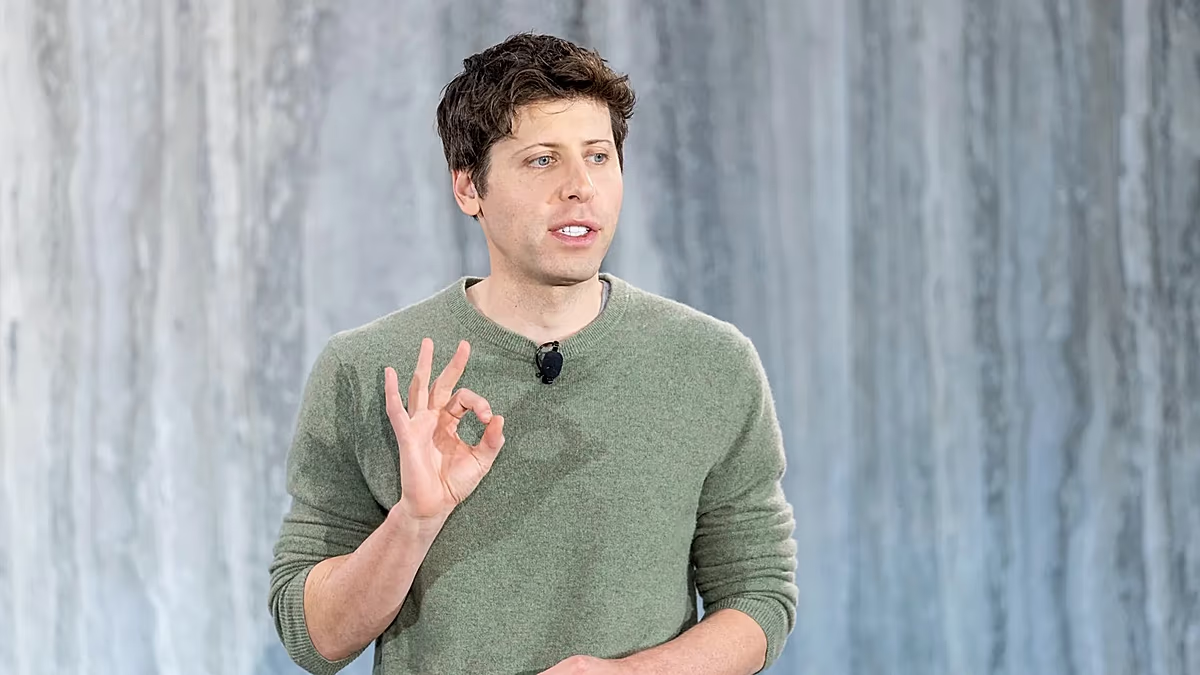
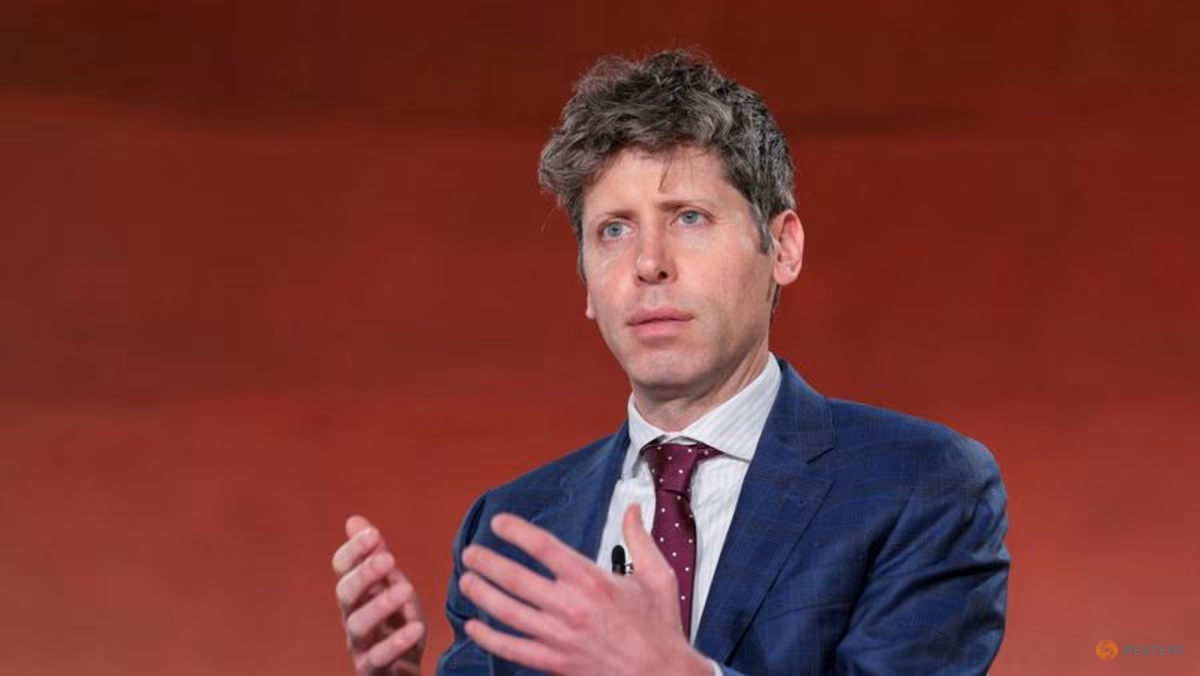
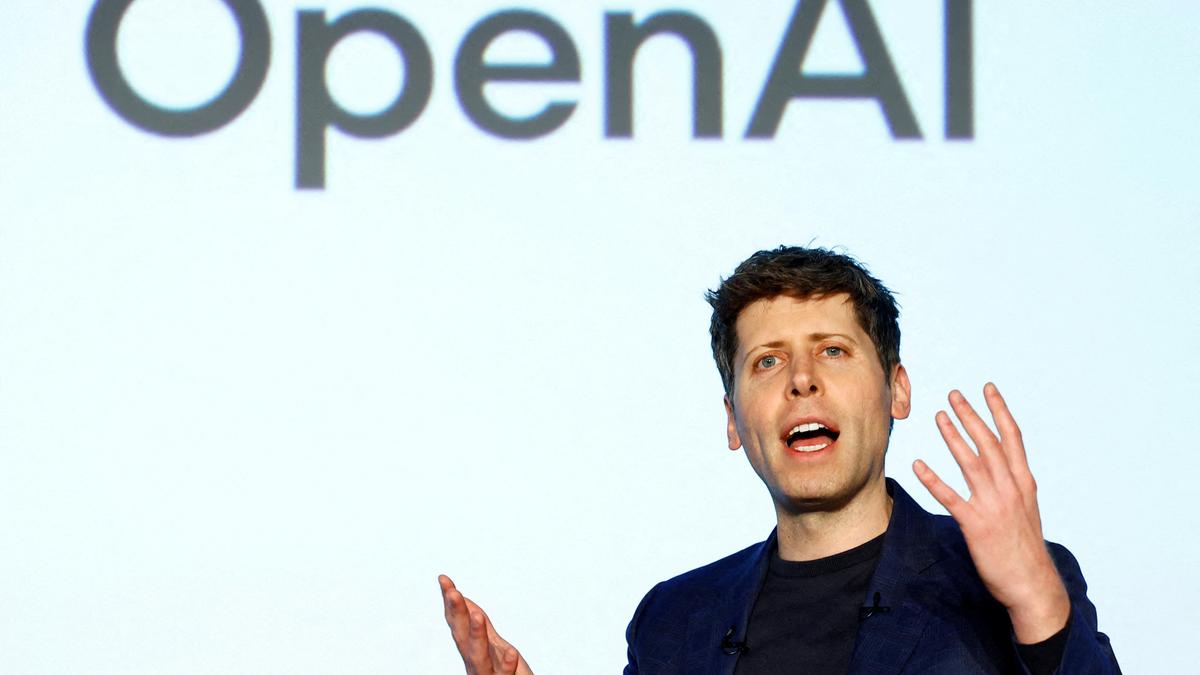
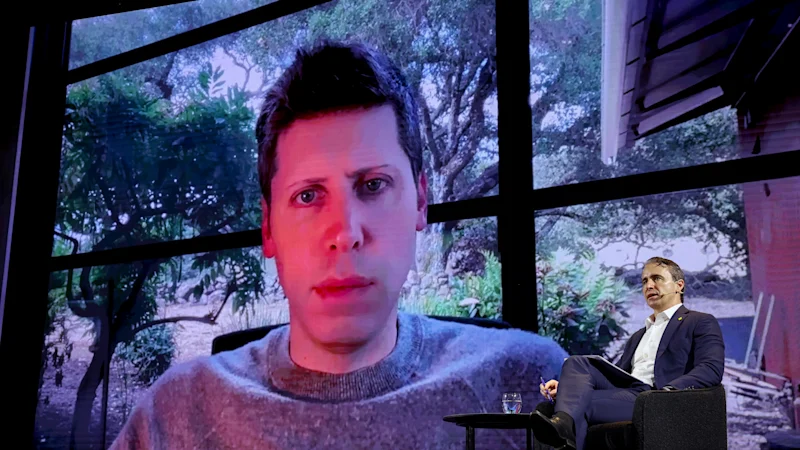
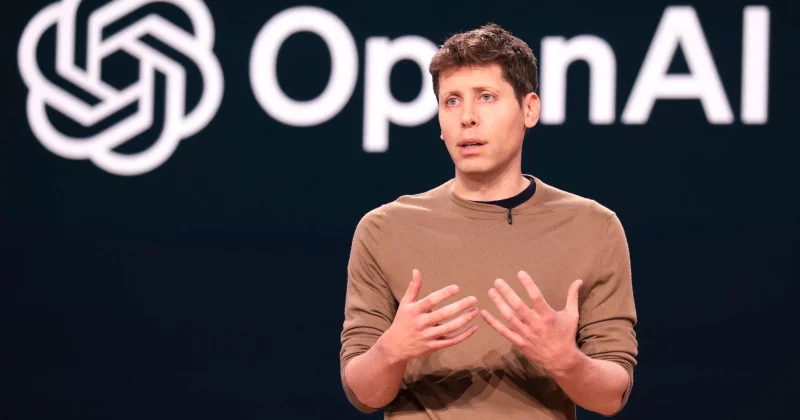
OpenAI CEO Sam Altman, speaking virtually at a Commonwealth Bank of Australia conference on May 26, told attendees that white-collar job losses from artificial intelligence have been less significant than he initially predicted. His exact phrasing: he was “pretty wrong” on the social and economic implications of the technology his company helped unleash.
The mea culpa, in context
Altman drew a distinction between his technological predictions and his societal ones. On the tech side, he suggested the forecasts he made around ChatGPT’s 2022 launch were largely accurate. But the knock-on effects for the labor market? That’s where his crystal ball fogged up. Altman emphasized that many jobs still fundamentally require human interaction, something AI hasn’t managed to replicate in a way that actually satisfies people on the other end of the conversation.
He’s not alone in walking back the doom narrative. Goldman Sachs CEO David Solomon has called the apocalyptic job loss fears “overblown.” That said, nobody is claiming AI has zero impact on employment. Firms like HSBC and Amazon have announced AI-related job replacements in 2026. The displacement is real. It’s just not the extinction-level event that think pieces and congressional hearings spent years warning about.