US Consumer Confidence Edged Downward in May
PR Newswire
NEW YORK, May 26, 2026
Confidence Dipped Slightly as Price Shocks from Middle East Conflict PersistNEW YORK, May 26, 2026 /PRNewswire/ -- The Conference Board Consumer Confidence Index® dipped 0.7 points to 93.1 (1985=100) in May, down from an upwardly revised 93.8 in April. The Present Situation Index—based on consumers' assessment of current business and labor market conditions—retreated by 3.2 points to 121.2. The Expectations Index—based on consumers' short-term outlook for income, business, and labor market conditions—rose by 1.0 points to 74.4. The survey period for this month's preliminary results was May 1–19, encompassing the ongoing war in the Middle East that is placing upward pressure on prices globally.
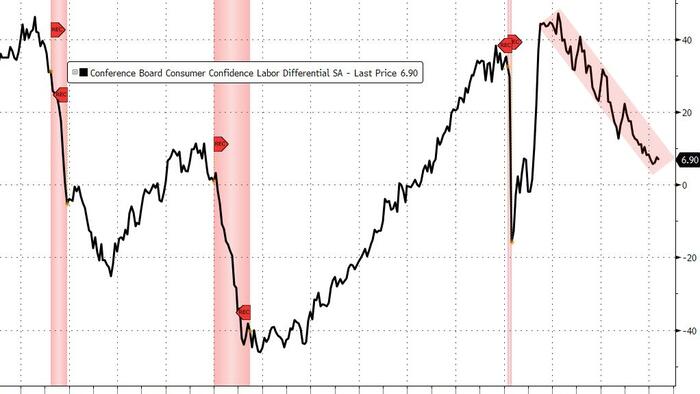
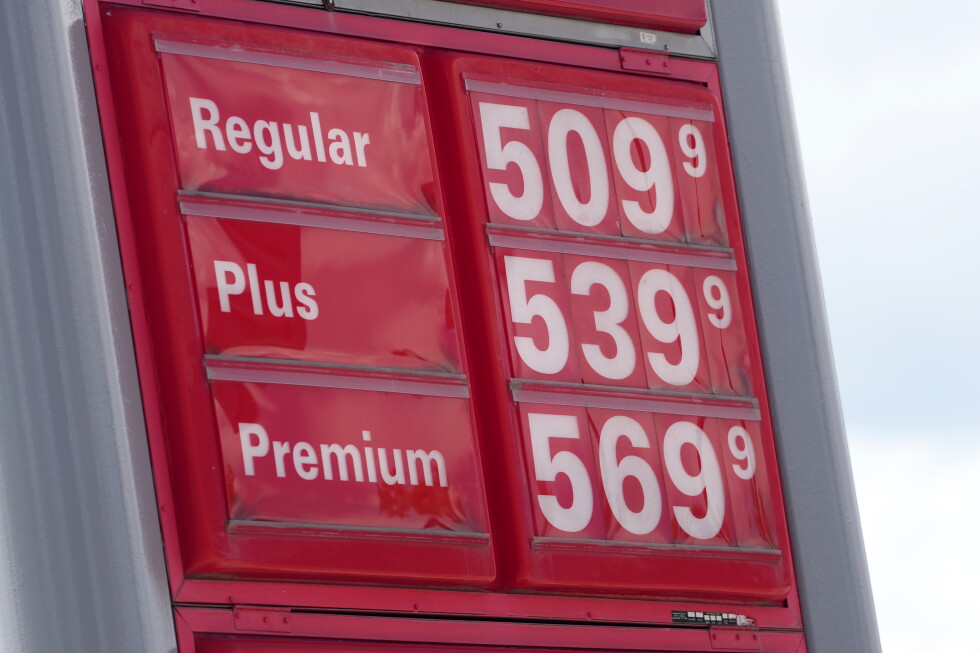
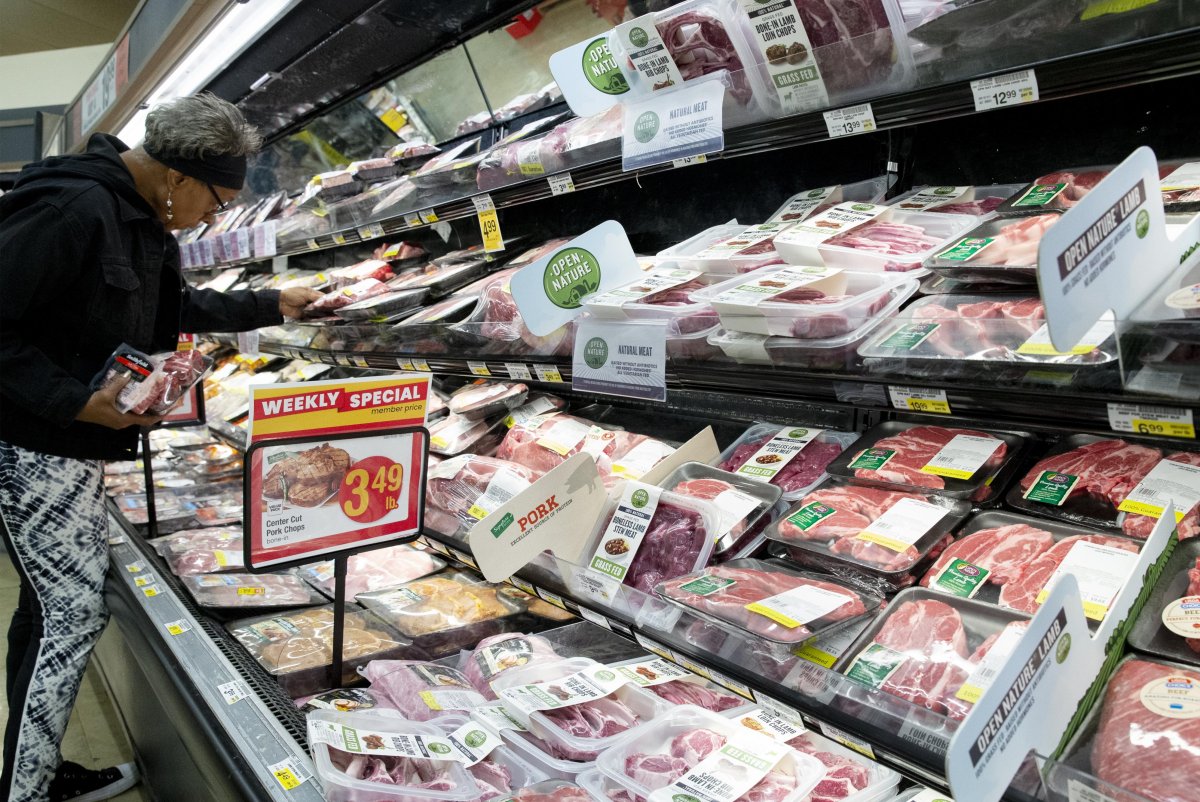
"Consumer confidence edged downward in May as the inflationary impacts of the war in the Middle East intensified," said Dana M Peterson, Chief Economist, The Conference Board. "Consumer appraisals of current business conditions and the current labor market were moderately less positive compared to last month. This was somewhat offset by modest improvements in consumers' expectations for business conditions and the labor market six months from now. Meanwhile, income expectations eased in May, as those anticipating less income rose."The Present Situation Index cooled again in May, as net views of current business conditions—the share saying conditions are "good" versus "bad"—fell by 2.8 ppts to +1.4%. Perceptions of employment conditions declined slightly, with the labor market differential—the share of consumers saying jobs are "plentiful" minus the share saying jobs are "hard to get"—ticking down by 0.6 ppts to +6.9%.The Expectations Index increased by 1.0 point in May, with two of its three components—net expectations for business and labor market conditions six months from now—inched up. Expected household income was slightly less positive.Among age groups, confidence ticked up for consumers aged 35-54, but trended downward for older and younger consumers, both month-over-month and on a six-month moving average basis. By income, confidence among higher income groups trended upward on a six-month moving average basis. By generation, confidence improved for the Silent Generation (the oldest group) but was little changed or lower among other generations. By political affiliation, Republicans remained the most optimistic, while Independents were the only group that saw confidence tick up on a month-over-month basis.Consumers' write-in responses on factors affecting the economy continued to skew towards pessimism in May. References to prices and oil and gas increased in frequency for a second consecutive month, while mentions of war, geopolitics, and conflict remained elevated—likely signaling consumers' underlying concerns about the inflationary impacts of the war in the Middle East on their wallets.Consumers' average and median 12-month inflation expectations ticked downward but remained elevated. The percentage of consumers saying interest rates over the next 12 months will be higher on net stood at nearly 50% in May. The ongoing stock market rally—largely fueled by the tech sector and rising hopes for an end to the Middle East conflict--likely influenced consumer expectations of higher stock prices a year from now.Consumers' net views of their Family's Current Financial Situation and Family's Future Financial Situation were both somewhat less positive in May. Meanwhile, the share of consumers who said a US recession over the next 12 months is "very likely" and "somewhat likely" rose. Those saying recession is "not likely" declined. (These measures are not included in calculating the Consumer Confidence Index®).Consumers' plans to buy big-ticket items over the next six months continued to shift from "yes" to "no" in May. Nonetheless, the proportion saying "yes" remained well above the other responses. Buying plans for autos continued rising on a six-month moving average basis in May, with used cars remaining the clear preference over new cars. Homebuying expectations inched higher on a six-month rolling basis overall, as plans to buy existing homes rose, offsetting a small dip in newly built units. Spending plans for white goods, home furnishings, and electronics eased a tad or were unchanged on a six-month moving average basis.Consumers planning more spending on services over the next six months shifted from "yes" and "maybe" to "no" in May. Future spending plans on services were mixed. Consumer spending trends in 2026 remained focused on "cheap thrills" and necessary services, but there was some increase in demand for discretionary services like personal travel, fitness, amusement parks, and gambling. Among all service categories, restaurants/bars/take-out, streaming/internet/mobile services, and beauty and personal care, remained among the top three spending targets.Travel intentions for six months ahead ticked up in May, and consumers continued to favor domestic destinations over international travel. Overall expected spending on hotel/motel and airfare/trains for personal travel increased in May, correlating with an uptick in vacation plans.These findings are supplemented by a set of special questions ran in May 2026:Two-thirds of consumers cited cutting back on spending overall due to rising prices, as of MayMost who are cutting back bought fewer items and delayed expensive purchasesMany who said they are delaying purchases of items they want rather than need, plan to buy them in the next six monthsConsumers planned to economize on clothing and footwear, hobby items, and games/toysPresent Situation Consumers' views of current business conditions eroded in May.18.5% of consumers said business conditions were "good," down from 22.3% in April.However, 17.1% said business conditions were "bad," down from 18.1%.On net, consumers' views of the labor market worsened slightly in May.25.5% of consumers said jobs were "plentiful," down from 26.9% in April.Conversely, 18.6% of consumers said jobs were "hard to get," down from 19.4%.Expectations Six Months Hence Overall, consumers were moderately more optimistic about future business conditions in May.19.0% of consumers expected business conditions to improve, down from 19.4% in April.Conversely, 22.5% expected business conditions to worsen, down from 23.8%.Consumers were also more positive about the labor market outlook in May.17.5% of consumers expected more jobs to be available, up from 16.7% in April.26.0% anticipated fewer jobs, down from 26.8%.On net, consumers' outlook for their income prospects was slightly more pessimistic in May.20.0% of consumers expected their incomes to increase, up from 19.4% in April.However, 13.7% expected their incomes to decline, up from 12.4%.The monthly Consumer Confidence Survey®, based on an online sample, is conducted for The Conference Board by Toluna, a technology company that delivers real-time consumer insights and market research through its innovative technology, expertise, and panel of over 36 million consumers. The cutoff date for the preliminary results was May 19.Source: May 2026 Consumer Confidence Survey® The Conference BoardThe Conference Board publishes the Consumer Confidence Index® at 10 a.m. ET on the last Tuesday of every month. Subscription information and the technical notes to this series are available on The Conference Board website: https://www.conference-board.org/data/consumerdata.cfm.About The Conference Board The Conference Board is the Member-driven think tank that delivers Trusted Insights for What's Ahead®. Founded in 1916, we are a nonpartisan, not-for-profit organization holding 501 (c) (3) tax-exempt status in the United States. TCB.org l Learn about Membership