Paolo, Cirio Farmer, based in Tarquinia, Viterbo, Lazio, central Italy
(Image credit: Cirio)
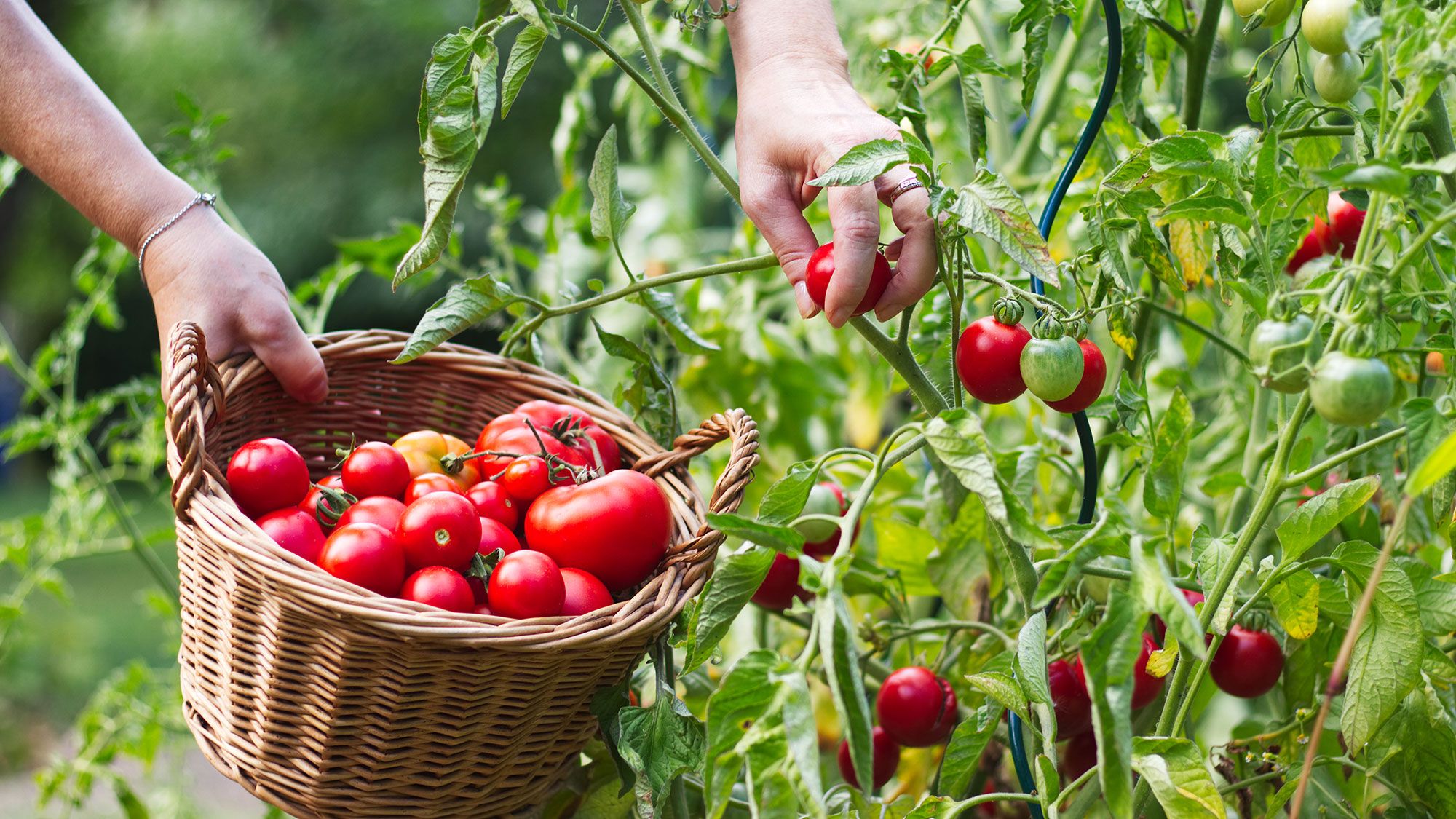
Tomatoes have a very special place in my heart. It’s the main memory I have of my grandfather tending to his plants in his greenhouse. When I think of homegrown tomatoes, it takes me back to seeing the little yellow flowers appearing on the stems and that heady, earthy aroma of them growing in the heat.But, putting my memories aside, there really is a good reason why tomatoes are the most popular homegrown crop across the globe. There are lots of tomato varieties to grow, and they all taste delicious.Right now, it’s tomato-growing season, and whether you’re an experienced tomato grower or starting out for the first time, Paola Tombin, an Italian tomato farmer for Cirio, got in touch with me to share four top secrets to growing tomatoes the Italian way.1. Work with the land
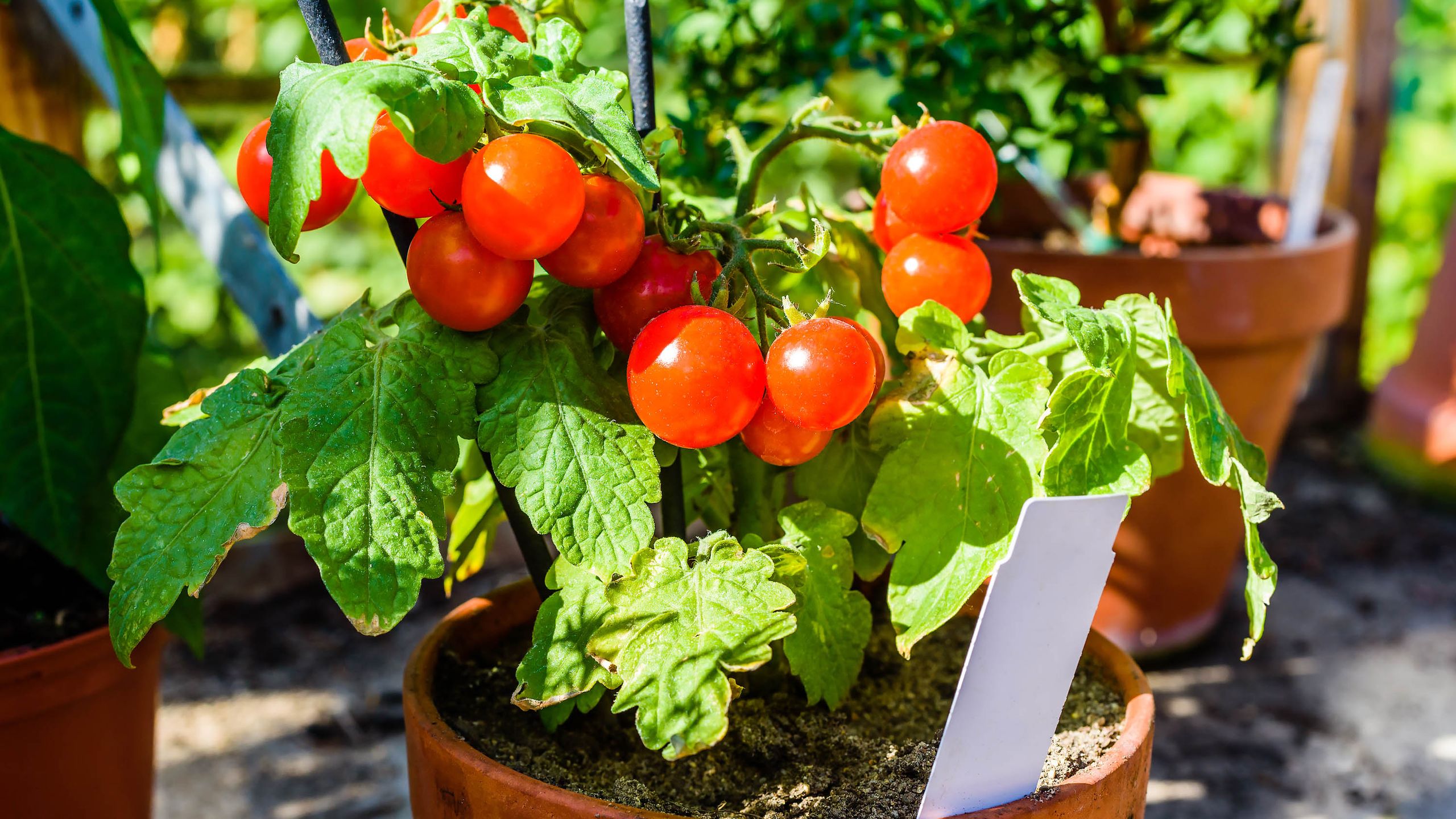
(Image credit: Shutterstock)“In warmer regions like Italy, naturally sandy soils provide excellent drainage, making it easier to keep tomato roots from staying too wet,” says Tombini.However, elsewhere, if your soil is heavier and the climate wetter, he says you need to be more “deliberate”.“Once your tomato plants are established, avoid overwatering. Let the soil dry out slightly between thorough waterings; this helps keep roots healthy, encourages better fruit production rather than excess leafy growth, and improves flavor.”He also suggests growing your tomatoes in a greenhouse, as this method can better control moisture levels and “mimic the drier, well-drained conditions tomatoes thrive in.”Get instant access to breaking news, the hottest reviews, great deals and helpful tips.2. Plant in the late afternoon, not the morningIt may seem like a small detail, but Tombini says that timing matters. “In central Italy, we don’t rush the land, we work with it at its calmest. That’s why many growers prefer planting young tomato plants in the late afternoon, when the sun is lower and temperatures are cooler.”And there’s a good reason why this time of day is better for your plants. “It gives the plant time to settle into the soil overnight without the stress of strong midday heat or evaporation,” he says.Research on transplant shock in crops also supports this approach, showing that cooler planting conditions can reduce stress and improve early root establishment.“It’s a simple change that can help young plants get off to a stronger, more stable start,” he adds.3. Don’t remove every side shoot