IN A NUTSHELL: It's a case of another day, another problem caused by the proliferation of generative AI. More and more people are using the technology to file lawsuits in which they represent themselves, and, unsurprisingly, courts are being clogged with many of these frivolous suits.
The New York Times highlights the case of Donald Sauve, a Minnesota man who sued his ex-wife, her lawyer, and a state judge after an earlier legal challenge was rejected as frivolous. His first handwritten complaint, which sought $275,000 in damages, was dismissed in less than a month for lack of jurisdiction.
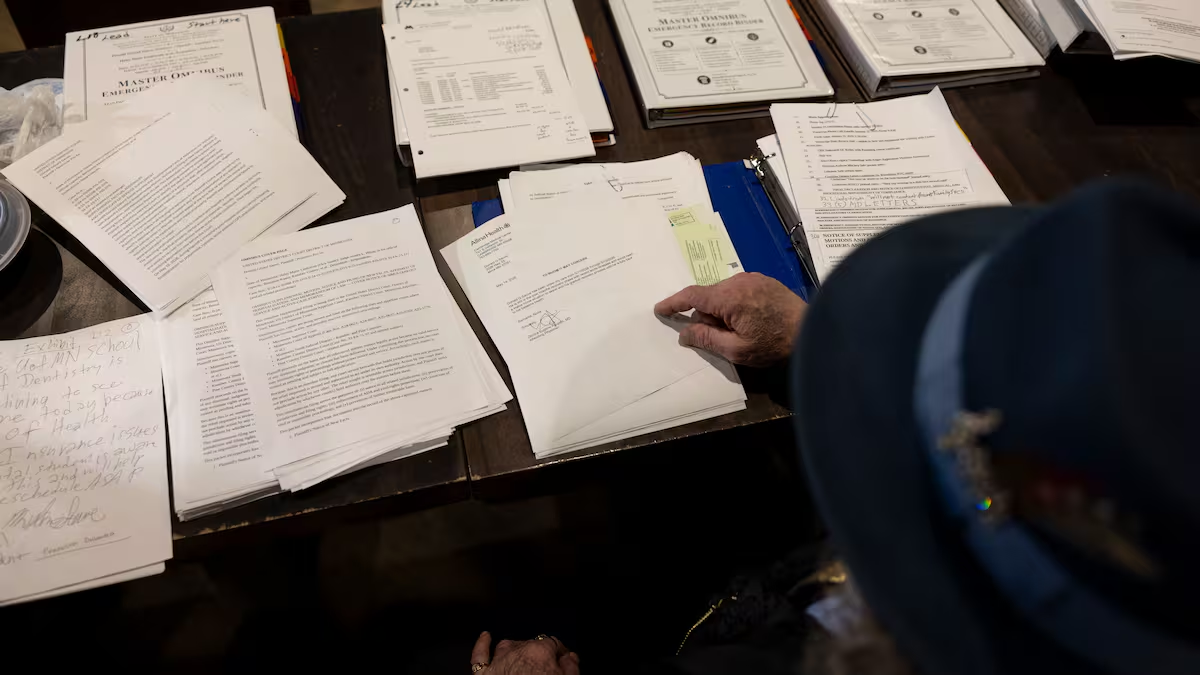
Three months later, Sauve returned with help from ChatGPT and Claude. This time, his complaint was neatly typed and accompanied by 50 additional filings, including what he called a "case law synthesis" supporting his claim. The case was dismissed, again, but before that happened, every filing had to be read, captioned by a clerk, and entered into the public docket.
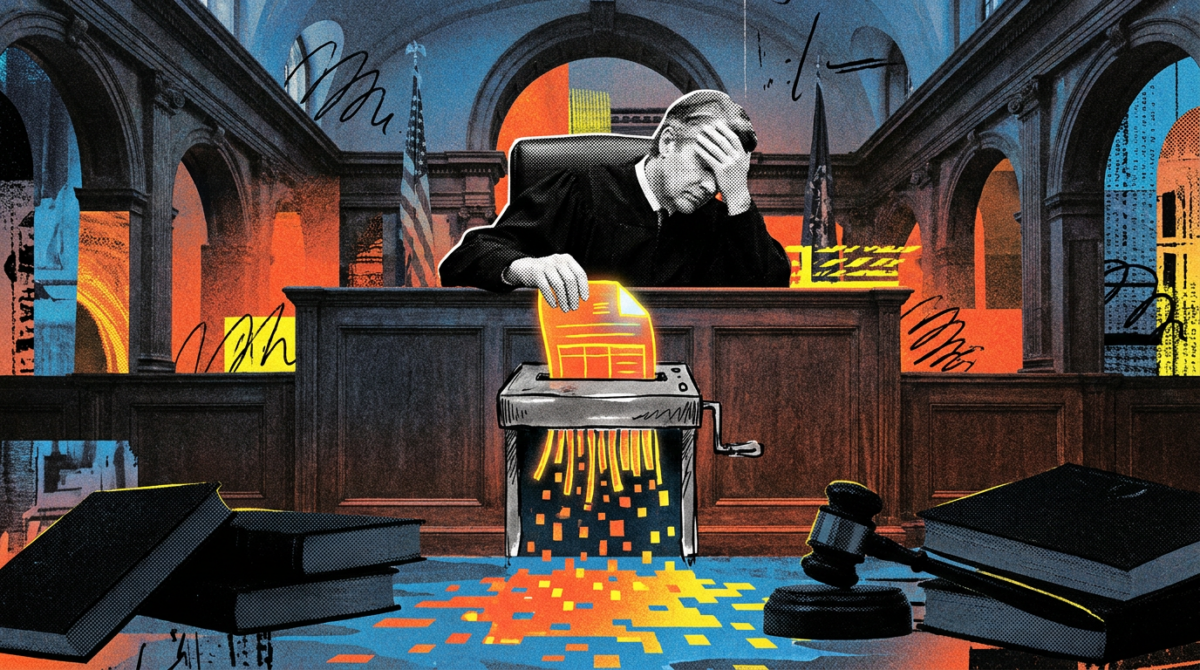
Sauve's example is a perfect illustration of the problem courts are now facing. AI has made it easier for people without lawyers to produce documents that look and sound like they were prepared by legal experts, even when the underlying claims are weak, confused, or baseless. In Sauve's case, Judge Patrick J. Schiltz, chief of Minnesota's US District Court, ordered that any further filings would be "shredded without any additional notice."