The southern cassowary, a rare and elusive rainforest bird that lives along Queensland’s northern coast, once faced extinction. Now, its numbers are stable, but scientists still lack an up-to-date estimate of how many remain.Shrinking habitat was a key factor in the bird’s decline, but designation of the northeast coast “Wet Tropics” as a World Heritage Site protected both the ecosystem and the cassowaries that live there.As an important seed disperser, this bird helps sustain this rainforest’s plants and trees, but its slow breeding and need for large, connected habitats make it vulnerable.Growing threats from road collisions and intensifying cyclones, heat waves and other climate impacts are putting renewed pressure on this bird and increasing urgency for better monitoring and conservation.
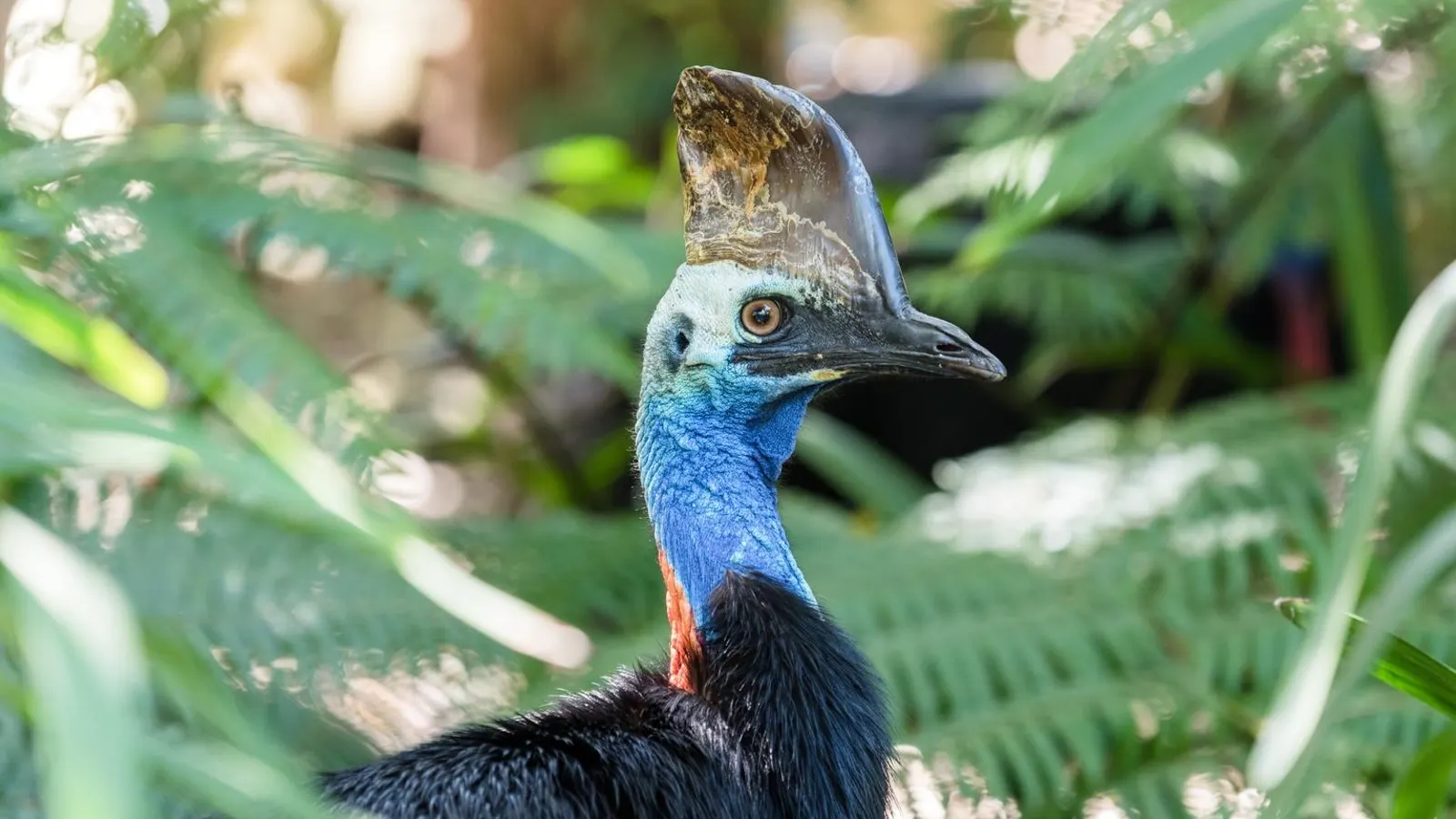
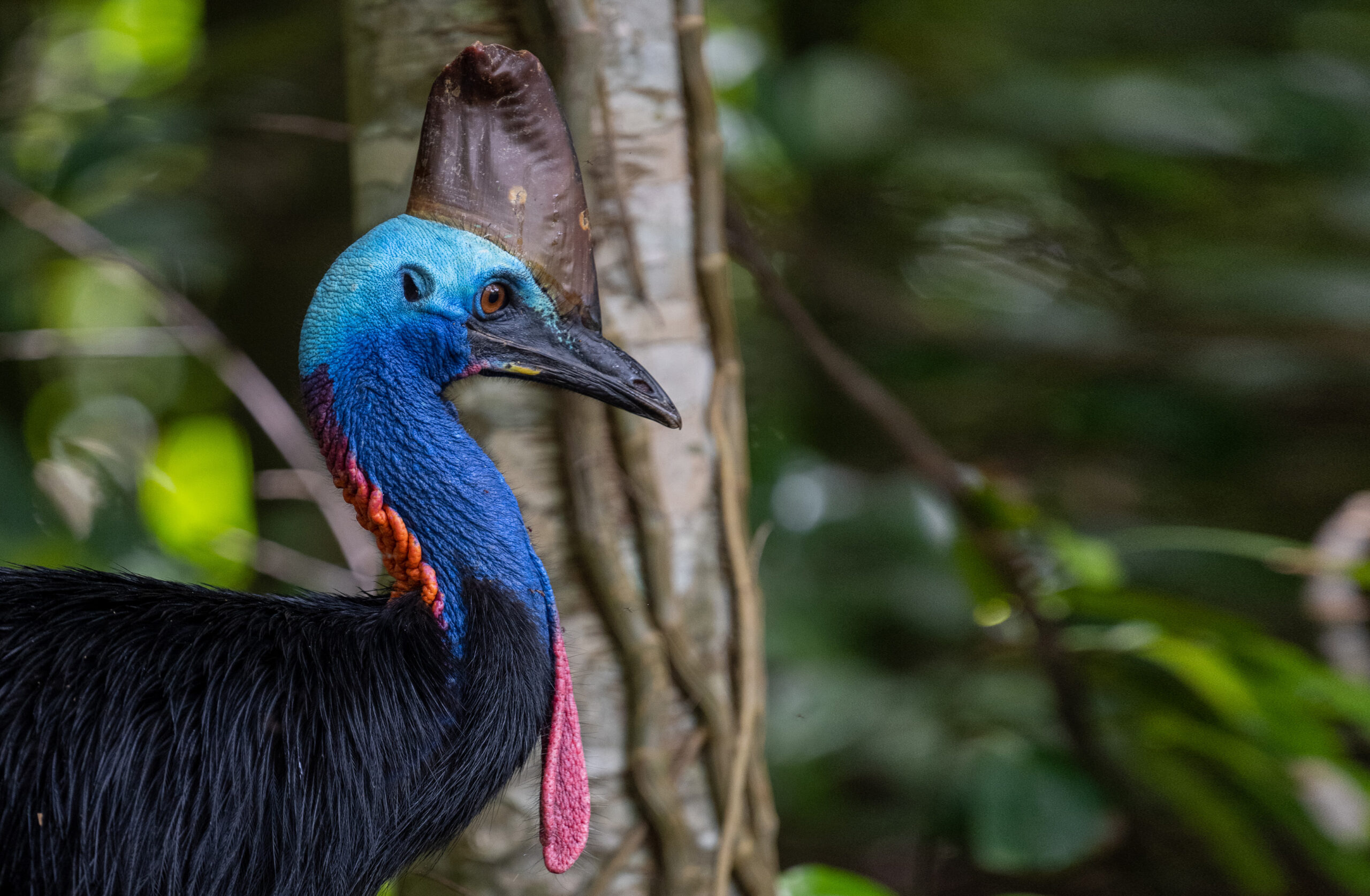
With a striking blue neck, jet black plumage and bright red drooping wattles, the southern cassowary cuts an imposing figure in the dense tropical rainforests of Far North Queensland, Australia.
Standing up to 2 meters (6.5 feet) tall and armed with razor-sharp claws, it is often labeled as the world’s most dangerous bird. In reality, it’s a shy, gentle and solitary animal rarely seen by people.