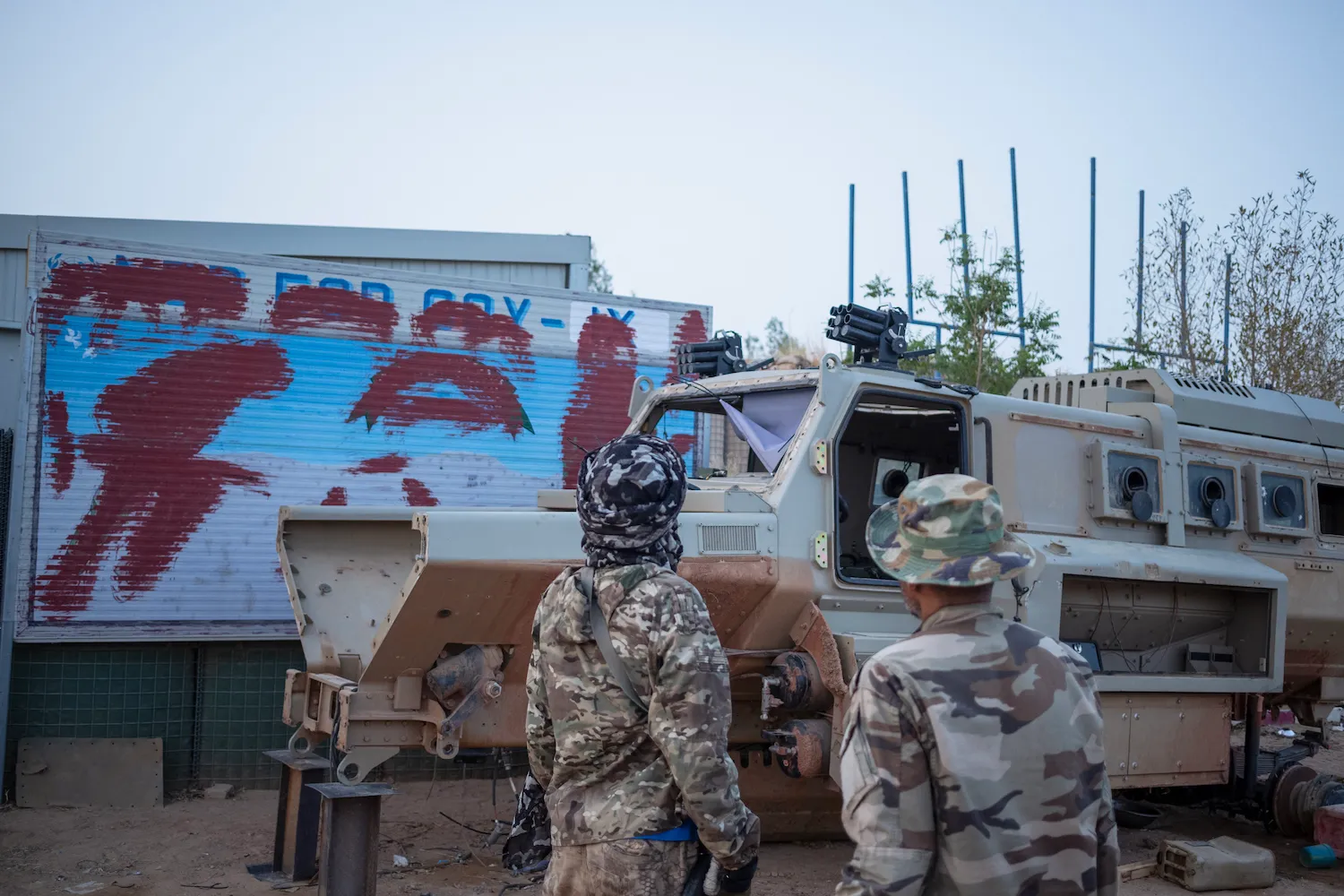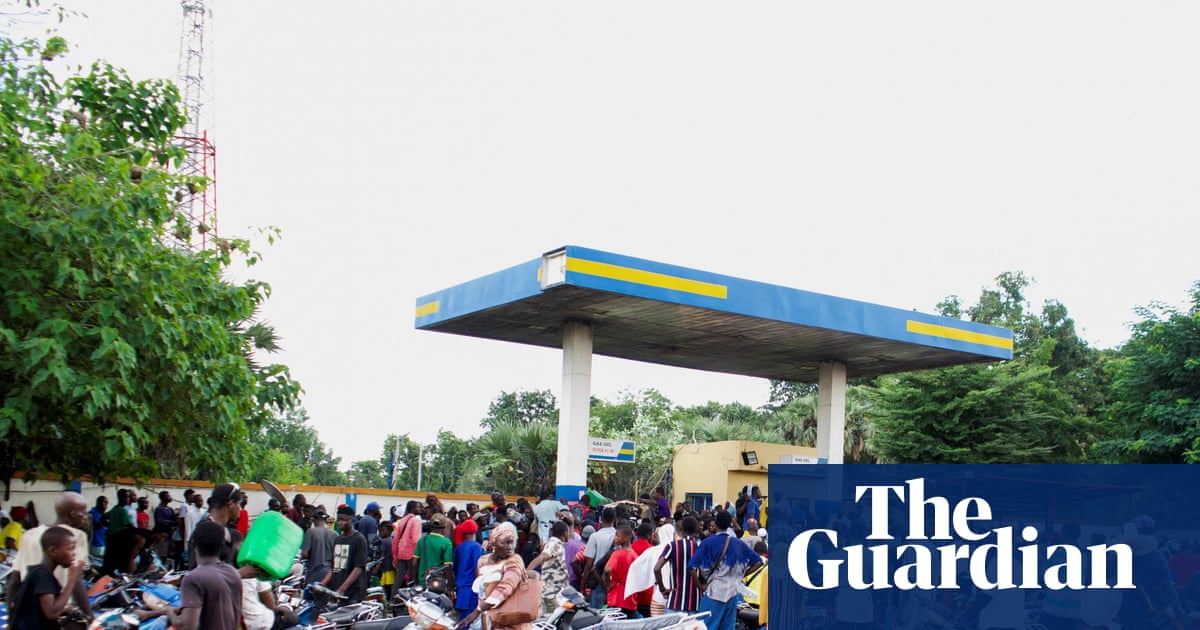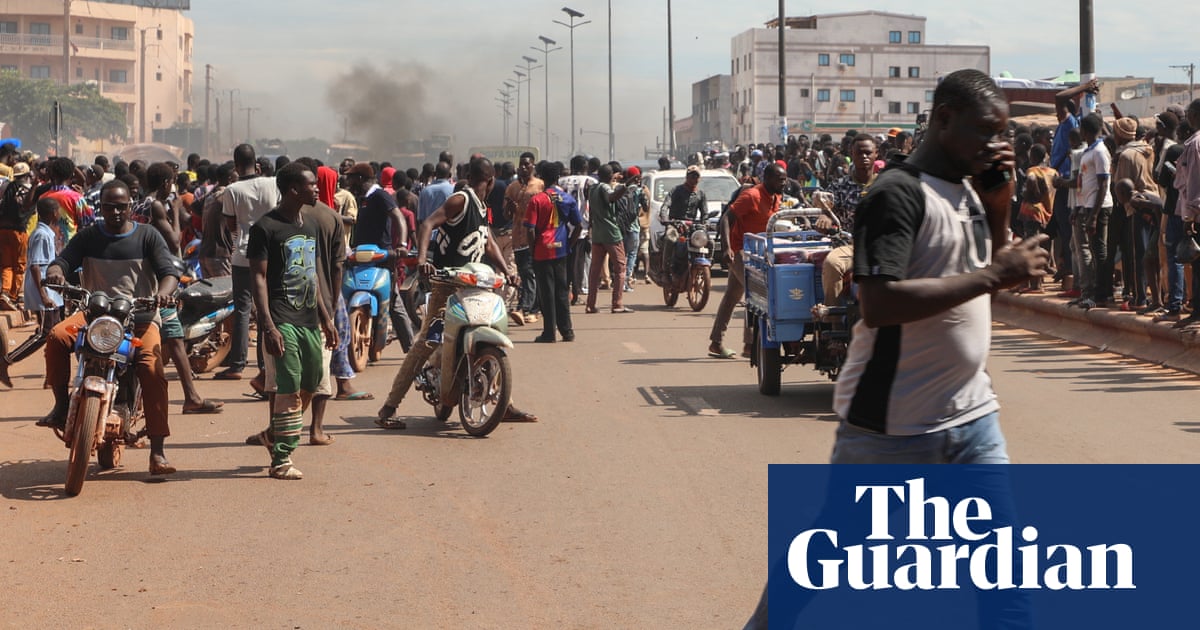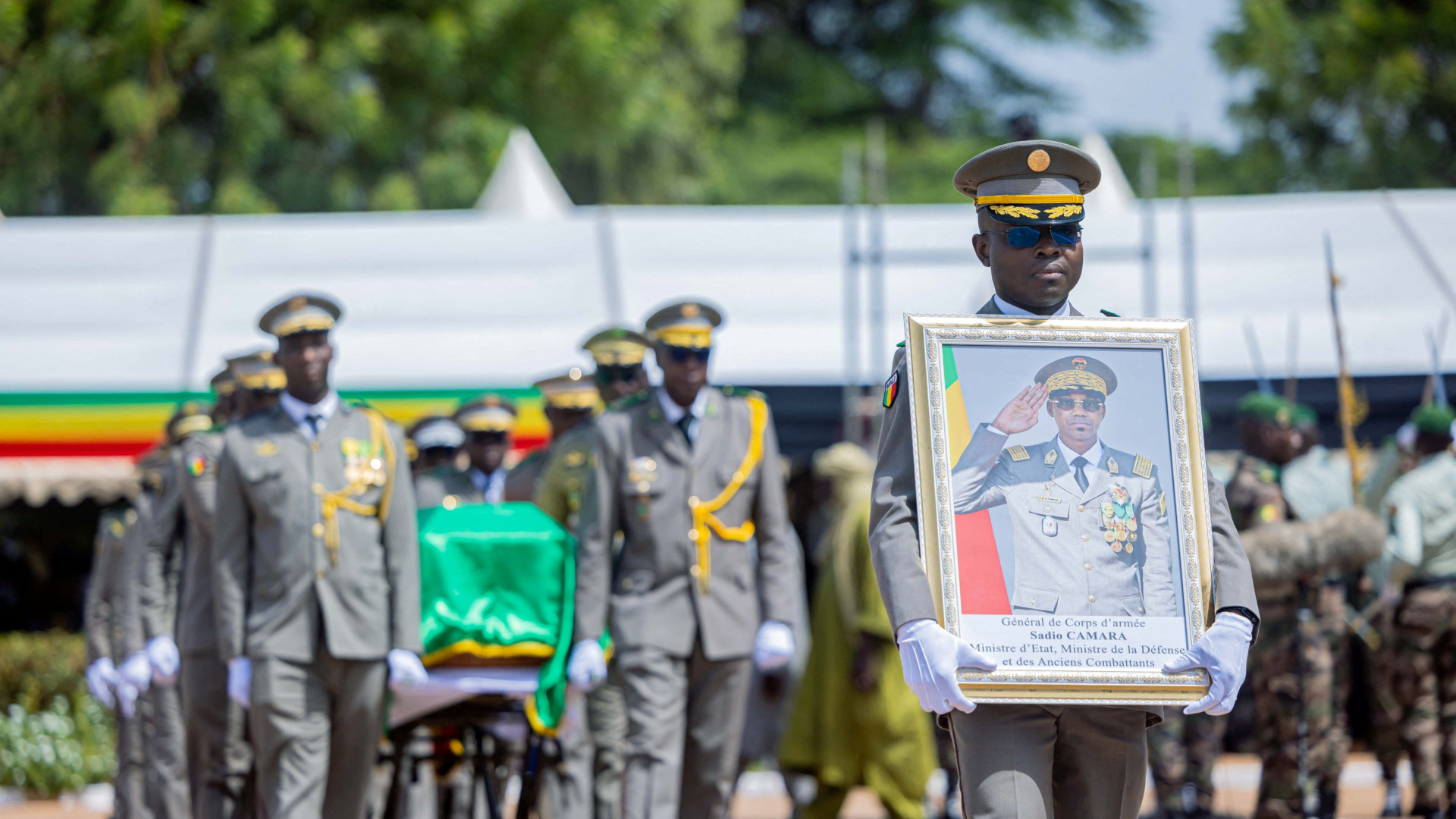
"Unite against the terrorist junta." That rare French-language appeal, attributed to Jama'at Nusrat al-Islam wal-Muslimin (JNIM) following its April 2026 offensive across Mali, was more than propaganda. It was an operational communique: a call to see Mali's military regime not as the "shield" of the republic, but as the target of the "revolution".
In Mali today, the multi-layered insurgency is no longer merely raiding outposts. It is learning to blockade, surveil, strike, film and politically choreograph warfare.
This is the new military reality of the central Sahel. The Algerian militant genealogy - GIA (Armed Islamic Group) to the GSPC (Salafist Group for Preaching and Combat) to AQIM (Al-Qaeda in the Islamic Maghreb) - failed to overthrow the Algerian state. But its Saharan remote successor has helped produce a far more dangerous architecture in Mali.
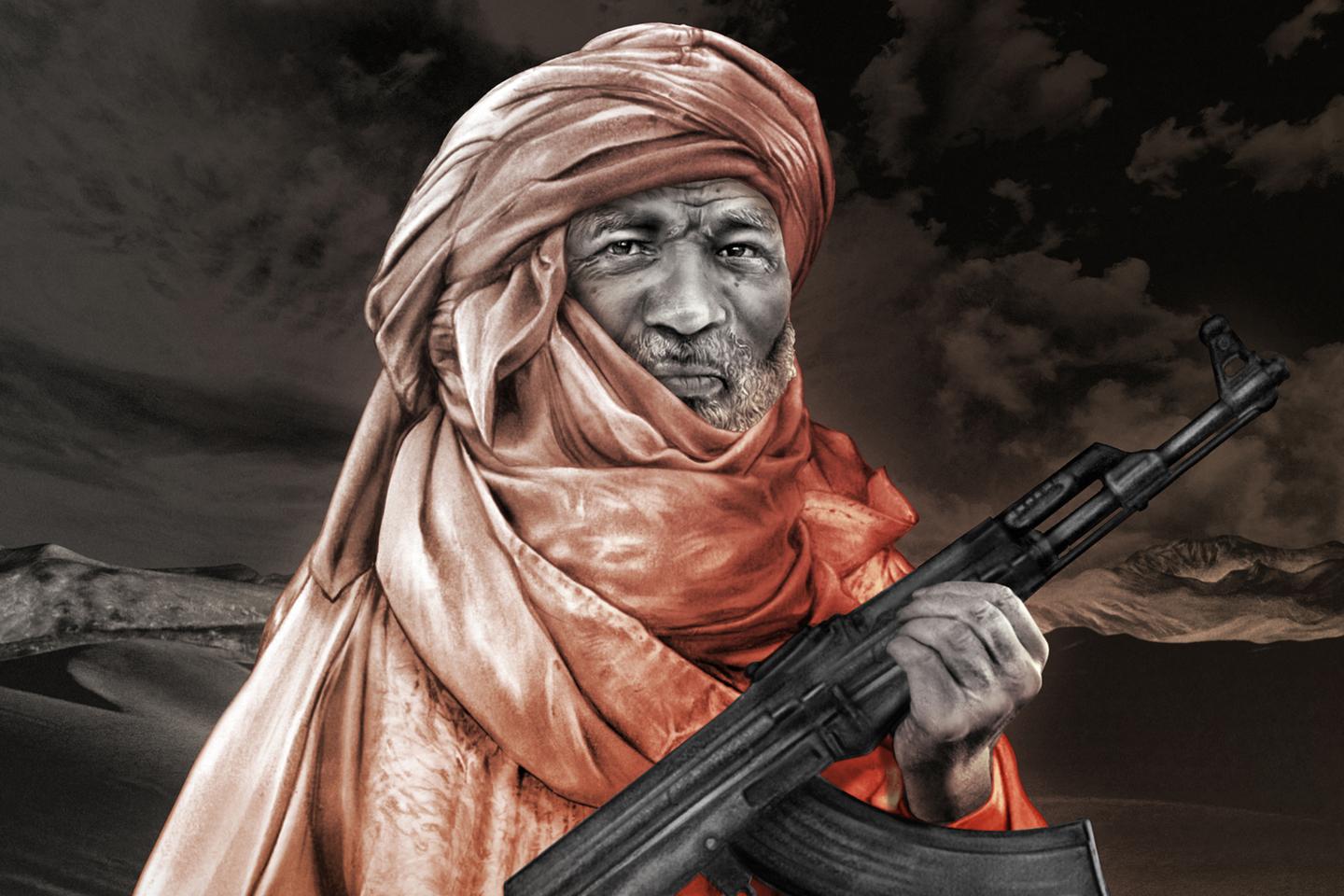
JNIM was formed in 2017 as an al-Qaeda-aligned merger of AQIM's Saharan branch, Ansar al-Dine, al-Mourabitoun and the Macina Battalion. The new coalition fused Tuareg militant leadership, Fulani/Macina mobilisation, Saharan smuggling networks, and local grievance ethnopolitics.
Rather than a simple "Fulani group", JNIM is a multi-ethnic, militant-light coalition with a powerful Fulani engine in central Mali and an experienced Tuareg-Saharan command layer.