Tuesday 26 May 2026 12:42 pm
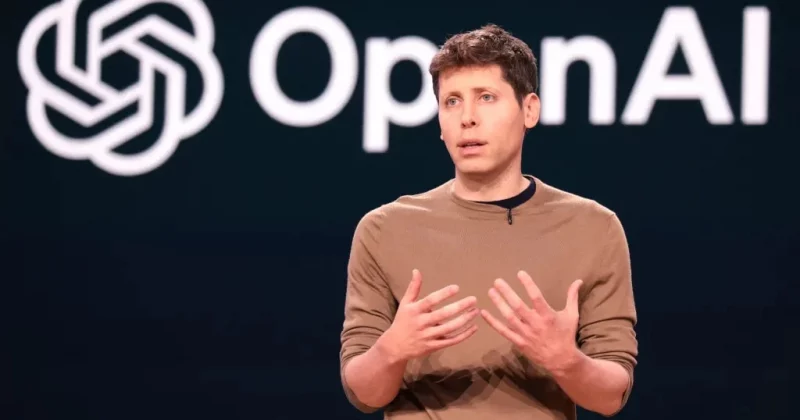
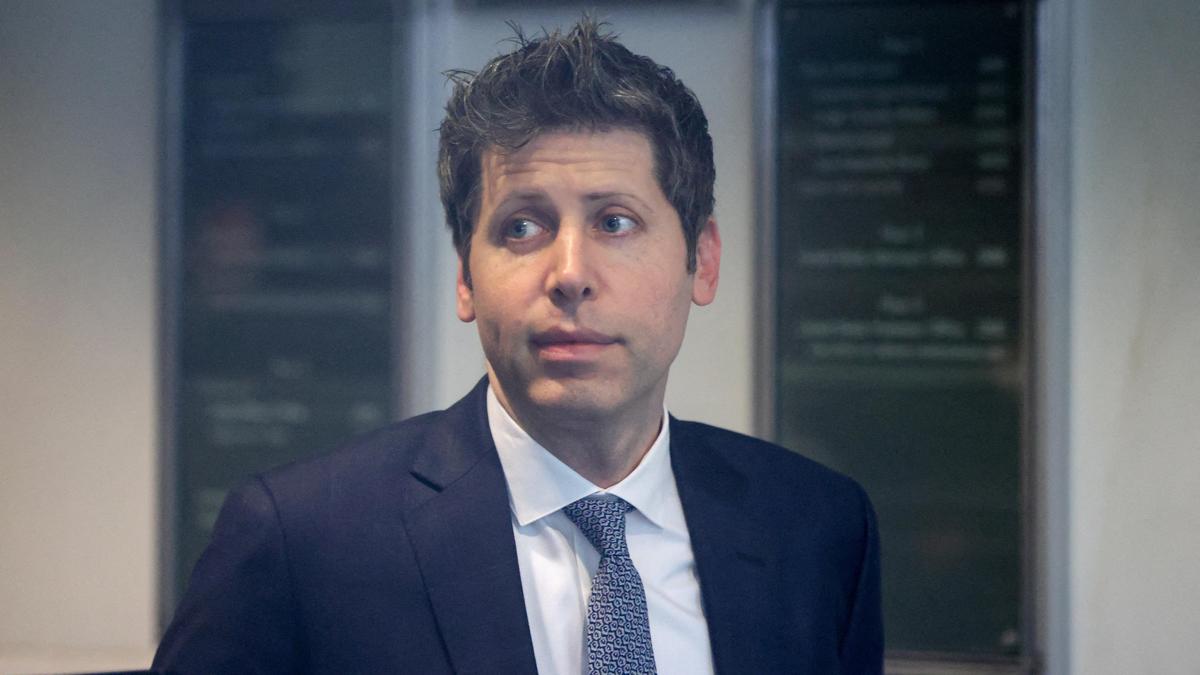
"We really do care about our interactions with people," Altman said
OpenAI boss Sam Altman has softened his warnings over AI wiping out white-collar work, saying the feared “jobs apocalypse” has so far failed to materialise despite the tech rapidly reshaping business decisions and operations.Speaking on Tuesday, Altman admitted he had expected AI to eliminate far more entry-level office jobs by now following the launch of ChatGPT in 2022.“I’m delighted to be wrong about this,” Altman said. “I thought there would have been more impact on entry-level white-collar jobs being eliminated by now than has actually happened.”This marks a change of heart from one of Silicon Valley’s most influential AI figures, who had previously warned customer service and administrative roles could disappear quickly as generative AI spread through the economy.Instead, Altman suggested companies are discovering that while AI can automate tasks, it struggles to fully replace the human element of work.He said OpenAI had experimented internally with AI-generated email and Slack responses before reverting some interactions back to humans.“We really do care about our interactions with people,” Altman said. “It’s not something I can imagine myself outsourcing to an AI anytime soon.”His words come as executives simultaneously talk down fears of mass unemployment while accelerating AI-driven restructuring programmes inside their own businesses.Over 50,000 tech jobs have already been cut globally this year, according to industry trackers, with companies including Meta, Oracle, Snap and Atlassian linking layoffs directly to AI investment.In banking, Standard Chartered last week announced plans to cut almost 8,000 back-office jobs as it increases spending on AI systems, while HSBC chief executive Georges Elhedery warned this week that generative AI would inevitably “destroy certain jobs and create new jobs”.JPMorgan boss Jamie Dimon has also acknowledged AI will eventually reduce headcount across parts of the financial sector, even as banks race to deploy AI tools internally.AI hiring boom offsets wider tech layoffsAt the same time as firms cut some roles, hiring for elite AI talent is exploding, and particularly in London.Anthropic is currently advertising more than 40 positions in the capital as it expands into a new office capable of housing 800 staff, including research engineering jobs paying up to £630,000 a year before equity.OpenAI, Google DeepMind and a growing cluster of AI start-ups are also aggressively expanding their London presence around King’s Cross, driving one of the fiercest tech recruitment battles the city has seen in years.The contradiction increasingly sits at the centre of the AI debate, where automation is reducing demand for some routine work while simultaneously creating a scramble for highly specialised AI roles.Even Altman stopped short of ruling out future disruption entirely: “At the time I was like, ‘I see this is a real risk we should probably talk about’,” he said of his earlier warnings. “And it still may.”His comments also contrast with warnings issued this week by Anthropic co-founder Christoph Olah, who said there remains “a real possibility” AI could displace human labour “at very large scale”.Some executives increasingly see the technology as a productivity tool comparable to the internet or spreadsheets – automating repetitive tasks while creating entirely new categories of work.Others fear the speed and scale of AI development could compress decades of labour market disruption into just a few years.