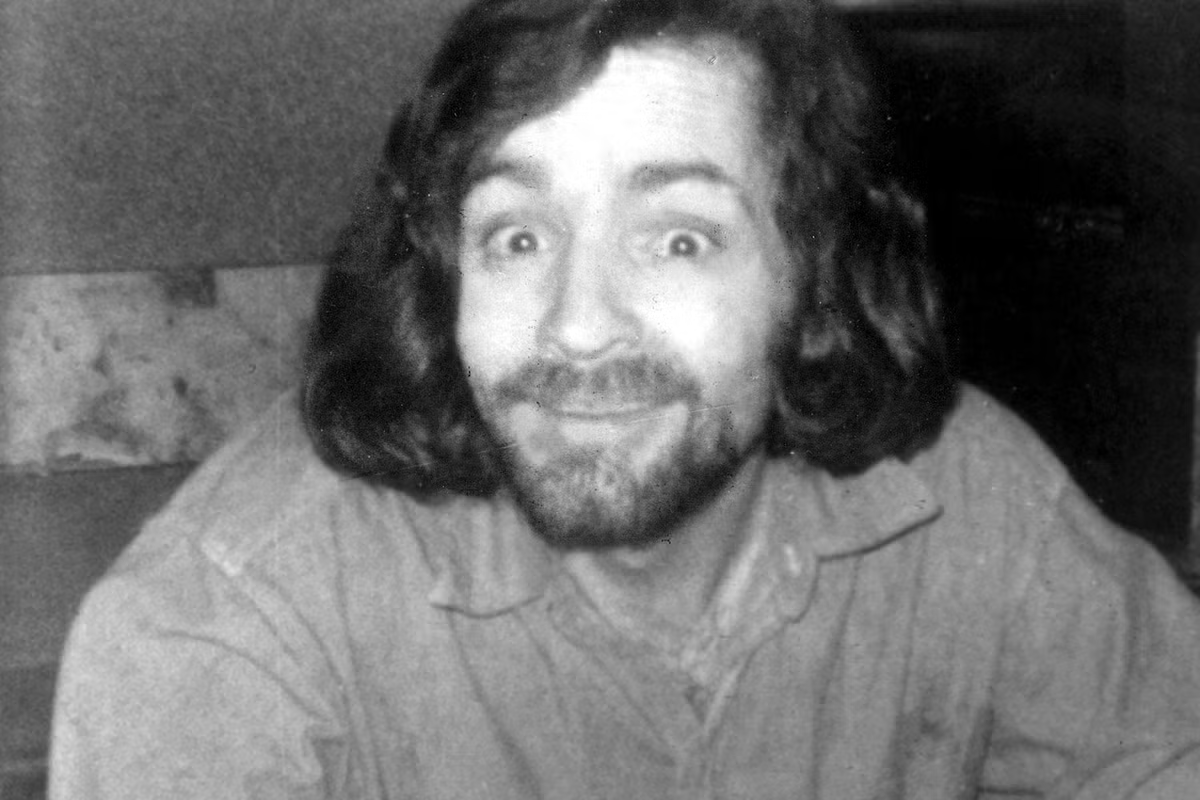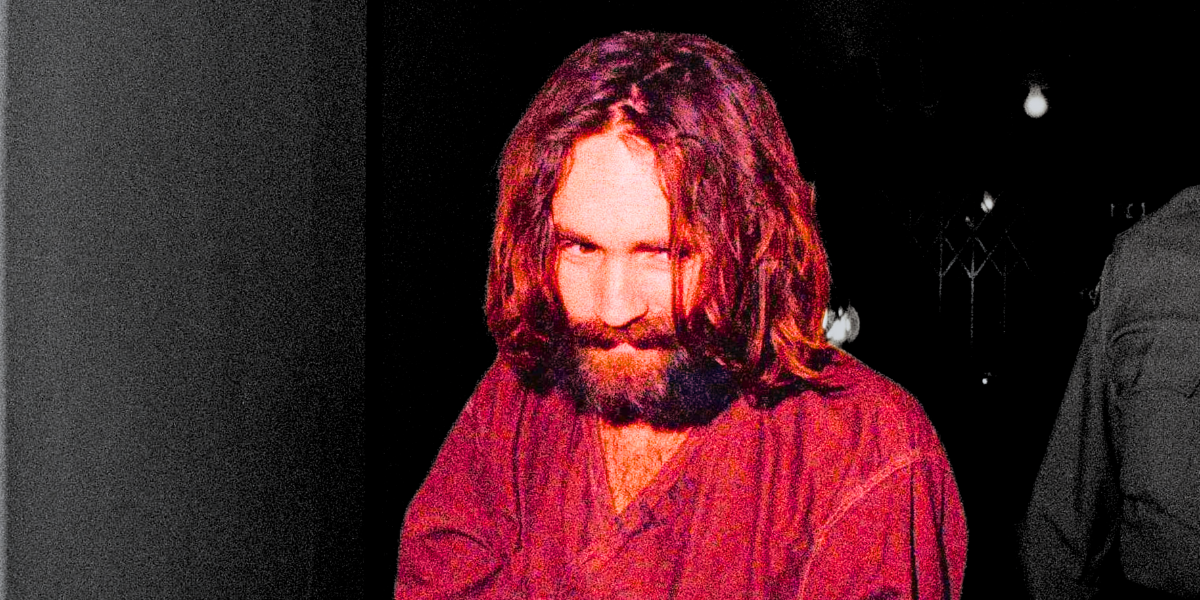
“Now is the time for Helter Skelter,” Charles Manson is said to have said, and then the family went out and committed two nights of violence that meant to “shock the world” and “instill fear into the establishment.” But given the paradoxical notions of time that shaped the family’s communal life, it’s remarkable that they knew what he meant at all, not to mention that this unusual temporal pronouncement had for them the force of law. But apparently, they did, it did, and it matters: Distinct notions of time factored into the family’s radicalization and rooted whatever authority Manson had for its members.Article continues after advertisement
What we will call “family time” was no less striated than the space at Spahn’s, and it too was causally connected to the family’s crimes. Like that space, so this time: It is assumed to be stable, straight, and standard, but if we disaggregate and analyze its layers, it becomes plain that it was much more multifaceted than that. But also, uniquely, we can come to see a kind of psychic link in the family between their experience of time and an unusual understanding of terror.
This link ultimately produced in them a state of hyperconscious historicity, something like an intensely sharpened sense of being in time, which animated their will to violently intervene in the historical present for the sake of an exalted future. Such a link however is characteristic of radicalization more generally, and indeed the strange story of Helter Skelter—the official script, certainly, but not only—becomes straightforward as soon as it is read as belonging to the longer history of politico-religious extremism, or terrorism.