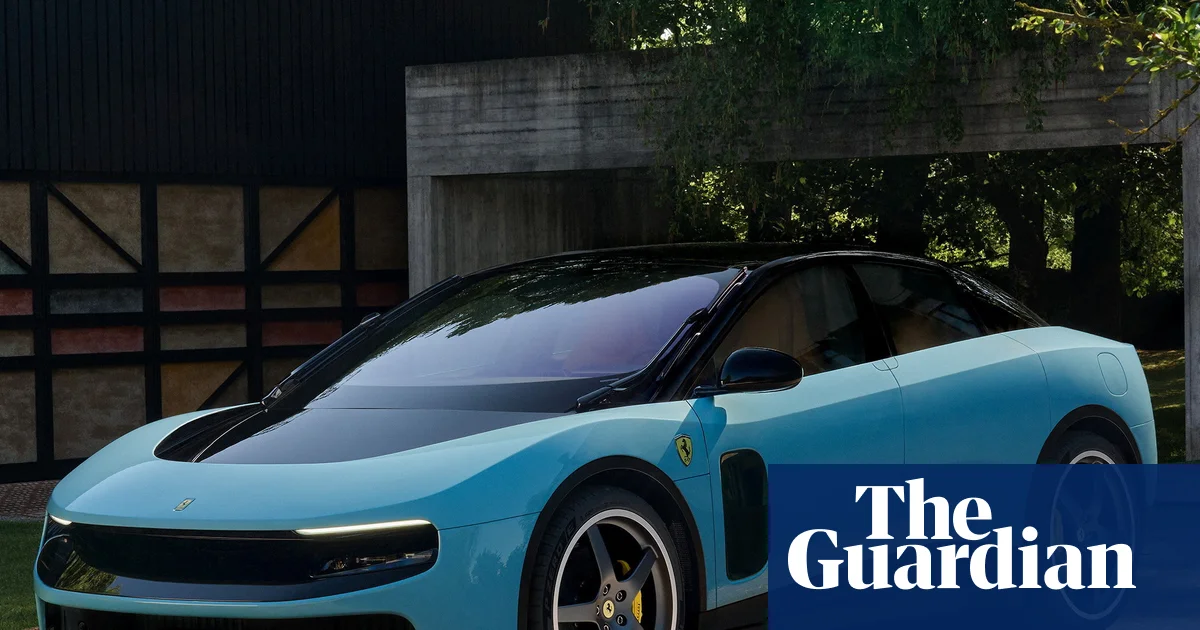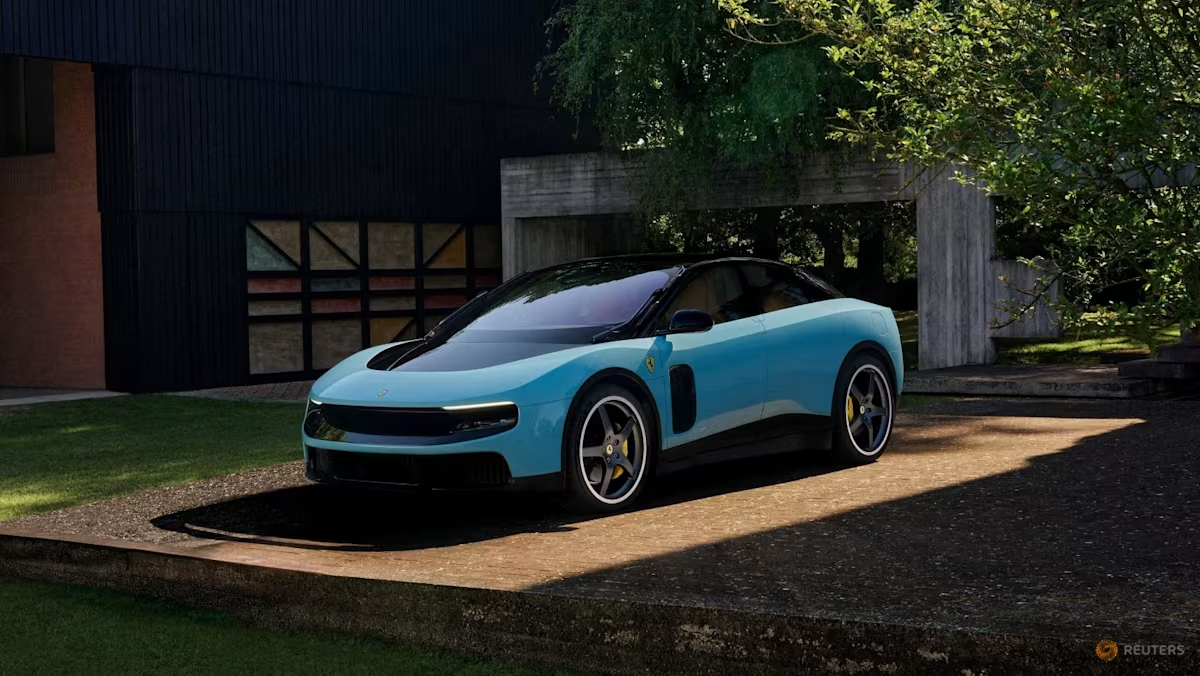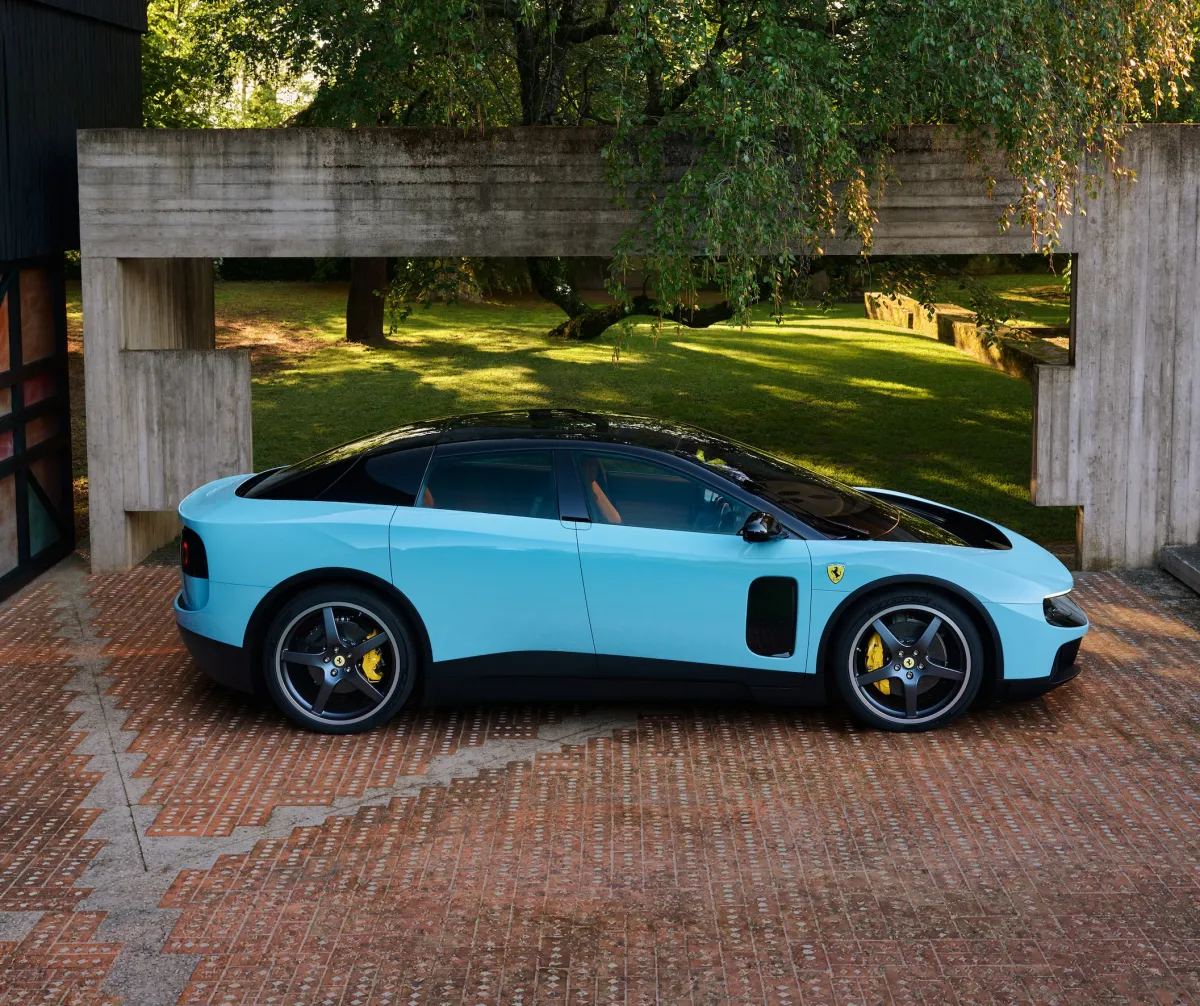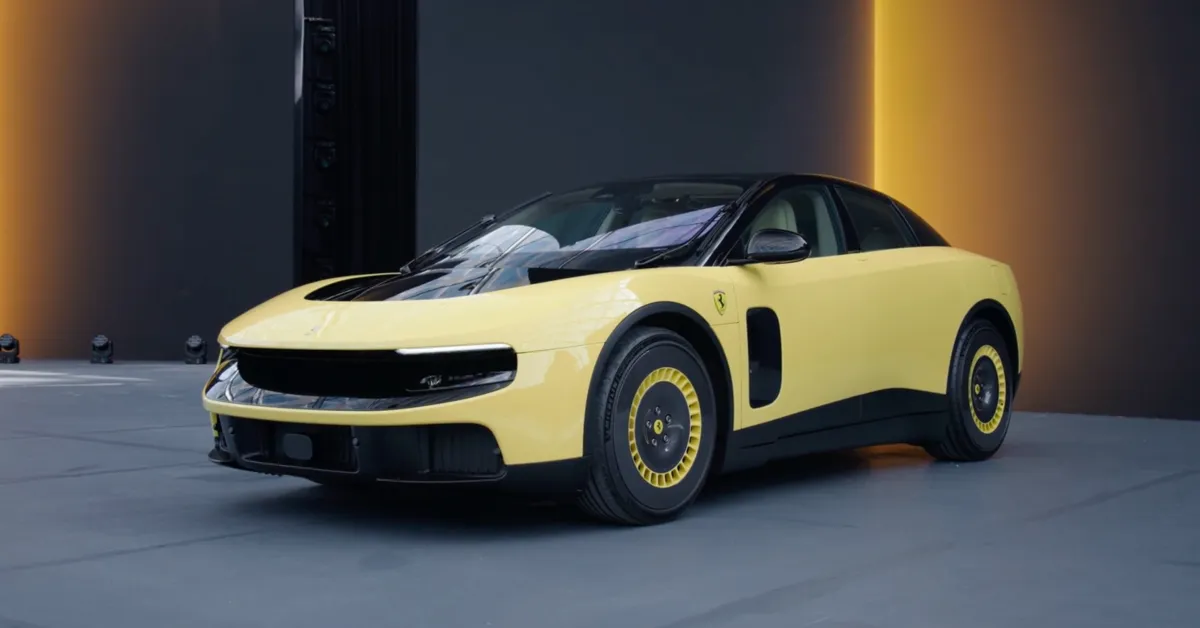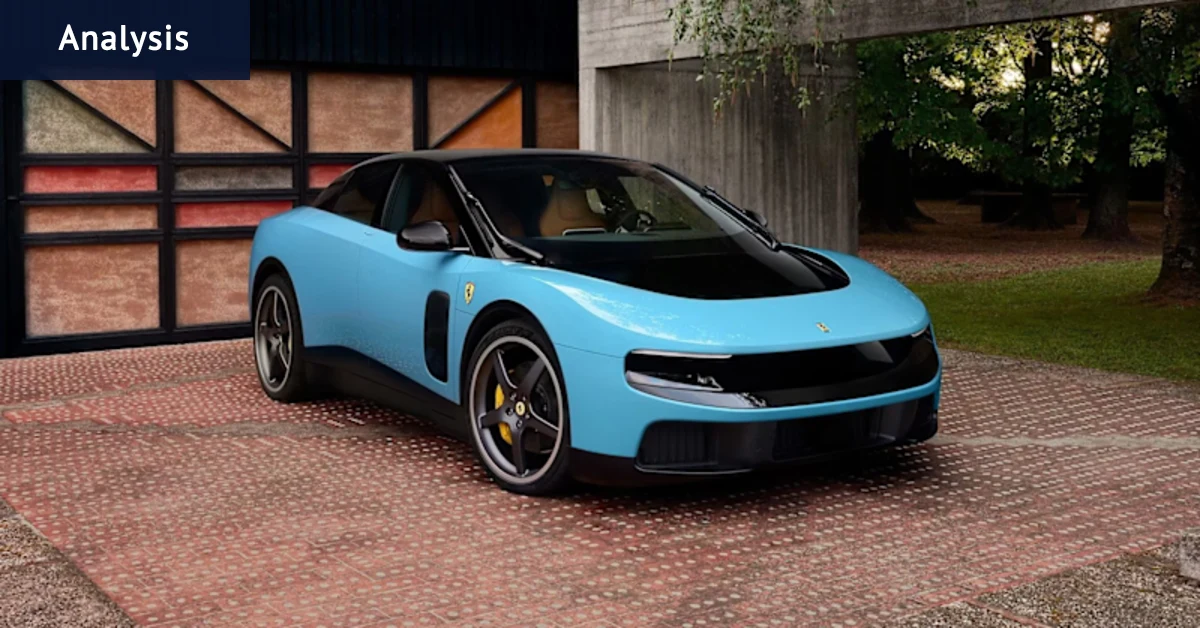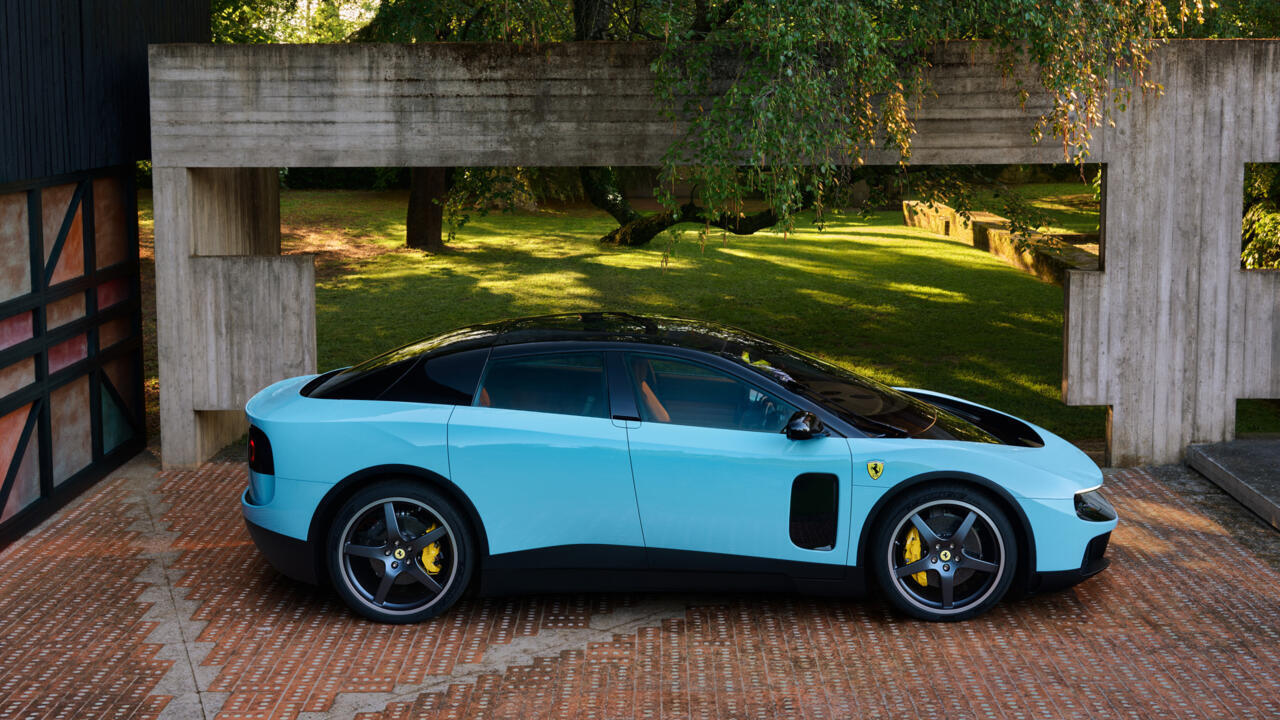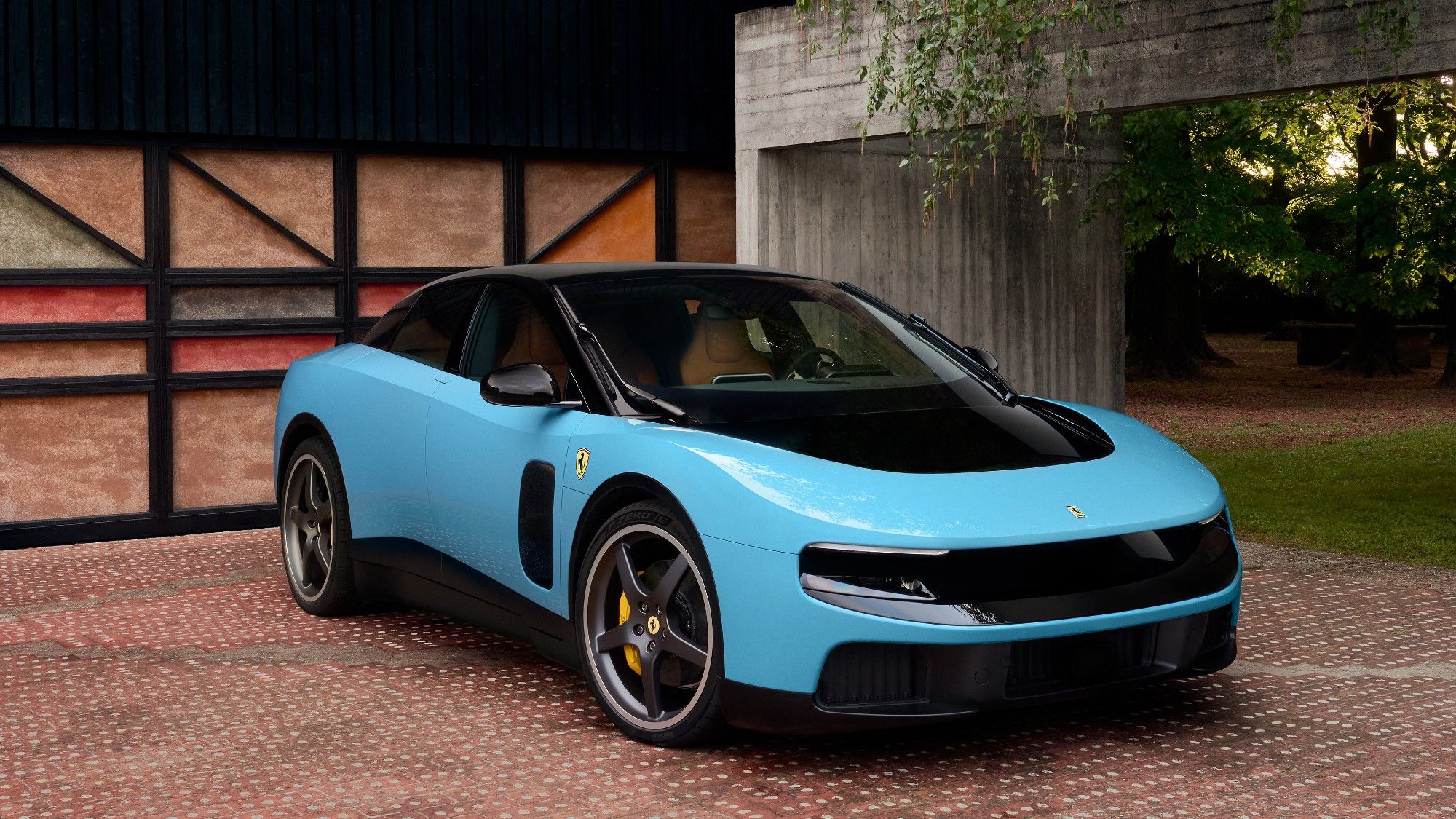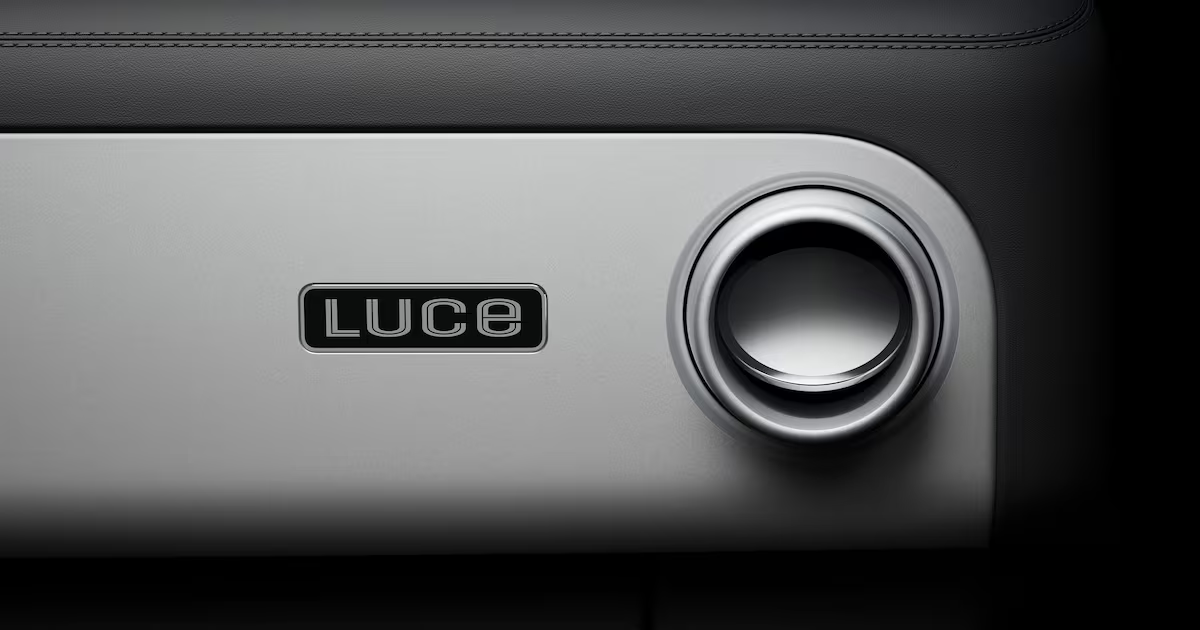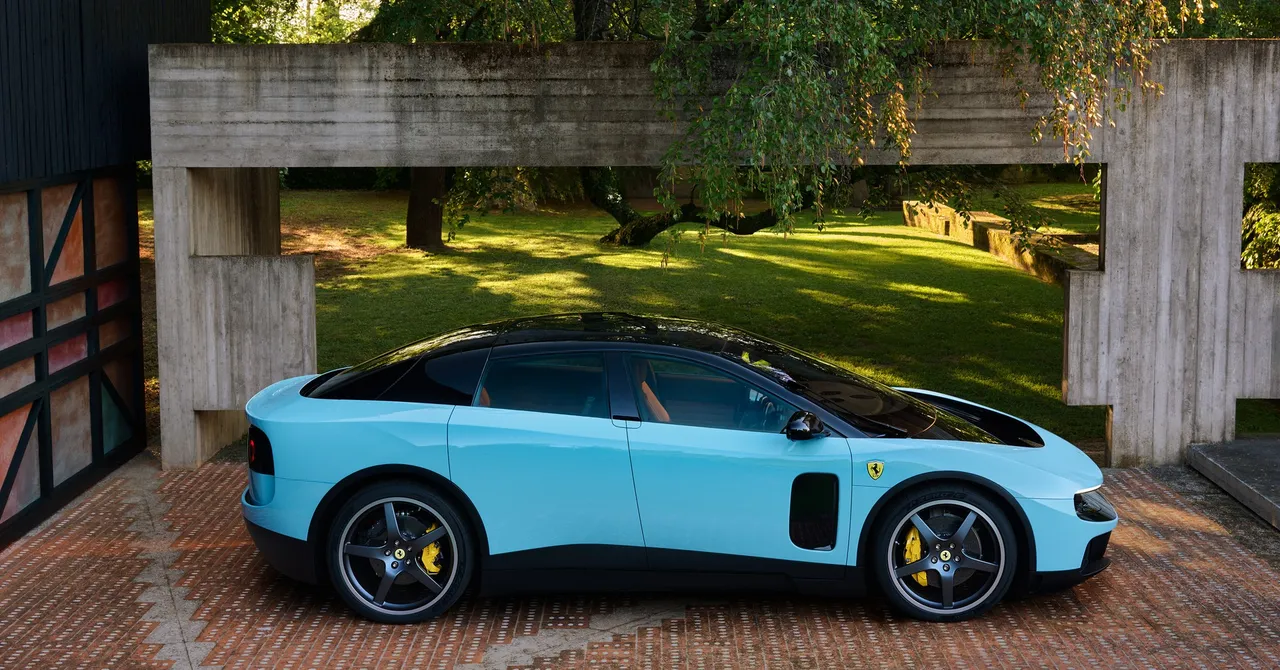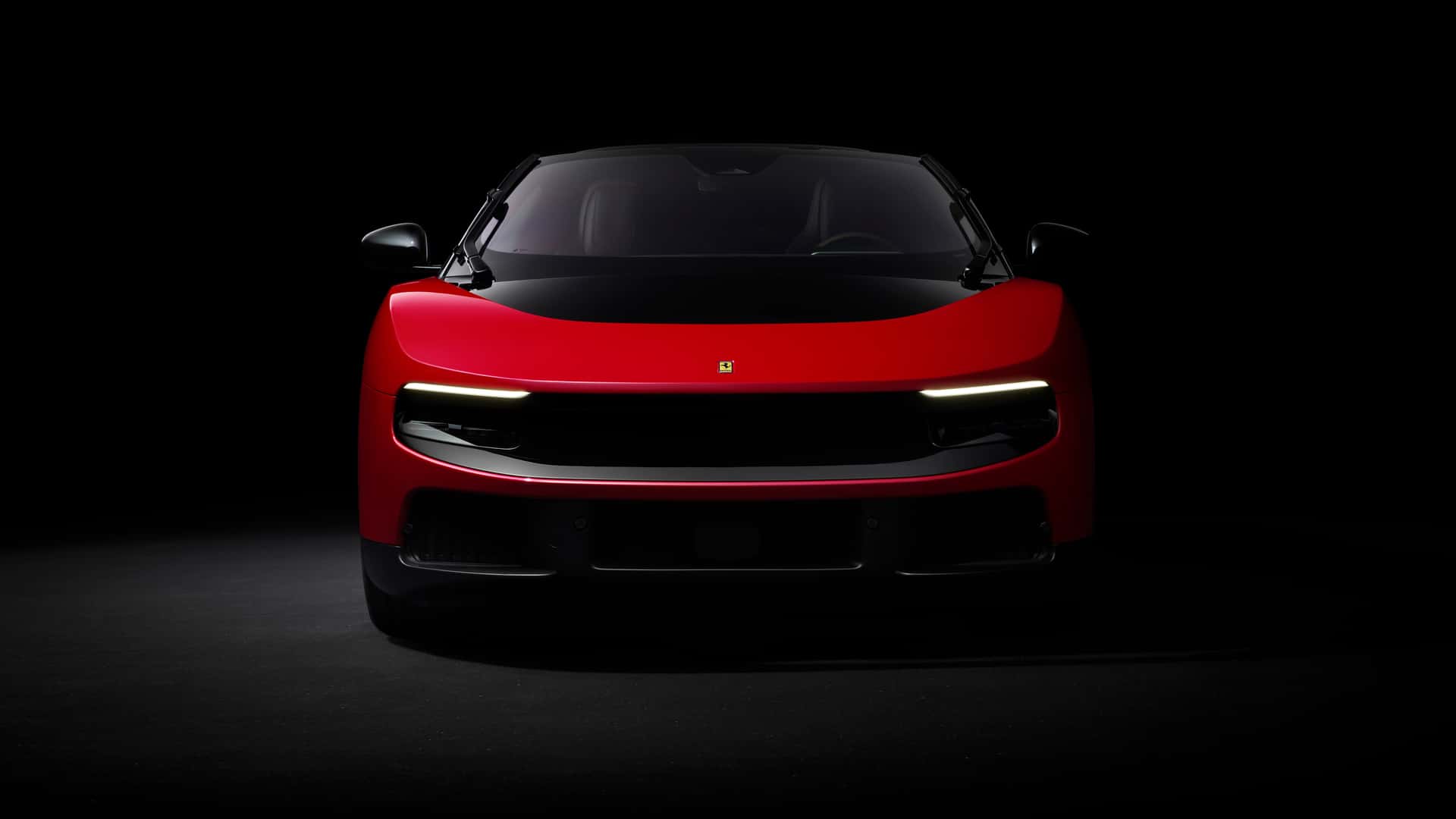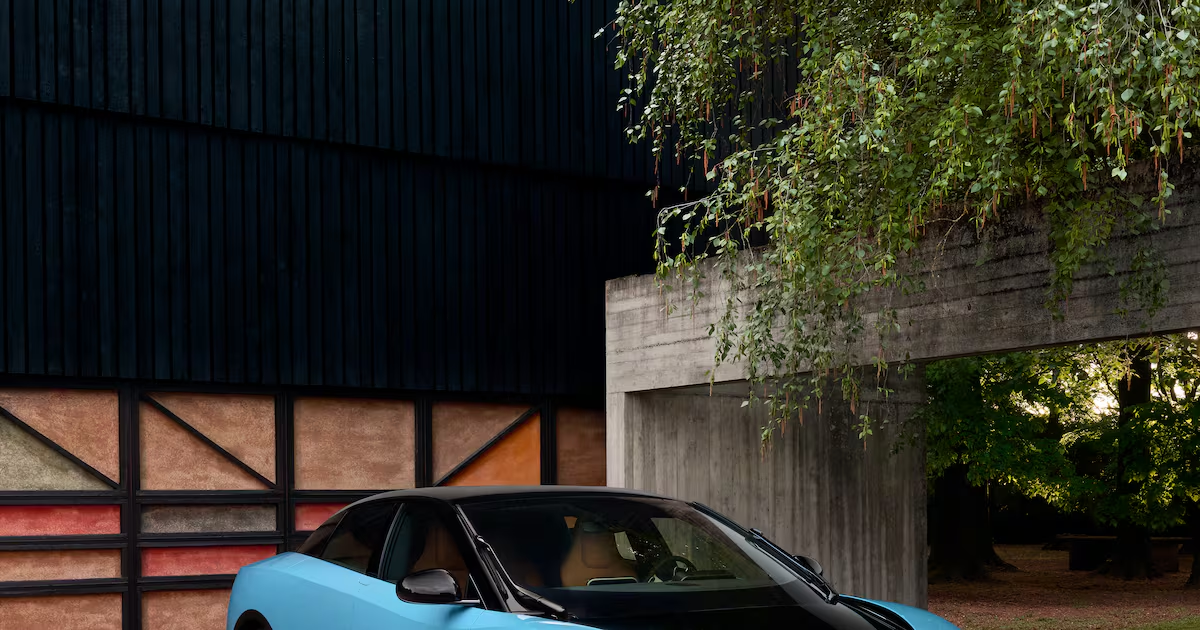
Launching an electric car was never going to be easy for Ferrari. By contrast, Rolls-Royce’s first EV, the Spectre, emerged without a murmur of dissent, largely because silent electric power plays perfectly into Rolls’ image. Ferrari, though? Its legend, its entire reason for existence, is based on screaming V12 petrol engines. Legend has it that Enzo Ferrari himself once opined that a car had been properly engineered if, under full acceleration, the driver pooped their pants (and he didn’t say pooped…).Ferrari has had to face the realities of the modern world and accept that the electric motoring revolution is, effectively, a done deal. In that, Ferrari is at least proving to be a bit more forward-looking than its rivals at Porsche, Lamborghini, and Bentley who are all rowing back on prior EV commitments. While those companies back away from batteries, the Ferrari Luce (from the Latin for ‘light’) is on sale now and if you have around €550,000 (plus Irish VRT and VAT) handy, you can have one delivered by early spring 2027. The mere thought of Ferrari replacing its mighty petrol engines with batteries and e-motors will always and forever have been enough to get many keyboard warriors flexing their knuckles, but the Italian sports car and racing brand didn’t simply take one of its existing designs and convert it from hydrocarbons to volts, which might have been the easier route. Ferrari Luce Instead, Ferrari turned to LoveFrom to design its new car. LoveFrom is a design consultancy run by famed former Apple head of design Jony Ive and legendary industrial designer Marc Newsom. While these men may appear to be lacking some consonants from their names, they are the very gold standard of modern design.Given Ive’s super-clean Apple product lines and Newsom’s gorgeous, but under-decorated, 021C concept car from two decades ago, perhaps it shouldn’t be a surprise that the Luce is a sudden, almost violent, deviation from the atomic doorstop norm of Ferrari design. The Luce is utterly un-ornamented, a car designed almost to be the entire anthesis of Ferrari’s traditional look. It’s a cab-forward, five-door (the rear doors are rear-hinged, and there’s a fastback boot with almost 600 litres of luggage capacity) quasi-saloon with totally clean lines, almost to the point of blandness. Ferrari Luce There are intriguing details — the rear lights which are almost a carbon copy of those from the legendary 1980s Ferrari F40, the fully-open front and rear spoilers, and the way the black glass ‘bubble’ of the passenger compartment seems to be suspended under the rest of the bodywork — but you can clearly see Ferrari’s thought process; we’re going to upset people with this car, so we may as well go the whole hog. Then again, the vibe from Maranello (Ferrari’s home town, near Bologna in northern Italy) is that this is definitely, defiantly, not a car for Ferrari traditionalists, and that’s okay. Certainly, Ferrari will be equally eyeing up both incoming EV legislation around the world and the sorts of younger, hyper-wealthy entrepreneurs for whom a howling V12 means little, but a super-fast EV with space for the family - and one of the most storied names in motoring – might be rather more appealing. Ferrari Luce Certainly, there will be no lack of performance from this Ferrari. There’s a 122kWh battery underneath, which uses 800-volt charging technology to allow for 350kW fast charging and the recovery of 70kWh in as little as 20 minutes. The range? Around 530km.Don’t expect to see 530km in one go if you’re unleashing the quad-motor, 1,050hp power of the Luce though. Ferrari has used one individual radial flow electric motors per wheel, and these motors are said to be related to those used by the hybrid system of Ferrari’s Le Mans hat-trick winning 499P race car. Win on Sunday, recharge on Monday…The Luce will accelerate from 0-100km/h in a retina-rupturing 2.5 seconds, and will reach 200km/h in just 6.8 seconds if you keep your foot pinned, and the law allows. The maximum speed if 310km/h — an almost ludicrous figure by electric car standards. Oddly, once you step inside the Luce’s roomy, practical cabin, there’s actually a return to some Ferrari traditions. Ferrari Luce Ferrari Luce You’d have expected the man who revolutionised our phones, turning them into tiny portable tellies, to have created a screen-heavy environment for the Luce, but - thankfully - Ive knows that the cabin of a car, especially that of a high-price, high-performance Ferrari, has to be more tactile than that. That’s doubly true of an electric Ferrari, which has to provide physical feedback through means other than a snorting combustion engine, bolted to the bodywork behind your back. So the Luce will have a cabin that actually riffs on some of the great Ferraris of the past. The instrument panel, mounted behind a very retro three-spoke steering wheel with aluminium spokes, gives you a digital display that mimics the gorgeous green or orange back-lit physical gauges made for Ferraris of old by companies such as Veglia Borletti or Jaeger. The fact that such displays chime neatly with the expensive, mechanical analogue watches worn by many potential Luce customers is no doubt an influence too. There are some very neat touches, such as the ‘dials’ being created by layering multiple ultra-thin TFT screens designed by Samsung, and there being an actual, physical needle for the digital speedometer. The instrument panel is also attached to the steering column, so it moves with the wheel as you adjust your driving position — a first for Ferrari. To either side of the steering wheel sit little pods, also on aluminium arms, which contain small and delightfully tactile physical switches for things such as the windscreen wipers, the cruise control, the electric motor settings, and the ‘Manettino’ button, fitted to all Ferraris, which allows you to switch between driving modes tuned for comfort or sportiness. There are more tactile buttons at the base of the main touchscreen, a 10-inch design that, yes, looks like an iPad. However, Ive and Newson have resisted the pull of putting all functions on the screen. Surprising for a man who popularised the screen phone? Well, perhaps with a touch of irony, Ive said at the launch event that he would never put all-screen controls in a car, as they require you to look away from the task of actually driving. Perhaps other car makers should take note. The buttons — a combo of rotary dials and 1960s-influenced toggle switches — control the cabin and seat heating and stereo volume, and there’s also an analogue clock with a digital background, perched to the top right of the touchscreen, which looks as if it could have been plucked from Thomas Magnum’s 1980s Ferrari 308 GTB. The screen itself is mounted to a jewel-like ball-and-socket joint, which allows it to be swivelled from driver to passenger and back. Will the internet commentariat and the Ferrari traditionalists continue to scream treason and plot every time they see a Luce? Probably, and it’s hard to escape the thought that this Ferrari is the best-looking car that Xpeng has yet made. However, Ferrari, like all car makers, must eventually start looking to a new and different future for its cars, and according to Benedetto Vigna, Ferrari’s chief executive, that future starts here.“We are convinced that a company demonstrates its leadership when it has the courage to dare and to take on the challenge of new technologies. Ferrari Luce was born precisely from this challenge, offering our unprecedented vision of electrification. “We have not limited ourselves to innovation in powertrains; with Luce, we have launched a whole new segment in our range. “This model is the result of more than 60 of our new patents and lies at the heart of an ecosystem of collaborations with outstanding technology partners. We have created a car that combines unique driving emotions with extraordinary performance, driving pleasure, and comfort for the Ferraristi of today and tomorrow.”
Ferrari’s first electric car is courting controversy at 300km/h
The Luce is packing 1,050hp but its styling, by Jony Ive and Marc Newsom, is already riling up the traditionalists
1,330 words~6 min read