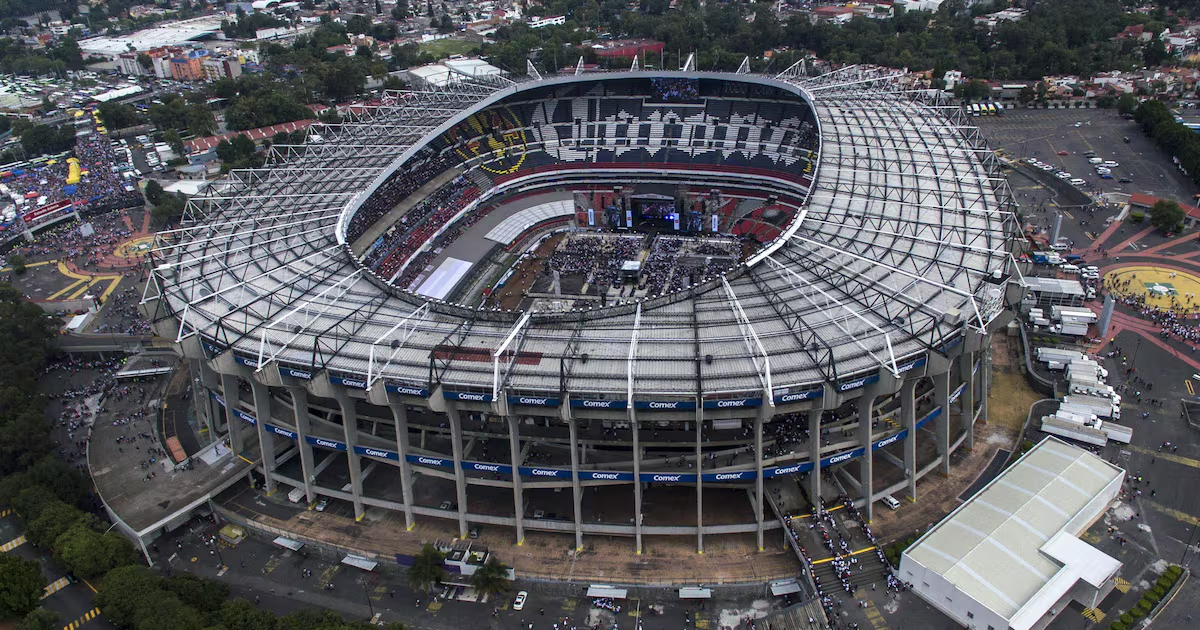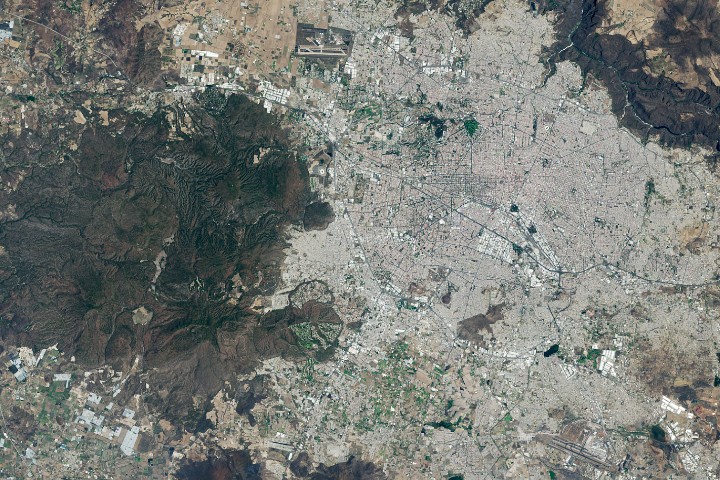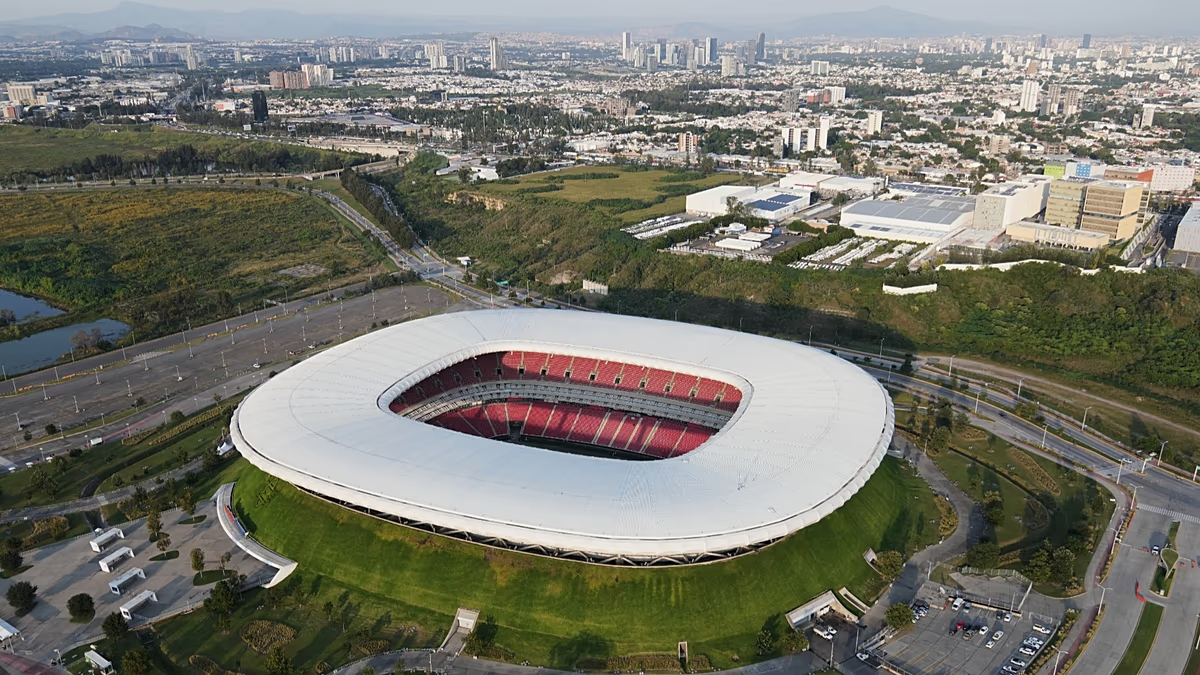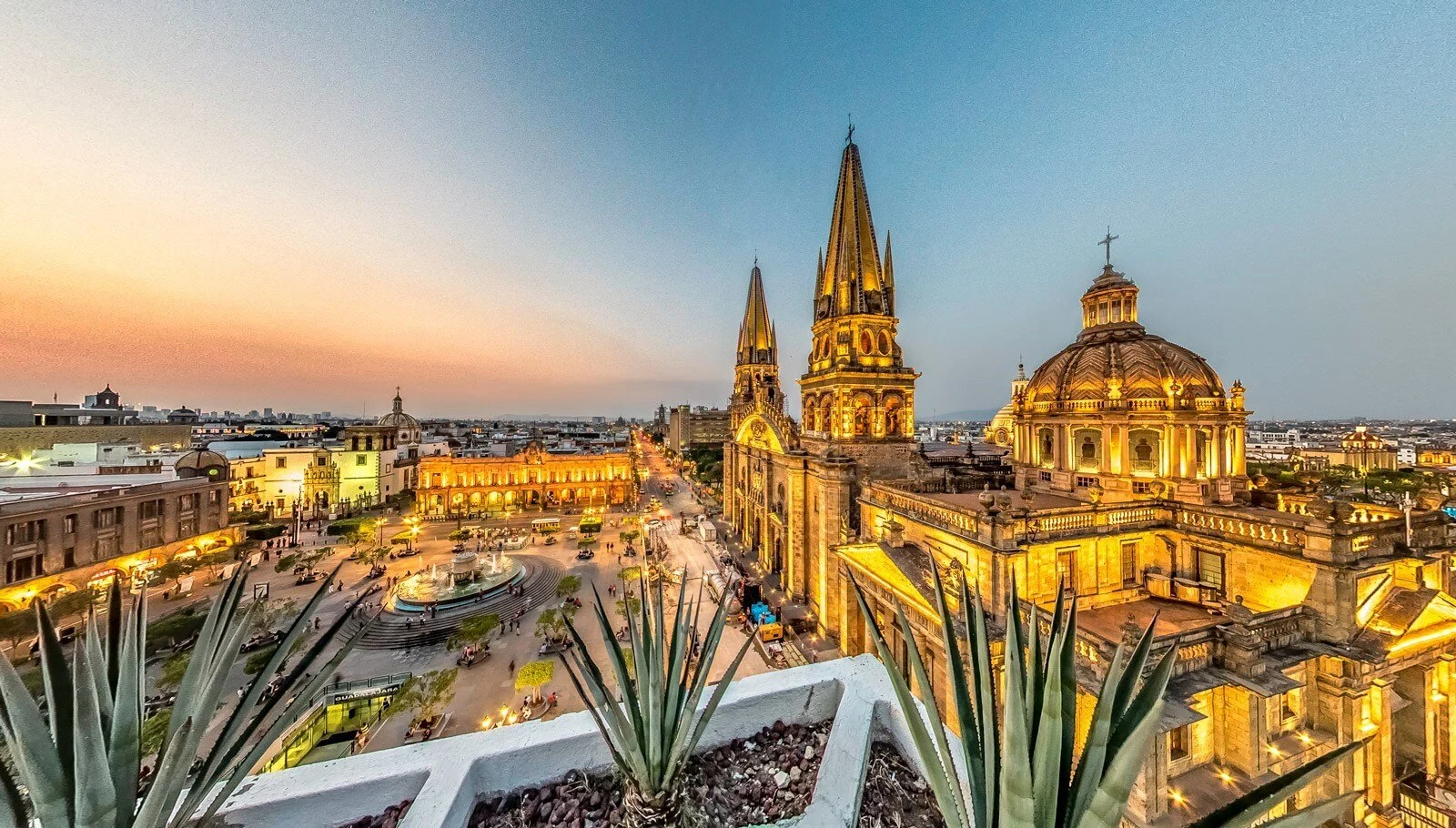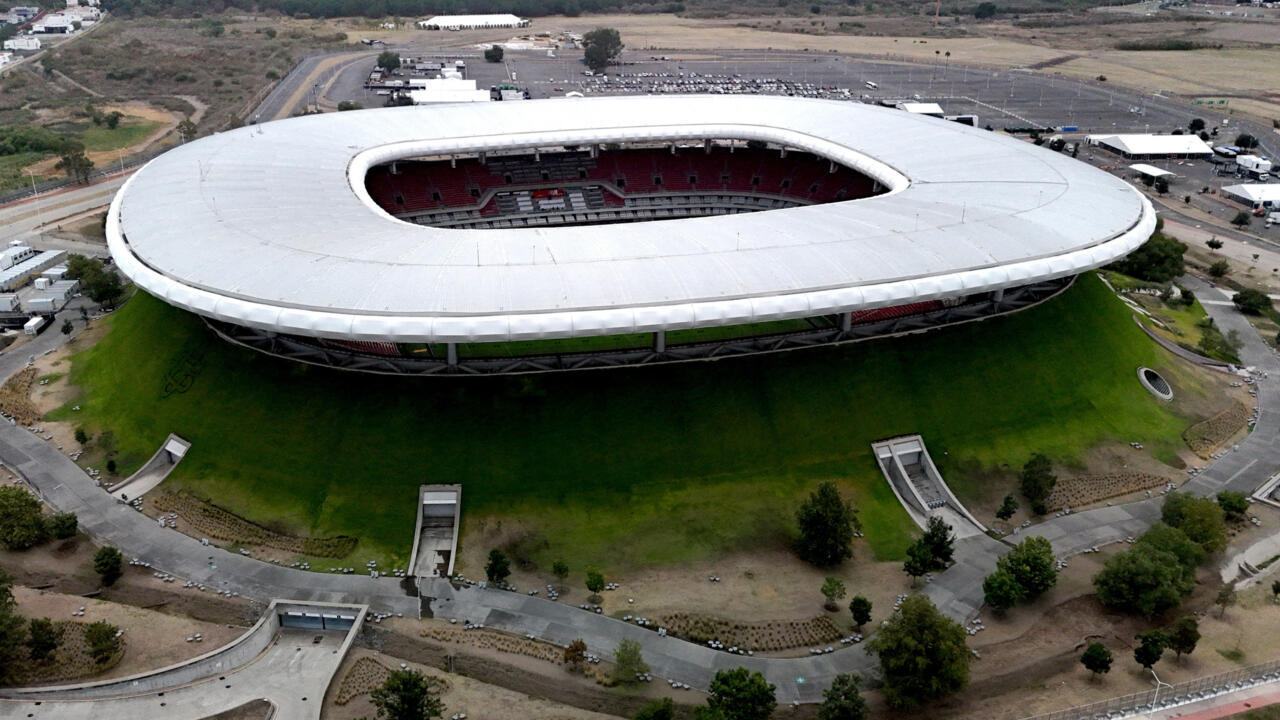
This article is part of our World Cup Stadium Guides series, in which we look at the 16 venues that will host matches at the 2026 tournament.That’s not a volcano sitting in the western suburbs of Guadalajara — though several real ones are not too far away.Built 20 years ago, the Estadio Guadalajara is best known for its atmospheric exterior, the turfed sloped sides suggesting that lava may spew from its roof at any moment. But amid the violence of Mexico’s war on drugs, the stadium’s surroundings hold their own, sadder history.Hosting several intriguing matches — including arguably the pick of any group stage game, Spain vs Uruguay — this is everything you need to know about the ground.What’s it known as normally — and what will it be called for the World Cup?In just 16 years of existence, the stadium has racked up four different names.It was known as the Estadio Omnilife from 2010-16, Estadio Chivas from 2016-17 and has been known as Estadio Akron for the past nine years.The sponsorship deal with Akron, a motor oils firm, is set to expire in 2027. Under FIFA’s branding rules, it will officially be called Estadio Guadalajara during the tournament.The slope on which the Estadio Guadalajara is built (Simon Barber/Getty Images)When was the stadium opened, how much did it cost and who plays there normally?There was quite some time between C.D. Guadalajara, the Liga MX side who are the ground’s primary tenants, announcing they were going to leave their old stadium, Estadio Jalisco, and playing at their new home.The Estadio Jalisco, the city’s previous stadium, was a hulking, if dated, monolith which staged the 1986 World Cup semi-final between France and West Germany.With the plans to move first announced in February 2004, it wasn’t until May 2007 that the first shovel hit the ground — and it was not completed for a further three years, at a total cost of $200million ($295m in today’s money or around £220m).One of the first test games at the stadium was a friendly held in July 2010 between Guadalajara, also known as Chivas, and Manchester United to commemorate Javier ‘Chicharito’ Hernandez, a son of the city, moving between the two clubs.Javier Hernandez playing for Manchester United in the July 2010 friendly (John Peters/Manchester United via Getty Images)He scored the stadium’s first goal in Guadalajara’s colours before swapping shirts for the second half, marking his transfer to United becoming official.Guadalajara are one of the powerhouses of Mexican football, having won 12 Liga MX titles, while, according to a study carried out 10 years ago, they are also the most popular club in the country by fanbase.What are the most famous moments that have happened there?The biggest football moment came when Guadalajara won the 2017 Clausura on home turf, before winning the 2018 CONCACAF Champions League there too. It also staged the opening and closing ceremonies of the 2011 Pan American Games.
World Cup 2026 stadium guides: Welcome to Guadalajara, the ‘volcano’ with a dark past
Estadio Guadalajara is built on a slope and provides a raucous atmosphere, but it also has a sadder past
1,206 words~5 min read