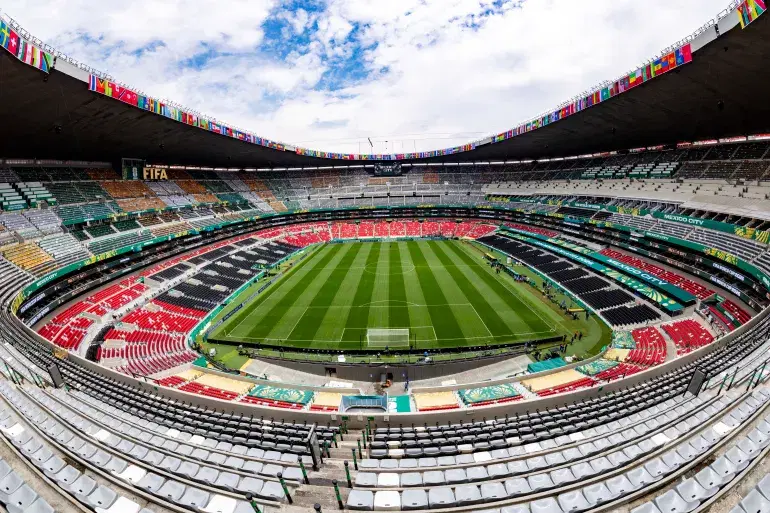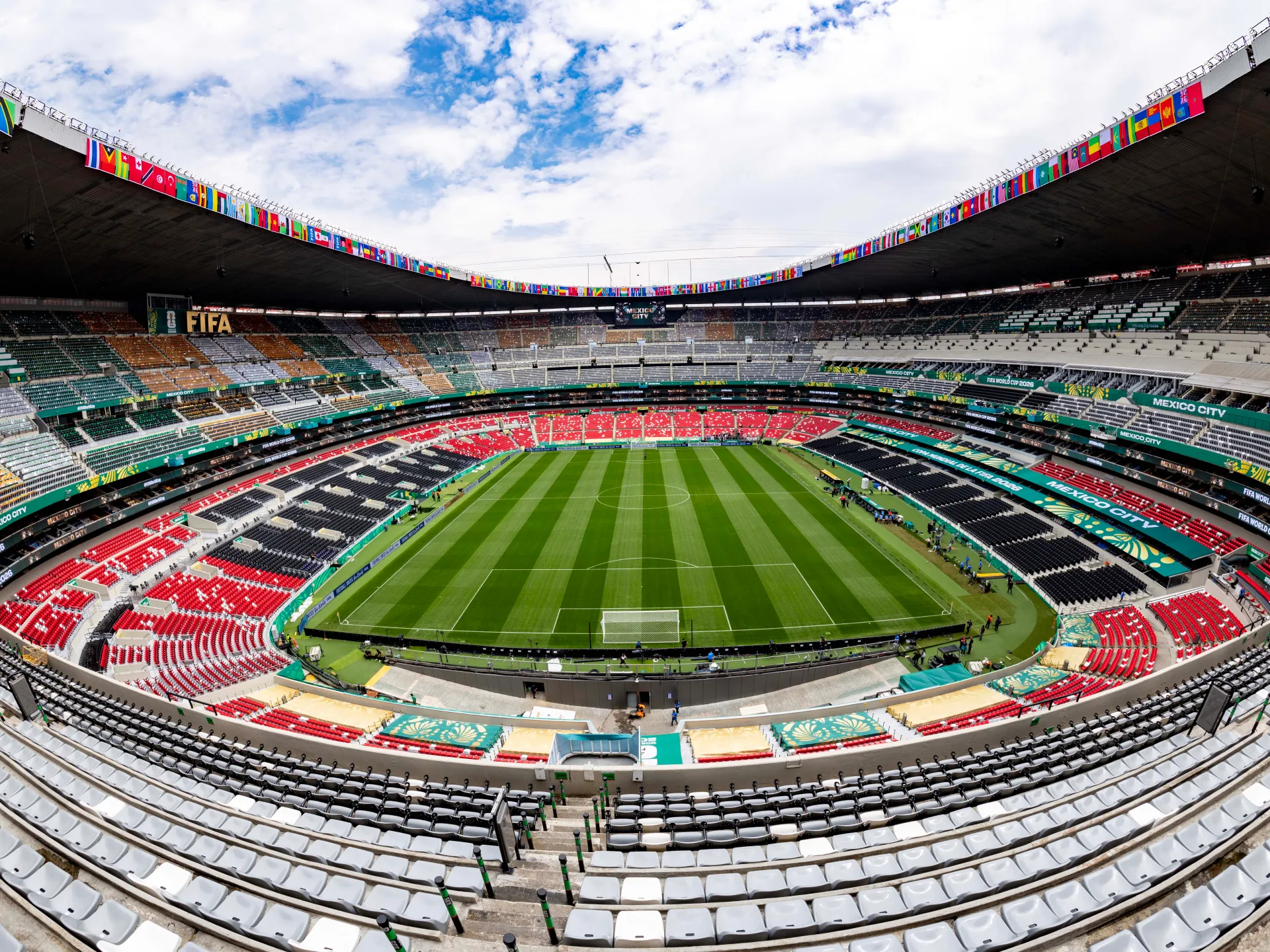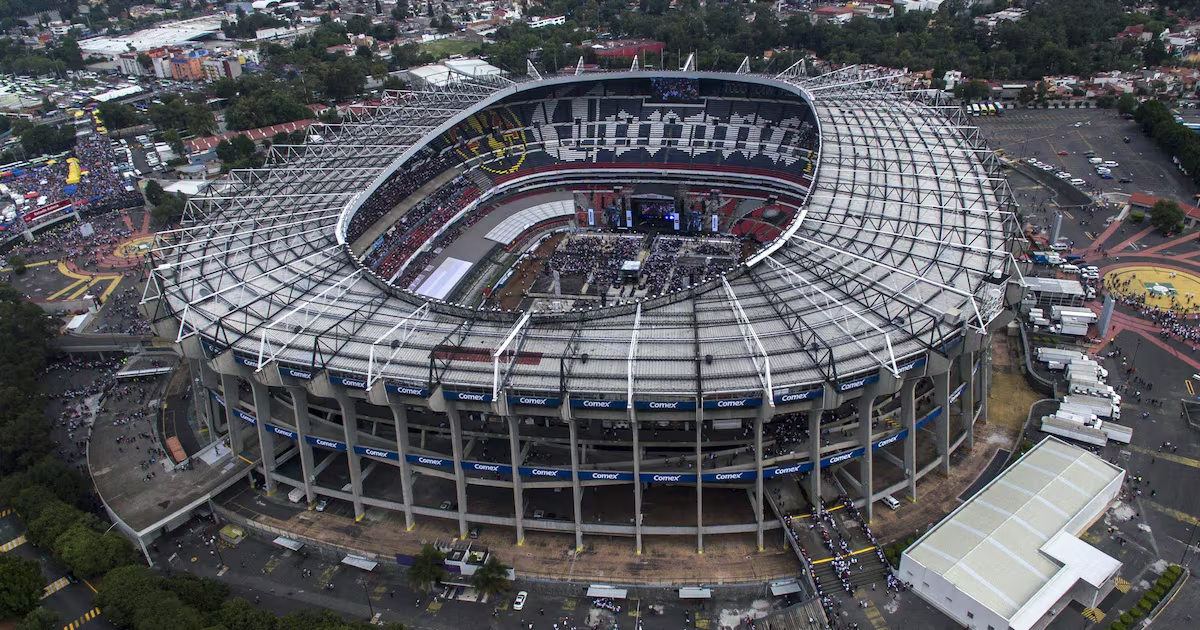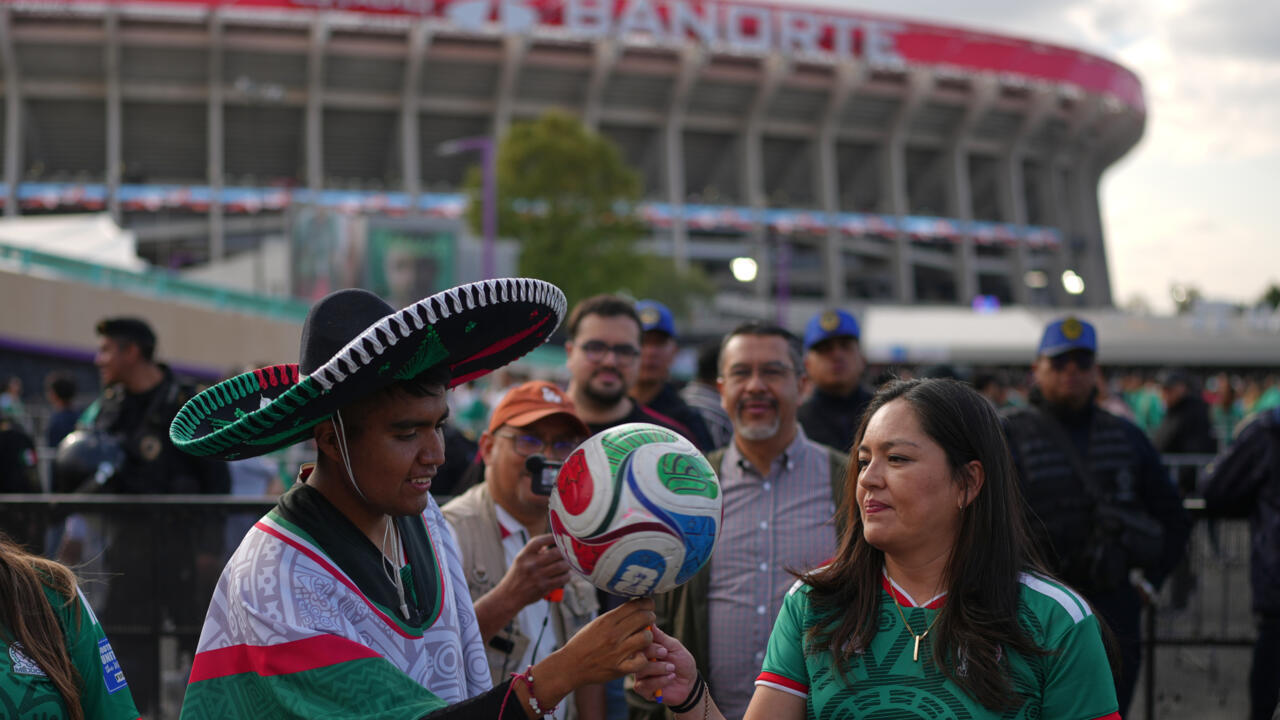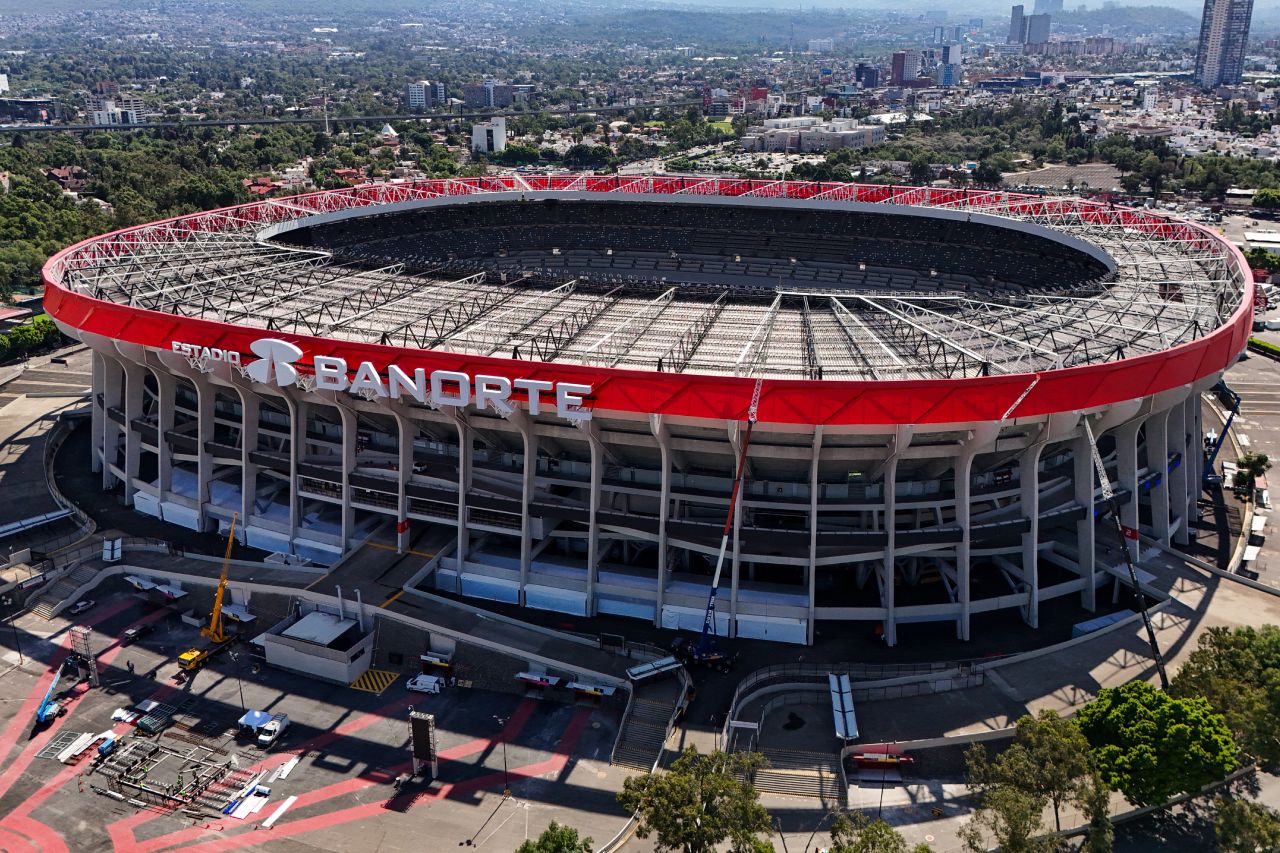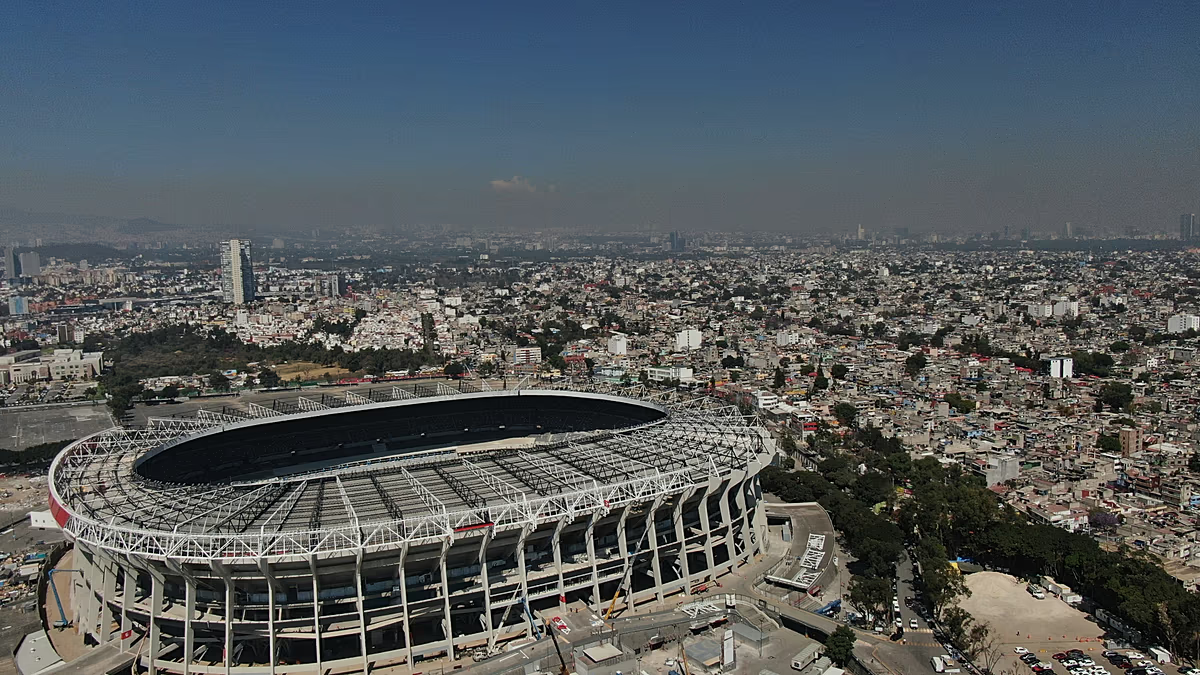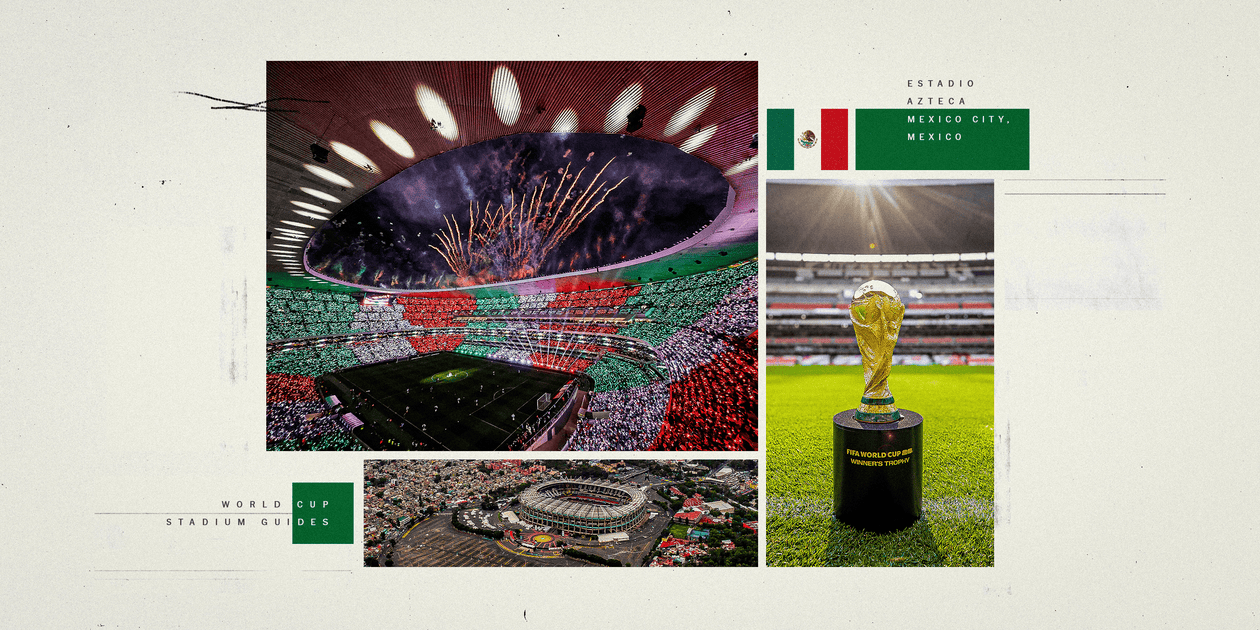
This article is part of our World Cup Stadium Guides series, in which we look at the 16 venues that will host matches at the 2026 tournament.Mexico City Stadium — or, as it is more commonly known, Estadio Azteca — is one of the World Cup’s holy sites.Located in the Mexican capital’s southern sprawl, the stadium has hosted no fewer than 19 matches across two editions of the tournament, including two finals. It was the backdrop for Brazil’s 1970 win and for the Hand of God, Diego Maradona’s infamous opening goal in the 1986 quarter-final against England (and his brilliant second, known as the Goal of the Century). History is hidden in the concrete.This year, the feeling among locals is that the Colossus of Santa Ursula (as they lovingly call it) has been dealt a slightly dud hand. Yes, the Azteca hosts the opening match, Mexico vs South Africa, as well as two more group games. But its final hurrah will be in the round of 16, after which Mexico (and Canada) will be reduced to watching the United States enjoy what remains of the World Cup party.What’s it known as normally?Officially, it is called the Estadio Banorte as a result of a naming-rights deal with a Mexican banking group, signed just over a year ago in order to fund renovations. But to every Mexican — as well as anyone with even a passing interest in World Cup history — it will always be the Estadio Azteca.What will it be called for the World Cup?No prizes for creativity here: Mexico City Stadium.Estadio Azteca was the venue for Diego Maradona’s infamous ‘Hand of God’ goal against England in 1986 (Archivo El Grafico/Getty Images)When was the stadium opened, how much did it cost and who plays there normally?The Azteca was opened in 1966 after five years of construction work. Records relating to the cost are thin on the ground, but most estimates put the outlay at more than 200 million Mexican pesos — about $16million or £6million at that time.Club America have played there ever since, as have the Mexico national team. A handful of other local clubs, such as Cruz Azul, Necaxa and Atlante, have also called it home at various points.What are the most famous moments that have happened there?There are enough to fill a book.Beyond the two World Cup moments already mentioned above, there was also the 1986 World Cup final, a thriller between Argentina and West Germany won by Maradona and company by a 3-2 scoreline. Outside football, the Azteca has hosted NFL international games and big-ticket concerts by acts including Paul McCartney and U2.
World Cup 2026 stadium guides: Welcome to Mexico City and the most iconic venue of them all
Mexico City Stadium has already played host to plenty of defining World Cup moments, including Diego Maradona's 'Hand of God' goal
1,263 words~6 min read