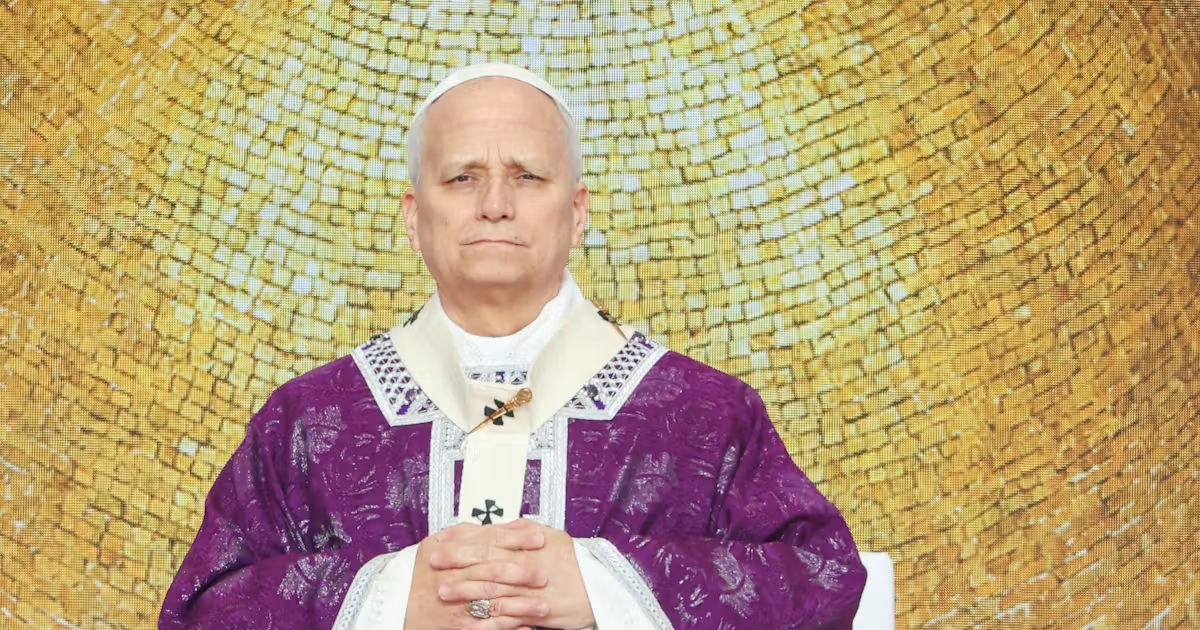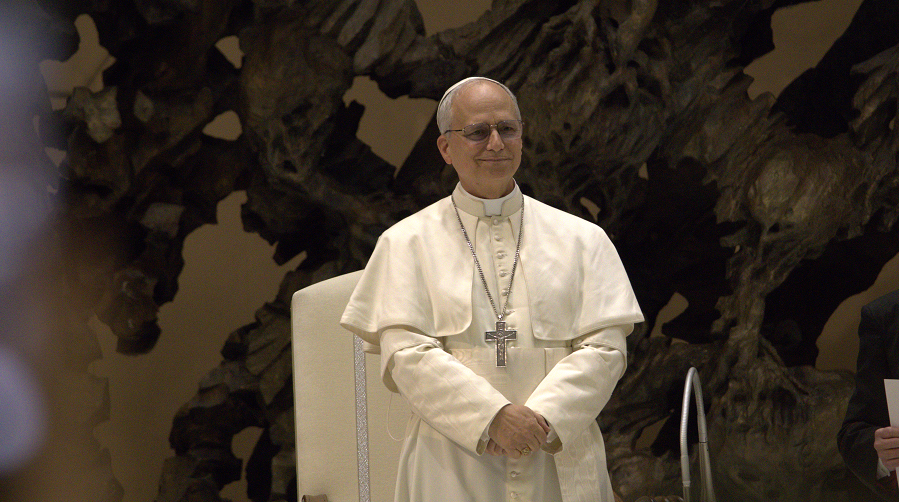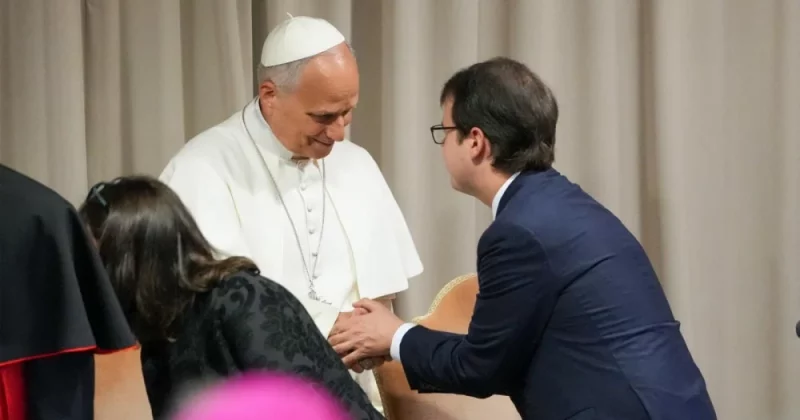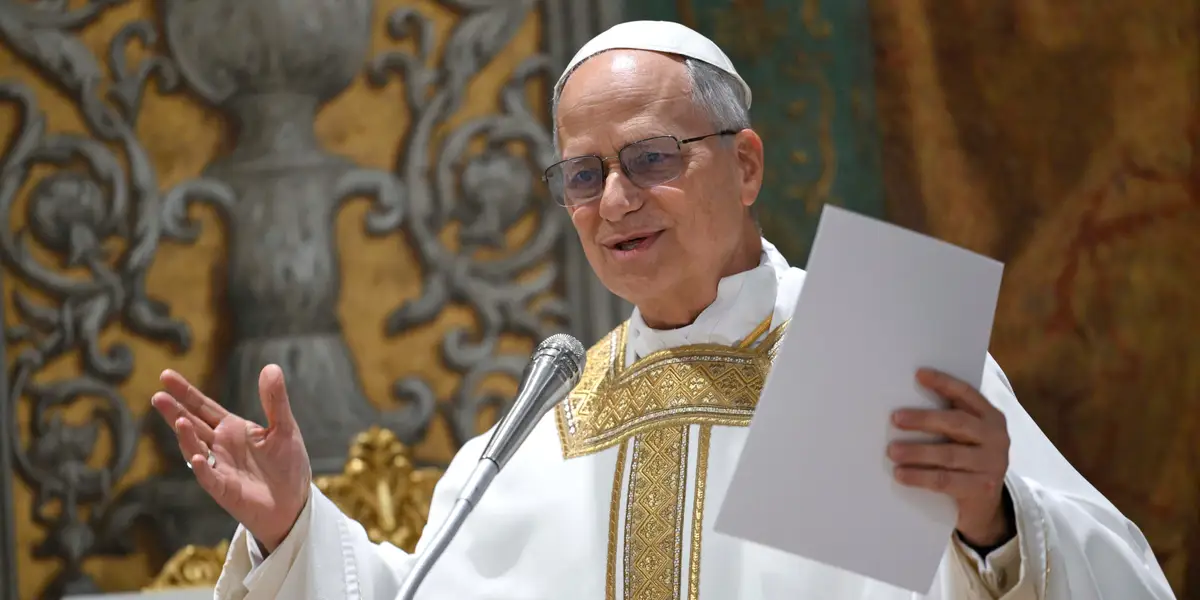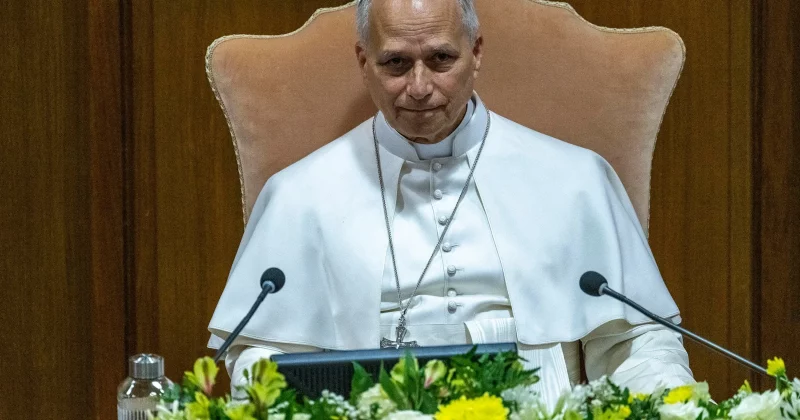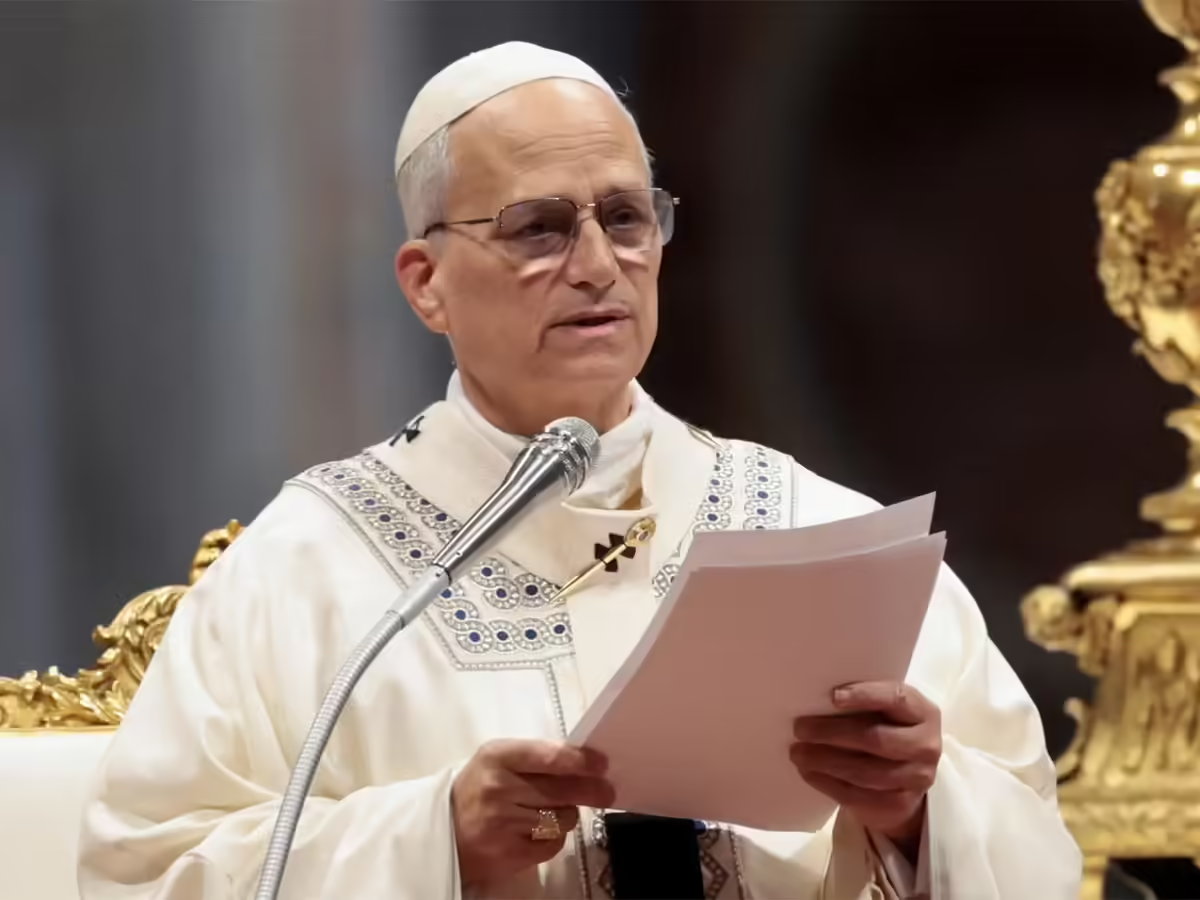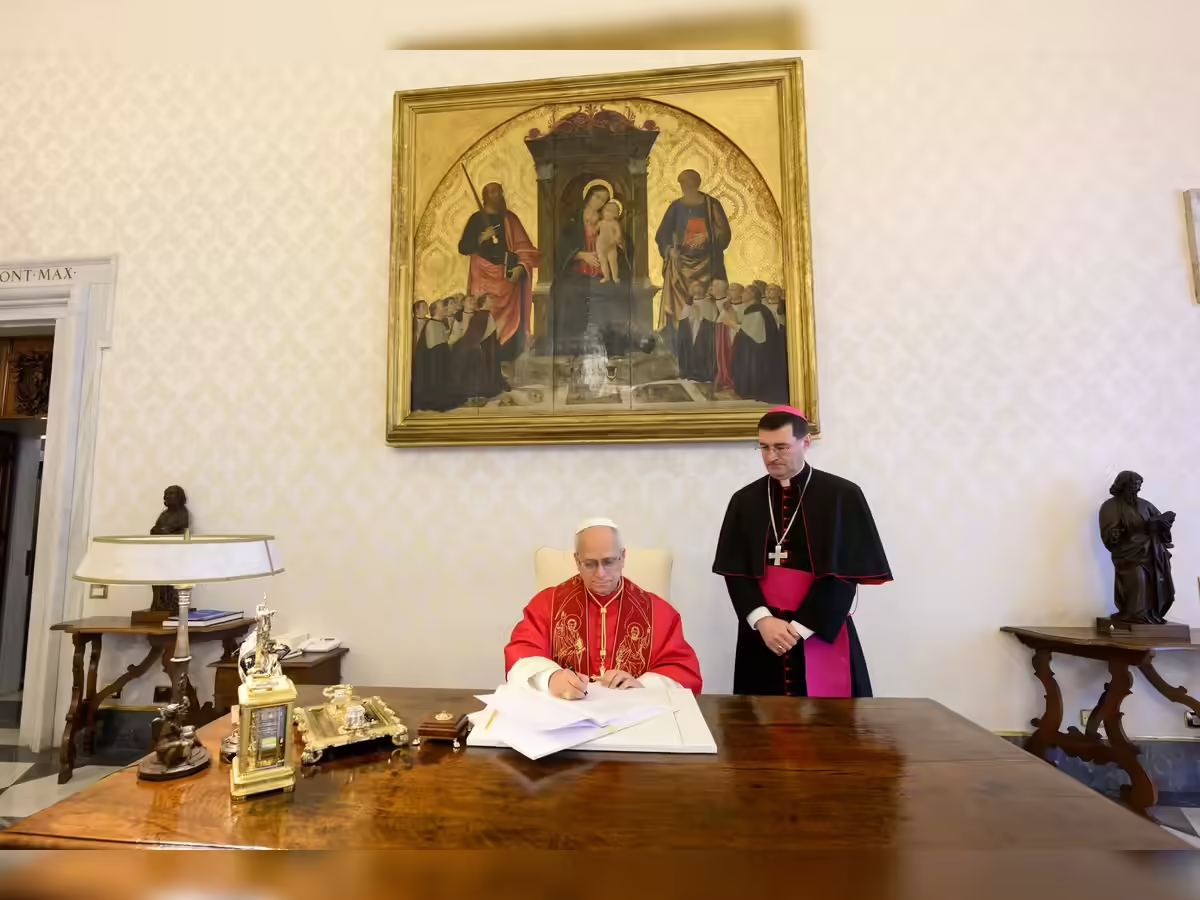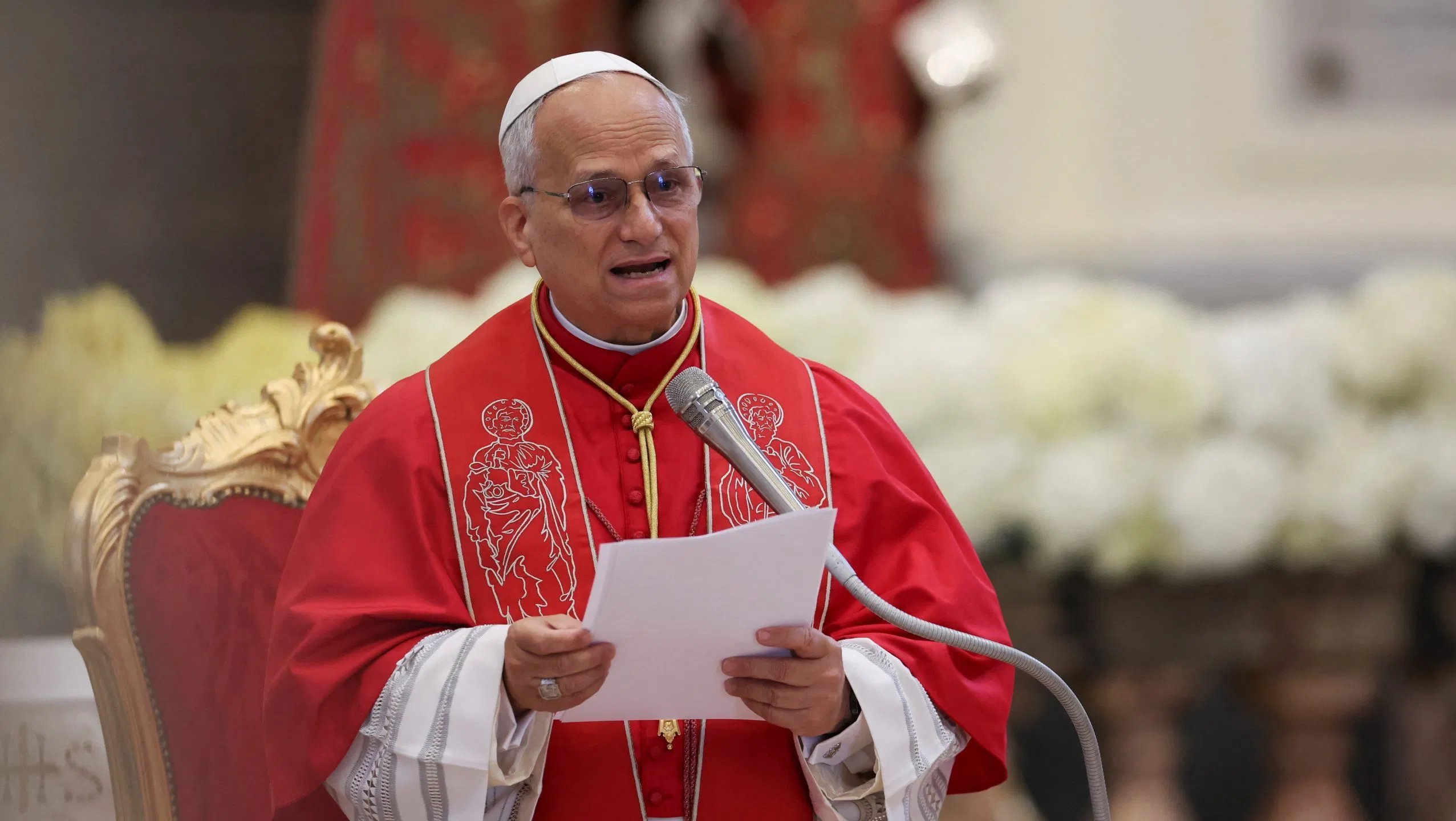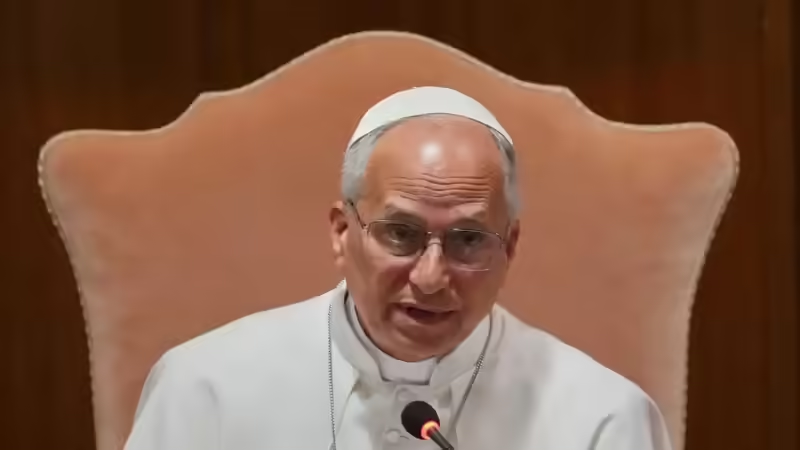
Photo credit: APPope Leo XIV has released Magnifica Humanitas, the first papal encyclical on artificial intelligence — and the world's largest technology companies are queuing up to meet him. Executives and representatives from Meta, Google, Amazon and OpenAI have held discussions with Vatican officials on AI ethics, regulation and human dignity over recent months. The Vatican has positioned itself as the moral pivot point in a debate governments across Europe, the US and Asia have struggled to settle on their own. The encyclical formalises the move.The Pope Leo XIII echo behind Magnifica HumanitasThe choice of papal name carries weight here. Pope Leo XIII issued Rerum Novarum in 1891 — the encyclical that put the Catholic Church on the side of the industrial worker against unchecked capital. It became the founding document of modern Catholic social teaching. Pope Leo XIV, by taking the same regnal name and by titling his first encyclical Magnifica Humanitas, has signalled which historical fight he intends to compare AI to.That is the entire architecture of the document.Rerum Novarum left industrial capitalism standing. It also set the moral vocabulary that labour movements, reform legislators and welfare states drew on for the next century. Magnifica Humanitas is built to do the same for AI.What Magnifica Humanitas actually saysThe encyclical lays out a single thesis: artificial intelligence must remain under human control and serve the common good ahead of corporate profit. Pope Leo XIV warns that AI on its current trajectory could deepen social inequality, spread misinformation at scale, erode democratic process and displace human labour at dangerous levels.The document criticises the concentration of technological power among a handful of multinational corporations. It calls for international regulation, independent oversight and ethical safeguards on AI systems used in warfare and surveillance. The Vatican wants technology to keep developing. It wants the development to stay accountable to something larger than its shareholders.The Pope describes AI as the question that decides what humanity does with itself in the 21st century — the moral counterpart to the question Rerum Novarum asked about industrial labour in the 19th.Why Meta, Google, Amazon and OpenAI are at the doorThe four companies share something beyond market capitalisation. Each is facing regulatory pressure on multiple fronts — the EU AI Act, US Federal Trade Commission scrutiny, antitrust action from India and South Korea, and a steady stream of court cases on copyright, child safety and algorithmic harm. Each needs moral legitimacy as much as legal cover.The Vatican offers what neither lawyers nor lobbyists can: the perception of disinterested moral authority. The Church's position on AI will be cited by policymakers in Manila, Brasilia, Madrid, Lagos and Warsaw. It will be quoted by labour unions from Detroit to Bengaluru. It will appear in school curricula across Italy, Poland, the Philippines and Ireland. That reach is the asset.Silicon Valley executives know this. So does the Vatican. Both sides are negotiating from positions of clear self-interest, and both sides are aware of the other's calculation.Child protection is where the encyclical hits hardestThe sharpest section in Magnifica Humanitas is the one on child safety. The Vatican identifies AI-generated deepfakes, algorithm-driven exploitation and the open availability of synthetic content involving minors as the most urgent failures of the current technology regime. Existing platform safeguards, the document argues, were designed for a pre-generative-AI internet and have fallen behind the threat.The Church wants platform-level accountability, default-on safety design for products used by minors, and global regulation that closes the jurisdictional gaps deepfake operators exploit today. This is the part of the encyclical with the highest probability of translating into actual law. The political coalition for protecting children from AI-generated abuse cuts across every other ideological line in the room.The Vatican's AI bench has been building for a decadeFather Eric Salobir, the Dominican priest who founded the OPTIC research network on technology and ethics, has been the Vatican's principal liaison with Silicon Valley for over a decade. Bishop Paul Tighe, secretary of the Dicastery for Culture and Education, has run formal Vatican dialogues with Big Tech since 2016. The Human Technology Foundation, based in Paris and Geneva, has supplied much of the academic firepower behind the Vatican's AI position papers.The Dicastery for Communication and the Dicastery for Culture and Education have hosted Vatican-sponsored conferences on AI literacy, digital governance and youth protection through 2024 and 2025. Magnifica Humanitas is the product of ten years of intellectual build-out at the Vatican.YearDevelopment2016Vatican opens formal dialogue with major technology firms via Bishop Paul Tighe2020Rome Call for AI Ethics signed by IBM, Microsoft, FAO, Italian Government and the Pontifical Academy for Life2024Vatican expands AI governance discussions through Dicasteries for Communication and for Culture and Education2025Pope Leo XIV identifies AI as the defining challenge of his papacyQ1 2026Silicon Valley executives intensify outreach to Vatican officialsApril 2026Direct meetings between Meta, Google, Amazon, OpenAI representatives and VaticanMay 2026Release of Magnifica Humanitas encyclicalSource: Vatican press office and public recordsWashington's calculationThe US position is split. The White House remains committed to AI as the central front in the technology competition with China and is wary of slowing domestic development with heavy regulation. The Federal Trade Commission, the Department of Justice and a growing number of state attorneys-general have moved against the largest AI companies on antitrust, child safety and consumer protection grounds. The two pull in opposite directions.The Vatican's position helps American policymakers who want to regulate without being painted as anti-innovation. A pope's moral authority is harder to dismiss than a senator's press release. That is the structural reason Magnifica Humanitas will be cited inside US policy debates for years.Why this matters for IndiaIndia is building its AI governance system in real time. The Ministry of Electronics and Information Technology has issued advisories on generative AI labelling. The Digital Personal Data Protection Act is rolling out. The IndiaAI Mission has committed Rs 10,372 crore over five years. Each of these tracks will be shaped by the international moral and regulatory consensus Magnifica Humanitas now helps write.The encyclical's stress on labour displacement maps onto India's largest employment sectors. The country's IT services industry employs roughly 5.4 million people, most of them in entry-level engineering, support and BPO roles — exactly the categories current-generation AI is automating fastest. The Vatican's reading of AI displacement as a moral failure of policy, rather than an inevitable economic outcome, gives Indian labour unions, regulators and civil society a new vocabulary to push back with.India's Catholic population sits at roughly 2.3 per cent of the country, but the encyclical's reach extends well past the Catholic vote. The argument over AI governance in Delhi, Bengaluru and Hyderabad will draw on the international ethical position the Vatican is helping write.FAQ: Magnifica Humanitas and the Vatican AI pushWhat is Magnifica Humanitas?Magnifica Humanitas is Pope Leo XIV's first papal encyclical, released in May 2026. It positions artificial intelligence as one of the defining moral questions of the 21st century and calls for human control over AI, international regulation, and protection of labour, democracy and children from AI-driven harms.Why is Pope Leo XIV's choice of name important?Pope Leo XIII issued Rerum Novarum in 1891, the encyclical that placed the Catholic Church on the side of industrial workers against unchecked capital. Pope Leo XIV's choice of the same regnal name signals he intends to do for AI what his predecessor did for industrial labour.Which tech companies are engaging with the Vatican?Executives and representatives from Meta, Google, Amazon and OpenAI have held discussions with Vatican officials on AI ethics, regulation and human dignity over recent months.Who runs the Vatican's AI engagement?Key figures include Father Eric Salobir, founder of the OPTIC technology ethics network, and Bishop Paul Tighe of the Dicastery for Culture and Education. The Human Technology Foundation in Paris and Geneva supplies much of the academic research.What does the encyclical say about children?It identifies AI-generated deepfakes, algorithm-driven exploitation and the open availability of synthetic content involving minors as the most urgent failures of current platform regulation. It demands default-on safety design and global regulation that closes jurisdictional gaps.What does this mean for India?India's IT services industry, which employs around 5.4 million people, is exposed to AI-driven labour displacement at scale. The encyclical's moral position gives Indian regulators, unions and civil society a new vocabulary for AI governance debates that will run for years.The Vatican has done this beforeRerum Novarum in 1891 left industrial capitalism standing. It also set the terms of the argument for the next hundred years. Magnifica Humanitas will leave the AI build-out standing too. It will set the terms of the next twenty. The companies queuing at the Vatican gates already know which argument matters more.end of articleTrending Topics
Pope Leo XIV's AI Encyclical Has Silicon Valley Knocking On Vatican Doors
Find latest technology news, gadgets reviews & ratings. Popular & latest gadgets specifications, features, prices, photos & videos. Trending mobile phone comparisons, slideshows, how tos and videos for latest mobile phones, tablets, technology news updates.
1,436 words~7 min read