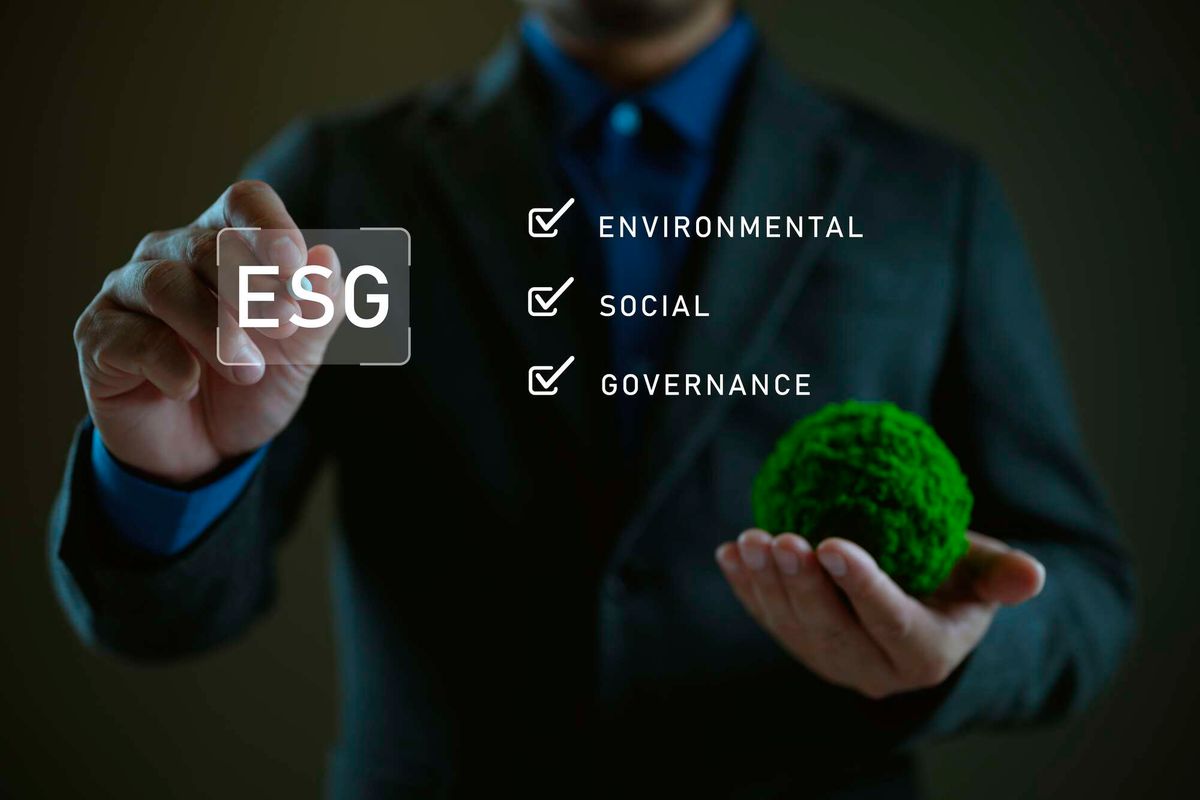
For decades, the term “risk management” was mostly associated with banks, insurance companies and large corporations sitting around conference tables discussing probabilities, liabilities and worst-case scenarios. Today, the concept feels much closer to home. Whether people realize it or not, risk management has quietly become part of everyday life.
That does not necessarily mean the world is collapsing into chaos. Humanity has always gone through periods of dramatic transition. The Industrial Revolution changed the structure of work entirely. The rise of the internet reshaped communication, commerce and even social behavior within less than two decades. In many ways, what we are seeing today with artificial intelligence, digital finance and rapid global interconnectedness is another chapter in the same story. The difference is speed.
Information now travels instantly. A rumor can affect financial markets within minutes. A cyberattack can temporarily disable businesses across multiple countries. A viral social media post can alter public perception overnight. For ordinary people, this means decisions increasingly carry consequences that are harder to predict than they once were.
And yet, people adapt. They always do.