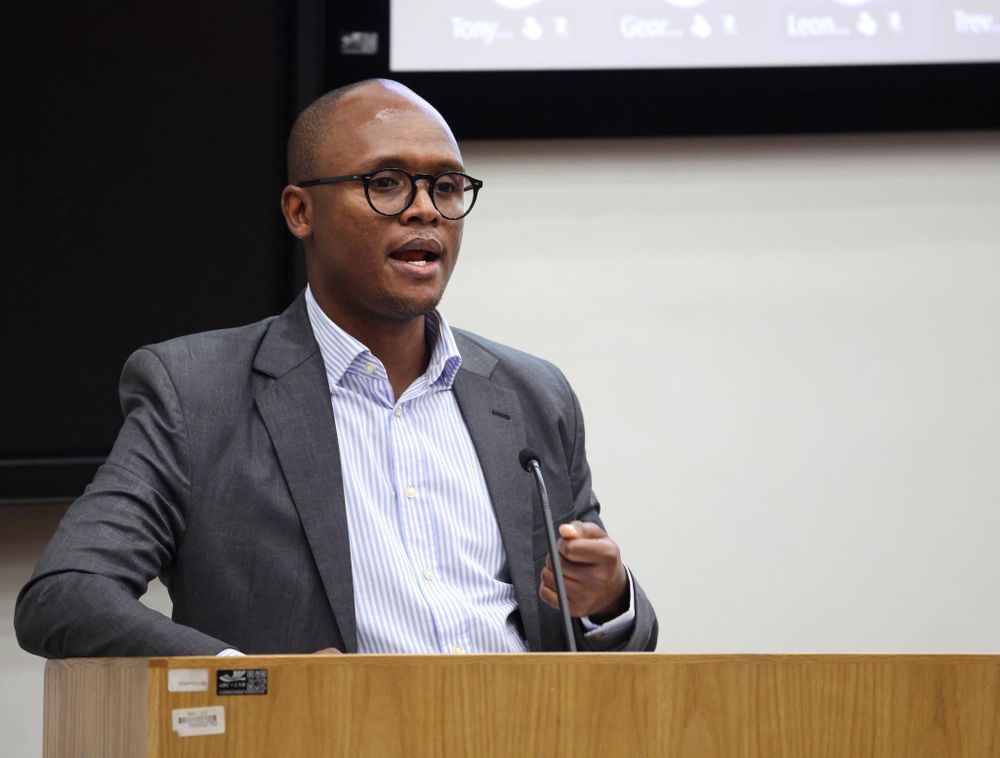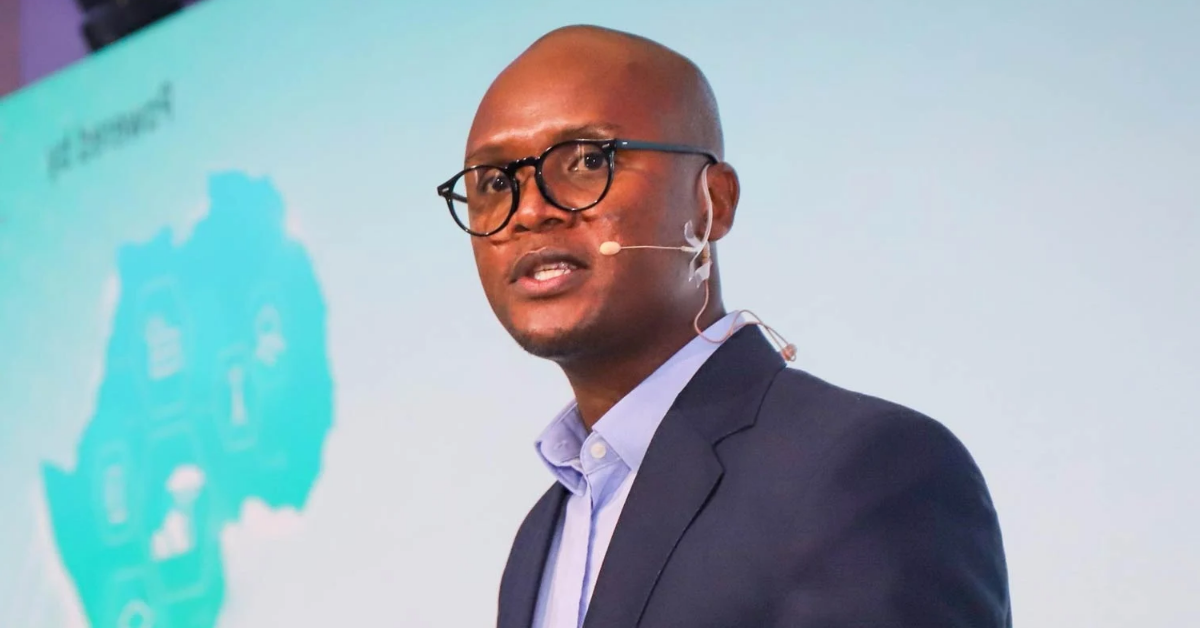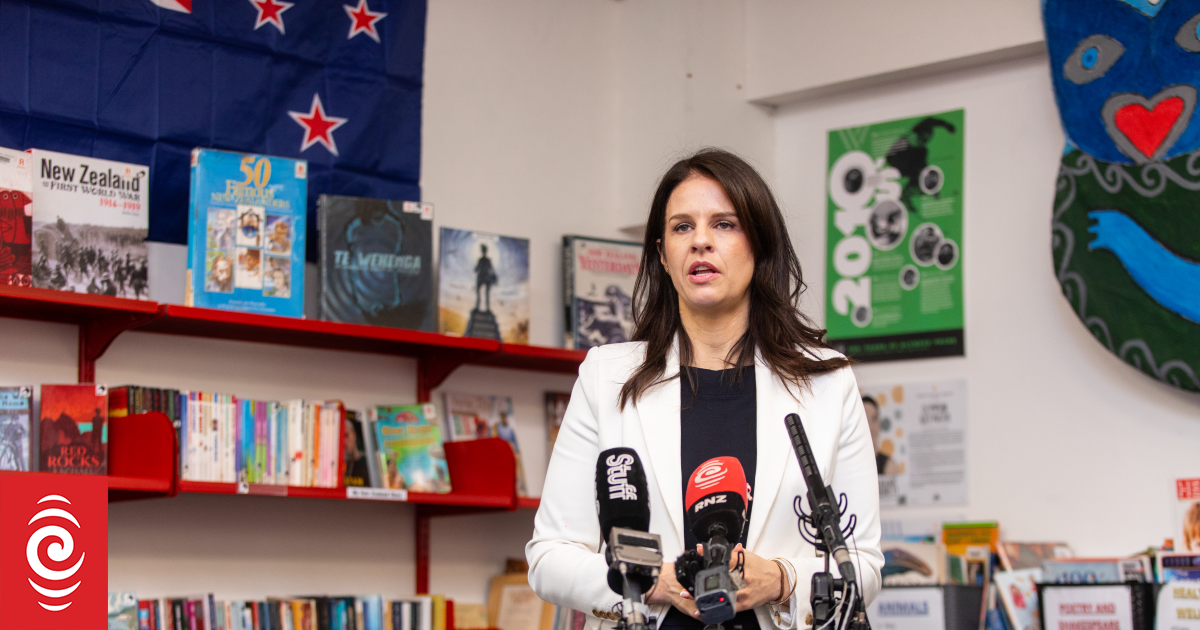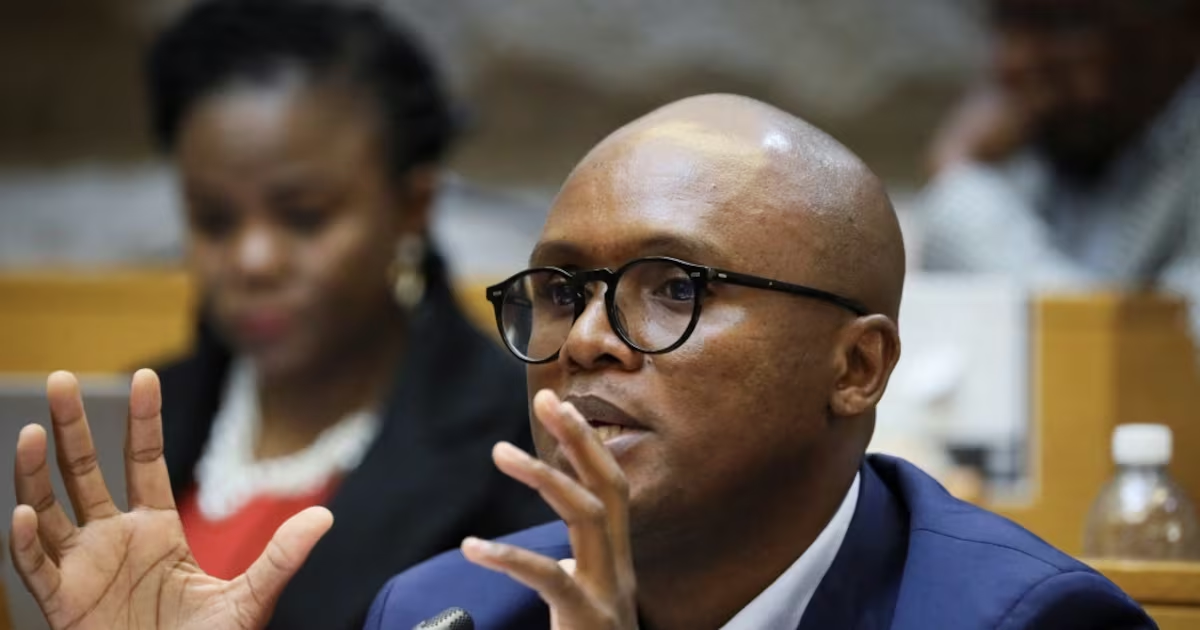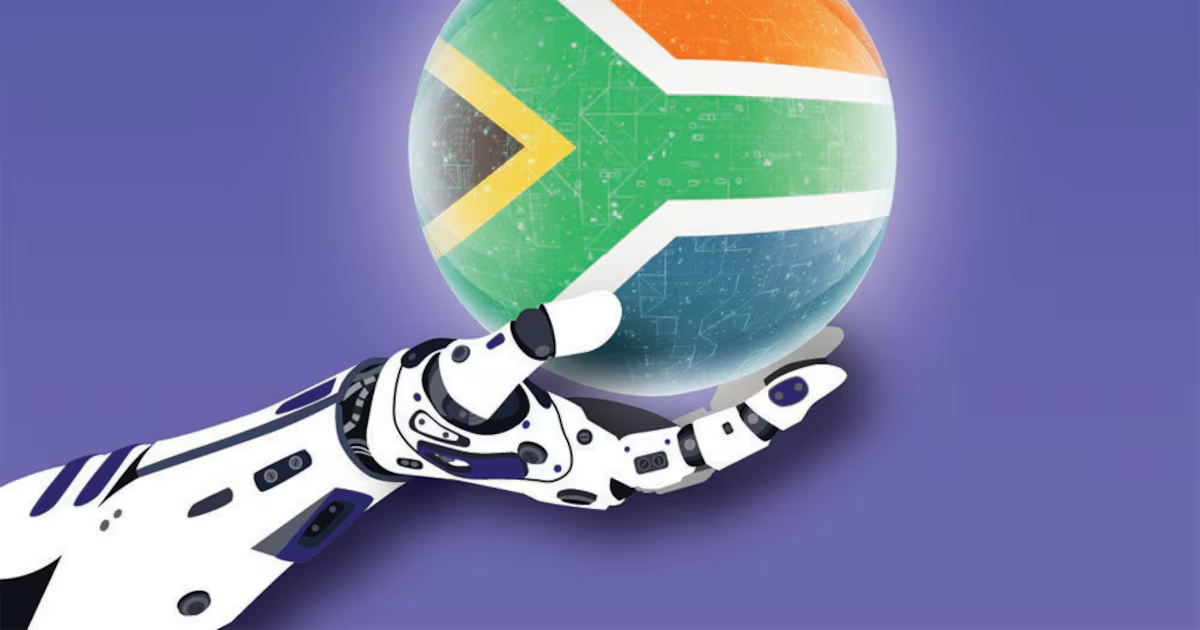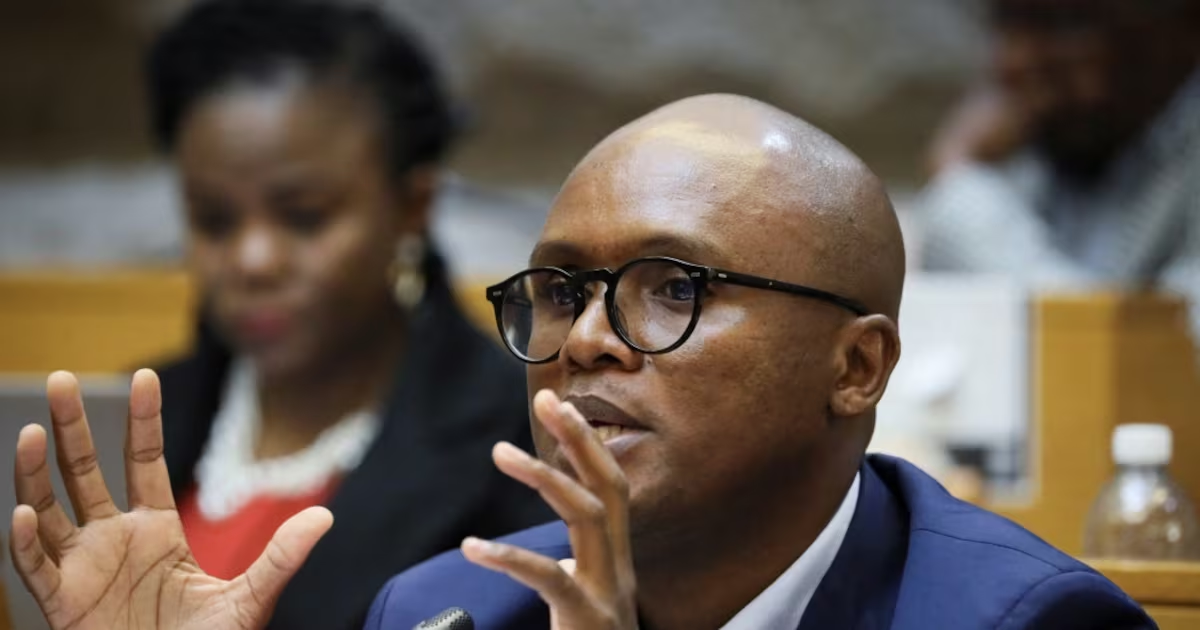
The government is working to draft a new version of the ill-fated AI policy, which will be finalised and released for public comment, complete with a discussion paper, by the end of this year.To assist with this, a seven-member expert review panel, including top university academics, has been established to guide the process and prevent the shortcomings that led to the first AI draft policy being drafted using AI, which hallucinated at least six of its citations. Two officials were suspended over the matter.A delegation from the department of communications and digital technologies, led by minister Solly Malatsi, briefed parliament’s portfolio committee on communications and digital technologies on Tuesday morning, regarding the matter.Malatsi said the department had not picked up that there were issues with the references in the draft policy document before the events were exposed in news reports.“It was then that we got the responses to protect the integrity of the policy development process and, obviously, the stain that it has caused not just on the department but also on the government’s overall processes of formulating and finalising policy,” he said.Acting deputy director-general Jeanette Morwane said the panel will meet in the next two weeks to become familiar with the terms of reference so that they can begin their workThe AI expert review panel would be chaired by Prof Benjamin Rosman of the Wits Machine Intelligence and Neural Discovery Institute. The panel comprises: Prof Vukosi Marivate, associate professor at the African Institute of Data Science and AI at the University of Pretoria; Prof Alison Gillwald, executive director of Research ICT Africa; Bowmans partner Heather Irvine; National Planning Commissioner Dr Tshepo Feela; Dr Jabu Mtsweni, head of information and cybersecurity at the Council for Scientific and Industrial Research; and cyberlaw expert Lufuno Tshikalange. Malatsi said the department decided that the best course of action would be to withdraw that policy and to initiate internal processes, to determine the series of events that led to this, “which of course should not have happened in the first instance.“But as things evolved, it’s clear that there was massive oversight and nondisclosure around the use of AI in the formulation of the policy and, most importantly, in the references that would therefore not be traced.”Director-general Nonkqubela Jordan-Dyani expressed regret at the debacle as she briefed the committee on the department’s response.“This series of events, honourable members, and I think for the general public, is highly, highly regrettable on the side of the government, and [it is important] for us to ensure that we really restore the credibility as well as the integrity, both of the government as well as this department.“We then thought it was important that the policy itself be withdrawn, and that we basically do a thorough review of the development of the policy, and this is basically where we are now. The withdrawal of the policy would then obviously ensure a comprehensive review,” Jordan-Dyani said.Acting deputy director-general Jeanette Morwane said the panel will meet in the next two weeks to become familiar with the terms of reference so that they can begin their work. By August the panel is expected to finalise a consolidated report, and the drafting of the new AI policy will begin later in the year.TimesLIVE
Mahlatsi unveils panel to guide AI policy redraft after ‘hallucination’
The government is working to draft a new version of the ill-fated AI policy, which will be finalised and released for public comment, complete with a discussion paper, by the end of this year.
539 words~2 min read