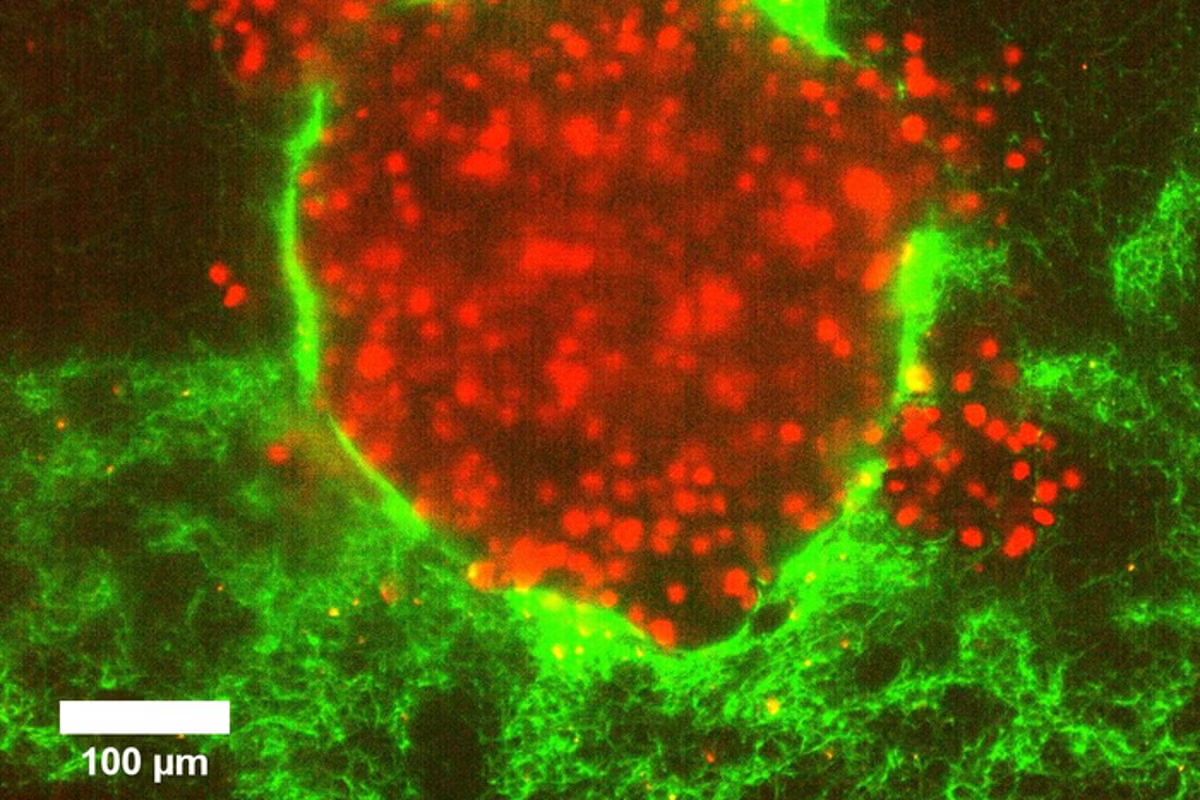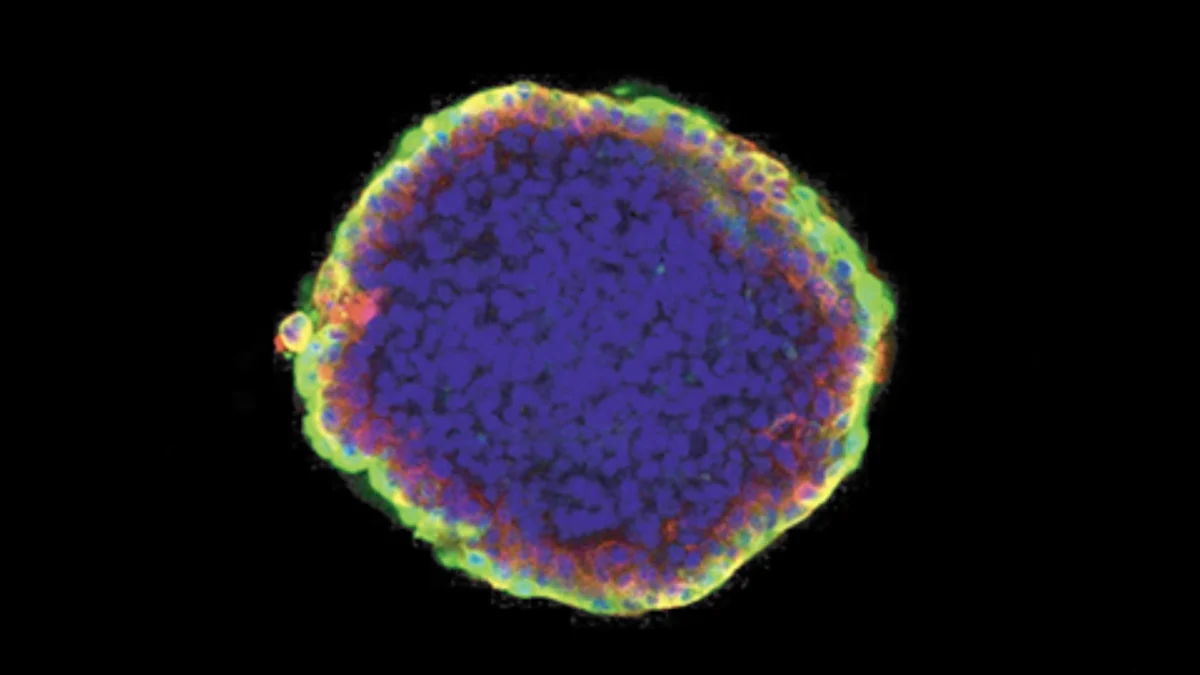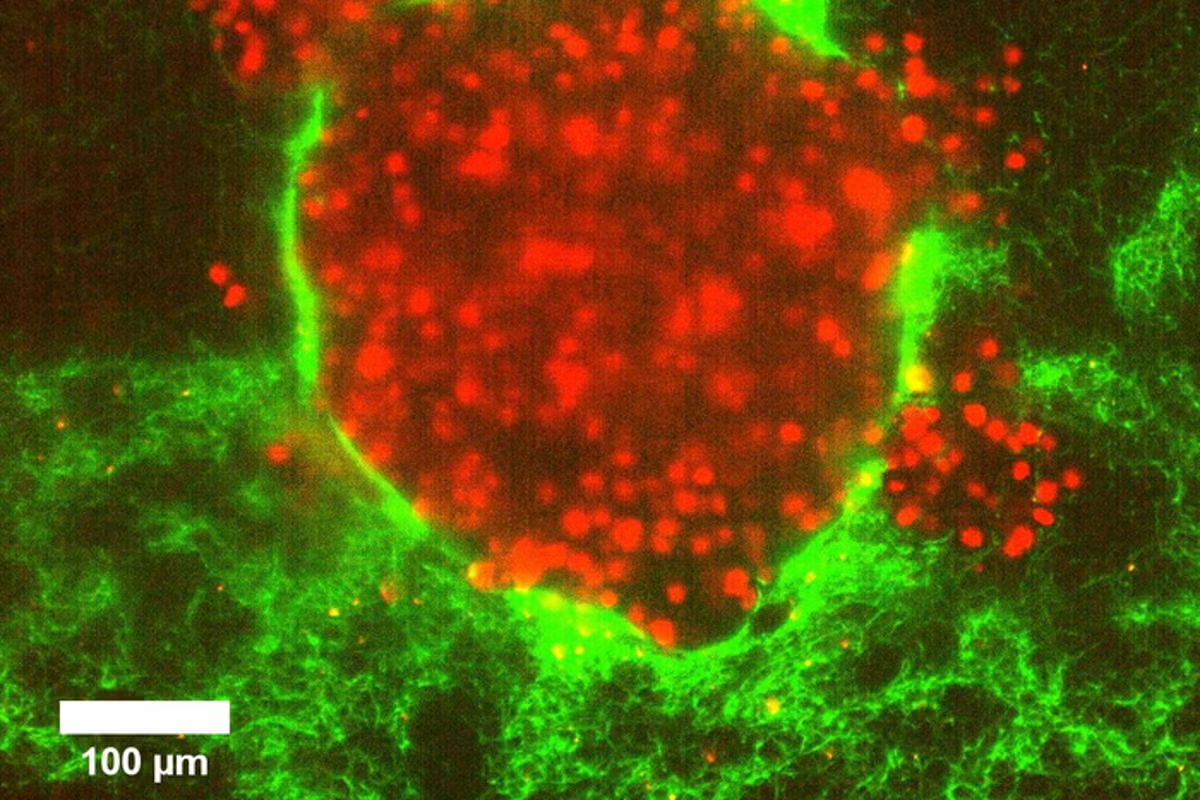
Stay up to date with notifications from The IndependentNotifications can be managed in browser preferences.Jump to contentThank you for registeringPlease refresh the page or navigate to another page on the site to be automatically logged inPlease refresh your browser to be logged inAllNewsSportCultureLifestyleTumour model using clumps of cancer cells (Dr Swetha Raghuraman via Eurekalert)New research suggests that cancers originating in smaller cells with densely packed genetic material may lead to more severe illnesses and poorer patient outcomes. The study, conducted by Virginia Tech researchers, focused on tetraploidy, a condition where cells have four sets of chromosomes due to replication errors. They found that human tetraploid cells, which were 25-30 per cent smaller than normal, were more likely to produce tumours in lab settings and in mice, including breast and bowel cancers. These smaller tetraploid cells were observed to be more aggressive, exhibiting faster growth, increased invasiveness, and greater tolerance to anti-cancer drugs. The findings suggest that cell size and the size of its nucleus could be crucial indicators of a tumour's potential, potentially leading to improved diagnostic and treatment strategies. In fullStudies reveal why some cancers are so much more dangerous than othersThank you for registeringPlease refresh the page or navigate to another page on the site to be automatically logged inPlease refresh your browser to be logged in
Breakthrough could explain why some cancers are more dangerous
Stay up to date with notifications from The IndependentNotifications can be managed in browser preferences.Jump to contentThank you for registeringPlease refresh the page or navigate to another page on the site to be automatically logged inPlease refresh your browser to be logged inAllNewsSportCultureLifestyleTumour model using clumps of cancer cells (Dr Swetha Raghuraman via Eurekalert)New research suggests that cancers originating in smaller cells with densely packed genetic material may lead to more severe illnesses and poorer patient outcomes. The study, conducted by Virginia Tech researchers, focused on tetraploidy, a condition where cells have four sets of chromosomes due to replication errors. They found that human tetraploid cells, which were 25-30 per cent smaller than normal, were more likely to produce tumours in lab settings and in mice, including breast and bowel cancers. These smaller tetraploid cells were observed to be more aggressive, exhibiting faster growth, increased invasiveness, and greater tolerance to anti-cancer drugs. The findings suggest that cell size and the size of its nucleus could be crucial indicators of a tumour's potential, potentially leading to improved diagnostic and treatment strategies. In fullStudies reveal why some cancers are so much more dangerous than othersThank you for registeringPlease refresh the page or navigate to another page on the site to be automatically logged inPlease refresh your browser to be logged in