Euro area companies are bracing for a painful stretch. The European Central Bank’s latest quarterly survey of large firms, released May 4, found that businesses across the eurozone have sharply raised their expectations for input costs, selling prices, and near-term inflation, all driven by the same catalyst: the US-Iran war that erupted in late February.
The numbers tell a clear story. Firms now expect to raise selling prices by 3.5%, up from 2.9% in the prior survey. ECB staff have revised their headline inflation projection for 2026 to 2.6%, with Q2 expectations spiking to 3.1%. Meanwhile, GDP growth for the euro area has been slashed to 0.9%.
Energy-intensive sectors are getting hit hardest
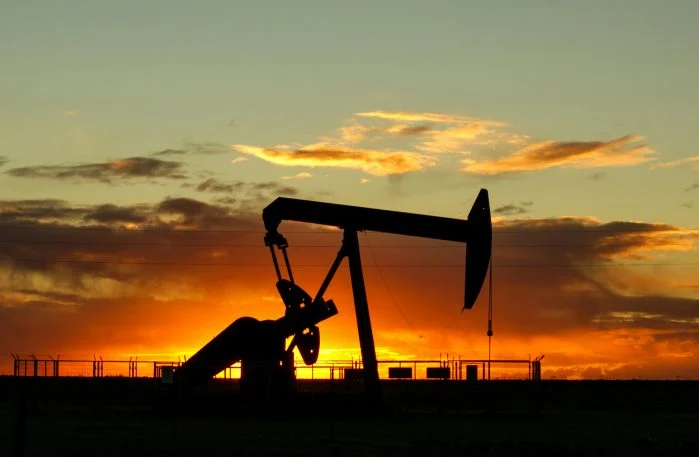
The pain isn’t distributed evenly. Industries that burn through energy, think air travel, logistics, and chemicals, are reporting price increases that often exceed double digits. Oil price surges since February have ripped through supply chains in these sectors.
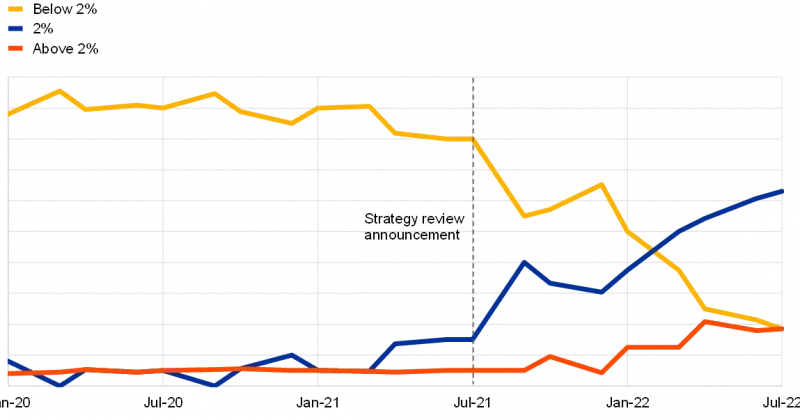
Companies surveyed by the ECB warned that if the Middle East conflict drags on for months, the eurozone could face an inflation surge similar to what happened in 2022-23. That episode, triggered by Russia’s invasion of Ukraine, saw energy costs spike and consumer prices spiral across the continent. The 2022-23 inflation wave forced the ECB into its most aggressive rate-hiking cycle in its history.