About 100,000 international students work in popular US tourist hubs each summer.
Karen Warren/Houston Chronicle via Getty Images
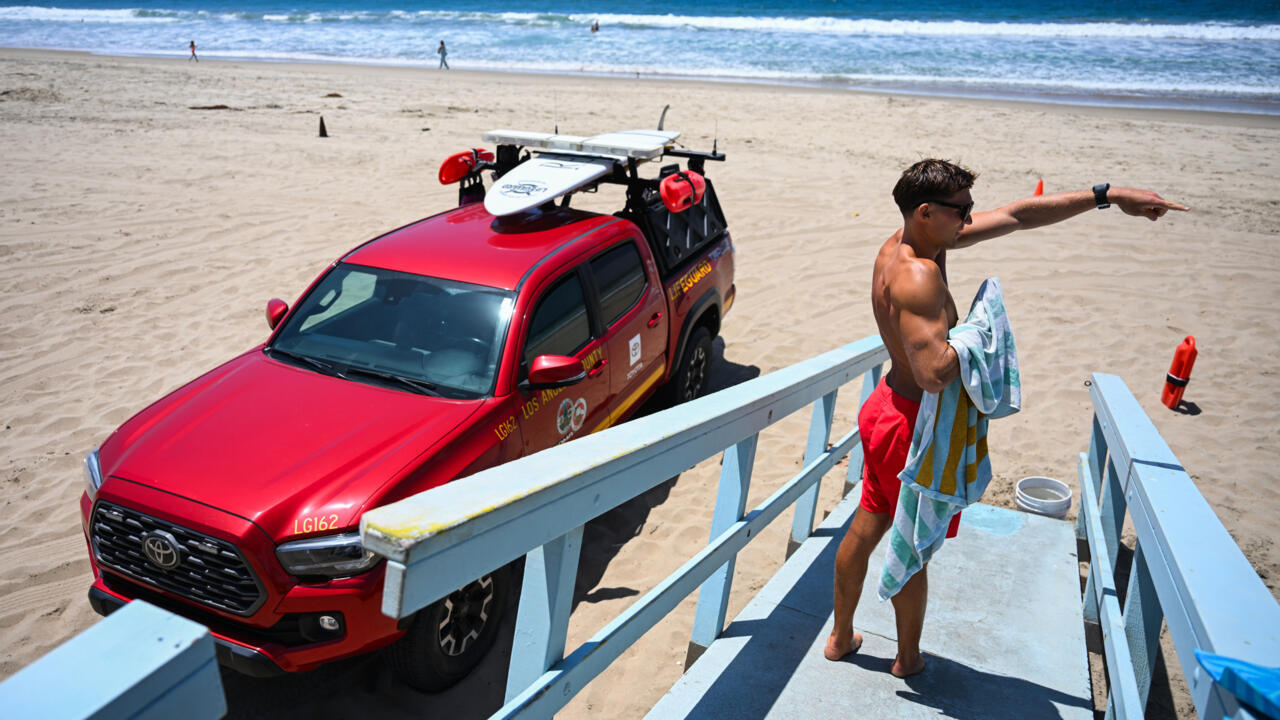
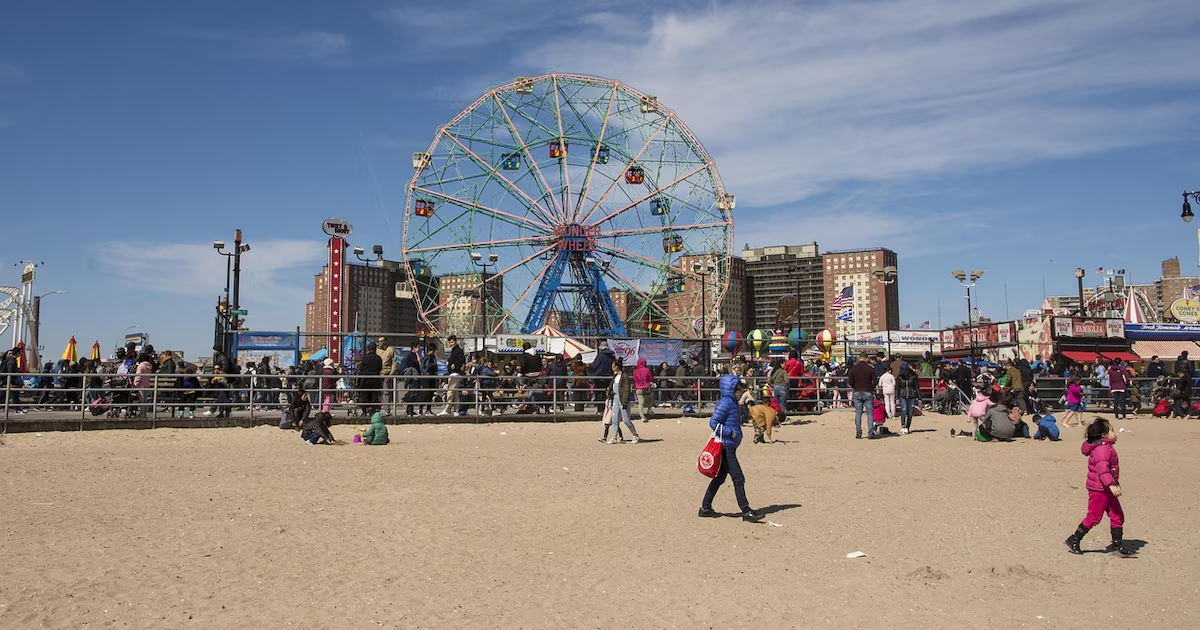
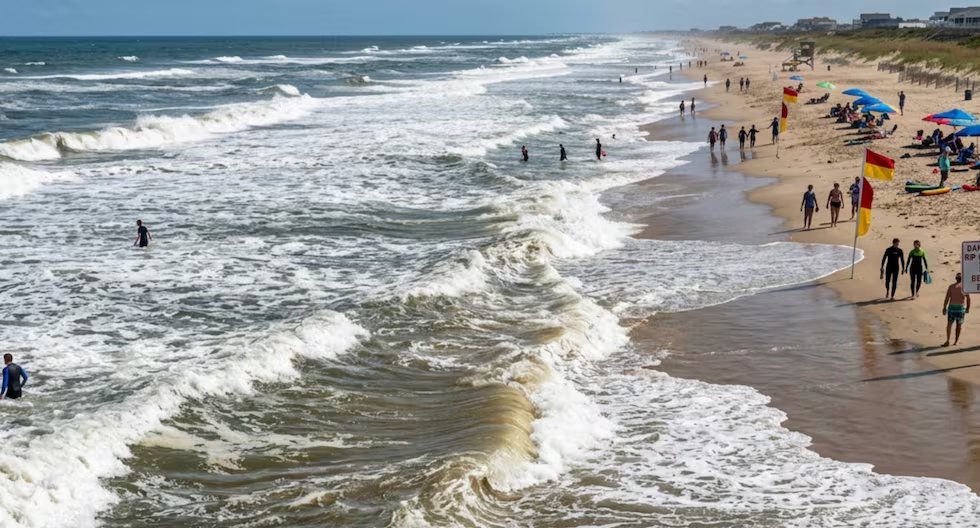
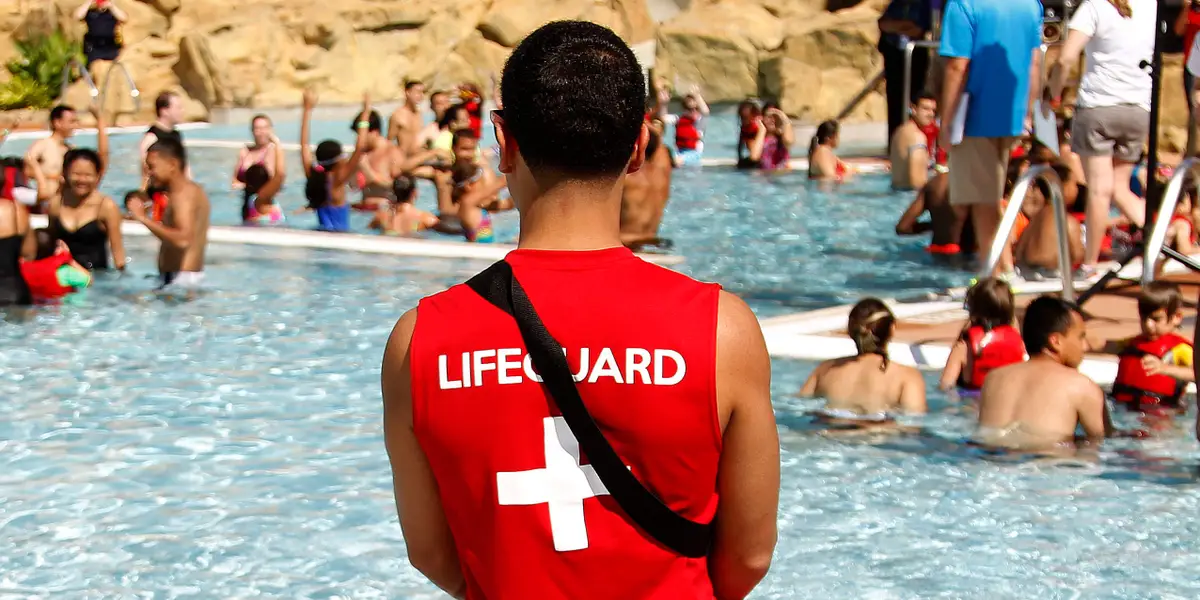
Armed with fuzzy towels and gobs of sunscreen, Americans flocked to pools and beaches on Memorial Day to kick off the unofficial start of summer.However, there may be fewer lifeguards perched atop their towers this year as the US tightens its immigration process and bilateral relations shift."Our number of BridgeUSA lifeguards is down this year," Mike Collins, director of International Aquatics at Continental Pools, told Business Insider. "Specifically, many students from Turkey could not participate because they were unable to secure embassy appointments."He added, "This is disappointing for us given our long history with Turkish participants, and for the students who remained highly interested in the program but lacked the opportunity to attend."BridgeUSA invites full-time university students from around the world to temporarily work in the US through its Summer Work Travel Program. The program, operated by the Department of State, draws about 100,000 international students each summer. To qualify, students must obtain a J-1 visa for work-and-study exchange visitors.These students make up a vital part of the country's workforce, often landing in popular tourist hubs, like Ocean City, Cape Cod, the Florida Panhandle, and the Texas coast during the peak summer season. They typically take on a wide spectrum of hospitality and tourism jobs, including theme park attendants, hotel staff, restaurant servers, retail employees, and more.Continental Pools, which handles pool management and other related services in parts of the Northeast, has hired through BridgeUSA since 1999. This summer, they will employ over 500 students.