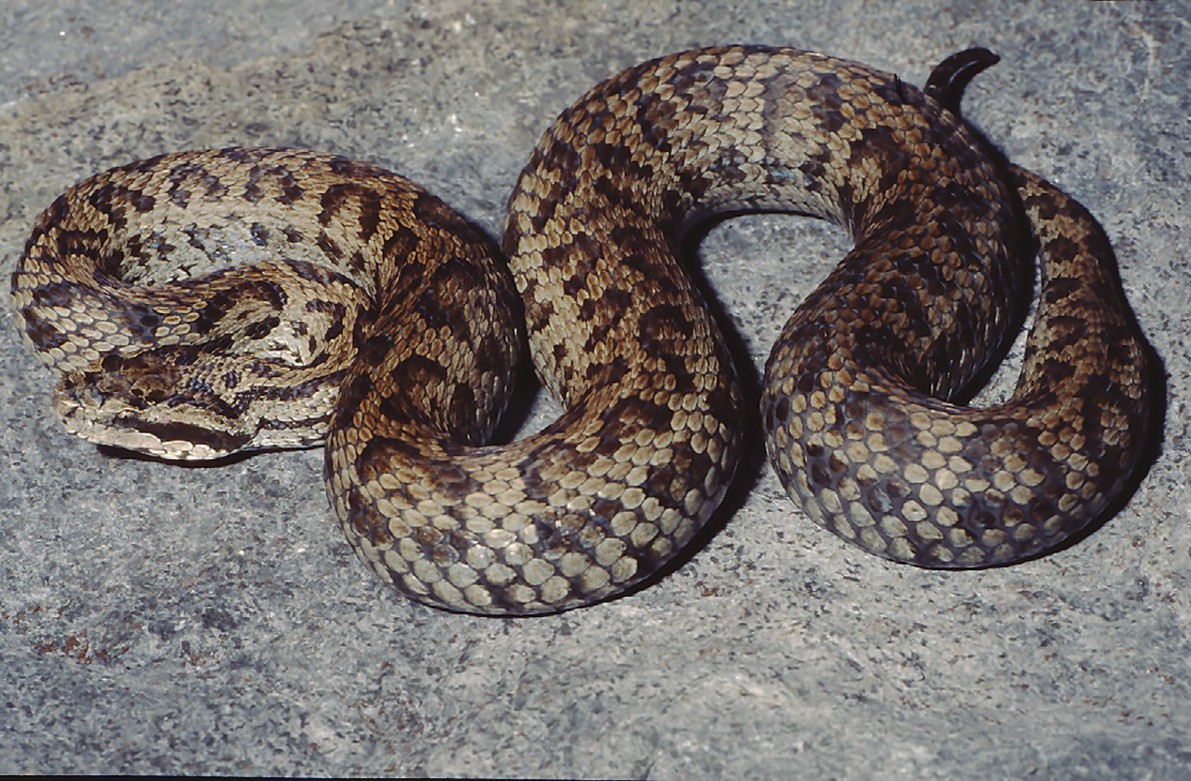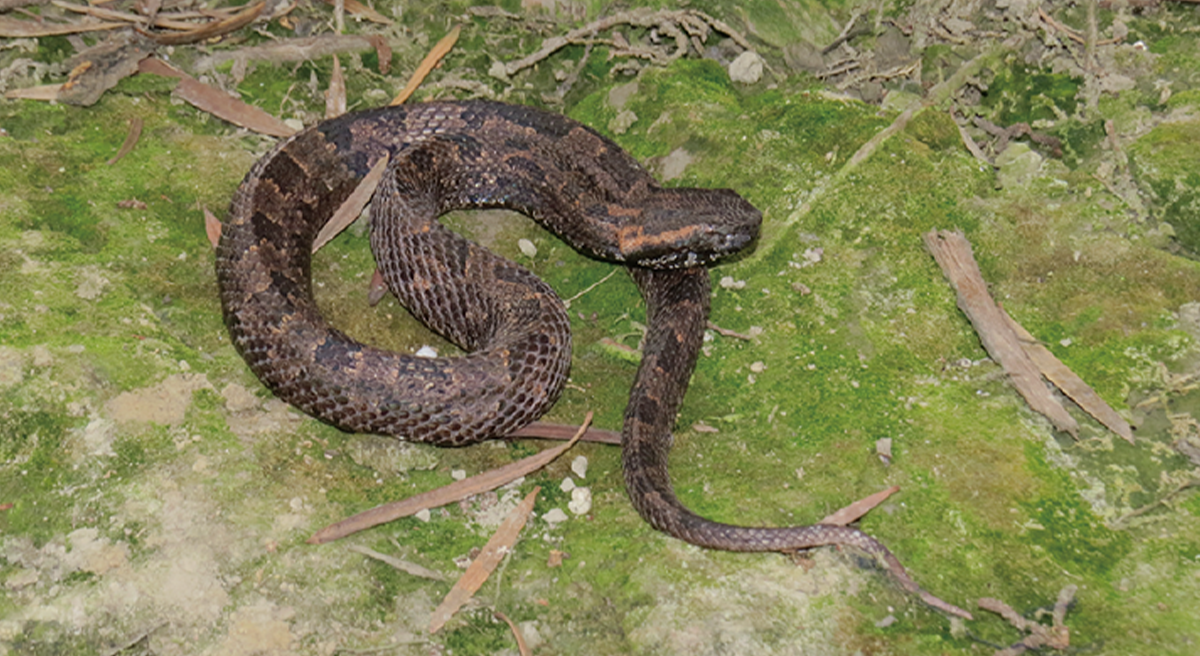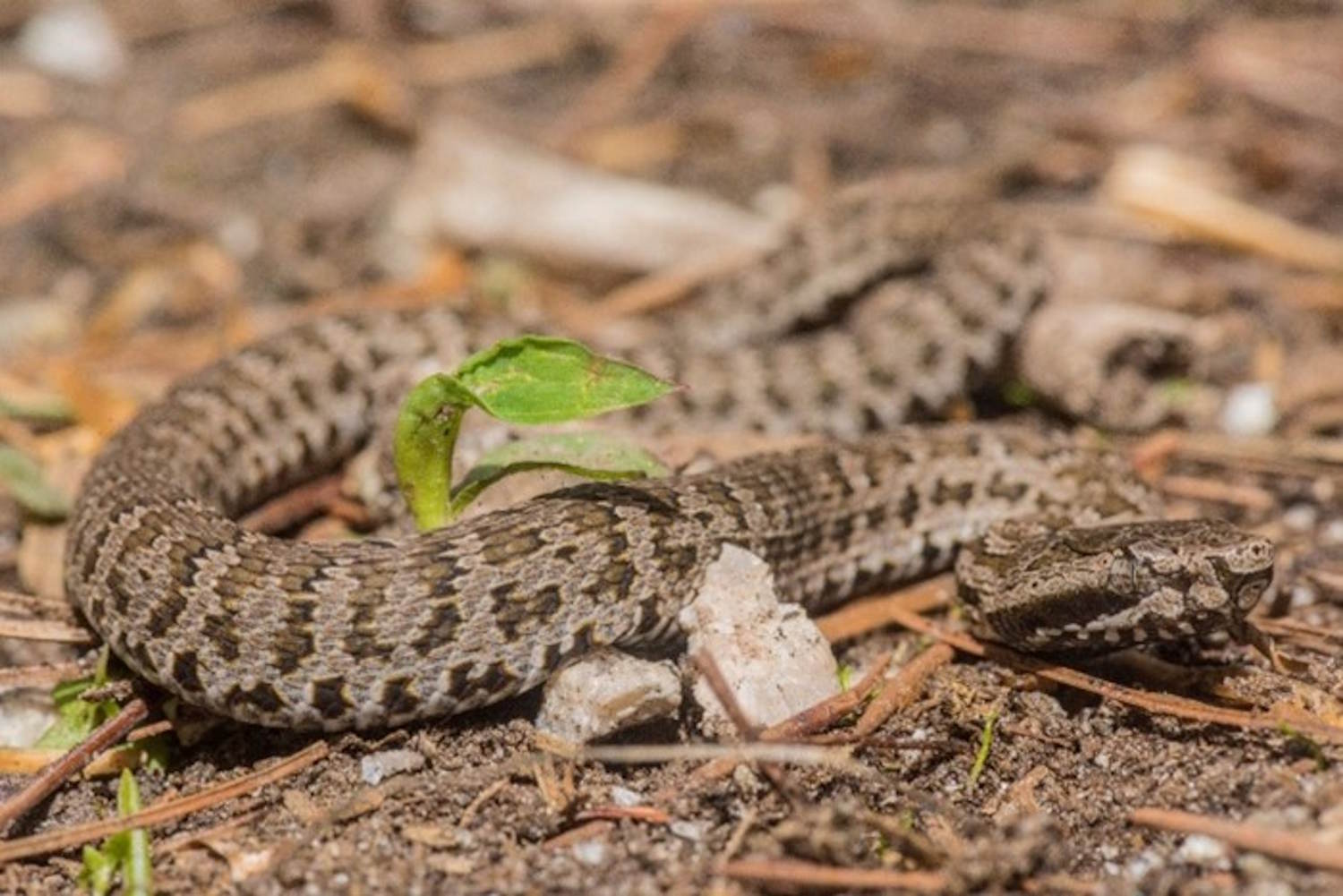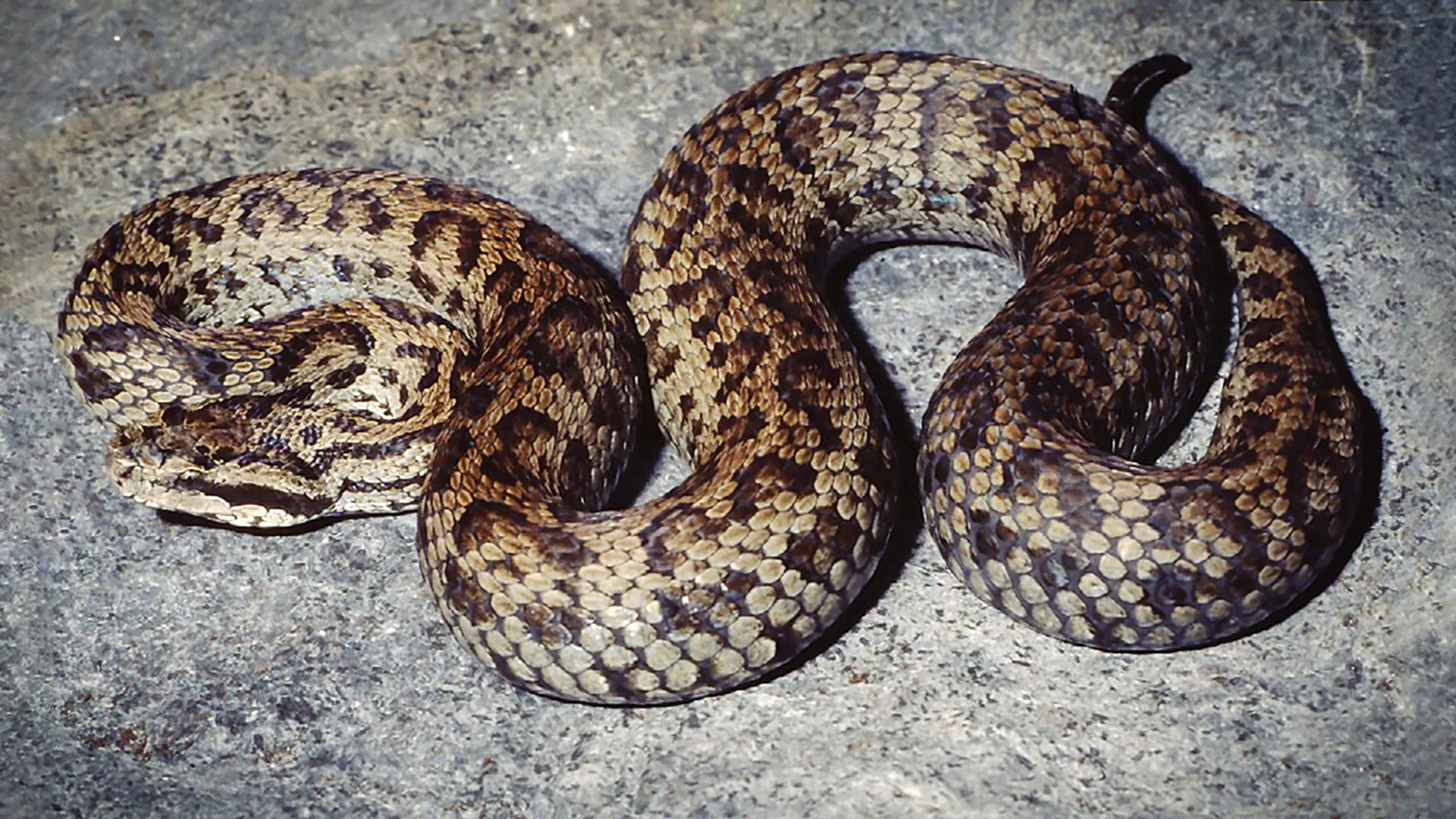
The towering mountain ranges of Asia remain some of the least explored places on Earth when it comes to wildlife. Now, an international team of scientists has discovered that one of the region's most mysterious venomous snakes is not a single species after all. Instead, the Himalayan pit viper group consists of five separate species, including three previously unknown to science.
The findings were published in the open access journal ZooKeys. Researchers combined modern genetic analysis with skeletal studies, physical characteristics, and ecological observations to reexamine the snakes. Their work revealed that the Himalayan pit viper, first described in 1864 and long believed to be a widespread single species, actually represents several deeply distinct evolutionary lineages.
The team identified five species-level lineages in total. These include the Himalayan pit viper in its strict scientific sense, Gloydius chambensis described in 2022, and three newly recognized species found in different regions of Pakistan and Nepal. Along with clear genetic differences, the snakes also showed distinct skeletal and physical traits.
"These mountain systems still harbor overlooked vertebrate diversity and hold important clues to the biogeography of Asia," says Daniel Jablonski of Comenius University Bratislava, who has been conducting extensive research in Pakistan and Afghanistan for many years.