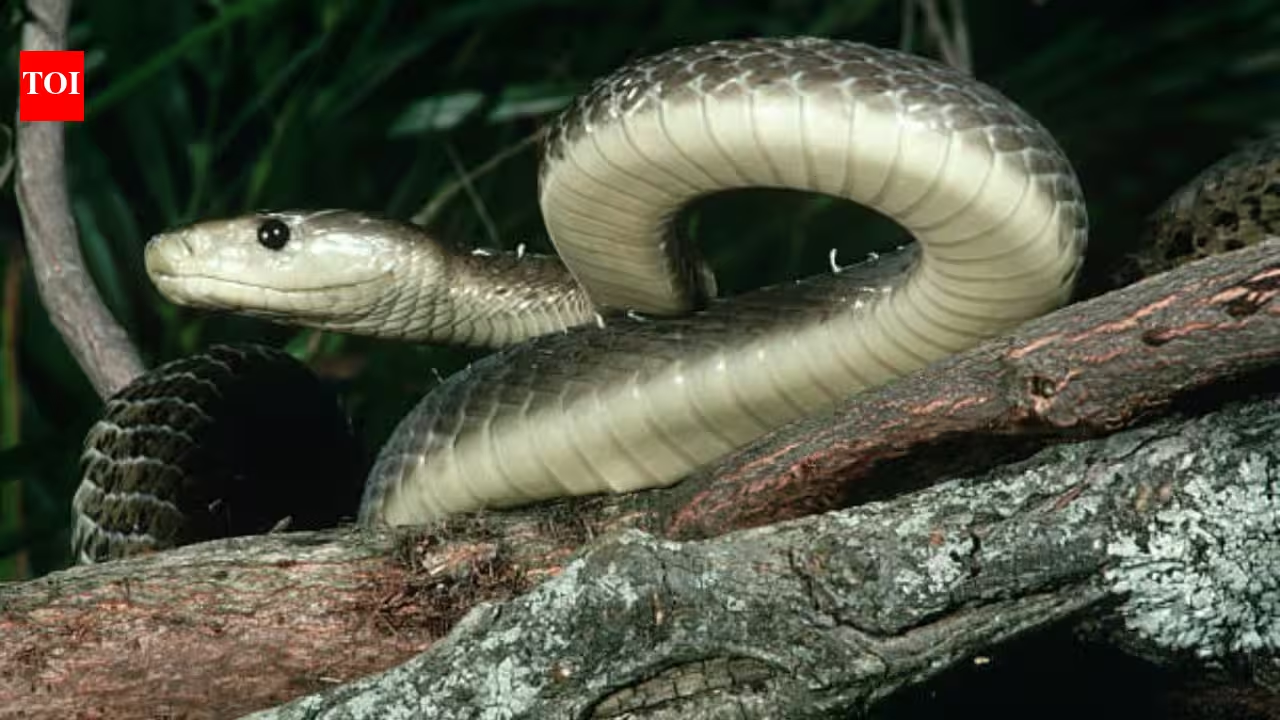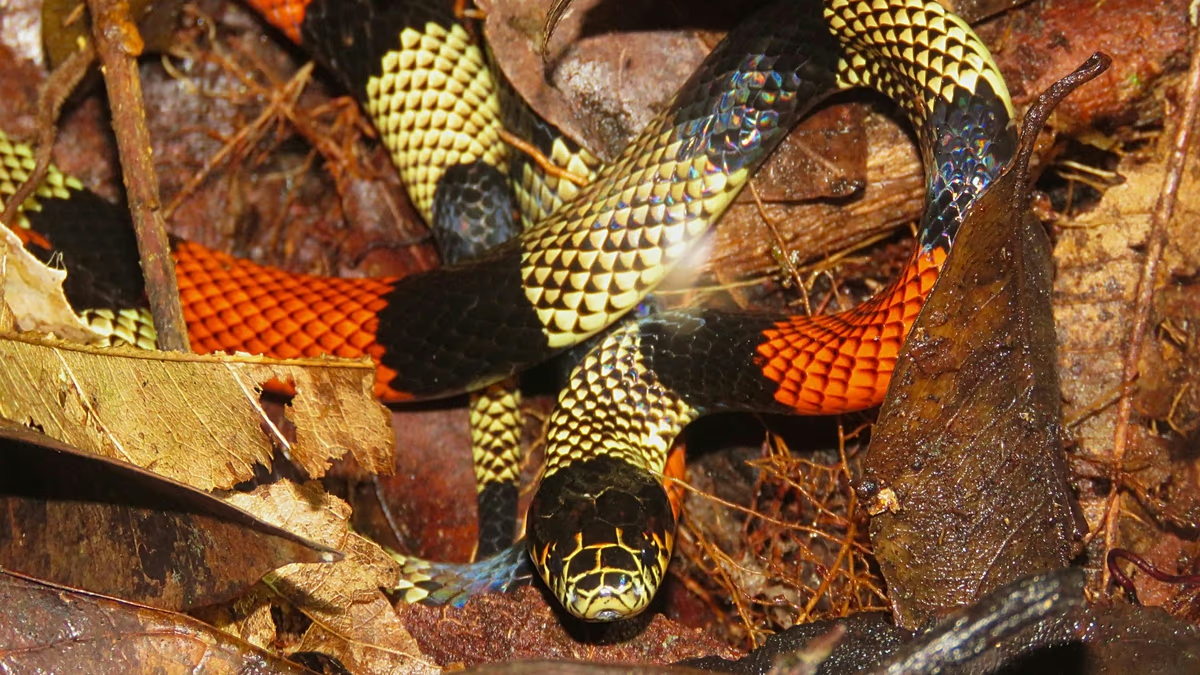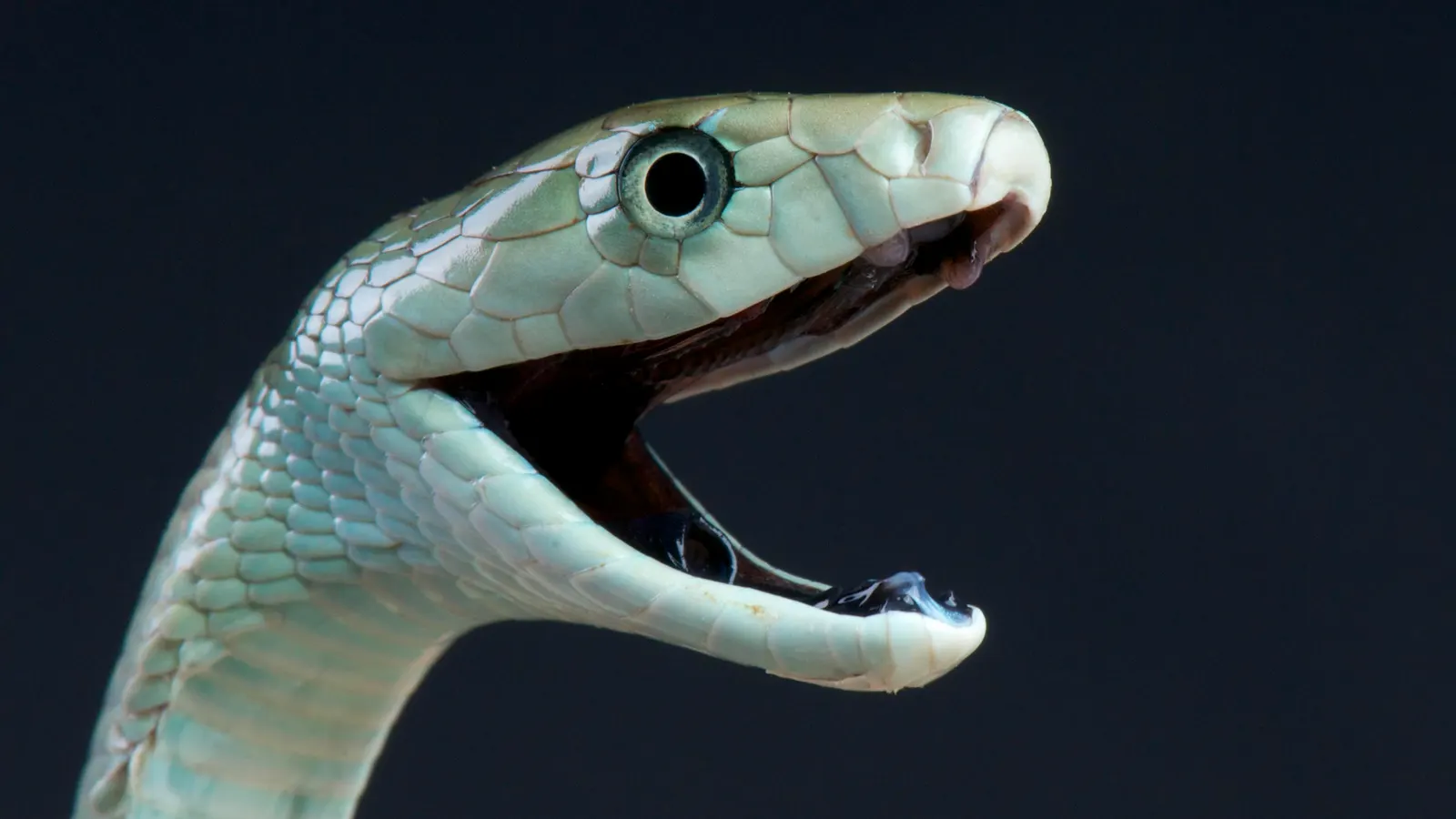
This snake’s deadly venom and terrifying appearance can sometimes distract us from viewing it not just as an apex predator, but also as a marvel of nature.gettyThe black mamba (Dendroaspis polylepis) occupies a peculiar position in public imagination because relatively few animals have accumulated a reputation so large that it often overshadows the biology of the snake itself. Popular descriptions routinely portray the species as extraordinarily aggressive, impossibly fast and almost singularly designed for danger. Yet most of the scientific interest surrounding the black mamba doesn’t arise from its temperament or even from its movement across a landscape. What makes the species notable to toxicologists and herpetologists is the speed with which its venom can alter fundamental physiological processes once it enters the body. In severe, untreated envenomations, symptoms may develop rapidly and progress toward respiratory impairment within a relatively short period of time. A 2021 narrative review in Clinical Toxicology, which examined documented cases of black mamba envenomation, found that symptom onset typically occurred within the first hour and that neurological dysfunction represented a dominant feature of clinical presentation. The important feature in this context is not simply that the venom is potent, but that it acts on systems responsible for communication throughout the body.The Black Mamba’s Reputation As An ‘Aggressive’ SnakePart of the black mamba’s reputation begins with characteristics that are immediately visible. Dendroaspis polylepis is Africa’s longest venomous snake and can exceed four meters in length. The species is also capable of moving rapidly over short distances, a feature that frequently appears in discussions of the animal and has contributed substantially to its public image.Interestingly, the name itself is somewhat misleading. The snake is usually gray, olive or brown rather than black. The term “black mamba” instead refers to the dark coloration inside its mouth, which becomes visible during defensive displays. MORE FOR YOUAlthough this detail is frequently treated as a piece of trivia, it also reflects a broader pattern in how dangerous animals are often mythologized. Once a species acquires a strong reputation, observations about its appearance and behavior tend to become filtered through that narrative. Popular descriptions have often portrayed black mambas as animals inclined toward pursuing or attacking people, but herpetological observations don’t support this interpretation. Like most snakes, black mambas generally avoid unnecessary encounters because direct confrontation carries biological costs. Venom production requires metabolic resources, and physical injury presents obvious risks to survival. Humans don’t represent prey, and there is little evolutionary advantage associated with unnecessary conflict.The Snake Venom That Targets Nervous Systems, Not Just TissueThe mechanisms underlying black mamba venom become more interesting when compared with those of other medically important snakes.It’s important to note that snake venoms aren’t singular substances; they’re highly complex mixtures of biologically active molecules that evolve under different ecological pressures. In many viper species, venom components can produce substantial tissue destruction, vascular damage and disruption of blood clotting pathways. But black mambas rely on a different strategy.Their venom contains a variety of neurotoxins that primarily interfere with nervous system function. Among these compounds are dendrotoxins: molecules shown to affect potassium ion channels involved in neural signaling. Experimental research published in Current Medicinal Chemistry examining these toxins demonstrated that they alter neuronal activity by disrupting normal patterns of electrical communication between cells.This matters because many physiological functions depend less on physical structures than on the signals coordinating those structures. Movements that appear effortless (i.e., speaking, swallowing, blinking, breathing) require precise communication between neurons and muscles. Disruption of that signaling process can create substantial dysfunction even when tissues themselves remain structurally intact.Clinical observations support this pattern. The 2021 Clinical Toxicology review found neurological symptoms dominating documented black mamba envenomations, including paralysis, difficulty speaking and progressive respiratory impairment.Why This Snake Venom’s Damage Can Progress So QuicklyThe possibility that symptoms may become severe within a relatively short period often appears surprising because people tend to imagine venom directly destroying organs or tissues. The progression observed in black mamba envenomation reflects a different process.Breathing depends on continuous neurological coordination between the brain and muscles involved in breathing — particularly the diaphragm. Under ordinary circumstances, this process occurs automatically and continuously, requiring no conscious attention. However, interruption of the signals responsible for coordinating those movements can progressively impair respiratory function.Clinical analyses of black mamba envenomations have repeatedly identified decreased respiratory function and paralysis among the most serious complications associated with severe cases. Historically, before widespread access to antivenom and advanced supportive care, these physiological effects almost always led to death.Importantly, modern treatment has altered this picture considerably. The same review reported survival in the majority of documented cases when antivenom and supportive medical care were administered appropriately. The medical significance of the black mamba, therefore, lies in the speed and seriousness with which intervention can become necessary.Why This Snake Is Not A Human KillerDiscussions surrounding venomous animals frequently place humans at the center of the story, but evolutionary processes operate according to different priorities. Venom systems did not emerge because they posed dangers to people. They emerged because they improved survival and reproductive success under particular ecological conditions.Predators benefit from rapidly immobilizing prey while minimizing the risks associated with capture attempts. Small mammals can escape, struggle or inflict injury, which creates strong selective pressure for efficient methods of disrupting movement. Black mamba venom represents one solution to that problem.Snakes like the black mamba can stir fear in the bravest of us. The threat, however, is often more pronounced in our minds than in reality. Take my short, science-backed Fear of Animals Test to know if you might be leaning toward Zoophobia.
Meet The Snake That Can Kill You In Under An Hour — A Herpetologist Explains
This snake’s deadly venom and terrifying appearance can sometimes distract us from viewing it not just as an apex predator, but also as a marvel of nature.
928 words~4 min read