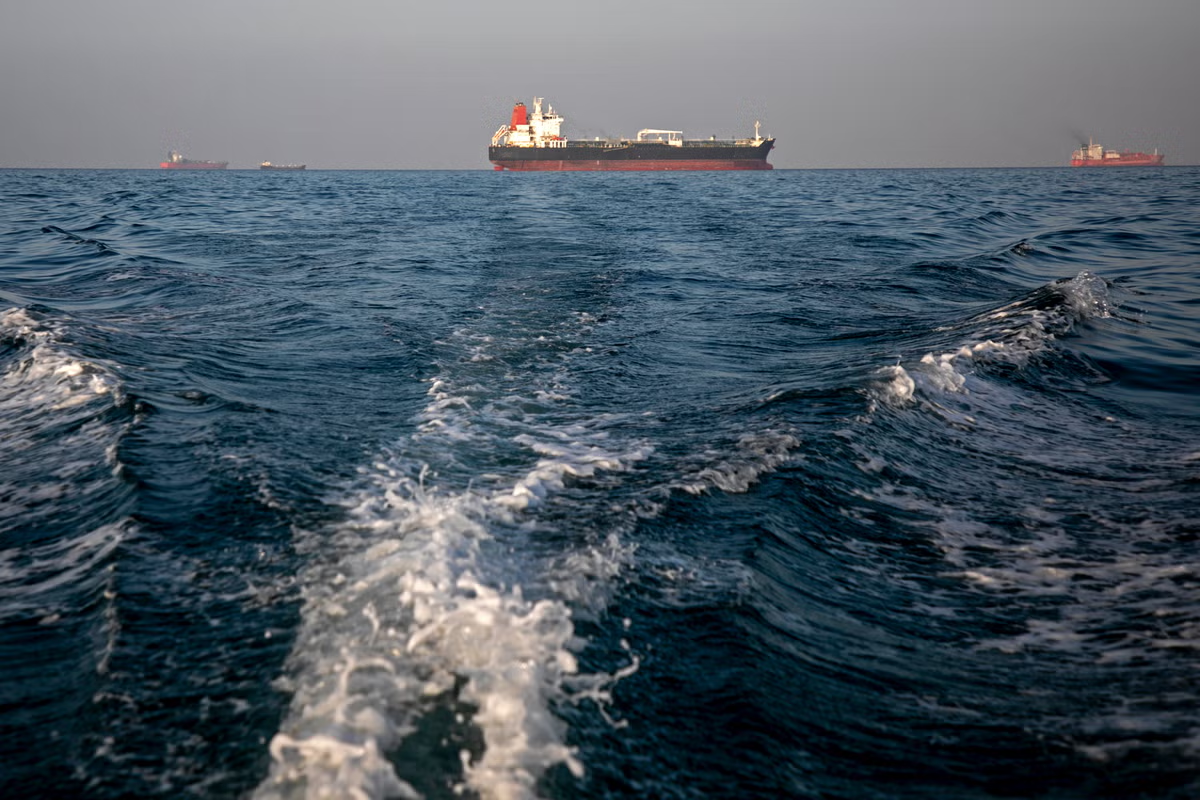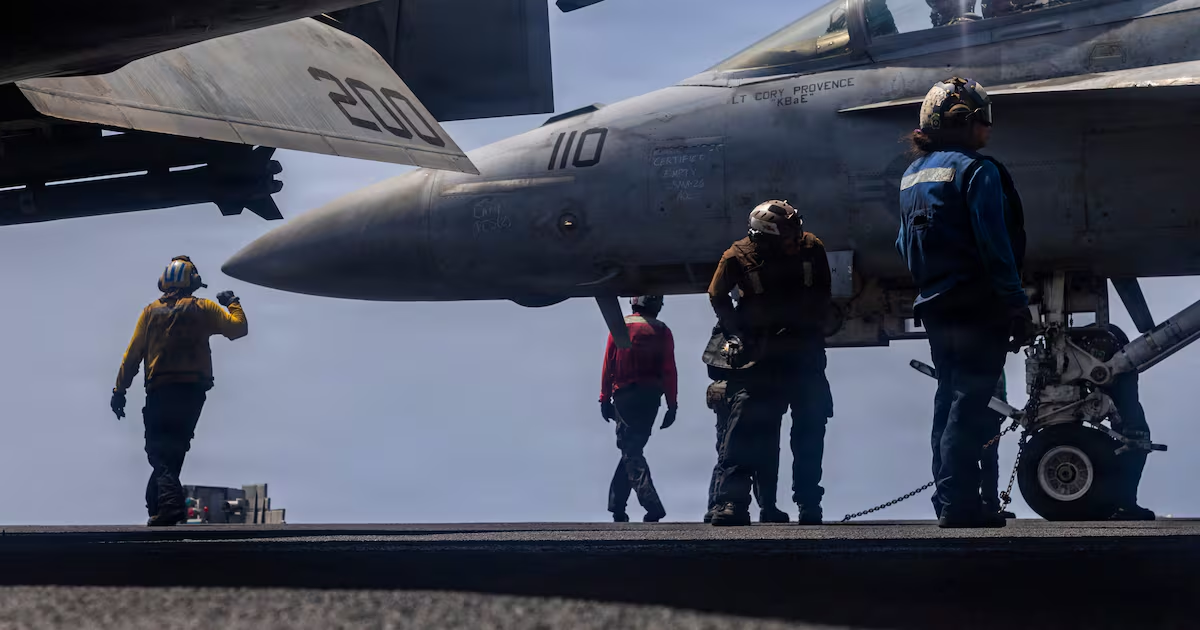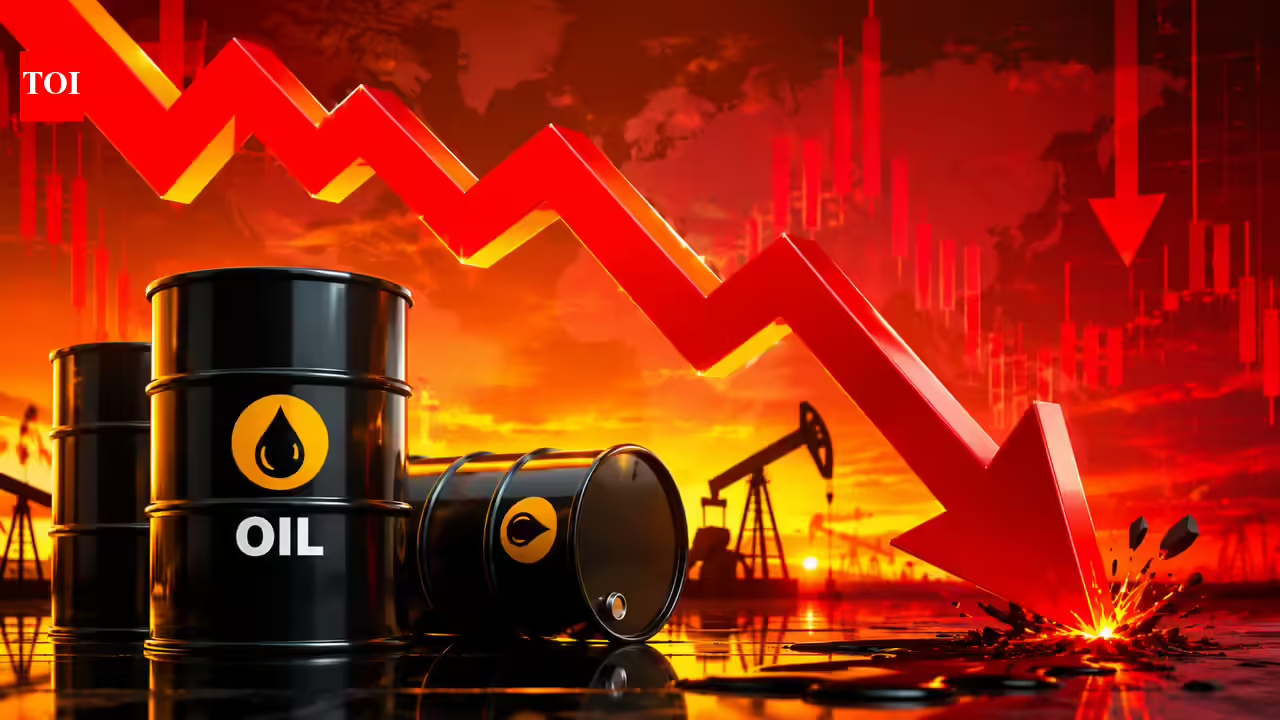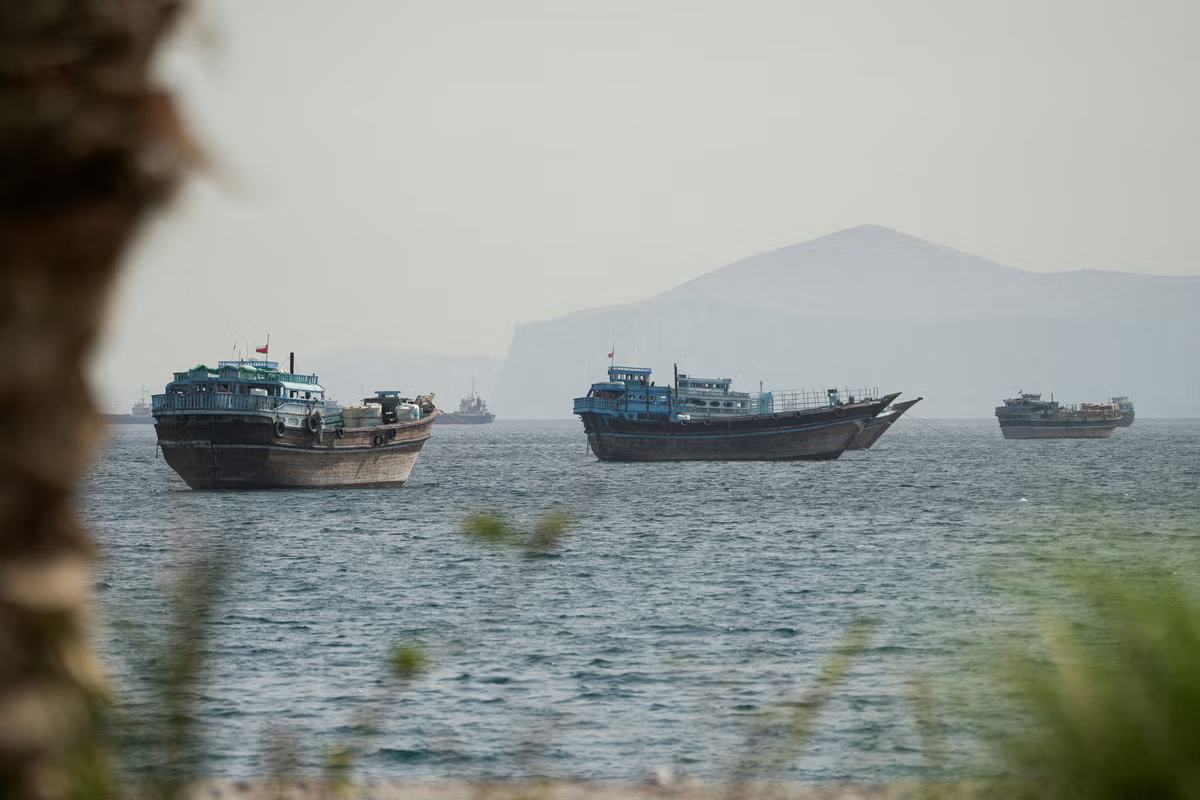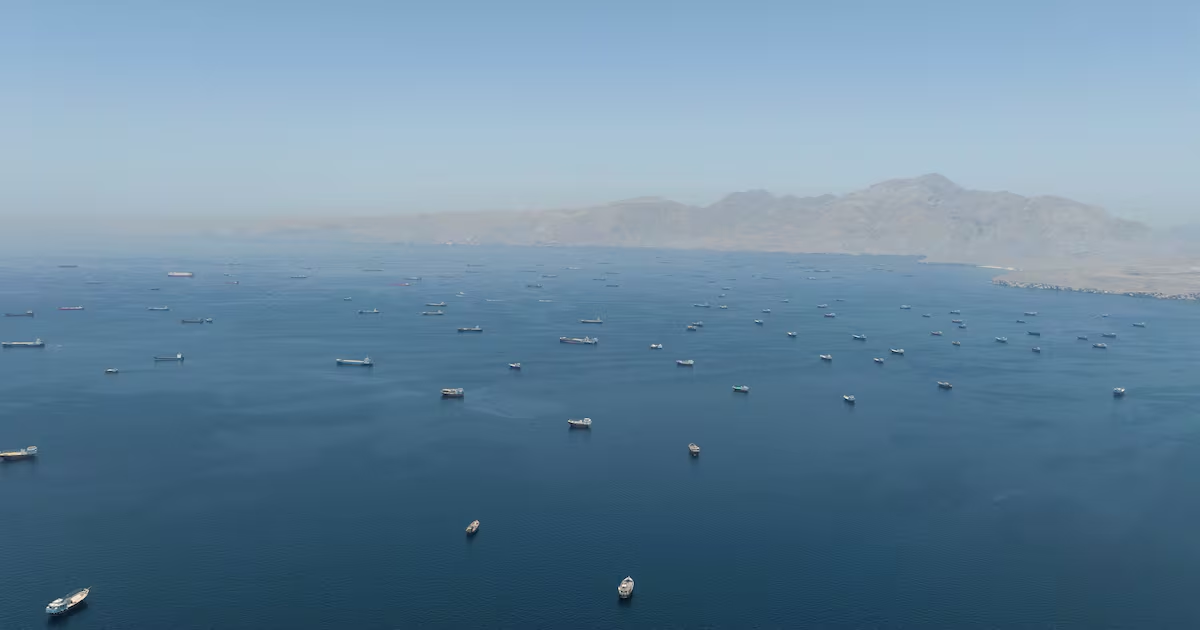
Live updates: Follow the latest news on US-Iran warOil prices recovered on Tuesday morning after the US military attacked southern Iran, dampening investor optimism. Brent, the benchmark for two thirds of the world's oil, was up 2.35 per cent to $98.40 a barrel at 10.07am UAE time. West Texas Intermediate, the gauge that tracks US crude, climbed towards $92 a barrel, recovering from a steep drop of more than 6 per cent in a singular session. Oil prices fell below $100 a barrel on Monday for the first time in several weeks and closed 7 per cent down that day.The recent volatility in prices has divided analysts over whether the price of crude could stage another sharp rally or ease as diplomatic efforts gain traction.Ipek Ozkardeskaya, senior analyst at Swissquote, said the price could surge sharply if tensions persist and disruption of shipping routes goes on. “Given the track record of negotiations through this conflict, I would say that a return above the $100 per barrel is possible if the peace talks don't evolve towards the right direction, and traffic in the Strait of Hormuz is not quickly restored,” she told The National. She added that every additional day is pushing the physical market towards “pain levels” not yet reported in the current conflict.However, while volatility is rising, prices “above $120 per barrel could trigger demand destruction” and limit a sustainable spike above these levels, Ms Ozkardeskaya said.Vandana Hari, chief executive of Singapore-based Vanda Insights, is more cautious and expects the latest gains in crude prices to be temporary. “I don’t see prices rising much beyond current levels,” she told The National. She said her firm has shifted its outlook towards a higher probability of a preliminary agreement. “We have shifted our deal-versus-escalation odds from 50:50 to 70:30 in favour of a preliminary agreement,” she said. “We see the US strikes on Iranian vessels less as a sign of renewed escalation than as optics and a warning shot to Tehran that Washington is not softening even as negotiations advance.”Caught between fearsWith analysts divided, the market remains caught between fears of supply disruption and hopes of diplomatic progress, making oil prices sensitive to new twists in continuing negotiations.US forces carried out “self-defence strikes” in southern Iran yesterday, media outlets quoted US Central Command as saying. Centcom said the strikes were aimed at protecting US troops from “threats” posed by Iranian forces. “US Central Command continues to defend our forces while using restraint during the continuing ceasefire,” said Capt Tim Hawkins.Play00:32Hormuz has to be open 'one way or the other', Rubio saysThe strikes occurred hours after reports the US and Iran were close to a deal to end the war.It was not immediately clear how the strikes would affect the current fragile ceasefire, or negotiations.US Secretary of State Marco Rubio said in India on Tuesday that negotiations will still “take a few days” as both sides discuss language in an initial document.US President Donald Trump has “signalled a fair amount of flexibility on the fate of Iran’s uranium stockpile in his recent Truth Social post. Reports that frozen Iranian funds held in Qatar may be released could further smooth the path towards a deal”, said Ms Hari.The Iran war, that started on February 28, following attacks by Israel and the US on Tehran, led oil prices to spike on supply concerns from the Middle East producers and the near closure of the Strait of Hormuz.Investors will also be closely watching the US inventory data to get clues on market fundamentals. The previous data showed commercial crude stocks falling by 7.86 million barrels, while refinery utilisation stayed high at 91.6 per cent.“We continue to go around and round. It’s frustrating because US officials are playing with markets and the narrative the way a cat plays with a mouse, and there is very little investors can do about it,” said Ms Ozkardeskaya.Play01:24Hormuz crisis must end, says Sultan Al Jaber
Analysts divided on oil’s next move after latest US strikes in Iran | The National
Oil prices fell below $100 a barrel on Monday and closed 7% down, only to climb more than 2% on Tuesday
655 words~3 min read