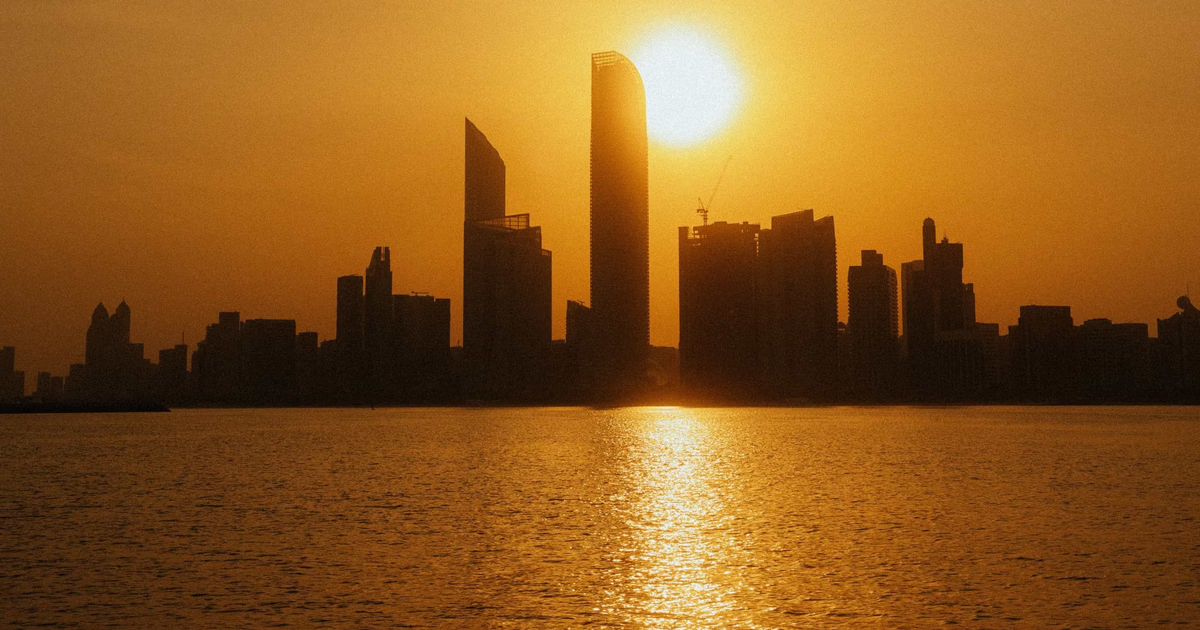
A weather alert has been issued in the UAE, with temperatures to exceed 50°C in some parts of the country during the Eid Al Adha break this week.The National Centre of Meteorology has urged the public to exercise caution and to limit exposure to the sun during the day, after it forecast the UAE could face its hottest May day.The weather bureau issued the safety advice on social media as the mercury continues to rise across the Emirates before the peak summer season. Temperatures are expected to hit 52°C in Al Quaa, a remote desert area of Abu Dhabi, on Friday, with highs of 49°C in Al Ain on the same day.If temperatures reach 52°C, it would pass the 51.6ºC reported in Sweihan, near Al Ain, last year and mark the hottest May day on record in the Emirates. Records have been collected systematically since the early 2000s. The previous high of 50.2°C for May was recorded in 2009.Global heatwaveTemperatures have surged in London. PAInfoThe UAE is not alone in experiencing a May heatwave, as countries around the world tackle a rise in temperatures as a result of climate change.The UK on Monday recorded its highest May temperature as parts of London baked under 34.8°C heat. The mercury rose to 38°C in Spain on Sunday, with temperatures surging into the mid-30s across France.Hot and humid holidayThe NCM, in its latest five-day weather bulletin, forecast hot and humid days throughout Eid Al Adha. Daytime temperatures are expected to reach 41°C in Abu Dhabi and Dubai on Tuesday and are set to climb to 43°C in both emirates by Friday.The call by authorities to stay safe in the sunshine comes as workers enjoy an extended break to mark the festival, with many taking the opportunity to book staycations and family trips.Tips to stay safe Doctors in the Emirates have told The National of the need to remain vigilant during periods of intense heat, which have followed a relatively cool spring.“Hydration is crucial throughout the day,” said Dr Mariesa Fernando, a specialist in family medicine at Burjeel Medical Centre in Dubai Silicon Oasis. “It is important to carry water and also keep it at your workstation because it reminds you to drink. It is also important to modify your routines as it gets warmer, such as switching exercise to earlier in the day or after the sun sets.”Risk factorsExperts say those most at risk are the elderly, children, pregnant women and people taking medication, as well as those with conditions such as diabetes and heart disease.Dr Fernando advised people to avoid outdoor work between midday and 4pm when possible. If outside, she recommended wearing sunglasses, a wide-brimmed hat and sunscreen.“I would advise everyone to apply factor-50 sunscreen. If applying moisturiser, wait 30 minutes before applying sunscreen,” she said, adding that the latter should be reapplied every three to four hours.“Diet can also help,” she said. “People can switch to lighter foods and include more fresh fruit, such as watermelon. These can help keep the body cooler.”Heat exhaustion typically occurs when the body overheats and leads to symptoms such as weakness, dizziness, headache, nausea and excessive thirst. Heat stroke is more severe and occurs when the body's temperature regulation fails. People cannot sweat enough to cool down and it can lead to a dangerously high core temperature exceeding 40°C. This can cause confusion, organ failure and, in some cases, death.Heat exhaustion can be treated by moving the person to a cooler area, spraying their skin with cool water and providing cold drinks.Key measures in placePlay02:01‘Beat the Heat’ drive reaches thousands of UAE workers as end of summer approachesOutdoor workers are protected by the UAE’s annual midday break, which typically begins on June 15, with outdoor labour banned between 12.30pm and 3pm until September 15.Volunteer-led campaigns also take place during the summer to raise awareness among labourers in camps across the UAE.Last September, the NCM agreed a five-year partnership with the Abu Dhabi Public Health Centre to support awareness campaigns on heat safety and to enable experts to develop more accurate studies on the effects of potentially hazardous conditions such as high temperatures, poor air quality and sandstorms.
UAE temperatures to hit 52°C – with hottest May day on horizon | The National
National Centre of Meteorology calls for caution as public feels the heat
693 words~3 min read