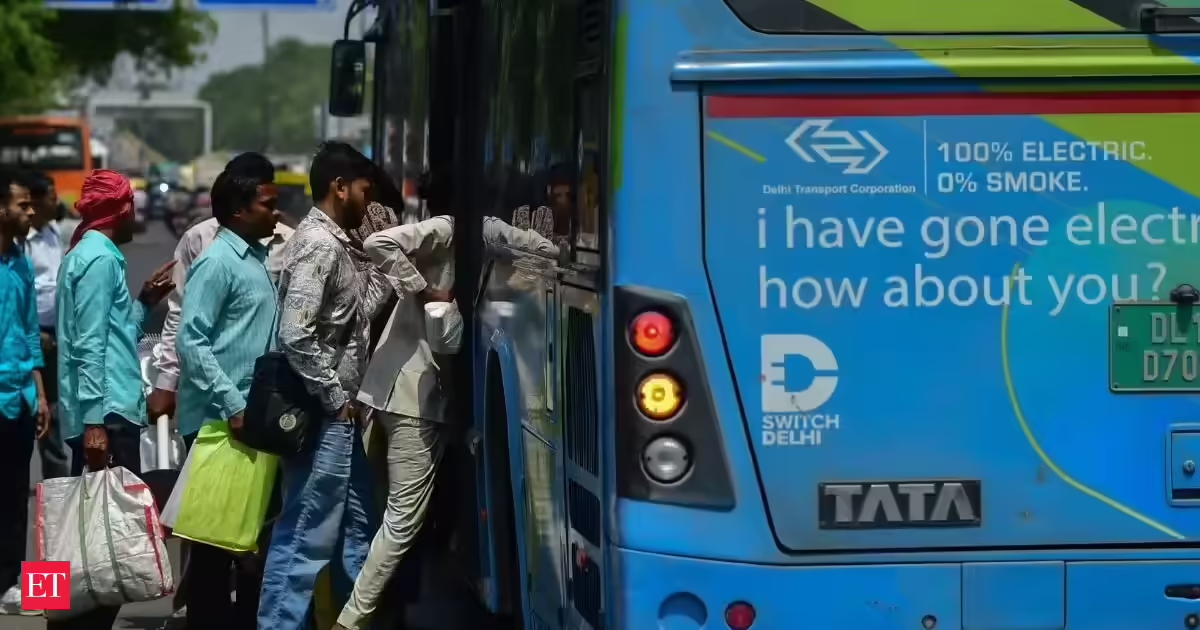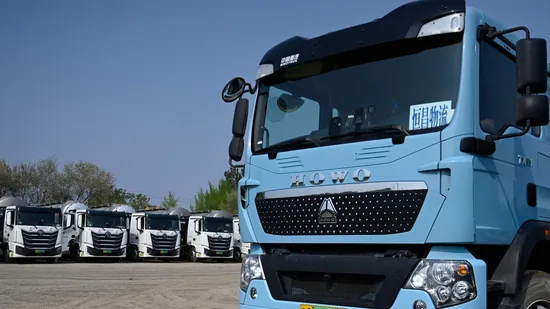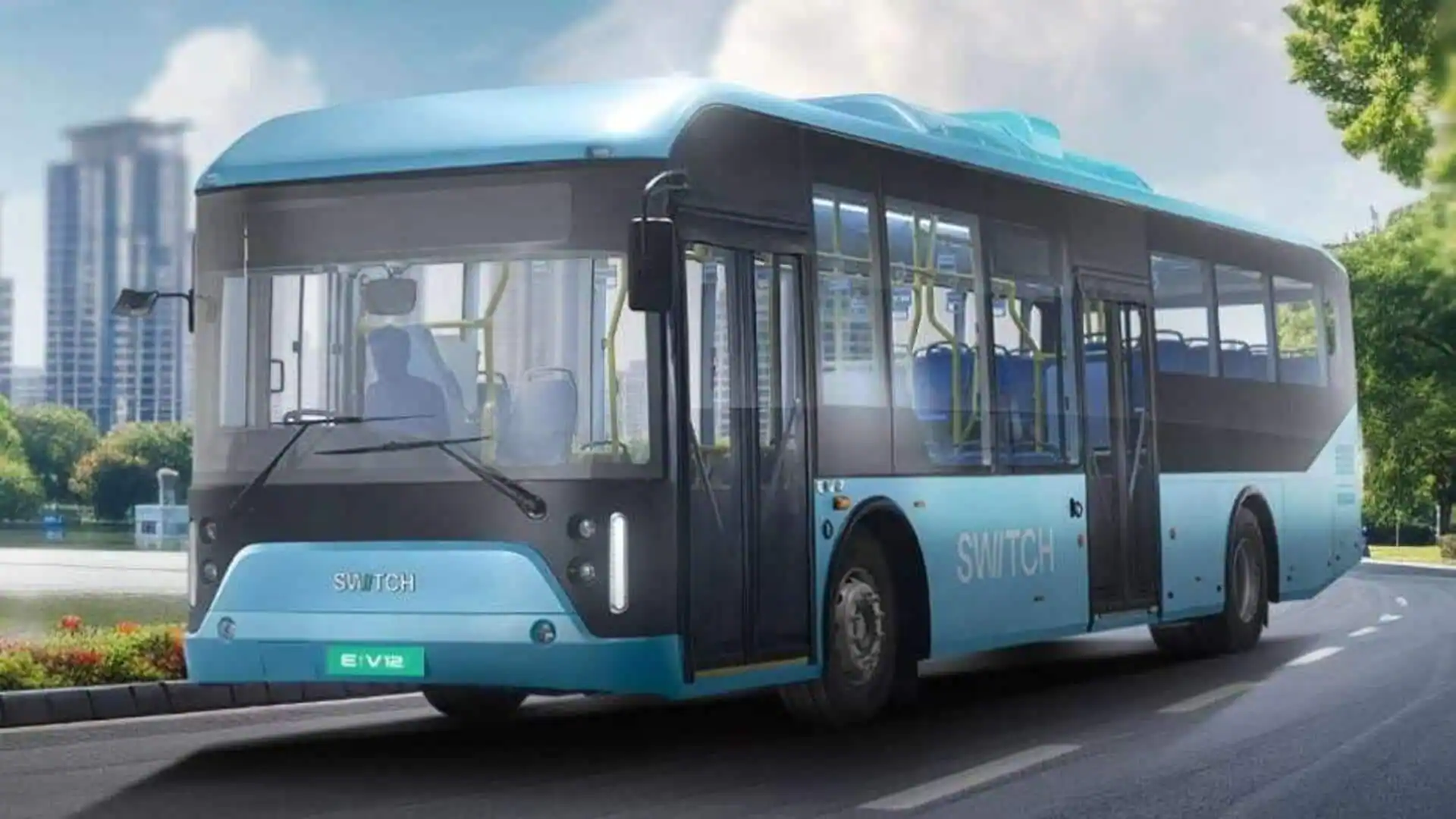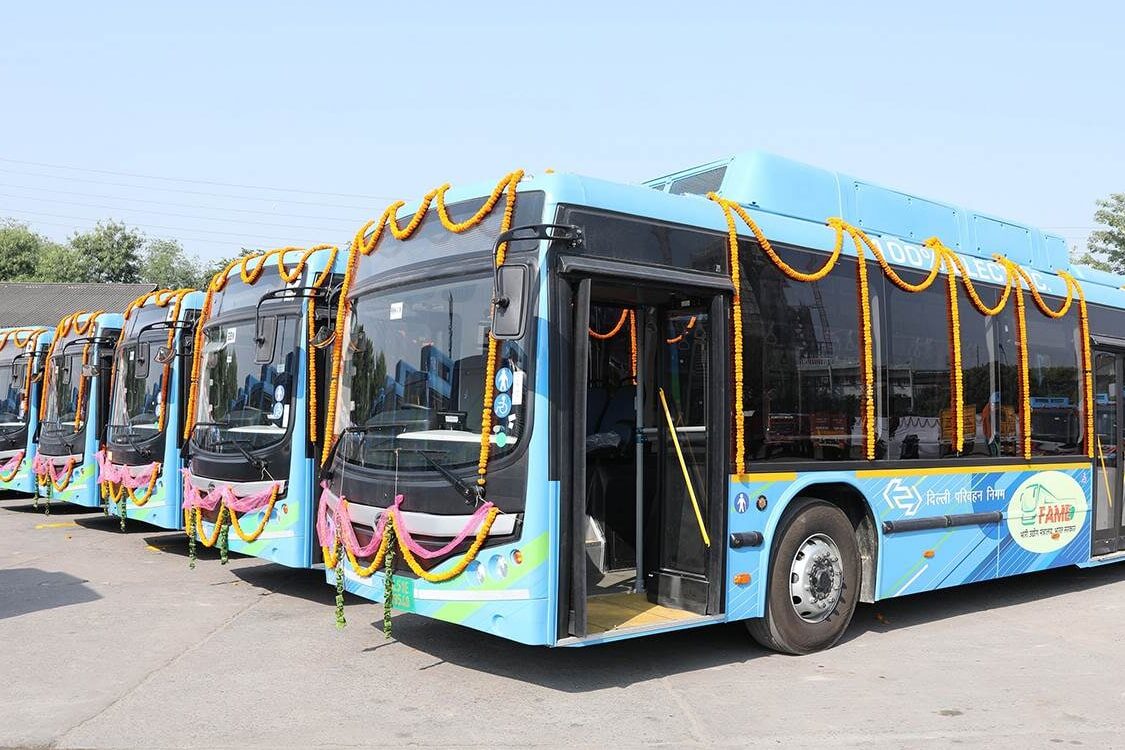
India is working on a new incentive programme with an allocation of more than $1 billion (about €862 million) to accelerate the transition to electric models in the bus and truck segments. The initiative aims to reduce dependence on energy imports and would also help address the country's air pollution issues.Image: Tata MotorsThe programme would run for a decade and largely focus on electrifying privately owned buses and trucks, according to a recent report from Bloomberg. The government is likely to allocate most of the outlay to inter-city bus operators. It wants to speed up the adoption of EVs among small companies that run on limited budgets and find the upfront cost of switching to electric models high.Should the programme come to fruition as planned, India could provide various incentives, including interest subsidies of up to 1.5 million rupees (approximately €13,500) per EV over its lifetime, with support reducing in a phased manner. It may also provide a partial credit guarantee for loans used to finance electric buses and trucks.Initially, the government could support the rollout of 10,000 electric buses under the programme, and in later phases, it may expand the coverage to 40,000-50,000 EVs. Industry representatives have proposed several additional measures, such as building charging parks, waiving tolls and taxes, and lowering electricity costs.The government has yet to finalise the programme’s outlay, vehicle eligibility criteria and subsidy structure. People familiar with the matter expect the Prime Minister’s Office to meet with industry representatives this month to fine-tune the details of the programme.India already has an incentive programme supporting electric buses and trucks along with several EV categories, but its scope is limited. The PM E-Drive scheme, launched on 1 October 2024 and valid until 31 March 2028, provides incentives worth 5 billion rupees (approximately €45 million) for 5,643 electric trucks and 43.91 billion rupees (approximately €396 million) for 14,028 electric buses. However, in the case of electric buses, the incentives are restricted to public transport operators.More than two million buses are plying on Indian roads, and only about five per cent of them are operated by the government. As for trucks, ownership in this segment is almost entirely private, and diesel is the dominant fuel. In addition to the ongoing global energy crisis, a sharp depreciation of the rupee has prompted the government to explore new measures to reduce its import bill. With imports accounting for nearly 90 per cent of the country’s oil requirements, reducing dependence on fossil fuels has become a top priority.bloomberg.com, pmedrive.heavyindustries.gov.in
India planning $1 billion programme to push e-truck and e-bus adoption - electrive.com
India is working on a new incentive programme with an allocation of more than $1 billion (about €862 million) to accelerate the transition to electric models
417 words~2 min read