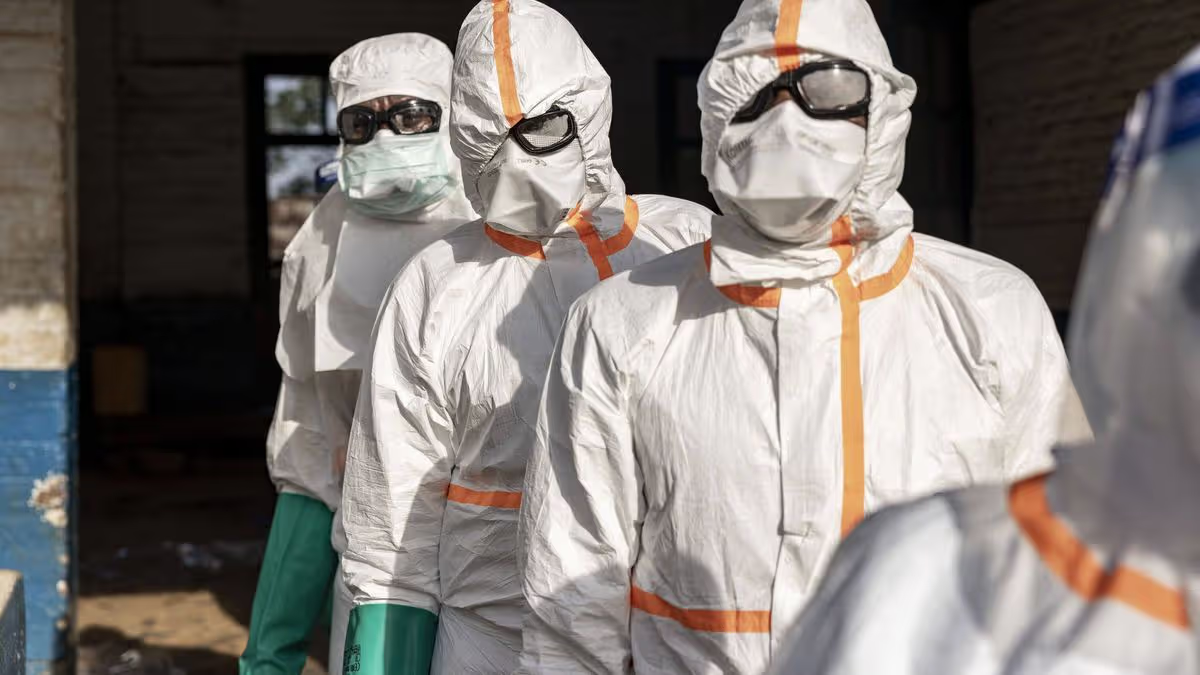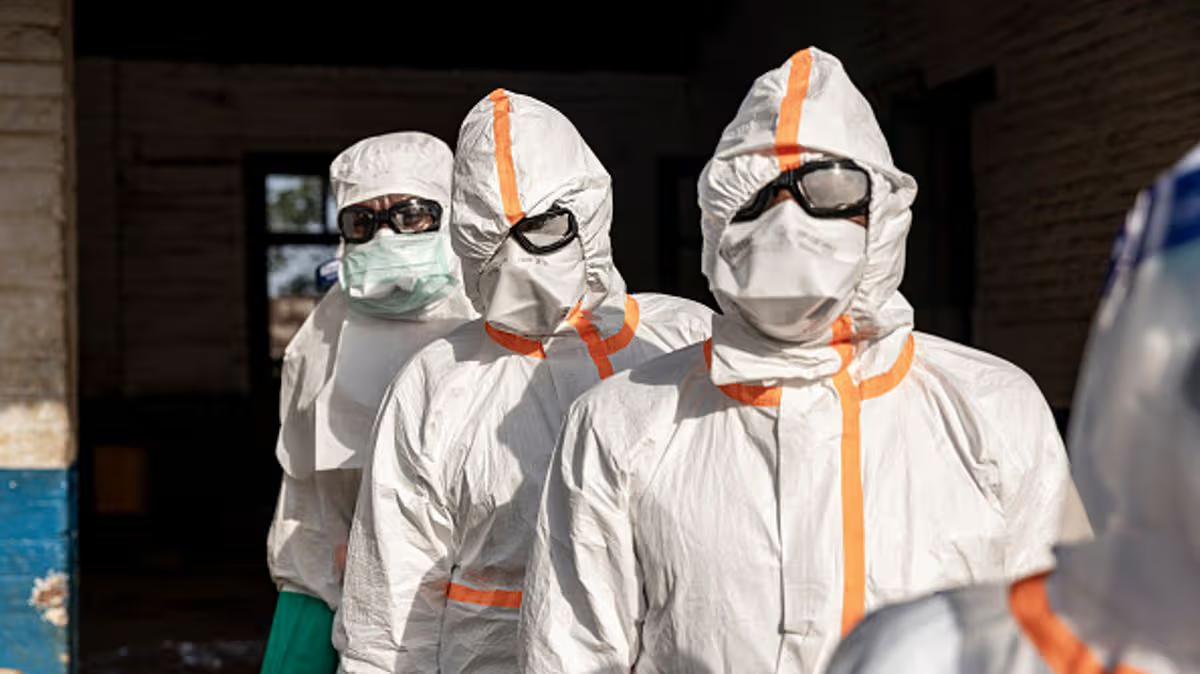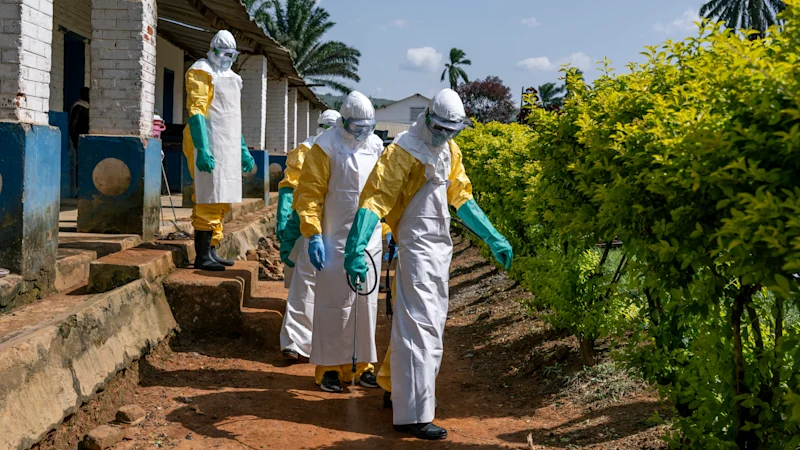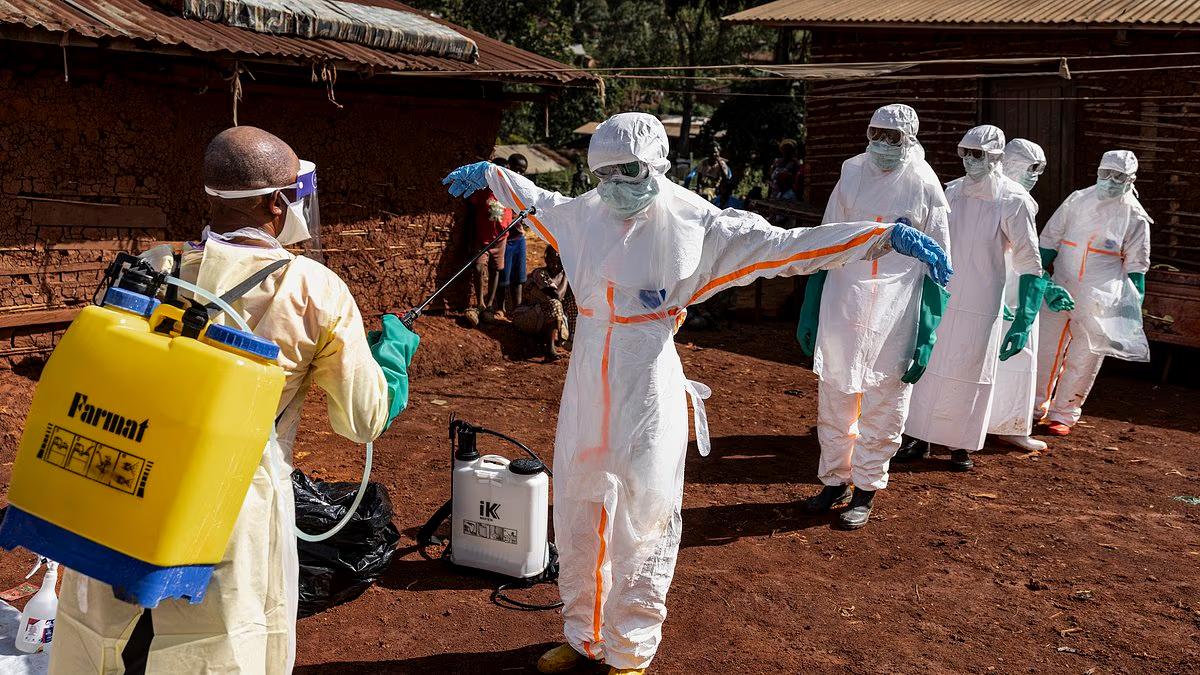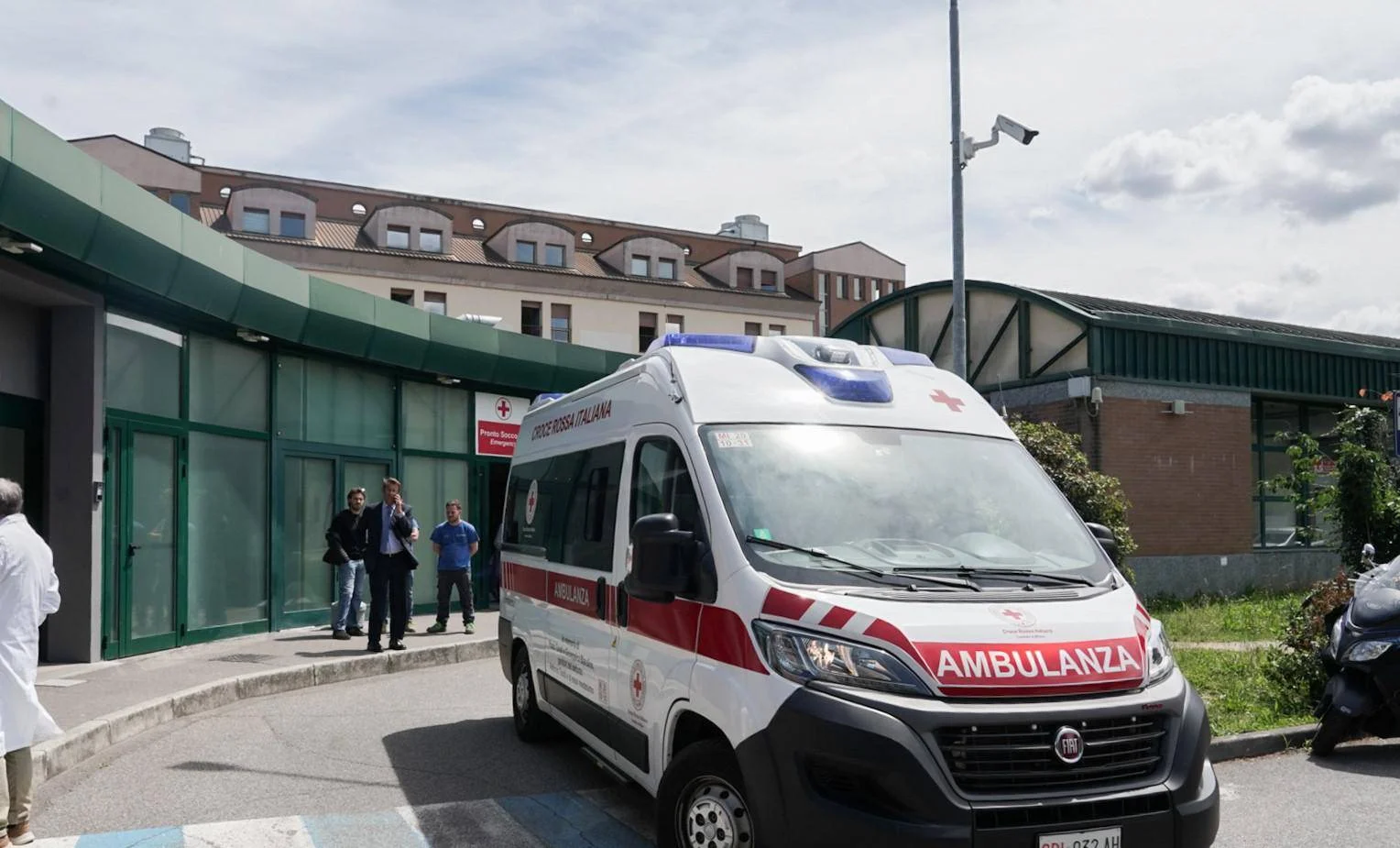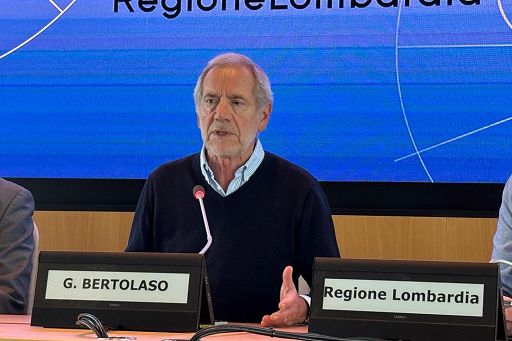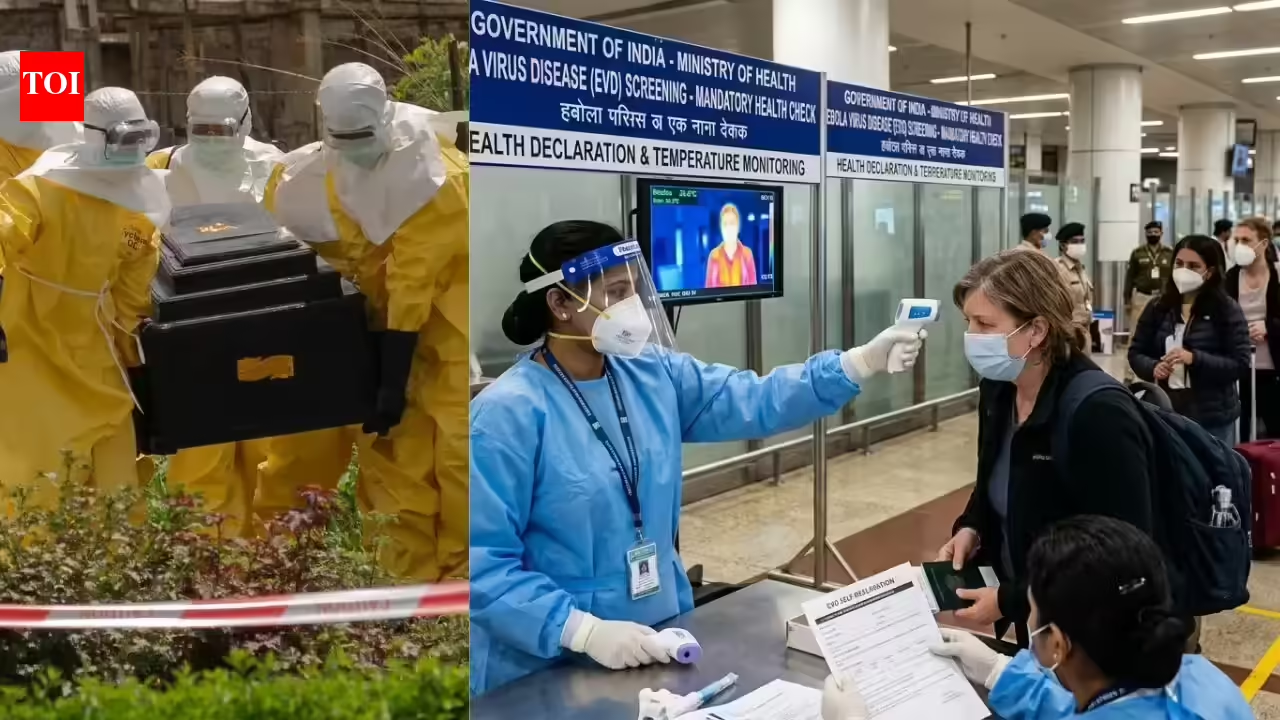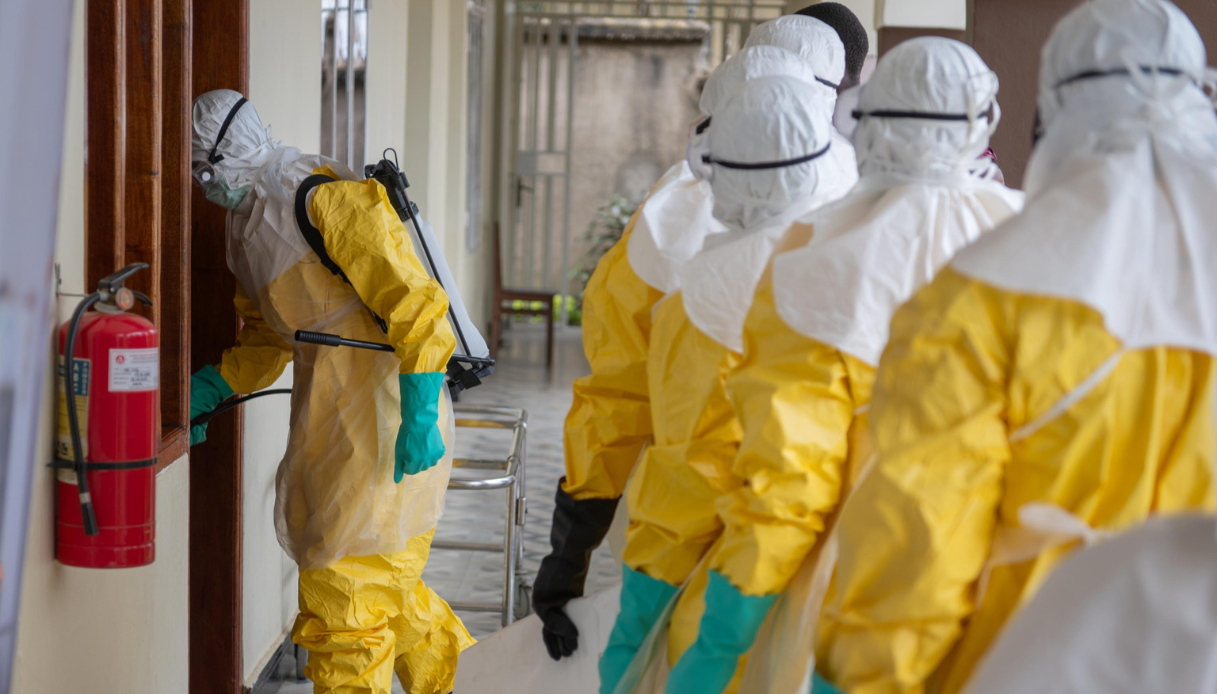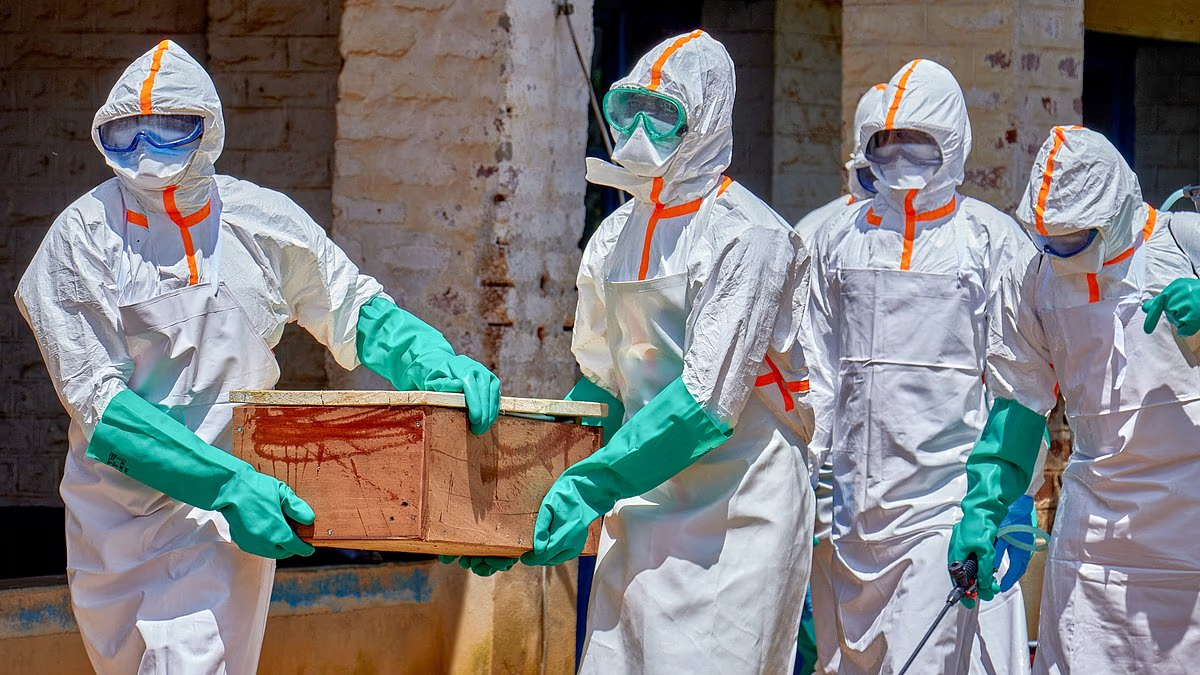
Two aid workers have brought suspected cases of Ebola to Europe.A health alert is in place in the northern Lombardy region of Italy after a man and a woman returned from Uganda following a three-month trip.It comes as a deadly strain of the virus is spreading rapidly across central Africa with no protective vaccine, sparking fears of a major worldwide health crisis.More than 900 suspected cases and 234 deaths have been reported in the Democratic Republic of Congo (DRC) - including three Red Cross volunteers who are thought to have contracted the virus while managing dead bodies.Both Italian humanitarian aid workers have developed symptoms consistent with the virus, including high fever, nausea, vomiting and intestinal problems.They have been transferred to Milan's Sacco Hospital, a specialist facility for the management of high-risk infectious diseases.Lombardy's regional welfare minister, Guido Bertolaso, said there was 'still no certainty that this is Ebola'.Speaking at a press conference, he added: 'We are hopeful they will be negative.' World Health Organisation says the outbreak poses 'very high' risk for Congo, but risk of disease spreading globally remains low
Doctors have also considered a form of malaria may be the more likely diagnosis - possibly cerebral malaria in the case of the 30-year-old woman, who may need to be admitted into intensive care.The woman, from Lurate Caccivio, is reported to have developed severe symptoms, including a very high fever and mild neurological issues.The man, from Bulgarograsso, is displaying milder symptoms of a temperature of around 38C and gastrointestinal problems.In an official statement the Health Ministry said the risk of Ebola in Italy 'remains very low'.A meeting of the European Commission's Health Security Committee was held on Sunday to discuss the Ebola emergency in Africa.All flights to and from Bunia - the eastern DRC city where most cases and deaths have occurred - have been grounded but experts believe the virus may have already spread to other nearby nations, such as South Sudan.In previous Ebola outbreaks, the virus has killed more than half of those infected - many of whom died due to internal bleeding and organ failure.Now, experts are warning that there is no vaccine that can protect against the Ebola variant driving the outbreak - which means the virus will almost certainly continue to spread and kill.