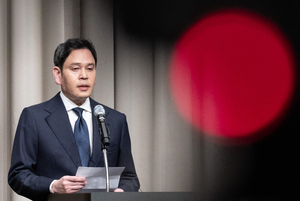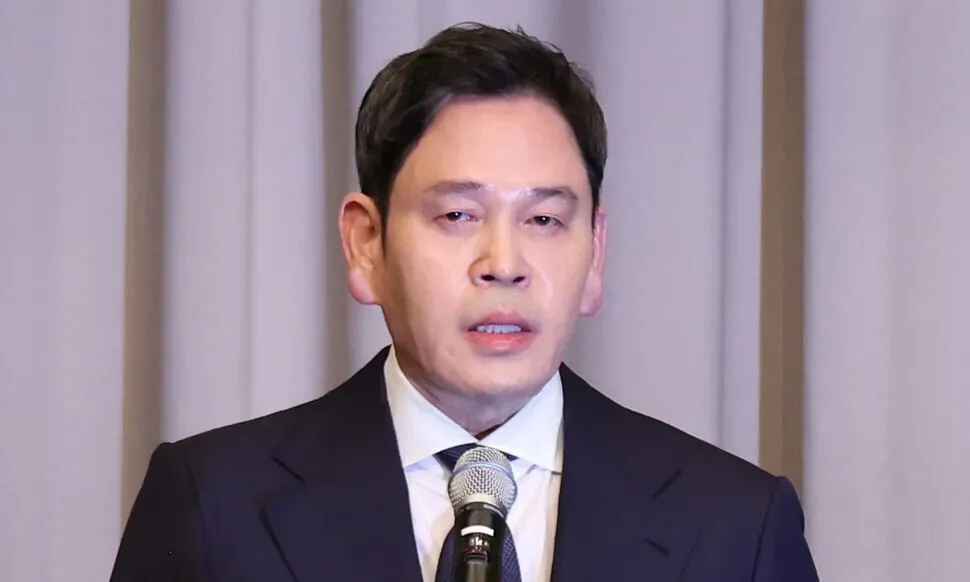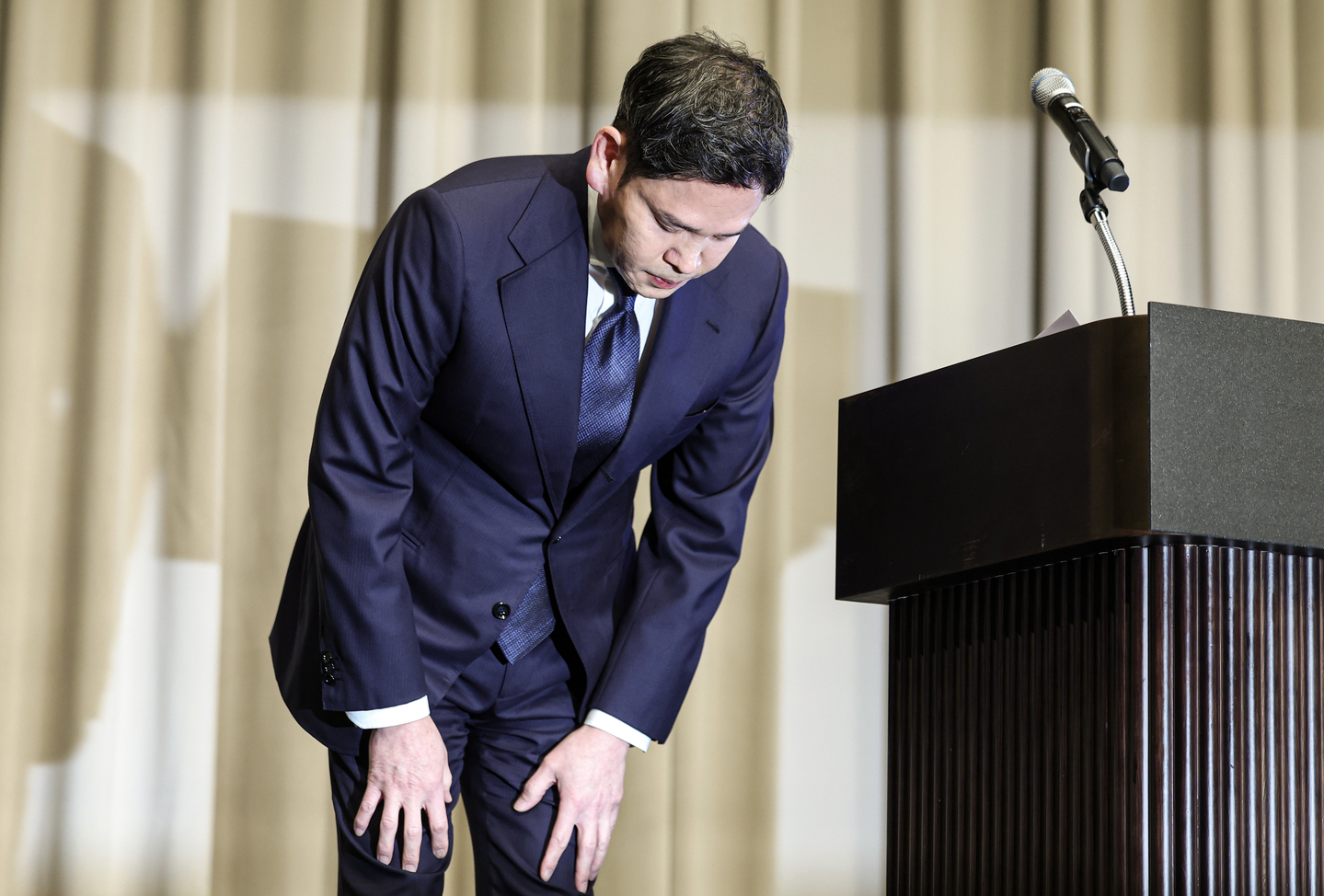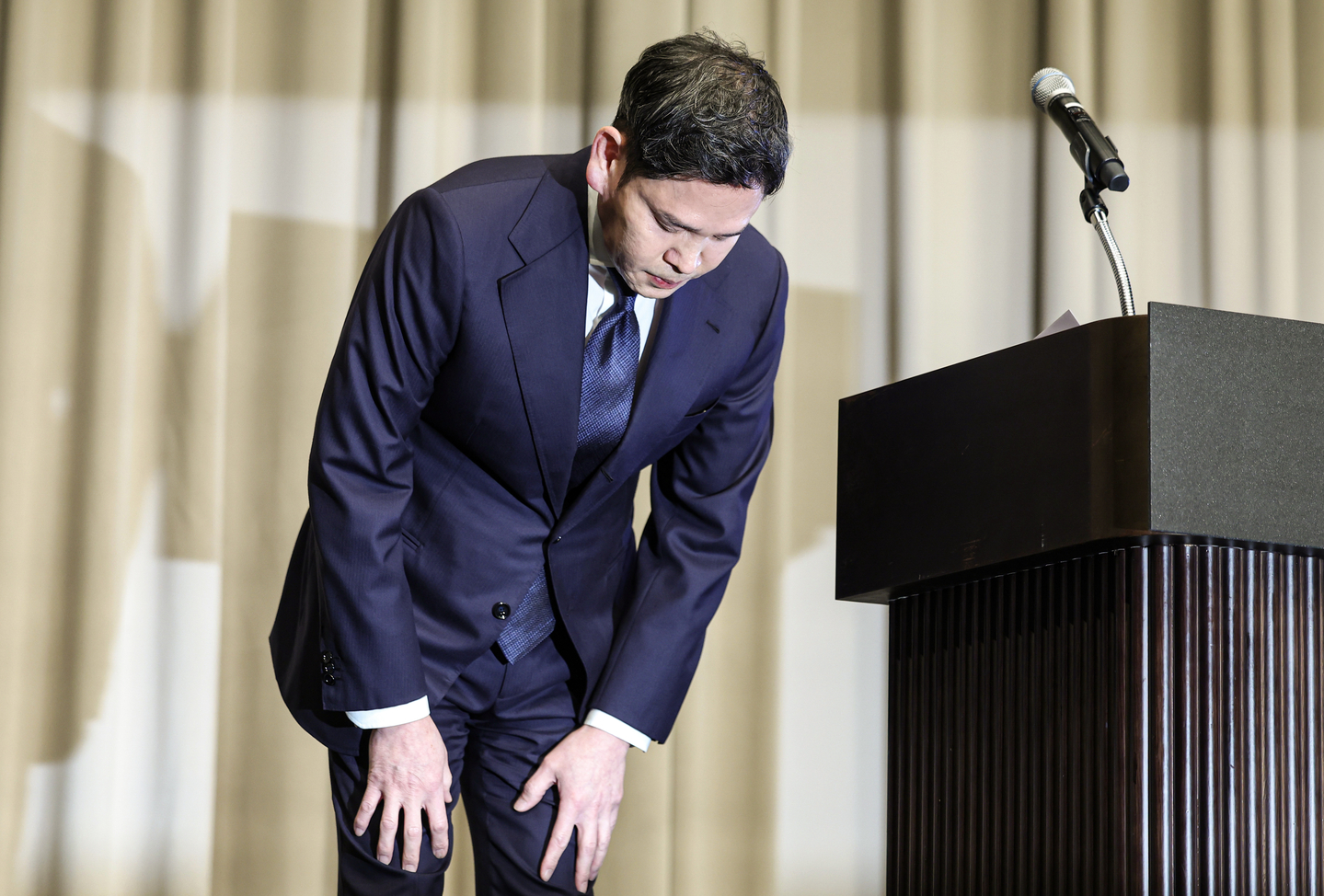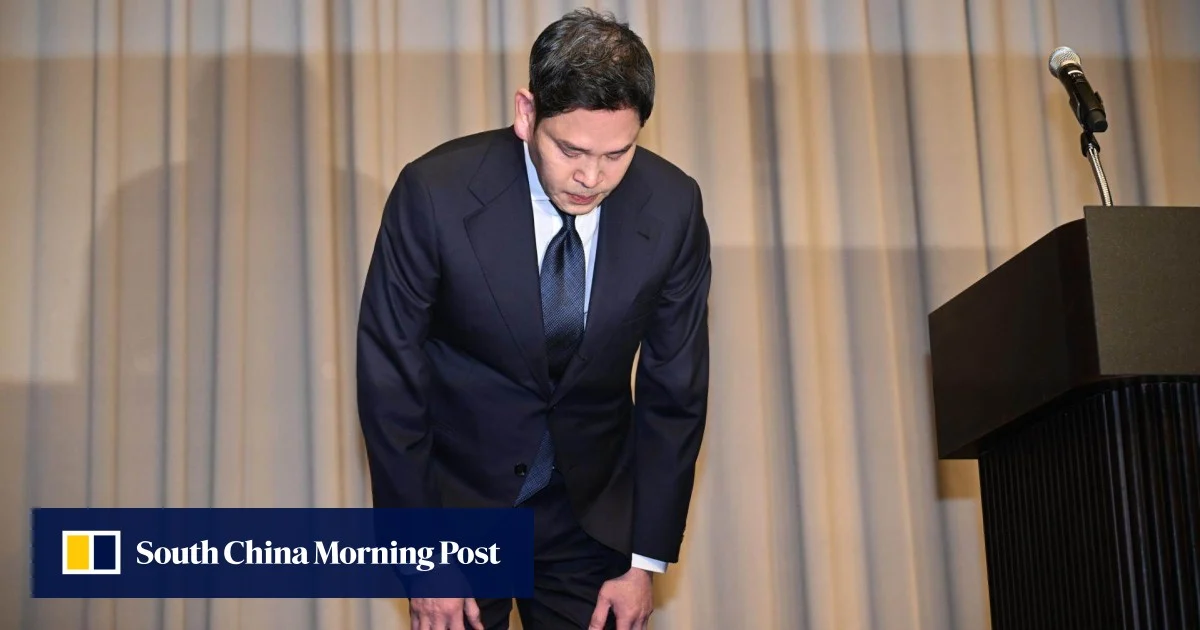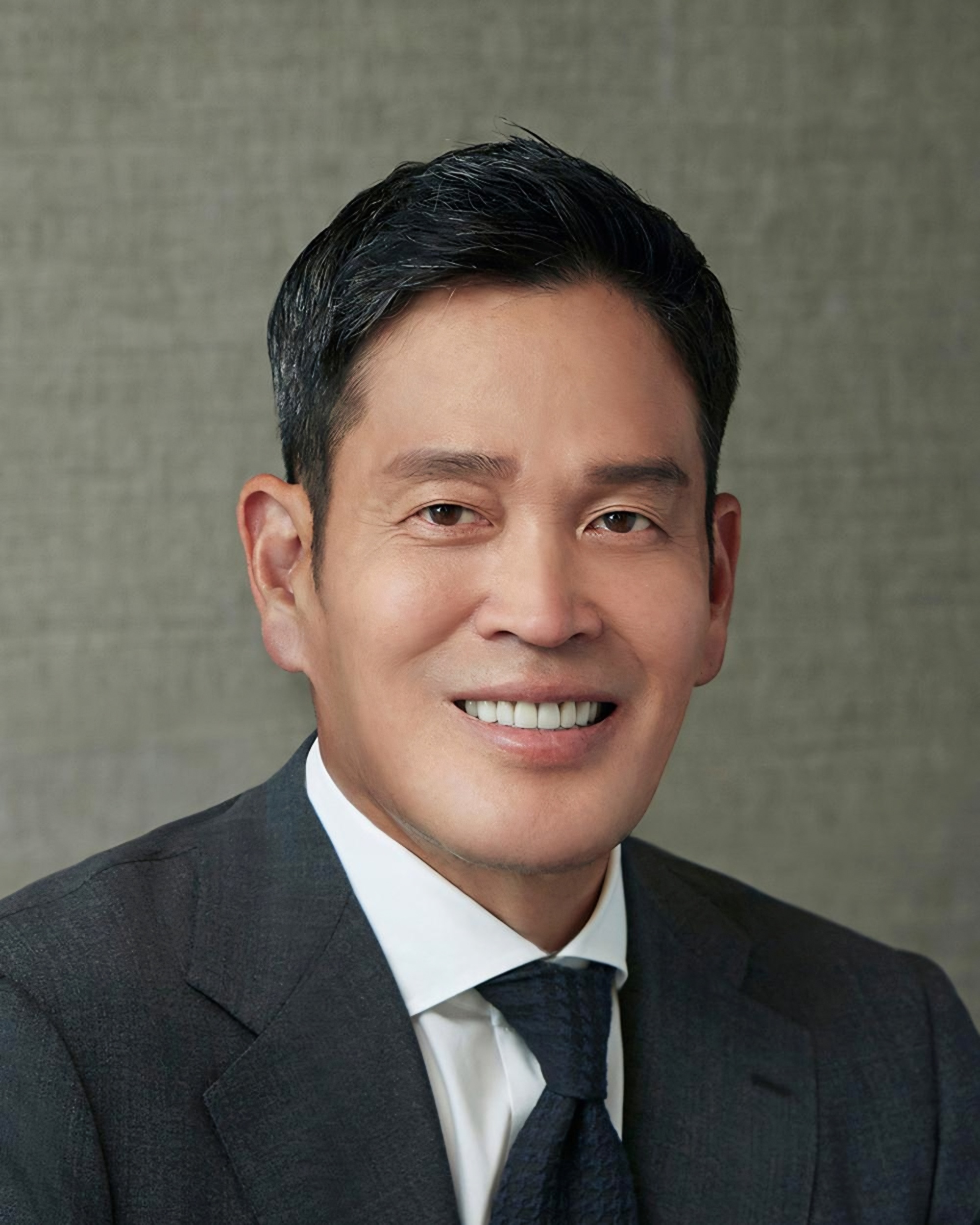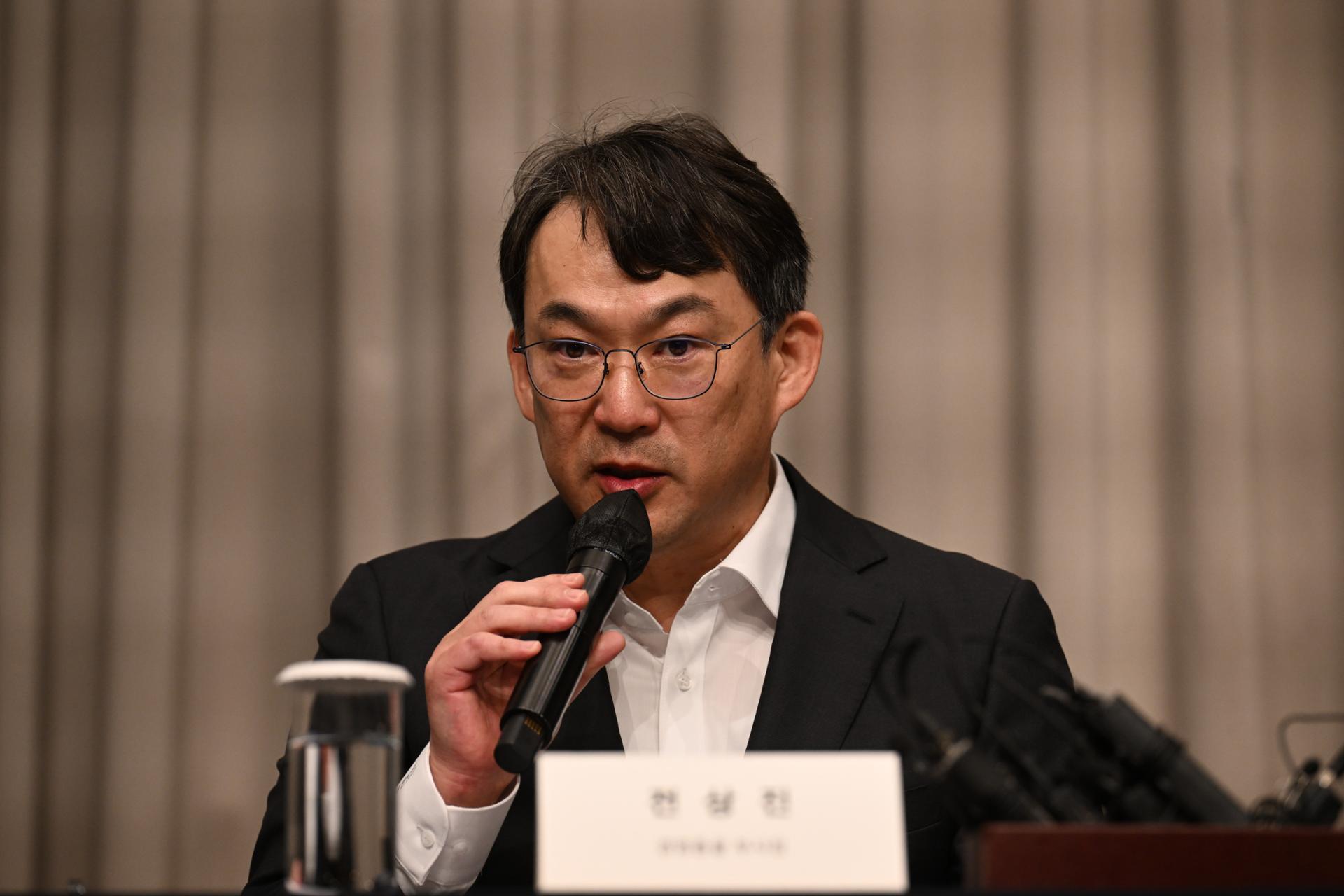
Shinsegae Group Executive Vice President of Management Jeon Sang-jin speaks about the findings of the group’s internal investigation into Starbucks Korea’s recent marketing controversy at Josun Palace in Seoul’s Gangnam District, Tuesday. Korea Times photo by Shim Hyun-chul
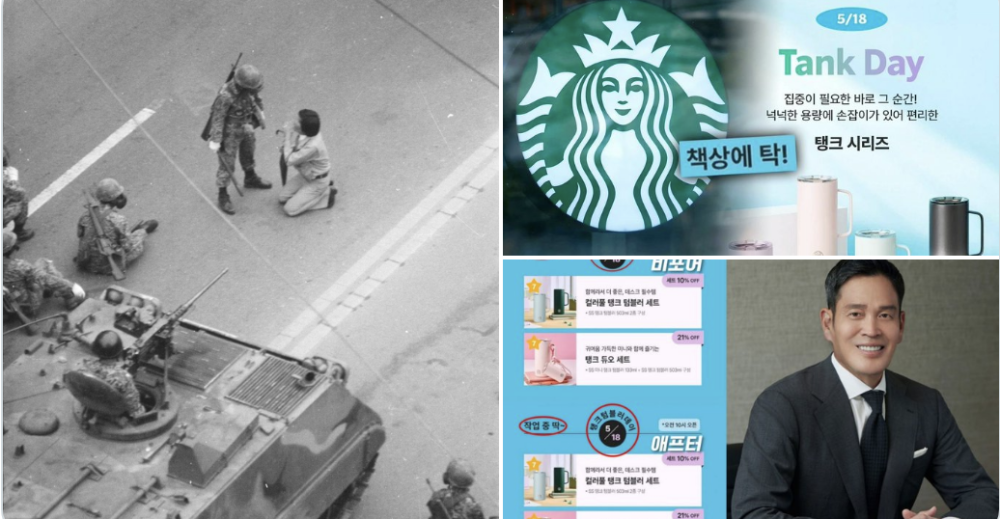
A lack of sensitivity toward one of the country’s defining pro-democracy movements, along with a broken approval chain that failed to screen for potential issues, were identified as the main causes behind Starbucks Korea’s recent marketing fiasco, which critics said inappropriately referenced Korea’s democratization movement of the 1980s.
Four executives of Shinsegae Group, whose affiliate Emart is the largest shareholder of the coffee chain operator, on Tuesday disclosed the findings of a weeklong internal investigation into Starbucks Korea following the launch of the controversial “Tank Day” promotion on May 18. They admitted there were “serious loopholes in the company’s system for marketing planning and risk management.”
Shinsegae Group said the “Tank Day” promotion, launched on the same date as the annual commemoration of the 1980 Gwangju Democratic Uprising, was conceived and submitted for approval by five employees in Starbucks Korea’s e-commerce division.