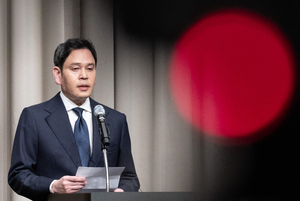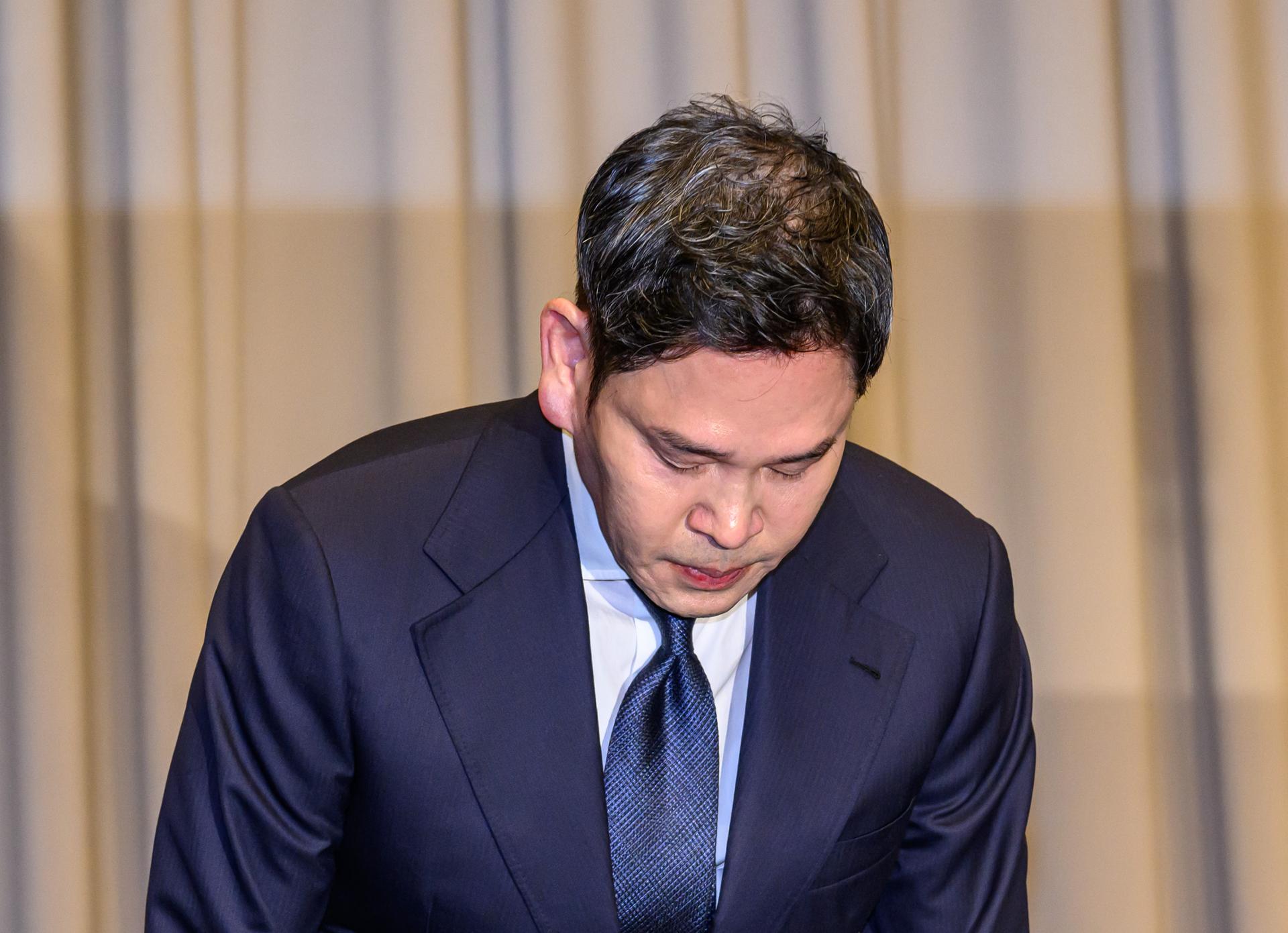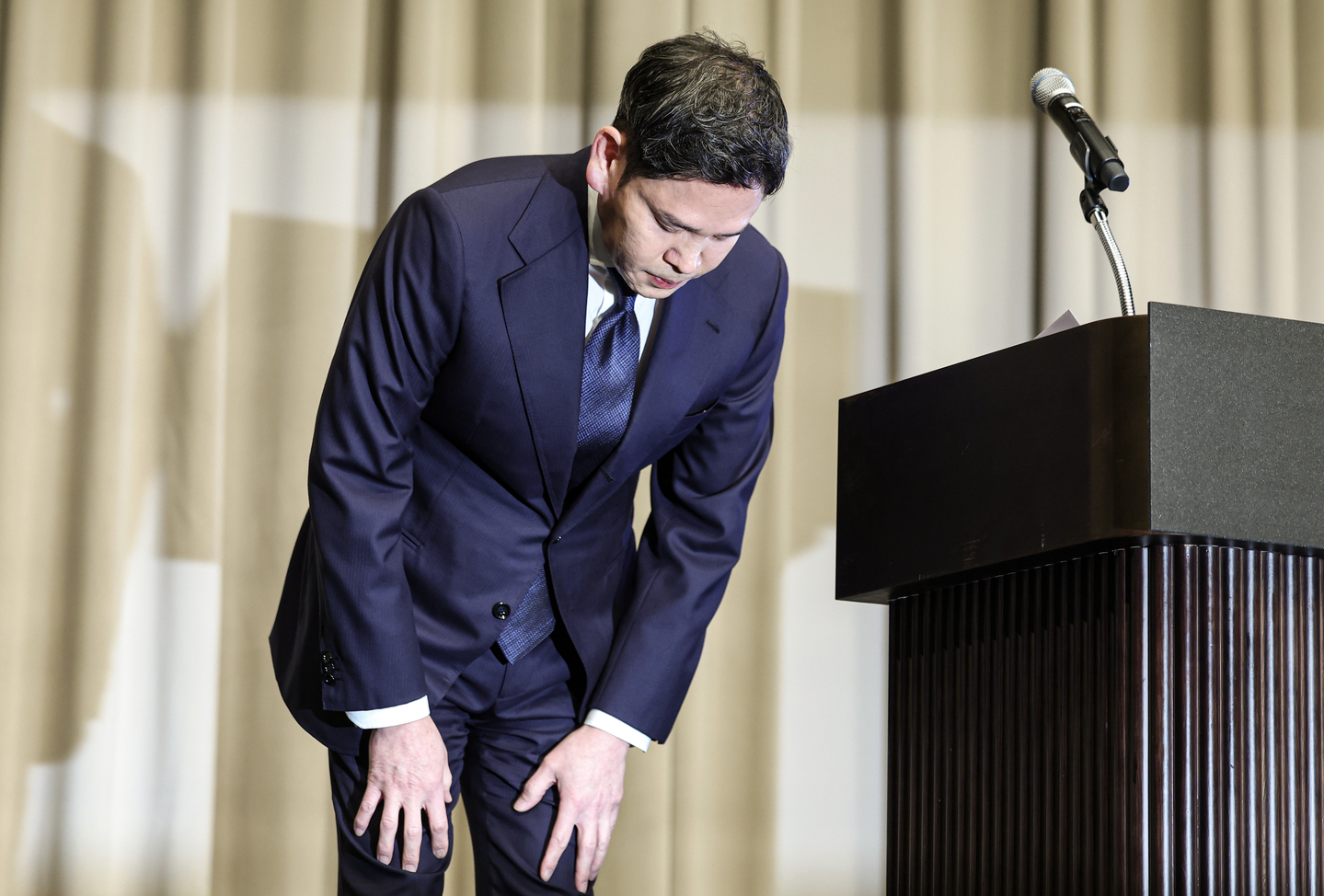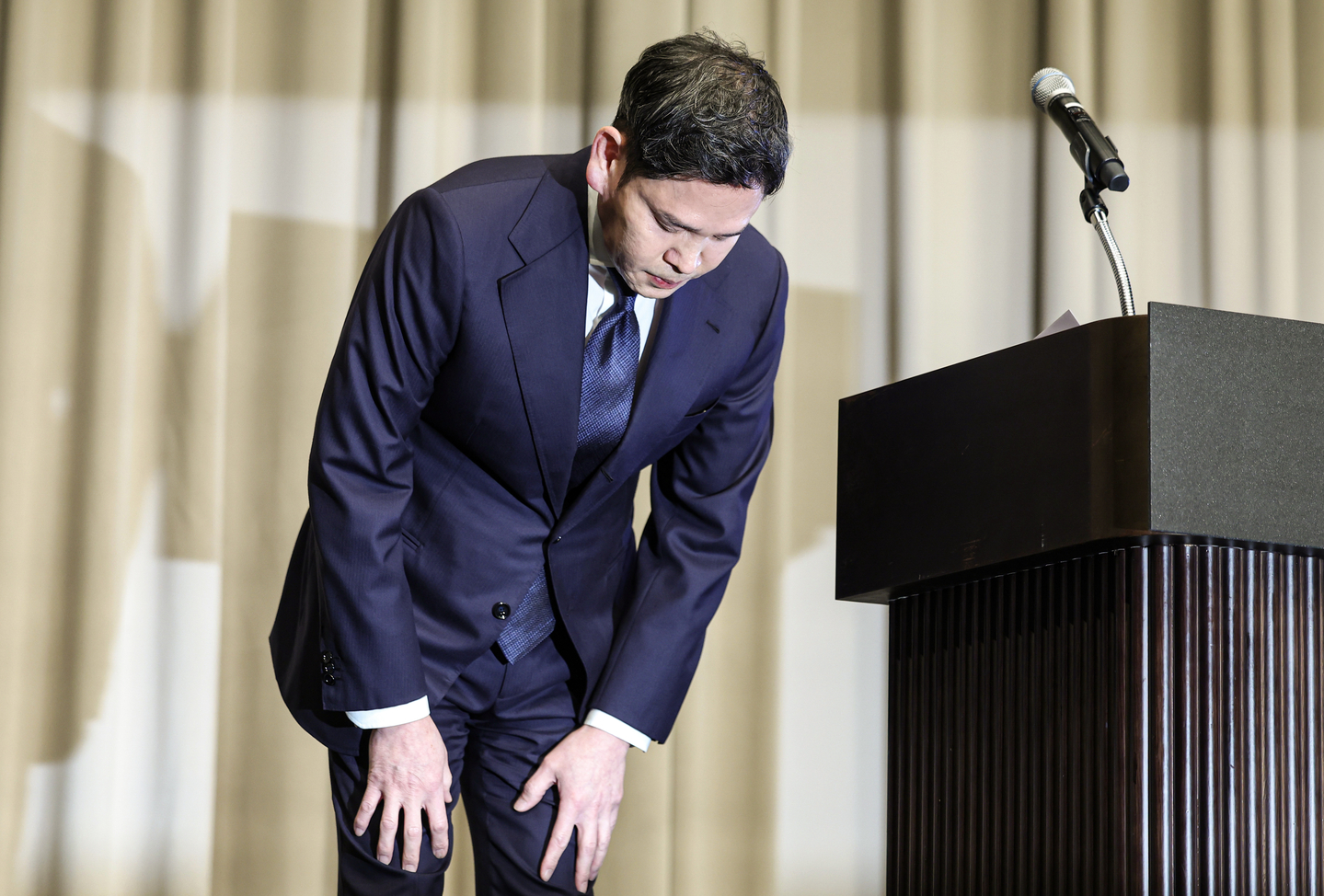
Shinsegae Group Chairman Chung Yong-jin / Courtesy of Shinsegae Group
The controversy surrounding Starbucks Korea’s so-called “Tank Day” promotion is not merely a public relations failure. It is a revealing moment about corporate culture, historical consciousness and the responsibilities of leadership in a democracy still shaped by painful collective memory.
Starbucks Korea launched a marketing campaign for a line of tumblers branded as the “Tank Series” on May 18 — the anniversary of the 1980 Gwangju Democratic Uprising, one of the darkest chapters in modern Korean history. The campaign included the phrase “Tank Day” alongside another expression, “Bang on the desk!” — wording widely interpreted as invoking the infamous government cover-up following the 1987 torture and death of student activist Park Jong-chul under the military dictatorship.
For many Koreans, these were not ambiguous cultural references or unfortunate coincidences. The imagery of tanks on May 18 inevitably recalls the armored vehicles deployed by the military during the brutal suppression of pro-democracy demonstrators in Gwangju. Likewise, “Bang on the desk!” echoes the notorious official explanation that Park had died when investigators had merely “hit the desk,” a phrase forever associated with state violence and authoritarian deceit.